Tag Archive: gardening


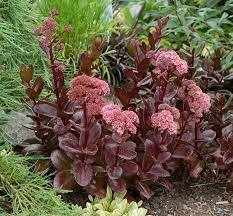
Sedum 'Chocolate Drop'- the foliage as attractive as the flower- and what a combination!

Sedum ‘Chocolate Drop’- the foliage as attractive as the flower- and what a combination!

We tend to think a lot – some of us almost entirely – about flower colour when we consider planting in the garden. Leaves last far longer than blooms, so why not go for a combination of flower and foliage that will add texture to flower colour and shape?

Some leaves are striped, others marbled or speckled, while others range from purple, silver and blue, to butter-yellow or lime-green. Geranium (Cranesbill) and succulent-leaved Sedum are good examples of plants that pack a punch with their leaves, as do Hostas and Lamium.

Stipa gigantea- wonderful

Stipa gigantea- wonderful

You can creat a soft, billowing effect with plants that have feathery foliage, such as Bronze Fennel, or those with masses of leaflets, such as Aquilegia and many of the ferns. Ornamental grasses can also be used to soften displays; many are particularly useful because they are drought tolerant. I grow several here at Old School Garden, and I love the variety they add to a herbaceous border with an evergreen structure of shrubs; Stipa gigantea is especially lovely when the late afternoon sunlight catches its stalks and waving awns.
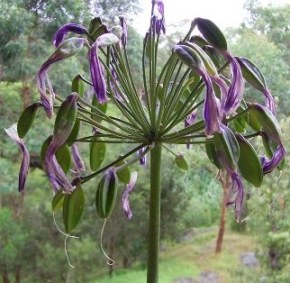
From flower to seedpod- Agapanthus

From flower to seedpod- Agapanthus

To sum up….

  • Blend foliage plants with flowering ones to keep the border looking at its best over the longest possible time.

  • Combine foliage and flowers that contrast with each other in colour,shape and texture.

  • Use plants with ornamental seed pods, such as Agapanthus, Feathery grass heads, such as Pampas grass and evergreen foliage.

  • Use plants with variegated leaves, such as striped, blotched and marbled, to their full advantage.

  • Choose flowering plants that have attractive foliage, such as Alchemilla mollis and geranium so that they add interest to the border over several months.

Hostas are usually grown for their foliage- which comes in all sorts of patterns and hues, but the flowers can also be very attractive

Hostas are usually grown for their foliage- which comes in all sorts of patterns and hues, but the flowers can also be very attractive

Source: ‘Short Cuts to Great Gardens’- Reader’s Digest, 1999

Old School Gardener
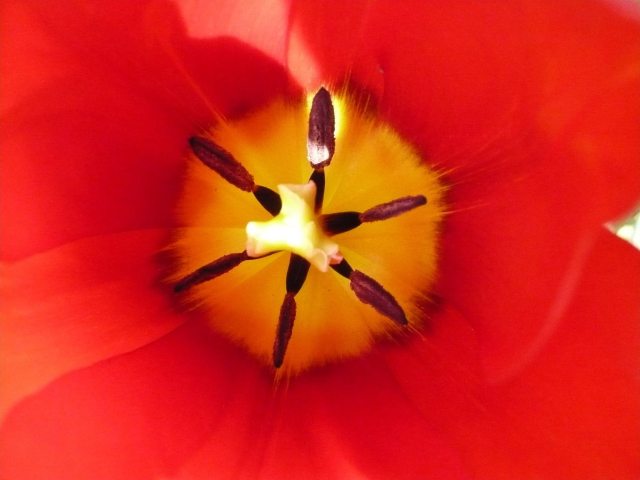
 

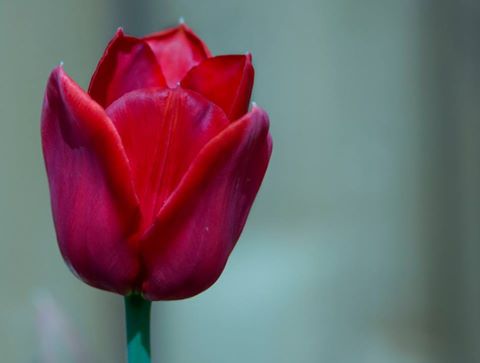
tulip aparna jha

Tulip- picture by Aparna Jha

joan fitzpatrick

Tulip: picture by Joan Fitzpatrick

Ther RHS national schools science project starts this week

Today (18 April) British astronaut Tim Peake sent a special message from space to the hundreds of thousands of children who will be beginning our Rocket Science project in partnership with the UK Space Agency experiment this week.

Tim, who delivered the message from the International Space Station where he’s been since December, wished the 600,000 young people signed up to the experiment good luck with their investigations into the impact of micro-gravity and space travel on seed germination and growth. The results will help to form a clearer picture of the potential for astronauts to grow their own food to sustain them on long-term missions.

Speaking while 400km above the surface of the Earth, Tim said:

“This is a really exciting week for the hundreds of thousands of young people across the country who will begin their Rocket Science experiments. I’d like to wish everyone taking part the best of luck with their investigations and I look forward to seeing some of the results.

“It’s possible that among those pupils taking part in the project are the young people who will help mankind reach the next big milestones in space exploration for the benefit of people on Earth. I hope the RHS Campaign for School Gardening’s Rocket Science experiment will spark curiosity and wonder amongst young people who may become the next generation of horticultural scientists.”

With more than 8,600 schools and educational groups poised to begin their Rocket Science experiment this week, the project is now among the biggest mass science experiments conducted in UK schools.

Rocket Science will see school pupils across the country spend 35 days analysing the growth and development of two batches of seemingly identical rocket seeds. However, one batch of seeds has spent time in space with Tim on the International Space Station, orbiting the Earth at 17,000mph. The aim of the experiment is to enthuse young people about science and horticulture and provide the European Space Agency with key insights into some of the challenges of growing food in space.

Results of the experiment will be published later in the year but keep an eye on our website, Facebook page and Twitter page for updates!

Source: RHS


11108183_10153260907991427_5621516509076305236_n

Crab Apple blossom- picture by Christine Grubbs

Crab Apple blossom- picture by Christine Grubbs

It’s about time I updated you on the latest projects in the garden to use recycled pallets or other cheap wood and materials. I continue to be astounded by the creativity and skills out there! All images from the wonderful site 1001 Pallets which includes lots of tutorials, in case you want to have a go yourself!

Old School Gardener

PicPost: Tulip Time

Picture by Atie Post

Picture by Atie Post

g-yellow-climber-on-fenceGrowing climbers against boundaries or internal screens adds interest to a hard or unattractive surface, and is the best use of space in a small garden. choosing the right plant for then right site is the key to minimising work; in particular, you will need to consider the plant’s eventual size, and its preferred aspect.

Also, choose a support system that’s right for the plant- some will cling on without much help, others twine, others need to be tied onto a wire or some other support.

Differetn climbers need different support systems

Differetn climbers need different support systems

Here are some other things to consider:

Do put up the support before planting. Make sure it is the correct size and strength for the climber.

Do kill weeds before planting.

Do add compost when planting and use a mulch to reduce the need to water and weed.

Do invest in long-handled pruners or loppers to cut back tall climbers.

Don’t plant large plants where they will need constant cutting back to keep them within bounds.

Don’t remove canes from new climbers (though if the plant is taped to these you can cut the tapes). Position the canes to enable the plant to clamber easily onto the support.

Source: ‘Short Cuts to Great Gardens’- Reader’s Digest, 1999

Further Information:

‘Social climbers: How to cover a house in plants’- Daily Telegraph

‘Insulating a house with climbing plants’

Old School Gardener

Picture by Barry Simmons

Picture by Barry Simmons

Finding Nature

Nature Connectedness Research Blog by Prof. Miles Richardson

Norfolk Green Care Network

Connecting People with Nature

Discover WordPress

A daily selection of the best content published on WordPress, collected for you by humans who love to read.

Susan Rushton

Celebrating gardens, photography and a creative life

Unlocking Landscapes

Writing, photography and more by Daniel Greenwood

Alphabet Ravine

Lydia Rae Bush Poetry

TIME GENTS

Australian Pub Project, Established 2013

Vanha Talo Suomi

The Journey from Finnish Rintamamiestalo to Arboretum & Gardens

Marigolds and Gin

Because even in chaos, there’s always gin and a good story …

Bits & Tidbits

RANDOM BITS & MORE TIDBITS

Rambling in the Garden

.....and nurturing my soul

The Interpretation Game

Cultural Heritage and the Digital Economy

pbmGarden

Sense of place, purpose, rejuvenation and joy

SISSINGHURST GARDEN

Notes from the Gardeners...

Deep Green Permaculture

Connecting People to Nature, Empowering People to Live Sustainably

BloominBootiful

A girl and her garden :)