
 The nights are squeezing the light of day, despite sunshine there’s a chill in the air, and mornings are often shrouded in mist and fog. October marks the real onset of autumn, I think – here are a few important things to do in the garden this month.

1. Leaf litter pick
Clear up fallen autumn leaves regularly, including rose leaves, to prevent diseases such as black spot from over-wintering – don’t compost these leaves. Create compost bins for collecting fallen leaves and dead plant material or a separate ‘Leaf mould’ bin if you want to create this wonderful material – stuffing leaves in black plastic bags is another option.

Using black bags for leaf mould making
2. Cut backs
Cut down stalks of perennials that have died down, unless they have some winter or wildlife merit. Clear overhanging plants away from pathways and prune climbing roses and rambling roses once they’ve finished flowering, tying in the stems before autumn winds cause damage.
3. Parting is such sweet sorrow
Divide herbaceous perennials and rhubarb crowns. This is also the time to move trees and shrubs, and plant hedges.

Dividing rhubarb crowns as well as herbaceous perennials can be done safely now
4. Come in out of the cold
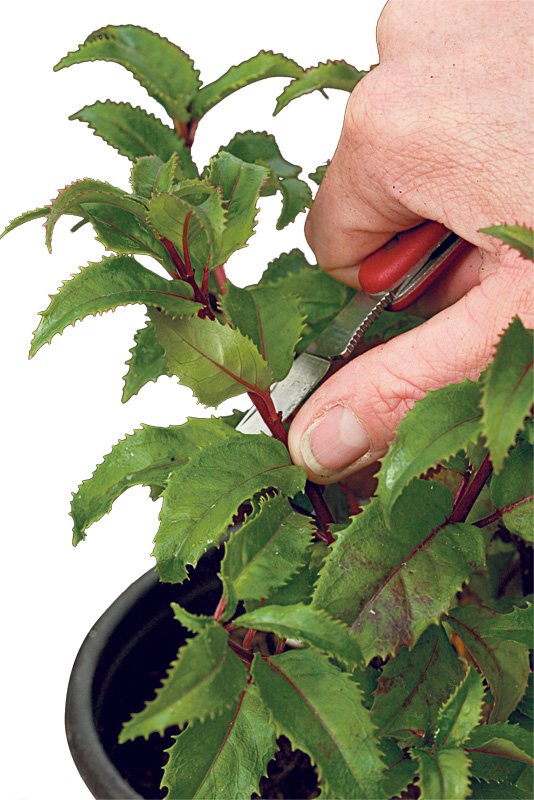
Move tender plants, including aquatic ones, into the greenhouse or other frost-free place. Lift Dahlias and Begonia tubers and Gladiolus corms to store in the dry (removing the dead leaves before storing them). Cannas, Pelargoniums/Geraniums and fuchsias can also be lifted before any proper frost. Trim back soft growth on geraniums and fuchsias, potting them into multi-purpose compost and keeping them barely moist over the winter in a cool frost-free place.
5. Food – strip, store and plant
Strip: Apples, pears, grapes and nuts can all be harvested as can squashes and pumpkins before the first frosts. Finish harvesting beans and peas and once finished cut the plant away at ground level, leaving the roots in the soil as these have nodules on them that have fixed nitrogen from the air and will slowly release this as the roots break down. Any plants with green tomatoes or peppers remaining can be hung upside down indoors to ripen.
Store: Check over any stored onions, garlic and potatoes and remove any rotten ones immediately. Try to improve air flow around your stored veg to prevent rot e.g use onion bags or hessian sacks.
Plant: spring cabbages, garlic bulbs and onion sets. Reuse old grow bags by cutting off the top and sowing late salad crops – cropping can be extended into winter if grown under glass or a cloche. Autumn is an ideal time to plant bare root fruit trees – alternatively order fruit trees now in preparation for spring planting.
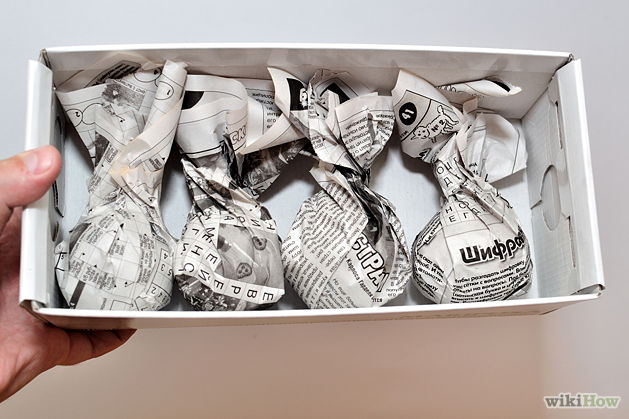
Careful storage of apples will give you a supply well into winter
6. Sourcing seeds
Collect seed heads from perennials, alpines, trees and shrubs. Order seeds for next year.
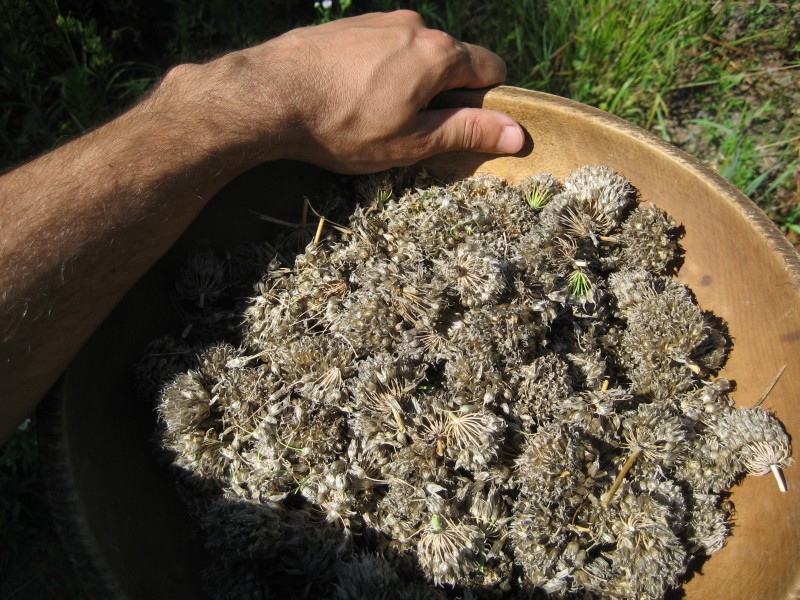
Save money by saving seed
7. Spring loaded
Plant spring bedding such as wallflowers, Bellis, Primulas and winter pansies. Now is the ideal time to plant Clematis. Finish planting spring bulbs such as Narcissi and Crocuses – Tulips can wait until November.

Finish off planting Narcissus and Crocus bulbs
8 Grassy act
Finish off essential lawn maintenance to avoid water logging and compaction over winter (see September tips for more detail). Fresh turf can still be laid now – Autumn rains (assuming we have some) should ensure the turf settles in.
9. Odds and …..
Remove netting from fruit cages to allow birds to feed on any pests and invest in bird baths and bird feeders if you don’t have them – the birds you support will help you keep pest numbers down. If you haven’t already done so, turf out the last of the tomatoes, cucumbers etc. from the Greenhouse and clean and disinfect it. This will allow more light in and prevent pests and diseases over-wintering. Set up your greenhouse heater if you have one in case of early frosts. Empty and if possible clean out water butts and let the autumn rains refill them. Maybe install a new water butt ready for next year? Check tree ties and loosen if they are too tight around growing stems – and add stakes and support for young trees and shrubs to avoid them being ‘wind rocked’ during the winter.

Check and install tree ties and support for young trees and shrubs
10. …Sods
Prepare your soil for next year – start digging in leaf mould, compost, manure and as much organic matter as you can lay your hands on to replace the goodness in it, though if your soil is on the sandy side, like mine, richer material like compost and manure is probably best left until the Spring when it’s nutrients are needed and they will not have leached away in the winter wet. However, if your soil is heavy, then pile it in now! It can be left in a pretty rough state over the winter when the elements will break the clods down, making spring planting that much easier.
Old School Gardener
If you’ve enjoyed reading this post and others on this blog, why not comment and join others by signing up for automatic updates via email (see side bar, above right ) or through an RSS feed (see top of page)?



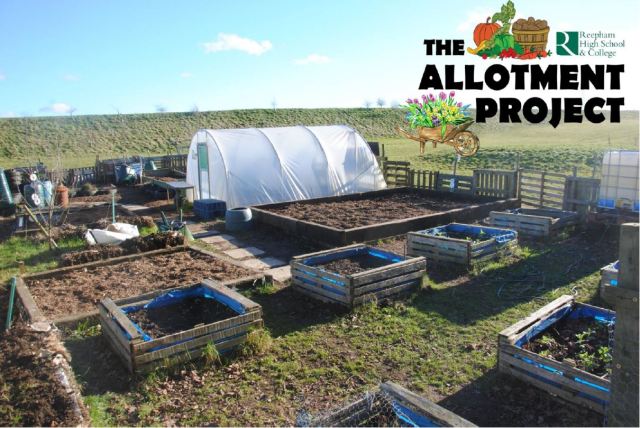 Overview
 Just before the start of the February half-term, and thanks to Whitwell Railway Station, we used more kindly donated railway sleepers to heighten two other small raised beds. Again, this means we will be growing crops well above the water table and we will be able to create our own new fertile soil that it not clay based (the allotment site mainly sits on clay).
 The soak away/rainwater catcher/harvester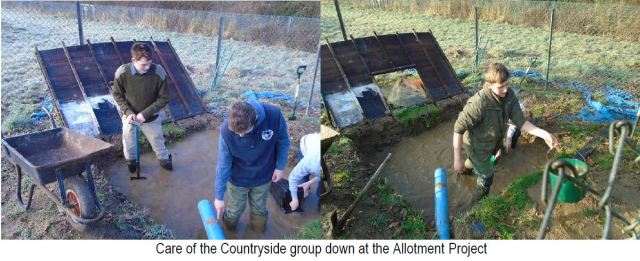


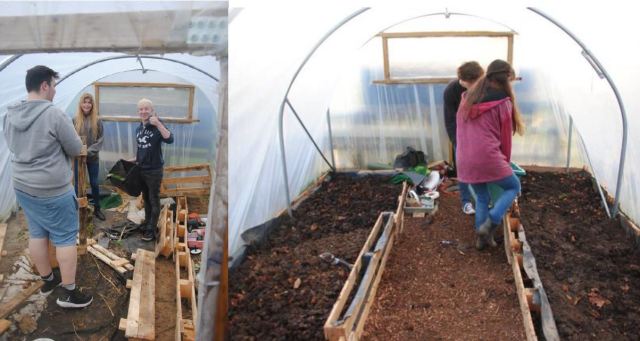 The fruit cage
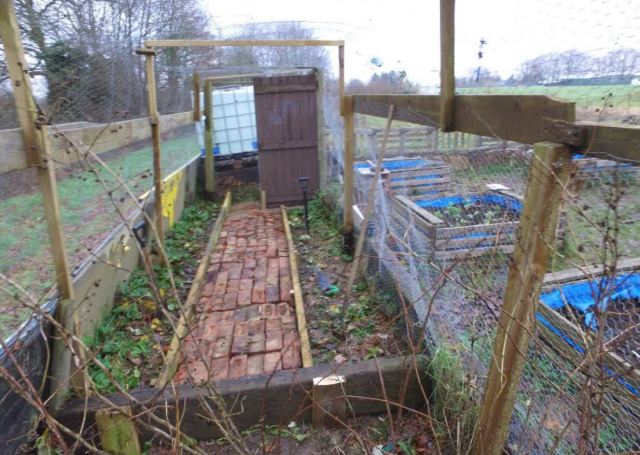 Other pathways
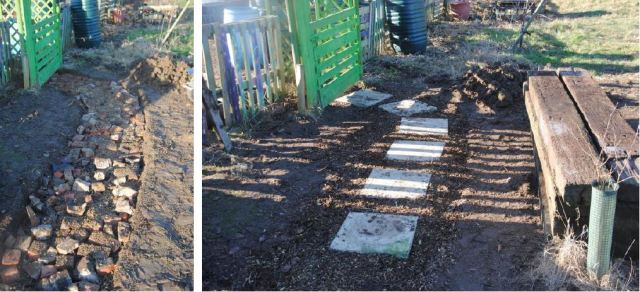 Compost and horse manure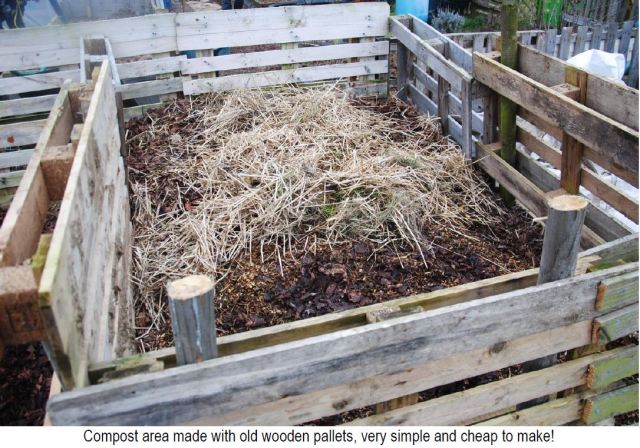
 Chicken coop

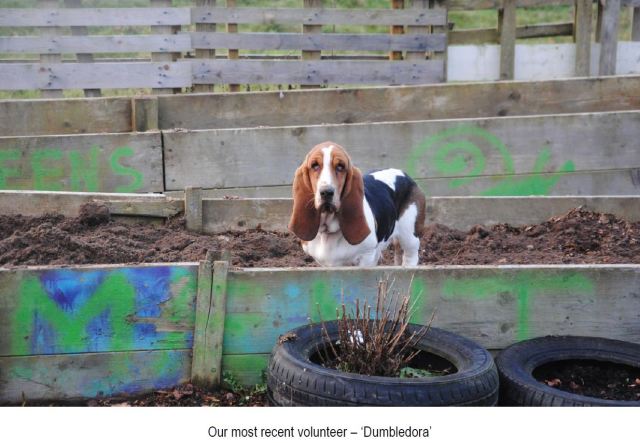 Thank you very much for taking the time to read this update. If you would like to help out one lunchtime for the younger volunteers I would be extremely grateful. I hope that this year, now that we are getting more and more established, there can be a shared responsibility amongst other staff to help run the Allotment Project. One person ‘running the show’ is not sustainable. There will be another seasonal update in the summer.
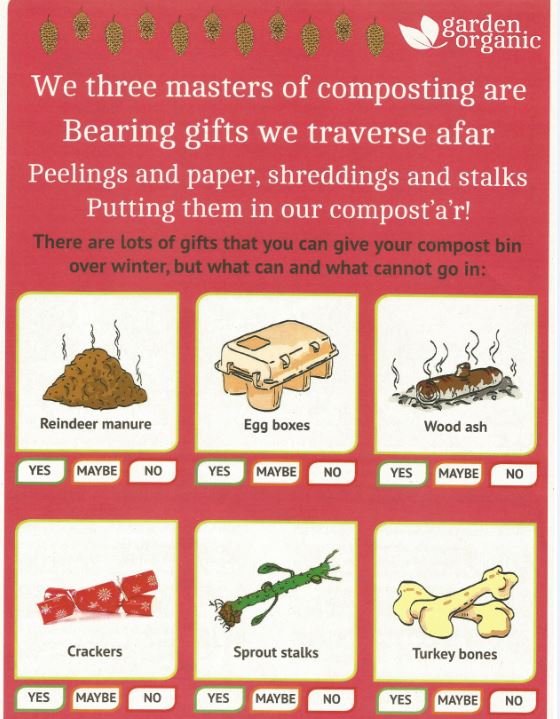



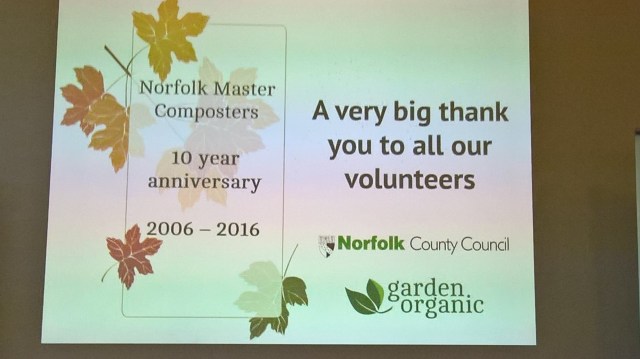 I attended a celebration for the Norfolk Master Composters on Saturday. It’s ten years since the project was established, jointly run by Garden Organic and Norfolk County Council.

 Certificates of hours served were also handed out, including one to longest serving volunteer George Muttby, who joined at the beginning of the project in 2006 and has committed over 300 hours of his time to the cause. He spoke passionately about his work with his local Primary School and how government needs to change legislation to make it easier for schools and other institutions to compost and recycle their waste.
 It was also an opportunity to have a tour of the interesting garden next to the Cathedral (I’ll be doing a separate post about this) and the cathedral itself, including clambering up narrow stairways to walk inside the nave roof, around the high gallery at the crossing point and up to the top of the tower, from where we had a wonderful view across Norwich to the coast and surrounding countryside.


 ‘There is great healing power in digging. This is so much the case that one is tempted to wonder if any actual electrical power comes up to one from the earth. Perhaps the benefit is merely from the rhythmic movements of the body. At any rate, however sulking and rebellious one may be at the start, sesitiveness creeps up the fork into hands and body and legs. Finally the brain surrenders and one is again at peace with the garden.’
 If a plant lacks certain nutrients, it will look unhealthy- with pale of yellowing leaves, stunted growth or withering stems. In general, sick-looking plants are suffering from more than one nutrient deficiency. However, it can be difficult to identify which deficiencies a plant is suffering from, because there are so many different types and symptoms can vary from plant to plant.





 Old School Garden