
It’s been while since I posted pictures of recycling projects for the garden, so here’s a batch, newly culled from the site 1001 pallets.

Christmas Trees

Bench

Vertical planter

Compost bin and tool rack

BBQ

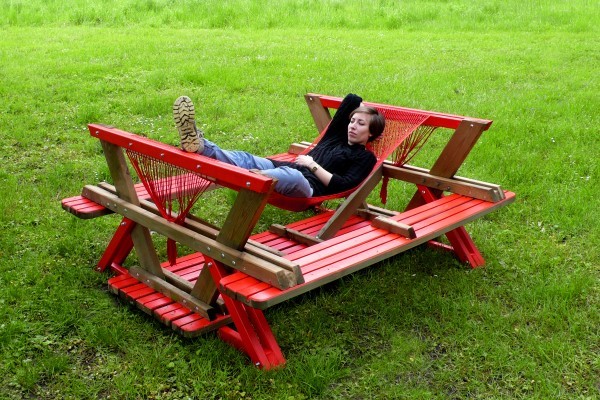
Patio Set

Forest bench

Forest bathroom!

Shed plus!

Planters for succulents

Pallet play ground

Sledge from pallets before…

…and after!!
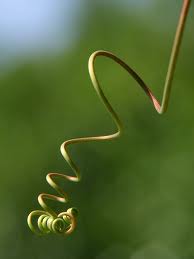 My fifth extract from the book ‘Noah’s Children’ by Sara Stein challenges some notions of what education should be about for young children. She compares the needs of these ‘tinies’ with those of wandering vines…
 I’d love to hear your thoughts on this and the wider issues raised…
 Here’s my fourth extract from the book ‘Noah’s Children’ by Sara Stein. Here she reflects on how we seem to have increasingly excluded children from working alongside adults, and by cossetting or trying to protect them from harm, can delay (prevent?) their passage into adulthood: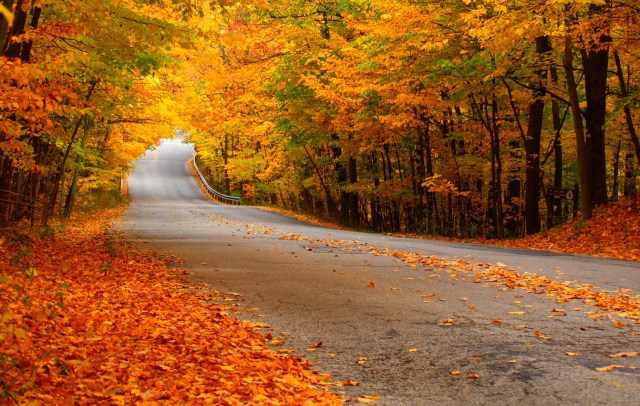
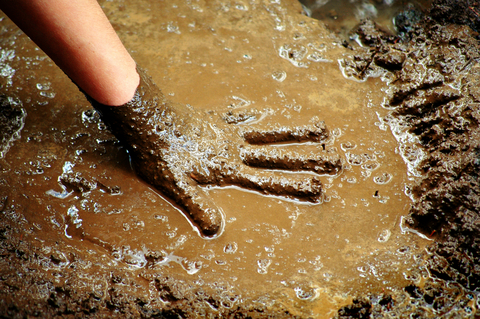 Here’s my third extract from the book ‘Noah’s Children’ by Sara Stein. Here she urges us to create ‘wild’ places for children to explore and enjoy in their own backyards…
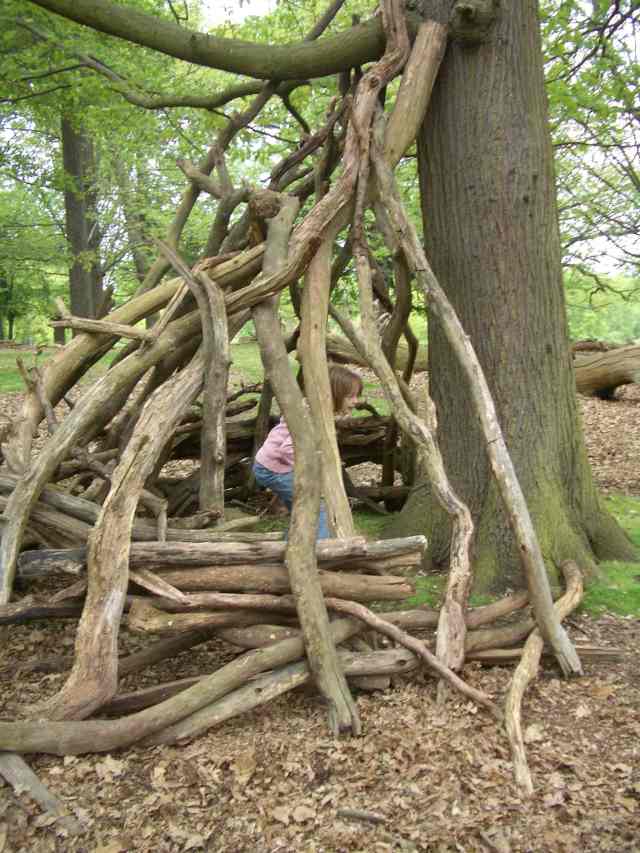 Old School Gardener
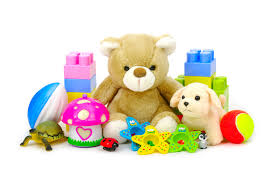 Here’s my second extract from the book ‘Noah’s Children’ by Sara Stein. Here she observes how American (probably western) culture has increasingly divorced children from directly finding things they need or are interested in; things that children used to find outside in the natural world:
 I’ve recently read the book ‘Noah’s Children’ by Sara Stein. You’ll possibly know from my previous posts about children’s play that I’m interested in how we can improve the opportunities for a more ‘natural’ outdoor play experience in our increasingly urbanised, consumerised and technology- dominated world.






 Old School Garden