Category: Gardening techniques


PicPost: Garden Wrap

Disguise your ugly garden structures with vertical planting!

Bob Flowerdew- Compost King

Bob Flowerdew- Compost King

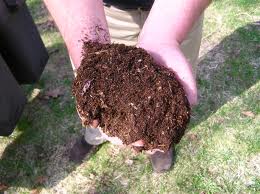
Think of compost as a must have rather than a waste product. This was the key message in organic grower and gardening celebrity, Bob Flowerdew’s talk to Norfolk Master Composters last night.

In a lively session peppered with amusing anecdotes and startling ‘factoids’, Bob enthused the audience with his knowledge of how plants respond to home-made compost and all the other DIY concoctions he uses in his own garden in South Norfolk. Including improving the flavour of home grown food, he said.

He isn’t one for feeding his open ground plants with anything much more than his home made compost, but swears by a combination of ‘teas’ to keep his container grown specimens in top condition – diluted liquid feeds of Comfrey, Borage, Stinging Nettles and compost all feature in a cycle of feeding during the growing season. And he reckons that apart from benefitting the overall strength and productivity of his pot plantings, they help to prevent diseases and pests by coating the leaves.

How compost tea as a plant feed makes a difference - Basil seedlings
How compost tea as a plant feed makes a difference – Basil seedlings

Bob’s basic thesis is that all plants expect compost- left to nature animal droppings and decaying organic material would provide them with all that they need to survive (along with sun, water and CO2 of course). By making our own compost and adding this to the ‘designed’ planting that is a garden, we are mimicking nature. And apart from the nutrients this rich mix can give, it also contains millions of micro organisms that are constantly in search of food and will themselves help to keep bacterial and fungal infections down- naturally.

Lovely stuff- and it makes such a difference to plant strength, health and productivity

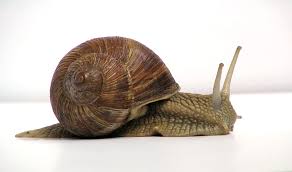
And encouraging wildlife into our gardens not only for the role many can play in removing harmful pests, but in the droppings they leave on the ground (and maybe less usefully, our cars) is also a way of boosting the natural ingredients that plants need to thrive as well as survive. He is also a big fan of snails (but not slugs). Grazing in the main on algae, these critters get an overly negative press, he reckons. Their droppings are another fantastic addition to soils (like worm casts), and maybe we should even ‘farm’ them in a mini ‘Snailcatraz’ just to provide this material!

Bob also estimates that a Blue Tit can deposit 6lbs of droppings in a season- just one of his mind-boggling figures.

Snail Farming?
Snail Farming?

He is a great advocate of putting pretty much anything organic into his own compost heap (which he visits and cossets every day)- old clothing (cotton,wool and other natural fibres only of course), citrus peel (despite recommendations from some authorities to keep this out), wood and even ferrous metals- all will rot down in time he says, and add a wealth of nutrients back to your soil.

His zeal for the home-made stuff is matched by his dislike of pretty much any commercially manufactured composts. Most seed composts are not much good he says and likewise potting composts lack the oomph that can be had from your own material. And some commercial composts that use municipal – processed organic waste should be carefully inspected, he says, as he’s worried about what can get through the filtering processes. He cites an example of a lump of concrete in a bag he’d bought and is worried about small batteries that might leak mercury. Based on trials of his own versus the commercial compost rivals, his own seems to win every time.

I was particularly struck by his tip about how he sows and grows in pots using a layering of his own compost in the bottom 75% of a pot, topping off with a seed compost, in which he sows his seed- the plant, once germinated, is then able to seek out the richer mix of nutrients lower down. Commercial seed composts are generally low in nutrients as if they were richer this might prevent the germination of smaller seeds. Home-made (but sieved) compost can be used to sow and grow the larger, more robust seeds like melons, cucumbers and so on.

Bob is a self-confessed ‘compostaholic’, seeking out anything that can be added to his heap.

Along with human and animal hair and fur- and the contents of the vacuum cleaner bag – he sings the praises of bird feathers as a powerful source of nitrogen and therefore a wonderful activator in a compost heap (along with his own urine of course). And after several experiments he’s found that it’s OK to add bones to the heap as these too will rot down- but only if they’re ‘green’ and not cooked. The latter tend to splinter and will not easily rot down.

He also now looks on weeding as an exercise in gathering compost material – certainly a positive spin to what many see as an onerous task!

Pretty much any food scraps can be added to a compost heap

Again, perhaps controversially, he says putting food scraps, including meat and fish, on the heap is OK. These are often advised against because of the risk of attracting rats.

‘It’s likely that there is a rat somewhere within 15 feet of where we are sitting now’

he said last night, indicating that they are already around in the nooks and crannies of buildings as well as in the open. So, we don’t need to attract them , he says, as they are already there! But he does urge putting out poisoned bait alongside compost heaps that contain such material as a precaution.

The meeting also heard from David Hawkyard, County Coordinator of Master Composter, about the continued funding of the Norfolk Master Composter scheme for at least another year and plans to raise its profile to encourage more Norfolk households to compost at home. A wonderful ‘Compost Bin’ Cake – complete with very realistic apple cores and smiling worms – rounded off an enjoyable and thought- provoking evening.

NOTE TO SELF- get out and turn the compost heap!

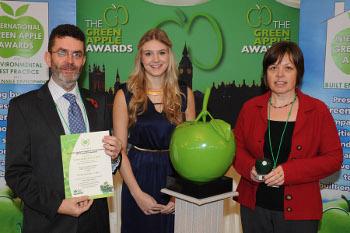
Norfolk Master Composters won a Green Apple Award

Useful links:

Norfolk Master Composter Facebook Page

Garden Organic composting advice

Old School Gardener

An early show from Euphorbia characias in Old School Garden

To Walter Degrasse – 27th February 2014

Dear Walter,

Mild weather has continued here and so I’ve taken the opportunity to start lightly turning over the soil, cutting back dead stems on herbaceous perennials and grasses and recently pruned back some shrubs such as Cornus and Buddleja to channel the new growth that’s starting to emerge.

In the last couple of weeks, the basal growths of new leaves around many plants have started to push upwards and the pattern of planting in the mixed borders is slowly taking shape – a very satisfying sight too.

I was surprised at how easily my kitchen garden soil responded to a light forking over, which included turning in some green manures and removal of a few weeds. With all the rain we’ve had I was expecting it to be rather claggy, but then again my sandy loam is always a joy to work with, so I should have known better. It’s also been perfect weather for dividing and moving some herbaceous perennials I didn’t get around to doing last year.

Having repaired the little storm damage we’ve had (a few bent hinges on one of the garage doors and a fence post needing to be replaced), I’ve also finally taken apart my wooden planters built about 7 years ago, but unfortunately not with pressure treated timber, so that all the money and effort has not lasted as long as I’d hoped. Still, I’ve been pleasantly surprised at an offer from a Scottish Raised bed manufacturer (‘Woodblockx’).

They’ve kindly donated me a new planter  and I’m finalising my plans about where best to use this, possibly as a feature in the courtyard with alpines  or maybe somewhere in the kitchen garden for food growing. The system they use looks both very strong and relatively easy to build, but I’ll do a review on the blog as I get to grips with the build in the next few weeks.

Having completed all the pruning and clearing of spent stems and foliage, I’ll also be turning my attention to further spring soil turning in the next few weeks. My first batches of seeds have germinated pretty well and I’ll be potting up some french marigolds and moving on some early food crops (Calabrese, Cauliflower and Leeks). To date the new bed of asparagus I planted last  autumn doesn’t appear to have made any growth above ground, but it’s still bit early for that, perhaps.

Next door the garlic bulbs and most of the broad beans I sowed last autumn are now doing well, as are the patches of onion sets (Red and white) and some Red cabbage and spinach. Mole activity seems to have subsided a little of late – hopefully it will tail off further as I get to give the lawn its first cut – and new grass will come up where the mole hills once lay.

Further afield, I’ve continued my new support at Fakenham Academy (a local high School), helping three groups of students prepare a food growing plot each in their school garden; in fact three plots of 12m x 6m, all of which have either been covered with weeds or grass.

Getting these ready for sowing is proving to be a tough job, the weather requiring us to turn over the clumps of grass/weeds and soil to allow for some drying out, so that we can remove most of the soil before piling up the weeds and turves in separate heaps for rotting down. Still, it does look like we’re making progress.

However, I discovered the other day that due to there being some asbestos in the better of two greenhouses  there, we will have to wait longer for a propagation space. This is unfortunate as I’d hoped to have broken up the hard physical toil with some lighter seed sowing activity especially as I have now bought the seeds and seed potatoes in line with the crops the students say that they want to grow. It’s fun working with these students, though not surprisingly they can get tired and bored of digging and so behaviour standards can sometimes drop!

Yesterday I returned to Gressenhall Farm and Workhouse Museum (where I volunteer) and was pleased to commence a tidy up of the gardens I’m responsible for. It was also encouraging to meet two new volunteers, Jonathan and Mike, as well as two new Heritage Gardening trainees, Sam and Sonny.

This new injection of person power will make it a lot easier to keep on top of the maintenance of the gardens and may even allow us some scope for further improvement projects.

It was a lovely day too, which makes garden tidying a real joy! The museum opens to the public again on 9th March, so next week no doubt we’ll all be trying to get the gardens looking presentable. The tubs of pansies and spring bulbs I planted in the autumn are looking good and along with other spring interest should give the gardens a splash of early colour- the pinky blushed Hellebores in the Education Garden are looking good for example.

I’m just back from a morning at my local primary school (first visit since early winter) to help with their ‘outdoor learning’, focusing on the garden. The morning began rather wet but we managed to spend a couple of hours with two groups of children turning over soil and weeding as well as moving a pile of wood chips around the fire pit- these had come from a fallen hawthorn tree that toppled over in the main drive during the recent storms. Some of the children also worked out how many potatioes they’d need for one of the raised beds and I took in a few fruit boxes with moulded paper liners to help with ‘chitting’.

The children seemed to have a great time and were especially interested in the warmth that had built up in the pile of wood chippings – a great opportunity to explain the rudiments of composting!

I’m also pleased that we have some extra help in the garden, in the form of Ann, one of the students on the GYO course I did last autumn and a parent of one of the children at the school. And our current house guest, Lisa, also helped out with groups spotting the ‘first signs of spring’. Lisa is staying with us for a few months to experience British school life and brush up her English before commencing her own university career with a view to teaching. She’s from Muenster in Germany – and we are also eagerly anticipating the arrival of her mother, Anne tomorrow for a weekend stay.

Seems like this is the time for important germans to visit the UK, as their Chancellor, Angela Merkel is in London today, addressing the Houses of Parliament and taking tea with the Queen!

The Garden Design course that I’m running at Reepham seems to be progressing well, with 9 enthusiastic participants. They have all pretty much surveyed and drawn up a scale base plan of their gardens and are now exploring functional and form layouts as well as developing sketch designs incorporating ideas for creating structure in their designs. Next week we turn our attention to planting design as the ‘fourth dimension’ (seasonal variations) adding to the 2D and 3D views of the garden we’ve covered to date.

Tonight I’m off to County Hall in Norwich to attend an event for the Norfolk Master Composters, featuring a talk by well known Norfolk organic gardener, Bob Flowerdew – and there’s a buffet too!

I hope you and Lise are well and getting stuck into your plot once more – remember to take it easy and limber up before you do anything strenuous – you don’t want that back problem again!

all the best,

Old School Gardener

gressenhallfw's avatarGressenhall Farm and Workhouse

As part of my traineeship, I have been asked to organise our Mother’s Day event on the 30th March. The event will have a floral theme which will include a botanical art exhibition, children craft activities based around flowers and a florist who will be making small posies with the children but also promoting the flower arranging short course for adults taking place at Gressenhall in the spring.
As part of my research I have been looking into the Victorian “language of flowers” and what different flowers mean. In the Victorian times specific floral arrangements were used to send coded messages to the recipient, allowing the sender to express feelings which could not be spoken out loud in Victorian society. Though often portrayed to relay positive messages of interest, affection, and love, flowers could also send a negative message and at times, the same flower could have opposite meanings depending…

View original post 418 more words

Brigid Jackson's avatararistonorganic

OLYMPUS DIGITAL CAMERA

Propagation is the term used to describe the process of plant reproduction. There are two categories of propagation, i.e. seminal and vegetative. Seminal propagation results from sowing seeds. Plants grown from seed are entirely unique and may differ from each other and from the parent plant. Vegetative propagation embraces all other techniques of reproduction such as cutting, grafting and layering and plants propagated in this manner are identical to their parents i.e. they are clones.

Cuttings

The terms softwood, semi-ripe and hardwood are to plant life the equivalent to the stages of infant, teenager and adult life in humans.

Softwood – is taken very early in the growing season, before there is any sign of hardening of the new shoots. They are green, both at the tip and base.

Semi-ripe – is taken at the end of the growing season when the tip of the stem is soft and…

View original post 613 more words

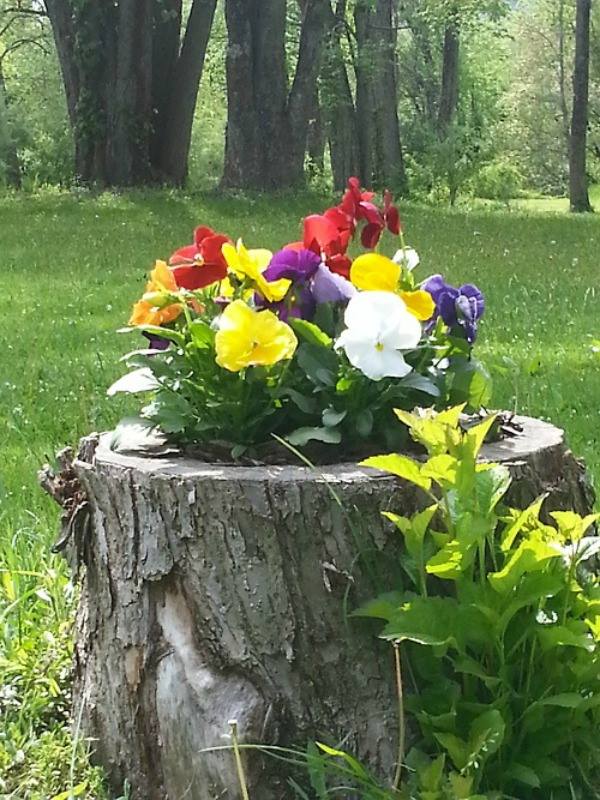
PicPost: Stumped

A lovely idea for using old tree stumps- I tried hollowing out a couple of Oaks that were felled next to our boundary wall last year, but had to give up through lack of drilling/cutting power- oak is VERY hard stuff! Still, I’ll have another go this season- hopefully the various holes I left will have encouraged the wood to rot down. Watch this space….
Old School Gardener

What's Wrong with my Plant?- nutrient deficiencies at a glance

I came across a few pictures of unusual, but stylish planters most of which involve recycling – hope you enjoy them!

Old School Gardener

How to Build a Propagation Bench

How to build a propagation bench

Instructions on how to create your own solar – heated bench for propagating seeds and cuttings and looking after seedlings.

Old School Gardener

Specifier Review's avatarArchitecture, Design & Innovation

Mobilane, the leading supplier of living wall systems and green screens has launched an irrigation-free living wall which is an upgraded version of its popular Live Panel that requires minimal maintenance.

???????????????????????????????????????

Live Panel 2 is suitable to cover large external walls or interior spaces and is based on exactly the same principle as Live Picture – a product it launched in 2013, which is a framed arrangement of plants designed for small indoor spaces.   The Live Panel 2 system uses a tank watering system which is refilled usually no more than once per week, depending on the size of the wall.  It is much quicker to install and costs less to maintain making Live Panel 2 being one of the most cost effective living walls on the market.

“Interest in our irrigation free wall has already begun” said Sean Farrell Director of Mobilane “The fact that we have a…

View original post 176 more words

Finding Nature

Nature Connectedness Research Blog by Prof. Miles Richardson

Norfolk Green Care Network

Connecting People with Nature

Discover WordPress

A daily selection of the best content published on WordPress, collected for you by humans who love to read.

Susan Rushton

Celebrating gardens, photography and a creative life

Unlocking Landscapes

Writing, photography and more by Daniel Greenwood

Alphabet Ravine

Lydia Rae Bush Poetry

TIME GENTS

Australian Pub Project, Established 2013

Vanha Talo Suomi

The Journey from Finnish Rintamamiestalo to Arboretum & Gardens

Marigolds and Gin

Because even in chaos, there’s always gin and a good story …

Bits & Tidbits

RANDOM BITS & MORE TIDBITS

Rambling in the Garden

.....and nurturing my soul

The Interpretation Game

Cultural Heritage and the Digital Economy

pbmGarden

Sense of place, purpose, rejuvenation and joy

SISSINGHURST GARDEN

Notes from the Gardeners...

Deep Green Permaculture

Connecting People to Nature, Empowering People to Live Sustainably

BloominBootiful

A girl and her garden :)