Tag Archive: pond


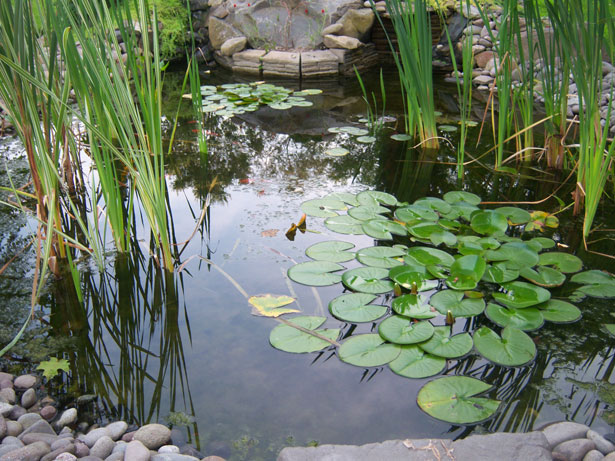
Frog_in_pond_among_aquatic_plants Today’s question comes from a gardener in North Yorkshire. Ernie Uplad of Richmond has just created a new garden pond in an open, sunny spot away from trees and wants some advice about planting:

‘I’m pleased with my new pond but need some help with deciding when to plant it up, the mix of plants to use and how to go about this- can you help, please?’

When to plant?

Well Ernie, you seem to have made a great start with the choice of a good location for your pond. As for planting  now (early spring to mid June) is the perfect time, as the weather is warming up. If you plant to put in some fish (I wouldn’t myself as they tend to eat much of the other wildlife that will inhabit your pond), then it’s important to plant up before you install them as they might go hungry unless you take the trouble to feed them yourself.

What to plant?

Some plants are essential for a pond (whether it’s for ornamental or wildlife value) – oxygenators. These are plants which live almost entirely underwater  and help to maintain an adequate level of oxygen for the other plants, fish and other animal life. They also help to reduce the level of algae, as do water lilies. The oxygenators include Canadian pondweed (Elodea canandensis), which is vigourous; Egeria densa (less vigourous); water Milfoil (Myriophyllum spicatum), with its delightful feathery foliage; and M. verticillatum, also with feathery foliage, and which also likes limy water.There are also plants you should avoid at all costs- the so called space invaders! Here’s a useful guide to these. 

You migth also like to consider ‘marginals’ – these are grown on the inside edge of the pond- here’s a guide to marginal plants. And, don’t forget plants that grow in permanently damp soil- in a bog garden you may have created next door to your pond. Here’s another useful guide to plants for a bog garden.

For planting actually in the pond here is a selection of plants to add height (they all grow up to around 45 cms (18ins) high) and will add other interest:

Water hawthorn (Aponogeton distachyus), with white flowers with dark spots throughout the year

Acorus gramineus ‘Variegatus’, for foliage colour in green and gold

Bog Arum (Calla palustris) with white flowers in summer

Calla palustris ‘Plena’ with double yellow flowers in March- April

Cotula coronopifolia with yellow ‘buttons’ in  July- August

Hydrocharis morsus-ranae, with white-flowered floaters all summer

Mimulus moschatus and M. ‘Whitecroft Scarlet’ with yellow and red flowers, respectively,  all summer

Golden Club (Orontium aticum) with yellow club flowers in May- June

All medium-sized lilies (Nymphaea) in red, white, pink and yellow shades throughout the summer.

How to plant?

Well, let’s take water lilies first.The crowns (rhizomes or tubers) should be planted in a medium to heavy loam with the crown tips exposed and upright- they must not be buried. all other container plants can be planted in the same type of soil and to the same depth as they were at the nursery or when you propagated them, but avoid over rich soils; you can buy special aquatic compost if you like, but by avoiding rich soils  you will minimise problems with algae and weed through raising the nutrient levels in the water. The oxygenators will need to be weighted if this has not already been done by the nursery. Clumps of 6-12 small pieces should be put on the floor of the pool and held in a group by a lead weight. This will keep them from floating to the surface. Natural floaters like Hydrocharis morsus-ranae are simply put on the surface.

How to propagate?

You might in due course want to propagate your own plants and for most water plants this is very simple. you just divide them in the spring after lifting out the containers any plants you  require. Division is achieved by driving in either two handforks (or two larger forks for larger plants) back to back, then pushing the forks apart to prise away the outermost plants in the clump. Do not use the centre crowns; these are the oldest parts of the plant and should be disposed of.

A pond is a fantastic resource for wildlife

Further information: RHS guide to aqauatic planting

Old School Gardener


nWh
A pond is a fantastic resource for wildlife

A pond is a fantastic resource for wildlife

Most gardens play an important part in promoting biodiversity and maintaining ecosystems – vital if we are to have a sustainable planet. You might want to further enhance your garden’s ecological value, or perhaps promote wildlife to help pollinate plants (important if you want to gather your own seed and/or are growing your own food) and to help control unwanted pests.

Promoting wildlife is also a way or enriching the garden experience – just think about birdsong, the buzzing and gentle flitting of bees from flower to flower, the colourful displays of butterflies and the fascinating movements of the myriad insects and other ‘critters’ out there! So how can you ‘design’ wildlife into your garden and gardening activities?

Plant nectar- rich flowers to attract pollinators

Plant nectar- rich flowers to attract pollinators

First it’s important to recognise that you and your friends and family are also going to use the garden, so there’s no need to ‘go completely wild’ and make it unpleasant or difficult for humans to use the garden. In fact the best designed and managed gardens (and often the most beautiful) can also be the best for wildlife. These are the places where nature has not been allowed to take over.

You can ‘tip the balance in favour of wildlife’ in a number of ways. If you have a large garden you can adopt a ‘conservation’ approach and set out separate areas to attract and support different types of wildlife. If your garden is smaller, you can provide a range of features for the wildlife species you want to encourage. This approach is especially important if you want to actively harness nature to control pests.

Bird feeders need to be out of the reach of cats!

Bird feeders need to be out of the reach of cats!

So what can you do?

  • Create habitats that mimic those in nature and complement the local range outside the garden

  • Provide natural shelter, nesting, food and drink –  important as ‘stopping off’ points for temporary visitors to your garden as well as for longer term residents

  • Aim to increase diversity- and recognise that this is going to be a gradual process

  • Build in some key features, such as…..

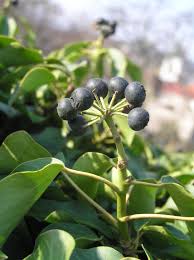
Climbign planst like Ivy provide a valuable food source for wildlife

Climbing plants like Ivy provide a valuable food source for wildlife

  1. Native plants- these act as a host to many more species than non native plants

  2. Wildflowers, grasses, weeds- these attract butterflies and many other insects. Nettles are important hosts for species that aid a healthy garden; butterflies and ladybirds. Maybe you can grow these in a container if you don’t have the space to leave patch in the garden?

  3. Nectar and pollen rich flowering plants- these  feed butterflies, bees, hoverflies etc.- which in turn attract birds

  4. Trees, flowering and fruiting shrubs- these provide food and shelter for birds

  5. Climbing plants- they provide food and cover for birds and food for insects and butterflies. Examples include Ivy, honeysuckle, quince, wisteria, clematis..

  6. Hedges- these give food and shelter for wildlife (e.g hedgehogs, voles and shrews), food and nesting for birds- where it’s practical choose to install a hedge rather than a fence

  7. Water- a pond brings masses of creatures to drink as well as attracting resident pond life

  8. Wood piles – insects colonise the decaying wood, attracting spiders and birds; beetles lay grubs; toads and hedgehogs hibernate underneath; slow worms use it as home (and these prey on slugs)

  9. Compost heap – provides both food for the soil and home for minute insects and other ‘mini beasts’ which feed birds, hedgehogs, toads. It also acts as a possible nesting place for hedgehogs, toads and slow worms.

  10. Bird and Bat boxes, tables, feeders and baths- put these up in secluded and sheltered spots out of full sun – and out of the reach of cats! Birds need extra food in winter. provide a range of foods according to the species you want to attract. Birds need to drink and bathe to keep their plumage in good order- even in winter, so keep birdbaths unfrozen

  11. Stones and walls- toads, newts and female frogs usually spend winter on land, under rockery stones (or in a log pile). Beetles, spiders, insects live in nooks and crannies

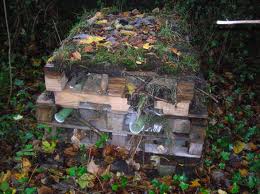
  12. Bug hotels’ can provide a ‘man made’ substitute for the above, and are good fun to make with children.

'Bug Hotels' can provide a 'Des Res' for many insects and other critters

‘Bug Hotels’ can provide a ‘Des Res’ for many insects and other critters

Further information: A range of useful wildlife gardening guides

Old School Gardener

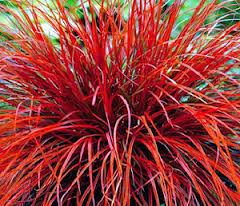
Uncinia rubra 'Firedance'

Uncinia rubra ‘Firedance’

Uncinia is a showy addition to any border or garden with its shiny red-bronze foliage.

Uncinia is a genus of about 35-45 species of tufted,evergreen perennials, known as hook-sedges (or hook grasses or bastard grasses in New Zealand. The plants develop hooks, which are used to attach it’s fruit to passing animals, especially birds. The name derives from the latin word uncinus, which means a hook or barb. Uncinia is a “satellite genus” of the very large genus Carex.  Most species are found in Australia, New Zealand and South America.

Uncinia flower
Uncinia flower

Some species are rhizomatous and most are native to damp, tussocky grassland, moist woodland or swamps. Grown for their colourful leaves, Uncinia are suitable for the front of borders, or gravel plantings. Though they are frost hardy to about -10 degrees C for short periods, longer term exposure to frost is best avoided for some species and so these should be grown in cool greenhouses. They prefer moderately fertile, humus-rich, moist but well-drained soil in full sun or light dappled shade. They are not troubled by any pests or diseases.

The most common Uncinia used in gardens are U. rubra (around 30 cms high, with greenish red to rich reddish brown stems and foliage and with dark brown to black flowers) and U. uncinata (25cms tall and with pale brown to red-brown leaves and dark brown flowers). Both bear flowers in mid to late summer. Foliage colour is best in late spring.

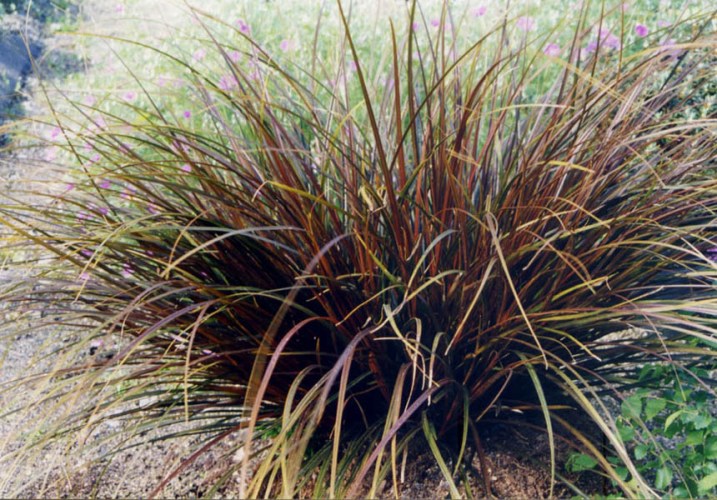
Uncinia ucinata 'Red'
Uncinia uncinata ‘Red’

The plants gradually form dense clumps of short, arching, grassy, evergreen foliage.  Slow growing, Uncinia look at their best in groups as leafy ground cover at the front of a sunny border. They can be combined with other perennial grasses that enjoy similar conditions; e.g.

  • Carex oshimensis ‘Evergold’

  • Phormium ‘Alison Blackman’

  • Ophiopogon planiscapus.

It will do well in soggy areas and around water features and ponds. U. rubra ‘Firedance’ will add a highlight to the rock garden as well as the mixed border, and it also looks great in containers. It’s advisable to avoid planting them next to vigorous plants that would smother them, as they need lots of sun to do well. Comb or rake off any old, tired or dead leaves and flowers in spring. If necessary they can be cut back (by up to half) at almost any time from April to July, but should not be cut back in autumn or winter.

Uncinia uncinata
Uncinia uncinata

You can raise Uncinia seeds in a cold frame for protection and hardiness. Seeds can be started in the late winter or early spring and should be sown in good quality, well-draining seed compost, pressing the seeds into the soil. Lower temperatures of less than 41°F are very effective. Constant moisture must be maintained and trays should not be left in direct sunlight. Once seedlings are large enough to handle, move them into a pot to grow on. Transplanting can be done in spring or summer after all frost danger has passed.

Old School Gardener

PicPost: Imagine

Old School Gardener

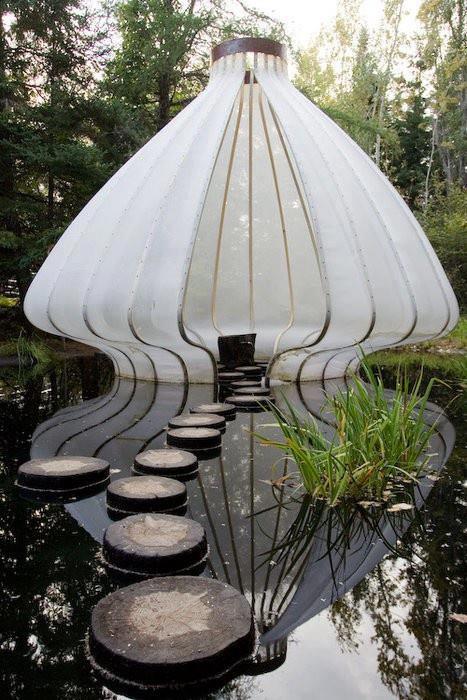
PicPost: Boating, but not as we know it Jim...

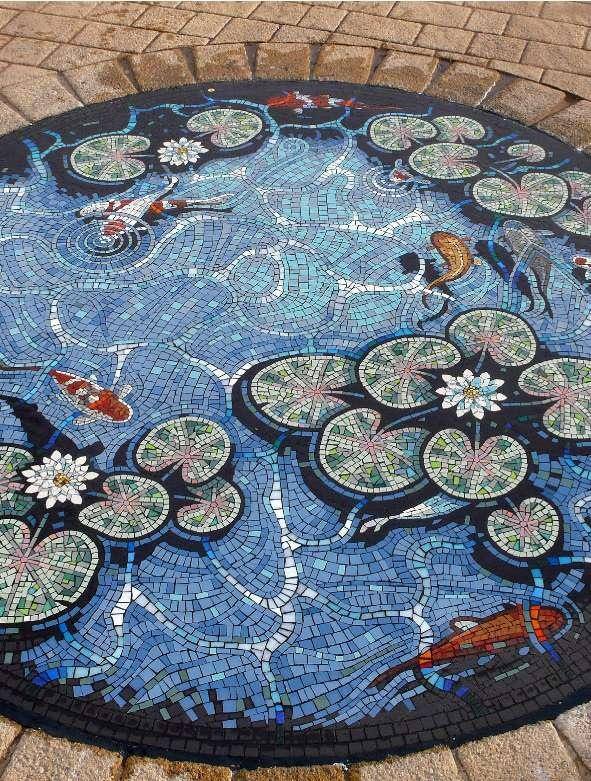
PicPost: Mosaic

The Kitchen Garden at Old School Garden

The Kitchen Garden at Old School Garden

To Walter Degrasse

Dear Walter,

As I write to you on midsummer day it’s cloudy and rain threatens. We have had some warm spells and even some sunshine, but you get the feeling that ‘proper summer’ has yet to find its way to Norfolk. I know that you’ve had pretty similar weather in your neck of the woods and no doubt you’re as curious as me as to the way the ‘late’ (read almost non-existent) spring has had an impact on the plants. A few pointers from Old School Garden as I write:

  • the Magnolia is still in flower as are the Siberian Wallflowers, Pansies and Violas
  • Sweet Williams are just about coming into flower but the pink Peonies, though with huge fat flower buds, have yet to fully unfurl (having said that the earlier, red varieties have been and gone)
  • Irises are looking good (though last year’s Iris Rust problem has retuned to some)
  • Carrots and Broad beans probably need a further week or two to be fully ready for harvesting
  • Second early (but not first early) potatoes are flowering
  • Lettuces are ready to crop

So it’s a story of some things flowering late and running into other things which is making for some interesting combinations and a few weeks of intense colour; certainly the best show at this time of year I can remember for some time!

Rather than spend a lot of words telling you about my gardening activities in the last month I thought that I’d let ‘the pictures do the talking’ so I’ve included three photo galleries and will give you a few guiding comments for each. The first one is a few pictures of the Gardens at Gressenhall Farm and Workhouse Museum, where the Education Garden I redesigned and with volunteer support, replanted last year is looking superb. A mass of pink and orange oriental poppies along with Salvia ‘Mainacht’  with the billowing leaves of Macleaya in the background, are putting on a wonderful show, remarked on by many visitors, it appears.

There’s a call for me to provide some information on the plants included in the borders, so I’ll have to dig out my original design and plant lists and put together some sort of illustrated guide. Likewise, after a clean out and weed, the Wildlife Garden, and especially the pond and bog areas, are filling out nicely, though there doesn’t appear to be much wildlife evident to date. Monday is going to be something special here as BBC Radio 4’s ‘Gardeners’ Question Time’ is being recorded at the Museum and I’ll be on hand to help guide the audience and provide some information on the gardens. I’m not sure when this is broadcast but I’ll let you know when I’m sure, though I know that you’re a regular listener like me.

My voluntary work at the local Primary school continues with a regular weekly slot working with groups of children of different ages in the School Garden. You may have seen my recent post on the vertical planters we’ve made out of old wooden pallets – these are looking very colourful alongside the playground and I’m pleased to say that the children are being diligent in their watering duties. I’m going over there later today so will have a quick look to see that they’re holding up – I’m not sure the compost will hold in place especially if it gets at all dry. At yesterday’s session we weeded around the various veg beds and cracked open the first pods of Broad Beans which the children eagerly popped into their mouths – once I’d assured them that they would be deliciously sweet and tender – there came  a predictable ‘hmmm, yummy’ in response!

The other crops are all coming along well, and the attention to regular weeding and watering has really paid off this year, so we should be cropping potatoes, onions, cabbages, calabrese, peas, runner and broad beans, turnips and carrots soon! The other big  job was to empty out the wooden compost bins which have been clogged up with grass, sticks and soil over the years and are in real need of starting over once more. Hopefully, we’ll get this finished off today and we can then get more of a systematic approach to adding food peelings etc. from the kitchen as well as ‘green waste’ from the school lunches. The wormery seems to be going well, and the School Cook is pleased that the refuse collectors are now collecting food waste for composting at a local centre, too.

My other Master Gardener activity is picking up a bit. I’m doing stints at the Norfolk Show next week and also an event in a nearby village where some Lottery cash looks like it’s going to make some new adult education classes possible, including something from me on growing your own food or maybe design, depending on the level of interest. I’m going along to an open day on this to gauge interest and promote both Master Gardener and the idea of the courses, so we’ll see if anything comes of that.

As far as Old School Garden goes, I’ve mentioned the great show we’ve had recently so will let the photographs give you the details! Its been a month of systematic weeding around the different borders, finishing off staking the herbaceous perennials, dead heading and recently planting out the many annuals I’ve een raising from seed to plug gaps etc. I must say I’m pleased with the result, and after visiting a few gardens recently we’ve decided to open ours for charity in mid July. I’ll let you have details in due course, but we hope to make this a lively afternoon with advice from  my friends in the Master Gardener and Master Composter projects and of course plant sales and some delicious tea and cakes!

I hope that you enjoy the picture gallery which shows a few shots of different parts of the garden taken yesterday. As I was walking around I spotted a female blackbird raiding my cold frame and carrying off some poppy seedlings (and compost) in her beak! Having seen her later in the courtyard garden I suspect she’s gathering material for a new nest! We do seem to have had a lot of Blackbirds this year and they seem intent on disturbing the wood chip mulch I put on the long borders in search of food, with the result that sweeping the paths is rapidly becoming a daily chore!

Well,  matey, I hope this little update finds you and your good lady in the best of health. It’s great that you’re now well on the road to recovery and no doubt pleased that you can get outside and dig your patch once more. Did you manage to find any paid garden help? I know that the grass cutting is your biggest nightmare and this is one thing you could do with some help on. Or maybe you might think about turning some of that grass into flowering meadow? I’ve seen some lovely examples of mown paths through long grass recently that must be less maintenance heavy and more wildlife friendly too – worth a thought.

Well, bye for now and I’ll give you a further update next month, though in the mean time I’ll do a post next week about how the recording of ‘GQT’ goes and my experiences at the Norfolk Show.

all the best

Old School Gardener

Other posts in this series:

Dear Walter….letter from Old School Garden, 20th May 2013

Dear Walter….letter from Old School Garden, 18th April May 2013

Dear Walter….letter from Old School Garden, 11th March 2013

Dear Walter… letter from Old School Garden: 15th February 2013

If you’ve enjoyed reading this post and others on this blog, why not comment and join others by signing up for automatic updates via email (see side bar, above right ) or through an RSS feed (see top of page)?

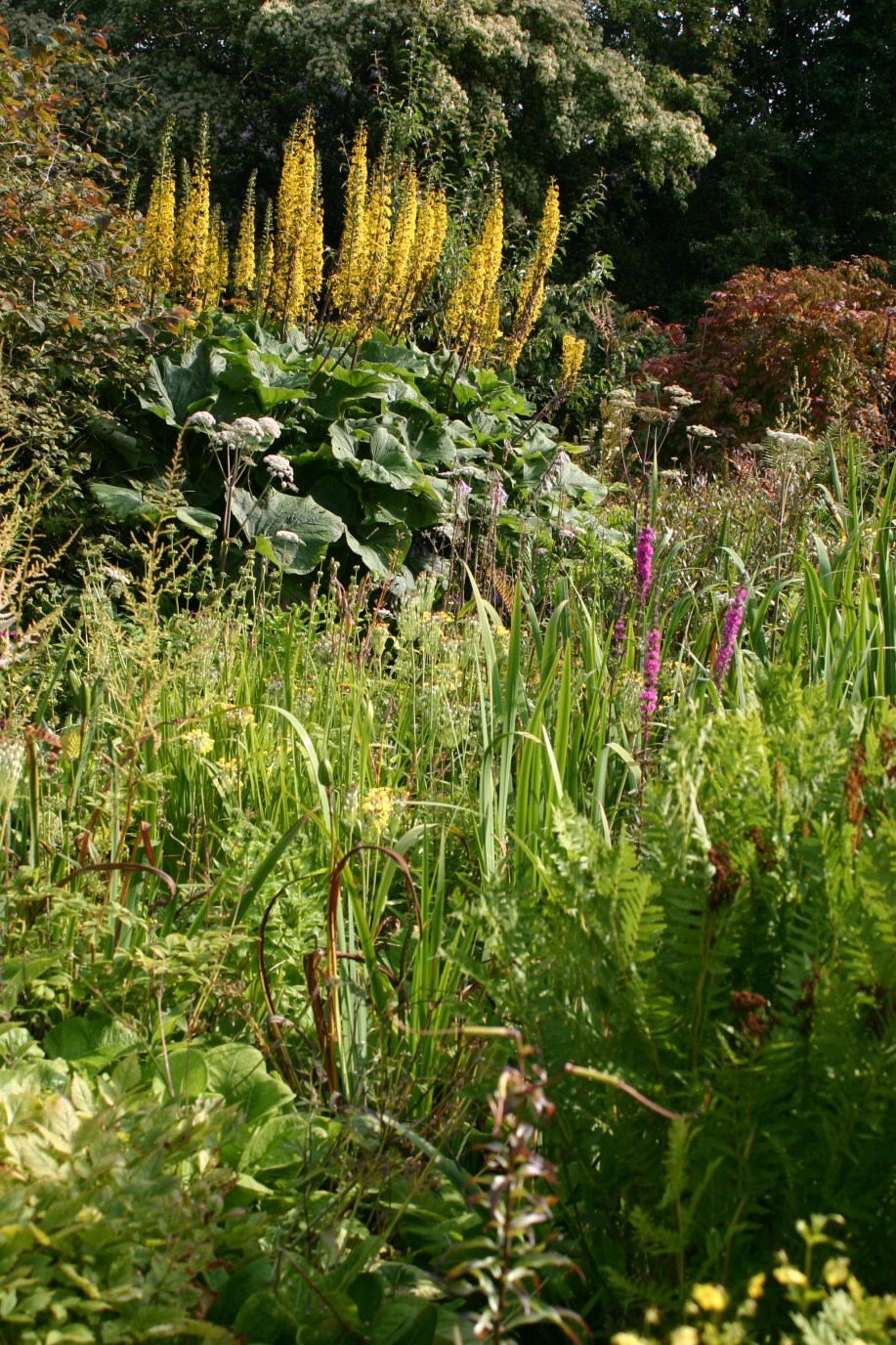
Picpost: Great Garden @ Howick Hall

“The gardens at Howick are deliberately aimed at garden lovers with the extensive grounds offering a wide variety of plants throughout the year and are open from early February until mid November.

The season starts in early February with the ‘Snowdrop Festival’. In late March/April there are spectacular drifts of daffodils to be seen throughout the grounds.  In April/May the Woodland Garden is particularly lovely with rhododendrons, camellias and magnolias, and the tulips also appear in the wild flower meadows in May.   The formal gardens, including the herbaceous borders and terraces in front of the Hall, come into their own from June onwards. The Bog Garden lasts from June to September and is mostly planted with unusual herbaceous material grown from seed collected in the wild, which will be of particular interest to dedicated plantsmen. The late season brings brilliant autumn colour in late September through to mid November.

Howick Hall Gardens has been rated by the BBC Gardener’s World Magazine as one of the top 5 coastal gardens in the country and rated the Independent Magazine as ‘one of the Best 10 Gardens to visit this spring'”

Source: Howick Hall website

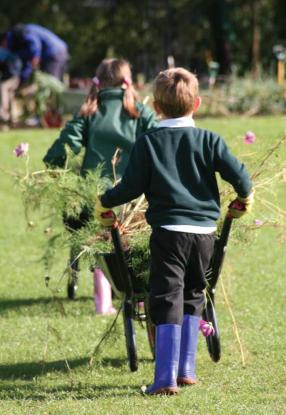
child with wheellbarrowAcross the developed world there is concern about a growing ‘disconnect’ between children and the natural world around them – increased time spent indoors, less time out playing – the scenario is well reported. School gardening projects are an important way to reconnect children with nature.

School gardening, like ‘growing your own’ seems to be on the increase in the UK as we look for ways of bridging the ‘ecological disconnect’, saving money, reducing ‘food miles’, improving food quality and strengthening local economies. There’s powerful evidence that school gardening is one, convenient and effective way of ‘learning outside the classroom’. A way of helping to engage children with the natural world and to deal effectively with some other important issues at the same time by:

  • raising academic achievement
  • promoting healthy eating
  • instilling a sense of responsibility for the world around us
  • encouraging social and community development and a ‘sense of place’
  • providing a place for unstructured, imaginative play

In Norfolk, England, the voluntary group of Mastergardeners is playing its part in supporting around 20 schools and many others are waiting to connect with a suitably trained volunteer in their area to develop new school gardening initiatives.

I’ve been helping a primary school to develop its school garden, which now has several raised planting beds (one for each class) and a recently completed wildlife pond with dipping platform and boggy planting areas. I tried to engage the children in growing food with a short session about the food they like to eat and where it comes from, why growing our own is important and the different types of fruit and veg we could grow. We ended up with each child making their own paper pot and sowing a broad bean seed – these were later transferred by the children to the school garden and formed a wonderful source of ‘free sweets’ during the summer!

making paper pots - an easy way to get children involved in 'growing their own'

Making paper pots – an easy way to get children involved in ‘growing their own’

The whole community– governors, staff, parents, children, local businesses together with ‘shopping voucher’ and grant schemes have played their part in creating this valuable resource. The new gardening year is about to kick off with a ‘Garden Gang’ (parents, children, staff and friends of the school) session on Saturday to get the beds ready, complete the greenhouse (made out of canes and plastic bottles) and plant some new apple trees.

Other Mastergardeners are playing their parts around the County. This includes several new and more established gardens at secondary and primary schools and a novel ‘inter – generational’ project in Norwich, where some spare ground behind a library has been turned into a food growing plot by children from a local school, library staff and older people from a sheltered housing scheme overlooking the site.

One secondary school gardening coordinator recently wanted to introduce children to the ideas of ‘veg families‘ and crop rotation. She printed out 56 small veg pictures and separate names – the first task was for the students to ID the veg. Then they looked at veg families (with the students placing  the different vegetables into different groups ) –  then they used their computers to create their own set of ‘Veg family prints’. Finally, they looked at crop rotation and by the end of the session they had come up with a basic 4 bed rotation over 4 years, along with a write-up explaining about why we rotate crops yearly.

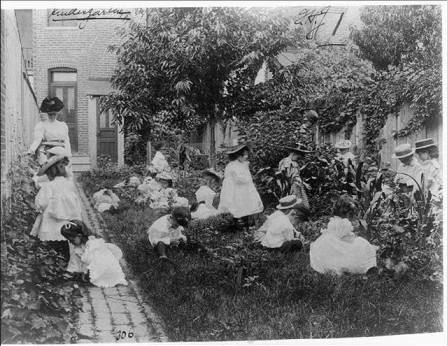
school gardening a century ago- birth of the 'kindergarten'

School gardening a century ago- birth of the ‘kindergarten’

School gardening has been around a long time – originally developing as part of the formal school curriculum at a time when many more households grew their own food. There were war – time efforts to boost food production at schools and the ‘Kindergarten’ movement saw playing and being creative in an outdoor setting as the heart of nursery education.

school gardening in wartime- US style

School gardening in war time- US style

Recently in the UK the Food Growing in Schools Taskforce, led by Garden Organic was established as a response to increasing concerns about the health and well-being of children and young people, and a confidence that food growing in schools is a successful way of dealing with these concerns, delivering many benefits. The Taskforce is made up of people representing a diverse set of interests, but all with a strong belief that food growing in schools is an important activity. You can read their findings here.

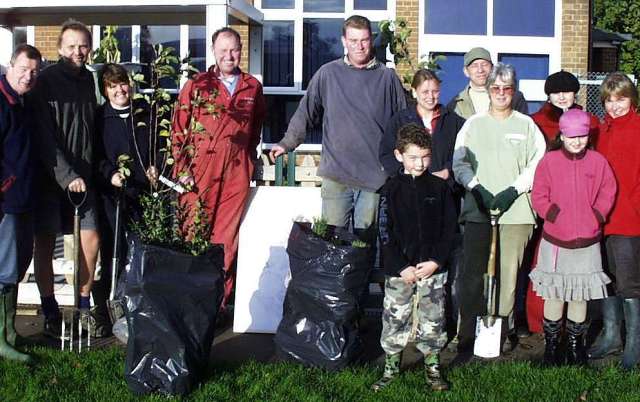
Getting the whole community involved in the school garden

Getting the whole community involved in the school garden

Over the coming weeks I plan to post a series of articles about how to go about setting up and developing a school garden, so if you have any experiences or ideas to share I’d love to hear from you!

Old School Gardener

If you’ve enjoyed reading this post and others on this blog, why not comment and also join some other people and sign up for automatic updates via email (see side bar, above right ) or through an RSS feed (see top of page)?

Finding Nature

Nature Connectedness Research Blog by Prof. Miles Richardson

Norfolk Green Care Network

Connecting People with Nature

Discover WordPress

A daily selection of the best content published on WordPress, collected for you by humans who love to read.

Susan Rushton

Celebrating gardens, photography and a creative life

Unlocking Landscapes

Writing, photography and more by Daniel Greenwood

Alphabet Ravine

Lydia Rae Bush Poetry

TIME GENTS

Australian Pub Project, Established 2013

Vanha Talo Suomi

The Journey from Finnish Rintamamiestalo to Arboretum & Gardens

Marigolds and Gin

Because even in chaos, there’s always gin and a good story …

Bits & Tidbits

RANDOM BITS & MORE TIDBITS

Rambling in the Garden

.....and nurturing my soul

The Interpretation Game

Cultural Heritage and the Digital Economy

pbmGarden

Sense of place, purpose, rejuvenation and joy

SISSINGHURST GARDEN

Notes from the Gardeners...

Deep Green Permaculture

Connecting People to Nature, Empowering People to Live Sustainably

BloominBootiful

A girl and her garden :)