
Tag Archive: garden


- Winter Tares- good at protecting the soil, smothering weeds and maintaining nitrogen in the soil, once dug in. Picture from Garden Organic

At one of my recent ‘Grow Your Own’ classes, one of the participants raised an interesting question about Green Manures (GM’s).
He wondered if it was actually worth growing green manures as additional sources of nutrients. He reasoned that as they use up nutrients from the ground there isn’t any real gain in the nutrients avialable to follow on crops. Like me, he had also heard that legumes, (peas and beans) do fix nitrogen from the air and therefore their roots are a source of additional supplies of this if dug into the soil. And he also mentioned that deeper rooting plants like Comfrey tap into nutrients that wouldn’t otherwise be available to plants with shallower roots, so making these available via their leaves once composted, and also from a ‘tea’ made from these and applied as a liquid feed. So is this all correct?
I decided to contact my colleagues at Garden Organic and ask for their advice on all this and got a very interesting reply from Francis, their Horticultural Research Manager:
“Green manures and nitrogen
Legumes, when the temperature is warm enough and they have the right bacteria, will fix the nitrogen they need from the atmosphere. It is very true, and seldom appreciated, that if a legume crop (eg beans) is harvested then most of this nitrogen is taken away and not left in the soil. However, if the legume is grown as a green manure and dug in whole (usually in an immature state) rather than being harvested then there will certainly be a net benefit; nitrogen fixation (directly or indirectly via animal manures) is the main source of nitrogen for agriculture and horticulture in the absence of artificial fertilisers.
Non leguminous plants can only take up nitrogen from the soil as inorganic ions (ammonium but mainly nitrate). The latter is very soluble in water and so easily washed out by the rain and so lost from the soil, contaminating drinking water and rivers etc. A lot of work was done (some by Garden Organic) to demonstrate that one of the best ways of preventing this was by growing winter green manures such as rye. When this is dug in the nitrogen they have taken up is mineralised to be made use of by following vegetable crops.
Green manures and other nutrients
Other nutrients (especially the metals such as K, Mg etc) are more tightly held on the surface of the soil particles and so are not easily leached so it is true that green manures are less important for keeping them in the soil. However, some do have specific effects (eg buckwheat can help mobilise phosphorus and chicory is deep rooting and so is a source of trace elements from the subsoil that may have been depleted nearer the surface). All green manures will add organic matter to the soil which helps with structure and also stimulates microbial activity, important for general nutrient cycling.”
So, the net result is that there are several good reasons for using GM’s over the winter, including maintaining nitrogen where this would leach away from unprotected soil, weed reduction, protecting soil structure, and the addition of organic matter to help moisture retention and soil structure. However, the legume contribution to soil fertility (assuming you grow these to produce food), is of questionable value if left in the soil and dug in. Better to add animal manure or your own compost to boost nitrogen levels.

- Comfrey- reaches the nutrients other plants cannot reach…and you can out them into your soil via a (smelly) tea made from their leaves

Further information:
Garden Organic and Cotswold Seeds have produced a useful advice booklet on soil improvement. It’s available as a pdf to download for free at ‘Sort out your Soil’
Linked articles:
Green Gold – 7 reasons for using green manures
Green Gold: Where and when to use Green Manures
Green Gold: Making the most of green manures
Green Gold: 12 plants for soil improvement
Old School Gardener
How to make leafmould

A downloadable factsheet from the good folk at Garden Organic- just click on the link above.
Old School Gardener
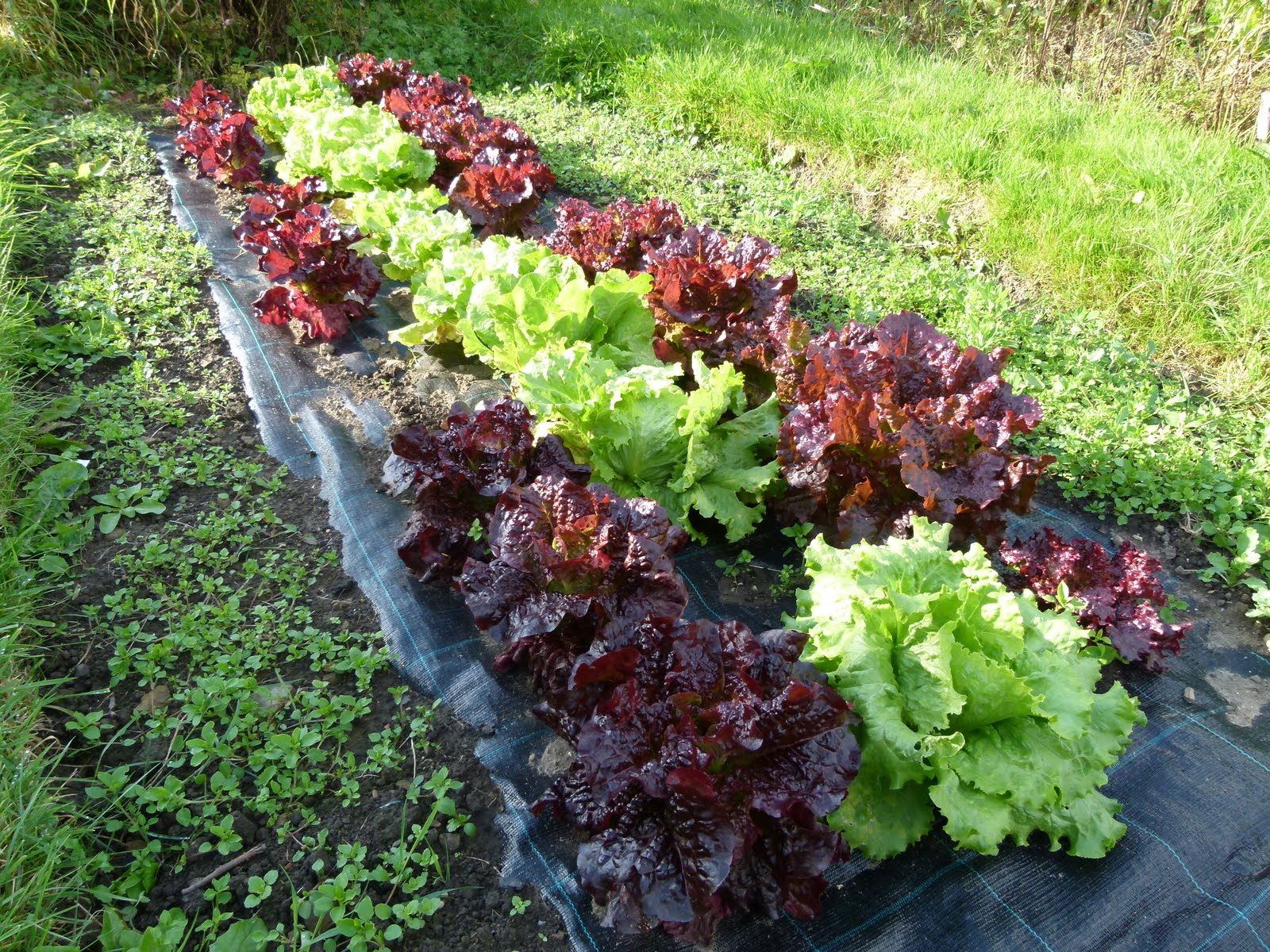
Weed – proof membranes can be an effective way of controlling weeds around vegetable crops
A weed might be a ‘plant in the wrong place’ but some ‘weeds’ have positive features. They can look good; some are edible; some provide food and shelter for birds, butterflies and beneficial insects and many can also be used in the compost heap (though if you don’t have a ‘hot’ compost system its probably unwise to put in the tap-rooted perennials).
But much of a gardener’s time is taken up with preventing, removing or controlling those plants that if left alone might quickly over run less vigourous species and rob them of precious moisture and nutrients. So what are the best ways of keeping these invaders under control?
-
Try to ‘design out’ weeds by close planting, crop rotation, weed-proof membranes under paths and effective barriers (possibly including some plunged into the soil to prevent spreading roots) to keep weeds from entering the garden from surrounding land.
-
Know your weeds – it will help to work out the best way of dealing with them.
-
Take time to clear perennial weeds effectively before any permanent planting- this might take more than one year and be realistic – don’t clear more than you can keep weed free. Cover the rest up with black plastic or other covers. And wait for the soil to be moist to aid removal.
-
Choose methods to suit the time and energy you have– using glyphosate- based herbicides might be the quickest and most effective for large, difficult areas
-
Never leave soil bare– plant it including with green manures. Use man made covers or nautural mulches which can both prevent and eradicate weeds- for little effort.
-
Create ‘stale seed beds’ by preparing the ground a few weeks before you need it – this will allow weed seeds to germinate and mean that you can clear the weeds before you sow, or cover the ground with black plastic for a couple of months. This will give your plants a better chance of survivial.
-
Use transplants rather than sowing directly into the ground where strong weed competition is likely.

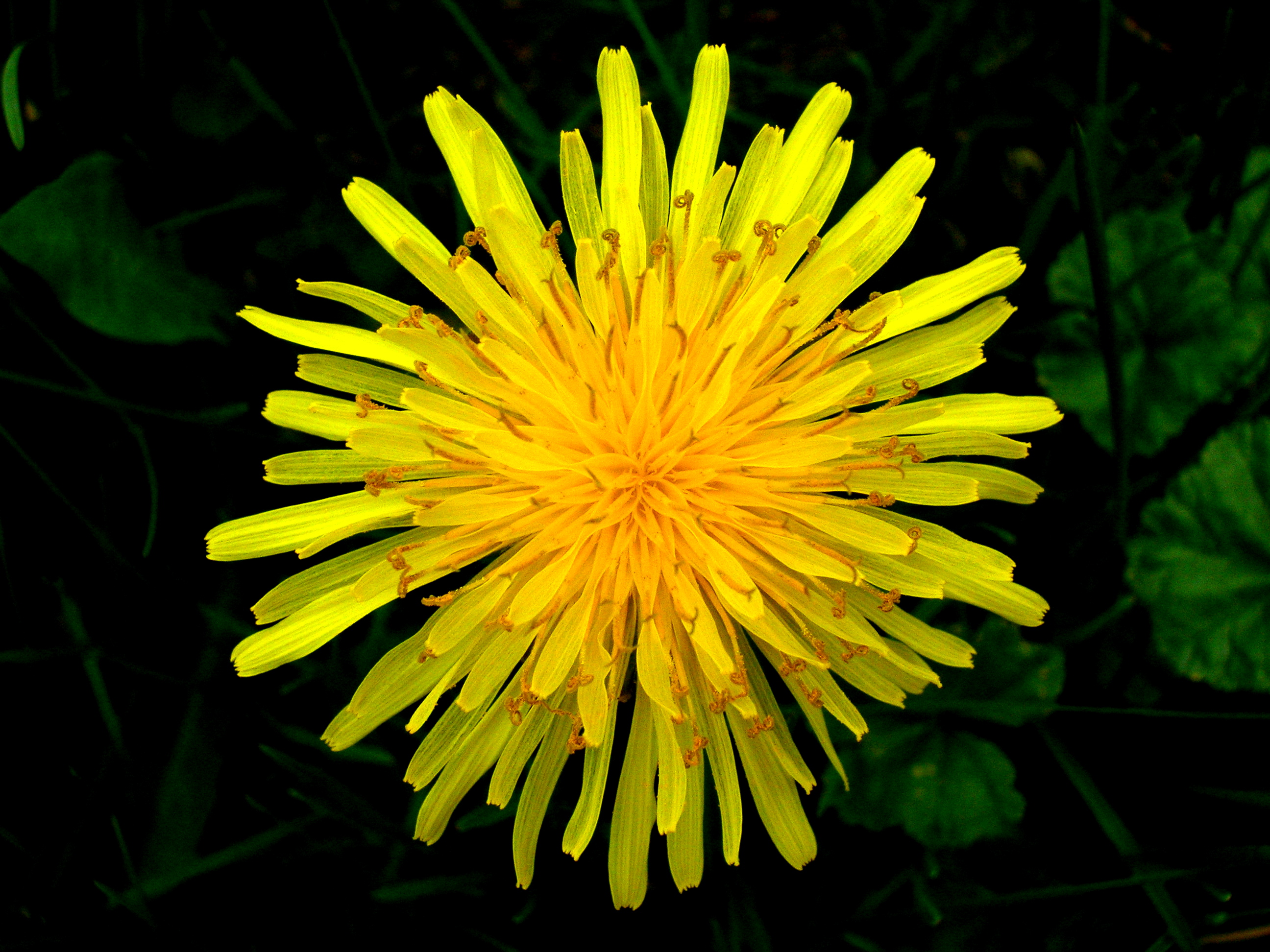
Weed or food source?
Old School Gardener
If you’ve enjoyed reading this post and others on this blog, why not comment and join others by signing up for automatic updates via email (see side bar, above right ) or through an RSS feed (see top of page)?
Florida, USA – The first European contact was made in 1513 by Spanish explorer Juan Ponce de León – who named it La Florida (“Flowery Land”) upon landing there during the Easter season, Pascua Florida. (Wikipedia)
Old School Gardener
Here we go again…this time some garden ideas for using pallets and other recycled items to create planting spaces (plus a couple of potting benches and some very effective – looking fencing)…


Old School Gardener
If you’ve enjoyed reading this post and others on this blog, why not comment and join others by signing up for automatic updates via email (see side bar, above right ) or through an RSS feed (see top of page)?
Old School Gardener

‘Ghost Rider’ via Kew Gardens





 Old School Garden