 My previous posts in this series have covered the process of getting a School gardening project going, designing and constructing your plot and developing it into a valuable part of the school and wider community. The final three posts provides a few tips as the ‘icing on the cake’, the sort of things you can consider once your project has well and truly established itself as a key local resource. Today some tips on activities, an area that is likely to grow in importance if, as is proposed, gardening is to be added to the UK National Curriculum for schools in 2014.
Organising school gardening activities
- Carve out a place in the School where you can keep all the folders, binders, books and other supporting information you need to plan and run your garden. This could be in a classroom, the library, the office or ideally in the Garden shed where they will be easily accessible.
- Develop and keep up to date a weekly schedule of how the garden will be used. Once time slots are set for particular classes or groups, encourage parents to come in to help with their child’s session. Keep parents up to date with the schedule so that they know when their children will need to bring in appropriate clothing and footwear.
- Invest in a Garden Organiser book – a notebook for lesson planning, reflecting on the way a particular session went,notes etc. You can start to sketch out lesson plans after discussions with teachers and begin thinking about the organisation of the sessions in the garden, what resources and people you’ll need etc. Ideally get a robust, week by week format to help you plan ahead.

How to sow seeds is a basic gardening skill that all children need to learn
- Make sure all the children are trained in basic gardening skills – digging, sowing, planting, weeding, watering, harvesting and, if you’re extending activities into using the food you produce, cooking! These basic skills can be programmed over the different terms of the year/phases of the growing season. So, digging over the soil and preparing it can be done in the Autumn/ Winter/ Spring, sowing seed in Spring, planting out late Spring/early Summer, weeding in the Spring and Summer, harvesting in the Summer/Autumn etc. Make sure you include a session on tools – what is used for what task, how to use and carry them safely and keeping them clean and well maintained.
- Recording children’s comments – listen to what they say to each other and you/ teachers and record these as insights into their understanding and learning. They can also be useful in fund-raising campaigns, evaluation reports – and they are often hilarious!

Training children in basic tasks – like soil preparation – can be hard work, if the boy on the right’s expression is anything to go by! So try to introduce an element of fun through competitions.
- Make garden maintenance tasks into competitions and they can be both a lesson and fun for the children. For example, ‘Who can collect the most slugs and nails?’, ‘Who can collect the longest weed?’
- Create an outdoor kitchen and cooking kit – if you’re looking to cook your produce on site you can collect together a supply of plates, cutlery, cooking utensils, gas burner etc. in a waterproof storage bin in the garden for when you need them at harvest time.
- Be a model for recycling – the garden is a great place to teach the importance of reuse and recycling and to avoid sending more waste to landfill. For example, avoid using plastic pots and trays if possible, but if you, look after them so that they have the maximum useful lifetime. Collect old newspaper to add to your compost or worm bin. Re use old plastic lunch containers for collecting bugs/ pests. Use broken ceramic cups and plates to create a mosaic on a wall or as a cemented path surfacing. If you have to buy in compost, make sure that it’s peat free.

Cooking in the garden can be as simple as shredding/cutting food to eat raw or with a tasty dressing
Ideas for activities
(details can be found in ‘How to grow a School Garden‘ – Arden Bucklin-Spooner and Rachel Kathleen Pringle, Timber Press Books)
Autumn
- Seed saving – using tomatoes, sunflowers or other plants to harvest seed and save it for next year
- Look lively– helping children to observe how animals and plants interact and understand what humans, pants and animals need for survival and record their ideas
- Stem, root, leaf or fruit?– identify and classify the different parts of different plants that we eat

Saving sunflower seeds is easy
Winter
- Post code seeds – children select a variety of seeds to order based on the climate, food crop and taste preferences
- Habitat riddles – developing an understanding of how physical conditions affect plant and animal life within a habitat
- Introduction to worm composting – learning about worm anatomy, the abilities of worms to aerate soil and assist decomposition, and how to care for worms.
Spring
- Land scarcity – illustrating the scarcity of land to grow food and clothing by using an apple to represent the earth and cutting away portions that can’t be used for different reasons.
- Graphing plant growth – creating a graph that records bean growth throughout the season
- Interviewing local farmers – gaining a sense of local farming activity, where food comes from and the sort of work that farmers do.
The whole year
- Garden scavenger hunt – observing and exploring the garden by asking children to find different things, eg an aquatic habitat
- Pollution soup – understanding how human activities cause runoff pollution from roads and other hard surfaces, affect river water quality – by using a large jar of clean water and adding different types of pollutant to it.
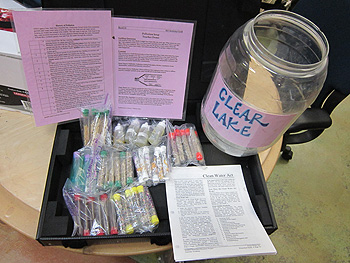
‘Pollution Soup’ – kits are available
There are plenty of other ideas for activities available on some of the websites mentioned below. Here’s a link for activities for younger children. In my penultimate post I’ll be looking at top tips for managing and maintaining the School Garden.
Other posts in the series:
Growing Children 4: AAA rated School Garden in Seven Steps
Growing Children 3: Seven tips for creating your dream School Garden
Growing Children 2: Seven Design tips for your School Garden
Growing Children 1: School Garden start up in Seven Steps
School Gardening – reconnecting children and Nature
Source & Further information:
‘How to grow a School Garden’ – Arden Bucklin-Spooner and Rachel Kathleen Pringle, Timber Press Books
School Gardening Club- ideas
Budding Gardeners- lots of advice and info
Garden planner tool
Planning your school garden
Food & Agriculture Organisation School Garden Planner
California School Garden Network Guide to School Gardening
School Gardening Wizard
School garden fundraising
Garden Organic support for schools
Devon Country Gardener magazine articles on School Gardening
September activity planning in a Canadian School
Old School Gardener
If you’ve enjoyed reading this post and others on this blog, why not comment and join others by signing up for automatic updates via email (see side bar, above right ) or through an RSS feed (see top of page)?


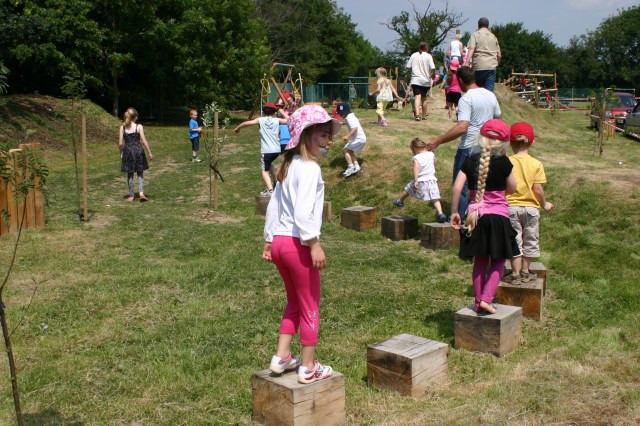


 You can’t run uphill indoors
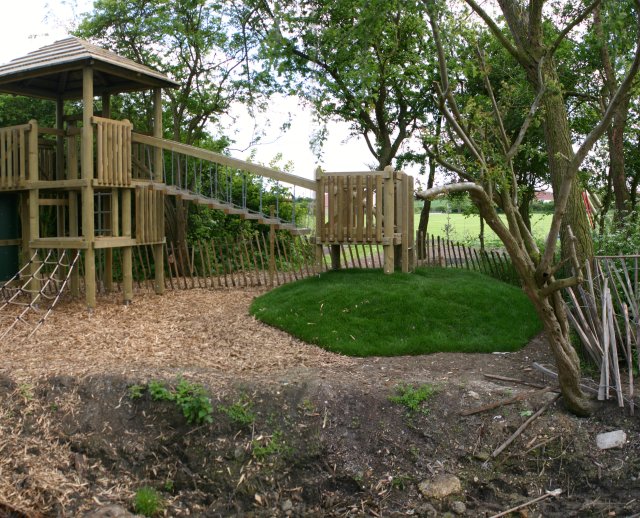


 ‘In the first of a guest blog series, filmmaker David Bond writes on how being outdoors can remedy the conflicts of family life….’





 Old School Garden