Tag Archive: bird

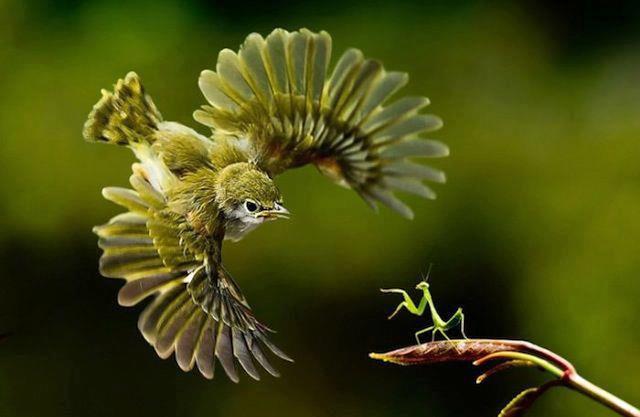
Wonderful ‘Happy City’ for birds!
Old School Gardener

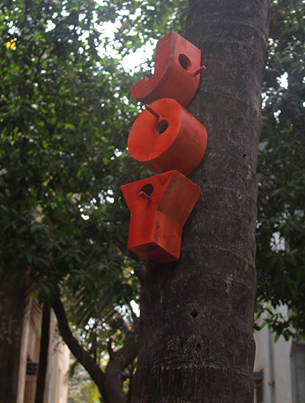
Funky Bird Nesting Boxes
Old School Gardener

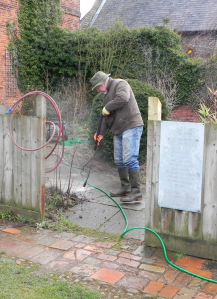
A bird nesting box as part of a fence- neat!

The Master’s Garden as it looked in the 1970’s- evidence of food growing when ‘Beech House’ old people’s home occupied the buildings.
In the second of a series about the gardens at Gressenhall Farm and Workhouse Museum, Norfolk, I explain how the former Workhouse Master’s garden has been turned into a wildlife oasis.
During the 19th and early 20th centuries the Master of the workhouse looked down on the walled garden from his family accommodation. There is no evidence of what it looked like or what was grown here then, but during more modern times, when the Workhouse became an Old People’s home, it seems that the area was used to grow food (see photograph).
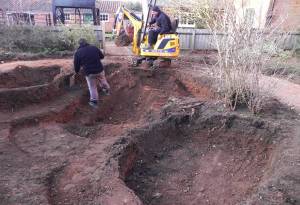
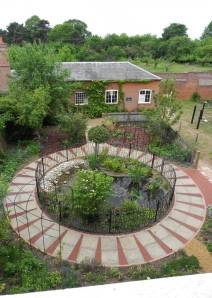
Today the area is used mainly as a wildlife garden and was the subject of a major overhaul a couple of years ago with financial support from the Big Lottery and Friends of the Museum (totalling £13,000) as well as donations from local nurseries and others. Originally created in the mid 1980’s the Wildlife Garden has been the subject of several awards, but as time passed, with fewer volunteers able to maintain it, the garden was less attractive and the thugs of the plant world rather took over. The pond liner was punctured and the plastic safety cover and overgrown water plants were throttling what life did exist!
All in all the garden was looking very sad!
After a review it was decided to improve access to the garden by:
- widening one entrance and adding another and a new path
- renovating and re-laying the existing circular path with new infill material between the slabs
- relocating and enlarging the pond to make it a central feature of the garden
- strengthening the different types of habitat for wildlife
- providing some seating and a wheelchair bay
- improving interpretation for visitors so that they can appreciate what is in the garden and why.
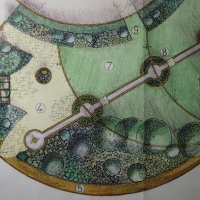
There is now a central pond (with shelved edges, a pebble beach and shallow water to act as portals for insects), and surrounding bog areas. Other habitats are ranged on each side – a hot and dry gravel garden on the south facing side, a darker and damper shade garden towards the north-facing side. There are some other wildlife friendly features here such as bug hotels and bat and bird boxes which were originally installed in the 1980’s. There is a new attractive interpretation board encouraging visitors to look out for different types of wildlife, including the resident Newts (named either Nigel or Nigella- no one has got close enough to tell their gender!). I find it amazing how quickly amphibians, insects etc. have been attracted to the pond and surrounding areas, so that today a wide range of wildlife can be seen (if you’re patient and quiet).
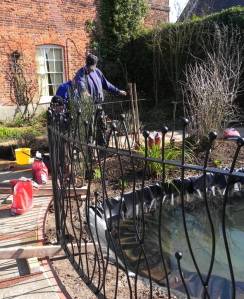
I designed and managed the project and with other volunteers put in the new plants and did some of the other renovation work. The main contractor for the new pond, borders and paths was Ian Chatten Ltd. and Kontorted Iron created the wonderful ‘organic’ fence around the pond, together with metal pergolas and an arbour– all in black wrought iron to link with other items in the Museum including the nearby old cattle- weighing machine, originally from Fakenham Market. The Gardening Team’s tool store and sheds are also ranged along one side. The arbour has taken advantage of an old ‘Rambling Rector’ rose growing in the corner of the garden – this has been pruned and tied around the frame of the arbour and provides both a wonderful sight and a romantic spot from where to view the garden in summer.
There’s also a ‘Really Useful Patch’ of flowers, herbs and shrubs. Until very recently households had to be self-sufficient in flavourings, medicines, insecticides, cleaning products and so on. The plants in this garden were all used in the past by the housewife to keep her family healthy. The only other criterion for this area was that it was to cost nothing so all the plants have been grown from cuttings or division, or have been donated or ‘recycled’.
The coming season promises to see the planting and features mature further and hopefully the ‘critters’ will enjoy it too!
Quizzicals (courtesy of Les Palmer):
- The noise of a bird imitating a cat
- How Australians describe English rock
Old School Gardener (with thanks to Christine Walters for some of the photographs)
The Mistle Thrush is in decline, warns a major bird charity today.
The RSPB Big Garden Bird Watch survey reveals that they are being seen in less than half the number of British gardens than 10 years ago, resulting in the species being given an ‘amber’ warning of it disappearing. Other birds have seen their numbers decline since 1979, when the survey began, but the numbers of Blue, Great and Coal tits, in contrast, have been on the increase.
The Mistle Thrush is the largest bird in the Thrush family and its name means literally ‘Mistletoe eating Thrush’. It can be seen romping across the garden or standing defiantly on the lawn, but is more likely to be heard perched high up in a tree singing its melodious song. Because it sings so loudly on exposed perches in bad weather it’s sometimes nicknamed the ‘Stormcock’.
Living in parks, woodland and gardens they build their cup-shaped nest in trees early in the year. Of some benefit for the gardener because they like to eat worms, snails, insects, and slugs, in winter they turn to fruit such as berries from trees- mistletoe, holly, yew, rowan and hawthorn. They can be quite combative too, defending ‘their tree’ against other thrushes! They will occasionally visit gardens for food particularly if they are provided with their favourites on a regular basis – meal worms and suet seed mixes are a good bet.
The RSPB Big Garden Watch takes place this weekend and everyone can take part by recording the numbers of different birds they see in their garden. A handy recording sheet can be downloaded from the website here.
There are also a number of events taking place around the country; e.g. A ‘Wild Weekend’ event at The Forum in Norwich will show how to garden for wildlife and there’ll be lots of family activities on offer. Norfolk Mastergardeners will also be on hand with wildlife gardening and grow your own food tips and advice. For tips on making your garden butterfly friendly click here.
Old School Gardener
If you’ve enjoyed reading this post and others on this blog, why not comment and also join some other people and sign up for automatic updates via email (see side bar, above right ) or through an RSS feed (see top of page)?