Here’s my fourth extract from the book ‘Noah’s Children’ by Sara Stein. Here she reflects on how we seem to have increasingly excluded children from working alongside adults, and by cossetting or trying to protect them from harm, can delay (prevent?) their passage into adulthood:
‘In our and other cultures, formal education begins at age six. During the following six years, roughly corresponding to elementary school, sons and daughters were traditionally expected to learn not only what in the environment was there to be used, but also how to use it. At the age of twelve, they were expected to be ready to pass from childhood to membership in the adult culture. Although we still mark that passage ritually in ceremonies of bar mitzvah and confirmation, I say these are empty passages now, and I am being very serious:
Children who can’t obtain, produce, nourish, maintain, earn, or in any other way be of use to their family remain juvenile compared to their peers in other cultures and in former times. They don’t deserve to be kept useless, and they don’t like it, and they show by their behaviour toward their elders that they blame us for swaddling them in childish ignorance.
Dessert can wait. It comes at the end of the day, and there is work to do.’
I’d love to hear your thoughts on this and the wider issues raised…
The latest extract from a book I bought in a charity shop in the summer…..
The Sleeping Bulb Fallacy:
There’s no such thing as a dormant bulb or corm- they’re all lurking underground ready to leap suicidally under the first fork prong or spade.
Poor Law:
The planting of any authentic ‘foreign’ garden will cripple any budget outside its country of origin.
Rule of Bloomin’ Relatives:
Flowers are like people- people can choose their friends but are stuck with their relatives. People can make their own beds and, like flowers, have no choice but to lie on them.
From : ‘Mrs. Murphy’s Laws of Gardening’ – Faith Hines (Temple House books, 1992)
Here’s my third extract from the book ‘Noah’s Children’ by Sara Stein. Here she urges us to create ‘wild’ places for children to explore and enjoy in their own backyards…
‘Girls and boys come out to play! But they will not unless we summon them with the piper’s tune of mud and rushes, not sprinklers mechanically circling an uninhabited lawn.
I want a word and cannot find it. What is the opposite of tame?
If our children are to grow up at home in their environment, in appreciation that its sharing among other lives is essential to our own life and livelihood, and with the intelligence to wisely manage it, we must wild the land.’
I’d love to hear your thoughts on this and the wider issues raised…
Here’s my second extract from the book ‘Noah’s Children’ by Sara Stein. Here she observes how American (probably western) culture has increasingly divorced children from directly finding things they need or are interested in; things that children used to find outside in the natural world:
‘Our culture makes the point that much of what most interests children is not obtainable by them. It’s our cotton balls and cinnamon sticks, not their free-for-the-gathering furry mullein leaves or minty wintergreen. What rolls or smears or makes a noise when it is squeezed is a truck we’ve bought, a set of finger paints, a stuffed animal- not the log or mud or toad that children might obtain for themselves. They can’t even get some berries for their breakfast unless we buy the fruit.’
I’d love to hear your thoughts on this and the wider issues raised…
Today is ‘Anti Biotics Awareness Day’ in the UK (I think this extends to the whole week in north America). Last night I attended a fascinating series of talks about work being done in the Norwich Research Park (this includes the University of East Anglia, John Innes Centre, Institute of Food Research and Norfolk and Norwich Hospital) to search for ways to expand the options for combatting infectious diseases.
The Problem
‘Antibiotics are used to treat bacterial infections in humans. Even though these antibiotics are very powerful, some pathogenic bacteria have evolved resistance to all antibiotics currently available. There is an urgent need to find new ways to combat these drug resistant bacteria.’
Solutions?
Most of the antibiotics we currently use are made by a group of benign soil bacteria called actinomycetes. Scientists are now searching environments not previously investigated to find new actinomycetes which might produce new antibiotics; for example deep oceans, desert, rainforests and insects. They are also manipulating actinomycetes bacteria to produce new antibiotics.
This is the first strand of work I heard about last night. It also featured a fascinating look at leaf cutter ants. You’ve probably seen these minute creatures on nature documentaries. They cut pieces of leaf from nearby plants and take these back to their nest. But they don’t eat the leaves, well not directly anyway. Instead they feed them to a fungus which produces the food they use. A sort of ‘agriculture’ that has been going on for 50 million years! It’s this fungus that scientists are studying, and specifically the antibiotics it produces, to see if they could be useful against human diseases.
The second strand of work concerns improving the diagnosis and use of antibiotics. Up to now we’ve been rather profligate with our use of antibiotics, including in animal husbandry (where they encourage weight gain) and agriculture.
This widespread use of antibiotics has led to the crisis we now face- many bacteria developing resistance to ‘broad spectrum’ (a cocktail) of antibiotics and a lack of will to develop new antibiotics as the investment and risk are judged to be too high in relation to the potential returns by pharmaceutical companies. The technology available for analysing bacterial infections is advancing – the speed is increasing and the costs reducing- so that it is increasingly likely that a more precise diagnosis of infections can be made and a more targeted approach to using antibiotics can follow. This will both increase the effectiveness of their use and reduce the side effects- of killing off a lot of other (beneficial) bacteria and inducing the development of resistant pathogens.
Finally, I heard about work being done to harness the inherent bacteriological power of the human body.
Not only are humans walking factories of millions of bacteria, but it turns out that different parts of the body carry different bacteriological ‘eco systems’ of their own. The work to date has revealed the benefit of human breast milk in child development (as well as containing nutrients it transfers a range of bacteria from the mother which help to develop the child’s own bacterial systems). This has included giving ‘pro biotic’ supplements to babies born prematurely to help them make up the deficit they have on full term babies and so helping to reduce infections and premature mortality.
Work is also being done on the human gut and experiments with some very sick patients have shown how powerful an infusion of new bacteria can be in combatting diseases; this infusion takes the form of a ‘faecal transplant’- literally transfusing a healthy person’s gut bacteria to a sick person via their faeces (of course converted into a suitable form!).
On this special day, it’s encouraging to see the work in hand by a wide range of brilliant people (who happen to be on my doorstep) to try to extend our ability to fight infectious diseases. Part of the answer lies in discovering and teasing out new anti biotics from a wider range of soils and other sites, but it seems that better targetting of antibiotics and harnessing the body’s own ‘bacteria factory’ have an important part to play.
To finish, here’s a little quiz about leaf cutter ants…

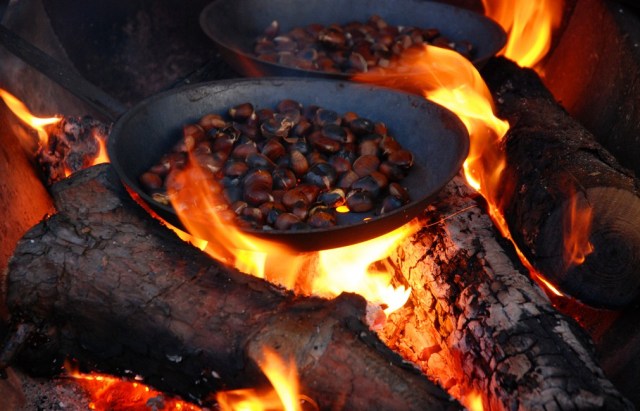

 Here’s my fourth extract from the book ‘Noah’s Children’ by Sara Stein. Here she reflects on how we seem to have increasingly excluded children from working alongside adults, and by cossetting or trying to protect them from harm, can delay (prevent?) their passage into adulthood:
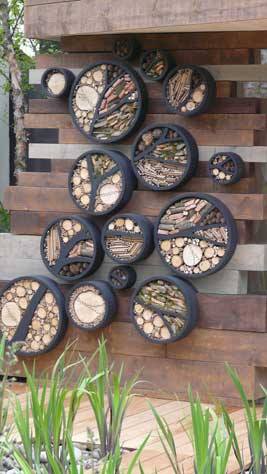
 The latest extract from a book I bought in a charity shop in the summer…..
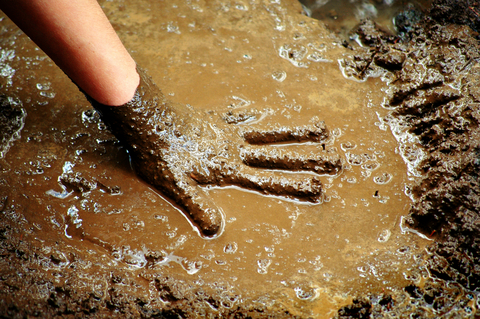 Here’s my third extract from the book ‘Noah’s Children’ by Sara Stein. Here she urges us to create ‘wild’ places for children to explore and enjoy in their own backyards…
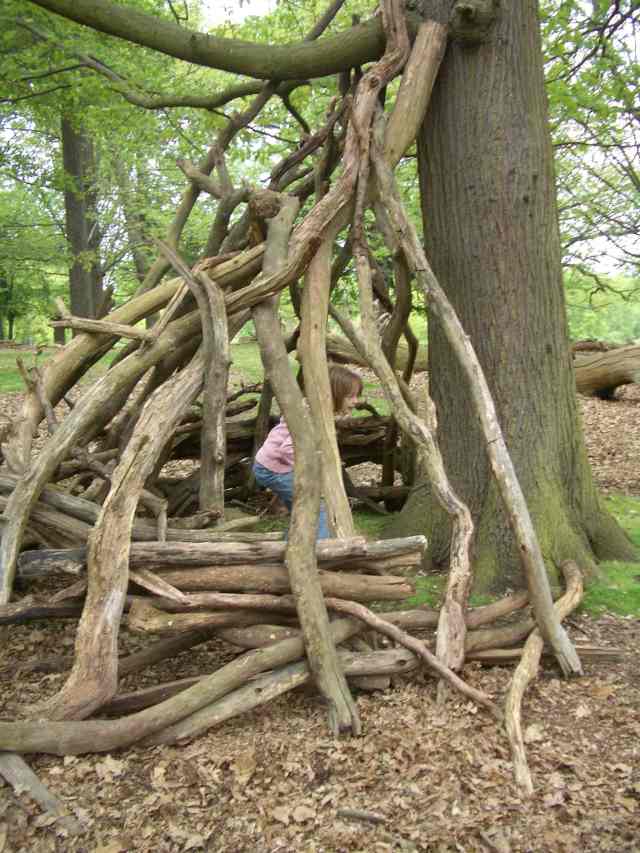 Old School Gardener
 Here’s another extract from a book I bought in a charity shop in the summer…..
 Here’s my second extract from the book ‘Noah’s Children’ by Sara Stein. Here she observes how American (probably western) culture has increasingly divorced children from directly finding things they need or are interested in; things that children used to find outside in the natural world:
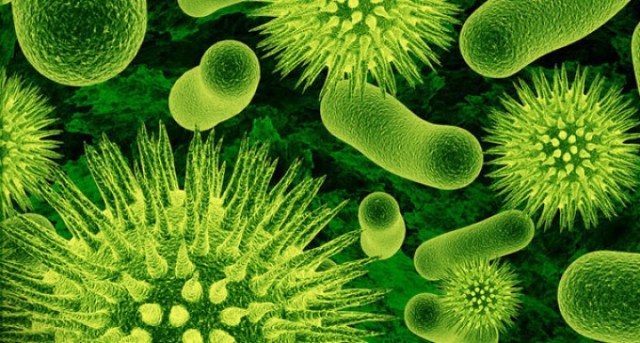 Today is ‘Anti Biotics Awareness Day’ in the UK (I think this extends to the whole week in north America). Last night I attended a fascinating series of talks about work being done in the





 Old School Garden