
A short, easy to understand video from the UK Meteorological Office
A short, easy to understand video from the UK Meteorological Office
 iLandscape.com
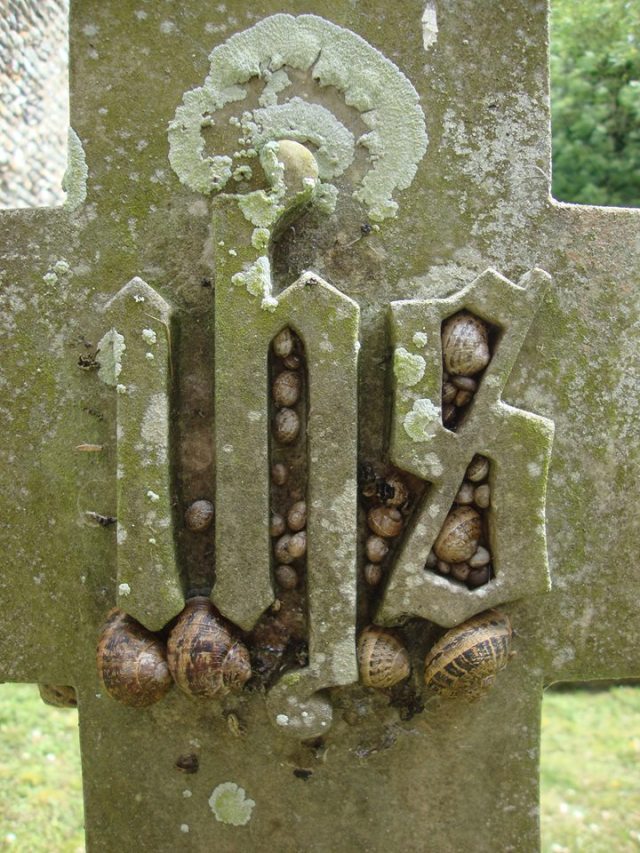
Tombstone at Weybourne, Norfolk via http://www.ournorfolk.org.uk
Source: Dictionary of Phrase and Fable, E. Cobham Brewer, 1894
Source: Wikipedia
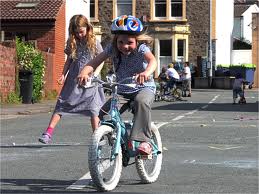 A super couple of items from Monday’s BBC TV ‘One Show’. The first is about the new street play project in England, the following item about what nature can live in a square metre of a garden….The two items begin about 2 minutes from the start of the programme and last about 12 minutes in total.
There are lots of poppies at Gressenhall, Scott Tampin, Heritage Gardening Trainee has been researching them.

The Poppy is a flowering plant of the family Papaverceae and many varieties can be found flowering all over the farm and workhouse site at this time of year. Ornamental Poppies are grown for their colourful flowers and some varieties are used in many cuisines around the world including European, Indian and Jewish. Some varieties produce a powerful medicinal alkaloid opium which has been used since ancient times to create analgesic and narcotic medicinal.
Poppies have long been a symbol of sleep, peace and death. Sleep because of the opium extracted from them, death because of the common blood red colour of the red ones in particular. In Greek and Roman myths time poppies were used as offerings to the dead and decorated tombstones. The bright scarlet colour also signifies resurrection from death in…
View original post 141 more words
 iLandscape.com.au
ilandscape.com.au

 The Fens do not appear in the theatre very often. Not having seen this piece myself just yet, but having heard an interview with the director on the radio recently, I was intrigued: ‘Ours was the Fen Country’ is a dance-theatre piece that uses words, movement, music and lights to conjure up some of the atmospheres of the Fens, some of the heaviness and also the beauty.
For Ours Was the Fen Country, Dan Canham interviewed more than 30 Fenland people, from eel catchers and farmers, to stable owners and people who spent their whole lives there.
This is how the promotional website for this work describes the piece:
For the past two years Dan Canham has been capturing conversations with people of the fens in East Anglia. Eel-catchers, farmers, parish councilors, museum keepers, molly dancers and conservationists have all been interviewed. In this etherealpiece of dance-theatre Dan and his…
View original post 336 more words
Nigel Boldero aka 'Old School Gardener'
 | Nigel Boldero on Fighting to Reduce Climate Cha… |
 | Anonymous on Fighting to Reduce Climate Cha… |
| Anonymous on PicPost: Carrot, my foot! |
| 18 Surprising Hydran… on Plantax 16: Hydrangea the wate… | |
| Nigel Boldero on Poppyland: A Victorian romance… |
| Anonymous on Poppyland: A Victorian romance… |
| Anonymous on Plants to die for… |
 | Isabella Childress on PicPost: Forest, but not as we… |
 | Happiness Factor on Is child-friendly planning a l… |
 | zidane on Top Tip: On a Pedestal- make m… |


Nature Connectedness Research Blog by Prof. Miles Richardson
Connecting People with Nature
A daily selection of the best content published on WordPress, collected for you by humans who love to read.
Celebrating gardens, photography and a creative life
Writing, photography and more by Daniel Greenwood
Lydia Rae Bush Poetry
Australian Pub Project, Established 2013
The Journey from Finnish Rintamamiestalo to Arboretum & Gardens
Because even in chaos, there’s always gin and a good story …
RANDOM BITS & MORE TIDBITS
.....and nurturing my soul
Cultural Heritage and the Digital Economy
Sense of place, purpose, rejuvenation and joy
Notes from the Gardeners...
Connecting People to Nature, Empowering People to Live Sustainably
A girl and her garden :)

 Old School Garden