
‘Friend or foe?’
‘Prevention is better than cure’ applies to many situations in life and controlling the pests and diseases in your garden is one of them.
As part of the ‘Master Composter’ project providing advice to families and groups about using green waste to make compost and enrich their soil, I’ve recently been sent a useful factsheet about organic pest and disease control. And pest control – specifically pigeons and blackbirds – is presently keeping me well exercised in the garden! More positively, I don’t seem to have had much of a problem with either slugs and snails, aphids or caterpillars – so far. A harsh winter and dry spell may be part of the answer. Anyway, I thought I’d share the basics of this factsheet with you (plus a few thoughts of my own).
Here are 7 tips for effective action to prevent your crops and plants being trashed by those not – so – welcome forces of nature!
1. Healthy soil
Too much fertiliser and your plants will be soft and sappy – providing a lovely lunch for pests and encouraging you to spray to deal with them. Not good practice. Better to feed your soil with a ‘wholefood’ diet of garden compost and leaf mould rather than those ‘fast food’ fertilisers designed to feed the plant and not the soil.
2. Resistant plants
Choose varieties of plant that can withstand the attack of pests and disease; e.g. blight resistant potatoes such as ‘Remarka’ and Sarpo’ and root aphid resistant lettuces like ‘Milan’.

Leaf mould – a great way to improve your soil
3. Rotate your crops
Focusing on the veggy garden, crop rotation is an essential technique to build soil fertility and controlling the build up of pests and diseases. Divide your veg into at least four groups (those in the same or similar families and having similar feeding habits) that stay together each year, but move onto another part of the garden every spring.
4. Barriers and scarers
Keeping pests out of your crops and off your choice plants is probably the most effective way of reducing if not preventing damage. There is a range of different barriers and scarers suited to different types of crop or plant:
- Fine mesh netting – works well for carrot root fly and pea moth as well as pretty well most pests that attack cabbages (flea beetles, cabbage white butterfly, leaf weevils, birds and white fly).
- Other Netting – useful for preventing birds eating/ damaging fruit and vegetables, but remember it should be tightly drawn to the ground to avoid any gaps – my own experience is that pigeons and blackbirds are past masters at finding the smallest of holes and working their way in! Netting can also prevent cabbage white butterflies from laying their eggs on Brassicas, but the gauge of the net needs to be fine enough to stop them. Also, having used hard plastic mesh netting for a while, I’d suggest investing in those made of softer, string -like material (nylon?), as this will drape more easily over crops.
- Cabbage collars – a collar of carpet underlay around the neck of a young cabbage will prevent cabbage root fly from laying its eggs at the base of the cabbage.
- Bottle cloches – made out of plastic bottles (tops and bottoms cut off) and placed over newly planted vegetables will prevent them being eaten by slugs or anything else that takes a fancy to them.
- Small gauge chicken wire – always useful, this can be placed over newly sown peas to stop them being eaten by mice while germinating or being scratched up by cats. Wrapped around flowering bulbs, it can prevent them being dug up by squirrels.
- Bird scarers – a ‘humming line’ (sometimes called buzzwire) criss – crossed over veg and which vibrates in the slightest of breezes will help scare off birds. You can come up with any number of other devices that use the wind to create noises or flashes of light and colour that will put off the birds, but move them around, as birds get used to things being in the same place and will eventually ignore them. I’ve just bought (for the princely sum of £2.50) a colourful windmill that I’ve stuck atop a cane and put over a spot where pigeons come to pinch my raspberries – we’ll see how effective that is! Another method is to tie up old CDs/DVDs to lines between canes to let them flash and move in the breeze. I’ve also seen some pretty realistic models of Owls and other birds of prey and a host of other devices that you can set up to ward off other birds – I’m not sure if they are effective, though.

A beer trap will entice slugs
5. Traps
Beers traps for slugs do work. Codling and Plum moth traps hung from apple trees and other ‘sticky’ traps can also be effective, using a pheromone stuck to a sticky base which attracts male insects and gets them stuck in the glue. Greasebands painted around the trunks of apple trees in autumn will prevent the wingless female winter moth from climbing up the tree to mate. Sticky glue is also useful for glasshouse staging if you have a problem with ants. Sticky yellow bits of card hung up in greenhouses can help reduce the white fly population.
6. Beneficial bugs
These are your best friends when it comes to controlling pests in your garden. Planting simple annuals among the veg (e.g. Marigolds, Californian poppies), will attract a wealth of beneficial insects like ladybirds and hoverflies which will gobble up your aphids. I’ve put some marigolds alongside my tomatoes in the greenhouse for this reason and also planted Nasturtiums which can attract cabbage white butterflies as a diversion away from my Brassicas.You can also plant a few native shrubs and herbaceous perennials (e.g. hazel and hardy geraniums), create a pond, leave a small pile of logs in the corner of the garden or create a ‘bug hotel’ and feed the birds throughout the winter. There are other ‘biological controls’ that you can buy to deal w ith specific problems- little packets of some of the bugs for use in the greenhouse as well as nematodes that can attack some of the more troublesome pests. Any or all of these will keep enough wildlife in your garden to eat literally thousands of pests and their eggs!

‘Bishybarnabee’ – or a ladybird- will eat loads of aphids at one sitting
7. Keep it clean
Think ‘clean cut’. If you’re removing a dead or diseased branch from a tree (e.g one with coral spot), make sure you cut into healthy wood and always wash your tools in boiling water or wipe them with surgical spirit afterwards. Scrub out pots and give your greenhouse a good scrub every winter to get rid of over wintering pests. Maximise air circulation by correct pruning of plants and leaving just a little more space between plants will help control fungal diseases, though his needs to be balanced of course against closer planting to keep weeds under control! Controlling powdery mildew in Roses is something that benefits from greater air circulation, for instance. Finally, and most importantly, be vigilant and check your plants regularly so that any pests and diseases don’t get a foothold. For example, start checking the centre of any Gooseberry bushes in April for Sawfly eggs and larvae. Also be wary of accepting gifts of onion and cabbage plants, as they may well carry onion white rot or clubroot respectively!
So, not a spray in sight – rather planning, forethought, observation and simple control measures can help you beat those garden pests and diseases!
Source: Master Composter Manual Factsheet 4, Jojo Norris, Garden Organic 2013
Old School Gardener
If you’ve enjoyed reading this post and others on this blog, why not comment and join others by signing up for automatic updates via email (see side bar, above right ) or through an RSS feed (see top of page)?

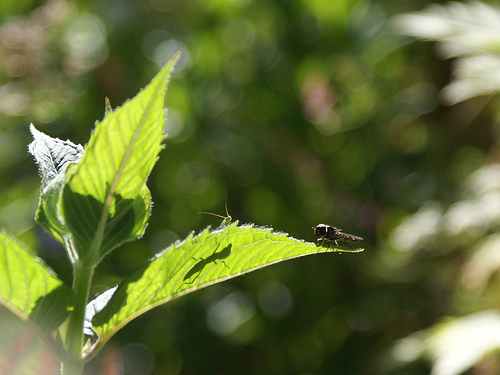 Nettles are one of the most widespread and well-known plants in Britain. You might think of them as weeds or nasty things to avoid with bare legs, but they do have some uses in the garden (as well as for making paper, dyeing cloth and eating)!






 Old School Garden