
10 things kids can (still) do without an iPad

‘
Today it rained; across the evening sky
Grey, ragged ranks of cloud now slowly pass
After the rain away, and out to sea.
Where near the old wood; from a dripping tree
Leaves, damp and yellow, fall upon the grass,
As startled pigeons from their cover fly.
A pheasant calls; gnats dance by ivy blooms;
Among the bracken blood-red brambles run.
The daylight fades, and in the scattered homes
The little windows light up one by one.
In cottage gardens now the beacons glow
Of white Chrysanthemums, defying night;
Pale, cold, the moon glides slowly into sight,
And trees across the fields faint shadows throw.’
If you’ve enjoyed reading this post and others on this blog, why not comment and join others by signing up for automatic updates via email (see side bar, above right ) or through an RSS feed (see top of page)?
A major new feature length documentary film Project Wild Thing has been launched today and will be showing at Picturehouse and independent cinemas across the country. This inspirational film, directed by and starring David Bond (Erasing David) and produced by Ashley Jones (Green Lions), takes a witty, touching and frank look at the complex issue of why our kids have lost touch with nature, why they don’t have their independence outdoors and what happened to playing out…
The film is backed by the Wild Network, founded by a diverse group who are dedicated to working together to get children back in touch with nature and outdoor play. Founding members of the network include: Play England, Play Scotland, Play Wales, National Trust, RSPB, NHS Sustainable Development Unit, AMV BBDO, Green Lions and Swarm.
“Funny, alarming and uplifting, this film will change your…
View original post 119 more words
 Technology has an ever greater role in children’s lives, and its effects are the focus of ever more heated debate. It is easy for advocates of nature, outdoor play and everyday childhood freedoms to think that screens and gadgets are our enemy. But the truth is that things are a little more complicated than that.
View original post 1,398 more words

Strumpshaw Fen, Norfolk. image via RSPB
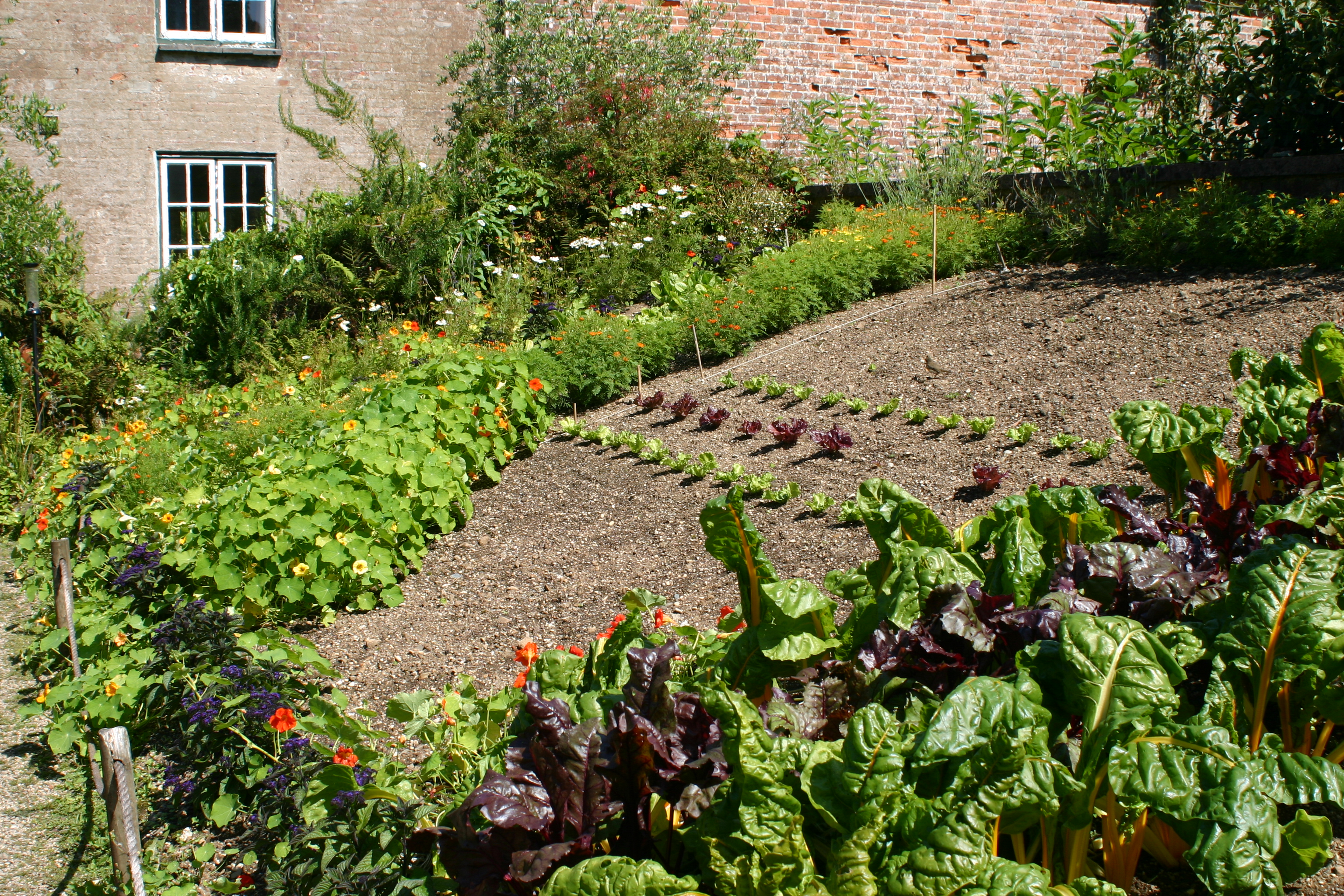
One of the sloping beds
The surrounding garden wall prevented warm air from escaping from the garden on cool nights, thereby allowing frost-sensitive fruit trees to survive, despite the cooling climate. The walled garden is also interesting for its use of sloping beds – orientated to take advantage of the sunny aspect and so aiding the warming of the soil and creating beneficial growing conditions.


The Mediterranean Biome comprises of plants from the Mediterranean Basin, South Africa, California, a Citrus Grove, a Vineyard. The sweet aromas of herbs and citrus plants hang in the air

You can stop off at the Eden Bakery on your way through to the Rain-forest
Biome.

The Rain-forest Biome comprises of lush Tropical island, West African and Tropical South American plants
You could fit the Tower of London in the Rain-forest Biome. The Guinness Book of Records heralds the Biomes as the biggest conservatories in the world. Building these ‘lean-to greenhouses’ on an uneven surface that changed shape was tricky: ‘bubbles’ were used because they can settle on any shaped surface – the architect got the idea while washing up!
RELATED ARTICLES :
Nigel Boldero aka 'Old School Gardener'
 | Nigel Boldero on Fighting to Reduce Climate Cha… |
 | Anonymous on Fighting to Reduce Climate Cha… |
| Anonymous on PicPost: Carrot, my foot! |
| 18 Surprising Hydran… on Plantax 16: Hydrangea the wate… | |
| Nigel Boldero on Poppyland: A Victorian romance… |
| Anonymous on Poppyland: A Victorian romance… |
| Anonymous on Plants to die for… |
 | Isabella Childress on PicPost: Forest, but not as we… |
 | Happiness Factor on Is child-friendly planning a l… |
 | zidane on Top Tip: On a Pedestal- make m… |


Nature Connectedness Research Blog by Prof. Miles Richardson
Connecting People with Nature
A daily selection of the best content published on WordPress, collected for you by humans who love to read.
Celebrating gardens, photography and a creative life
Writing, photography and more by Daniel Greenwood
Lydia Rae Bush Poetry
Australian Pub Project, Established 2013
The Journey from Finnish Rintamamiestalo to Arboretum & Gardens
Because even in chaos, there’s always gin and a good story …
RANDOM BITS & MORE TIDBITS
.....and nurturing my soul
Cultural Heritage and the Digital Economy
Sense of place, purpose, rejuvenation and joy
Notes from the Gardeners...
Connecting People to Nature, Empowering People to Live Sustainably
A girl and her garden :)


 Old School Garden