

Today I am spending a rainy day planning next years kitchen garden. An important thing to remember when planning your vegetable garden is to ensure you practice good crop rotation. Why is that? If you rotate your crops you will help to prevent the spread of diseases and insect problems.
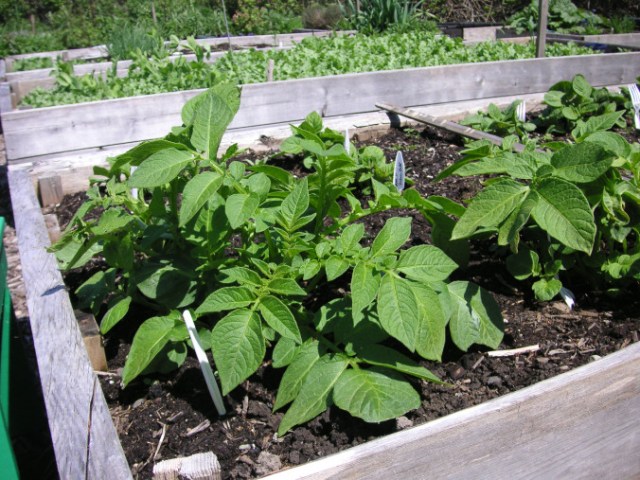
If you have ever grown potatoes in a new garden that used to be in sod the previous year, you may have had an issue with wireworms. I did when I planted the first community garden bed with potatoes. I harvested the first potatoes with no issues and thought I would leave the potatoes in the soil to harvest in late July.
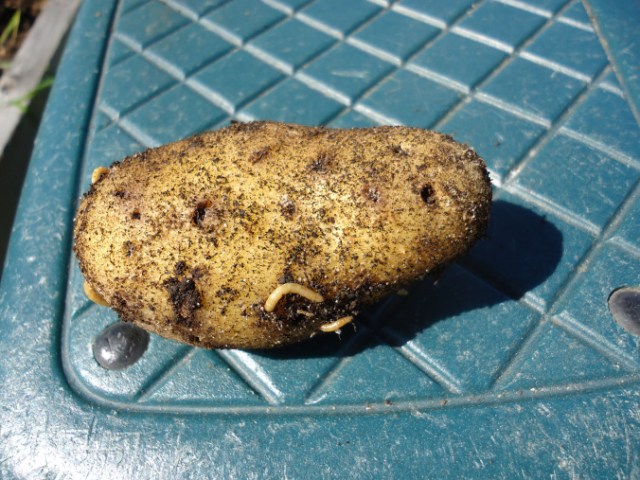
Wasn’t I surprised to see this on my freshly harvested potatoes that summer. Ugh, I didn’t want to look at a potato after that. I had to toss all the damaged potatoes away. The next year I grew…
View original post 553 more words

 Malnutrition is pervasive, far-reaching and complex. Because of this both the immediate impacts as well as the underlying causes must be addressed simultaneously if malnutrition rates are to be reduced, warranting the need for both nutrition-specific and nutrition-sensitive approaches. In part one of this article we discussed the roles agriculture, livestock production and resilience building can have in improving people’s nutrition. More productive and diverse farming and reduced vulnerability to environmental and other risks can boost household nutrition. In part two we look at how gender inequality, marginalisation from society, poverty and climate change pose both threats to nutrition and how, as a result, we can fight malnutrition through building gender equality, providing social protection and mitigating climate change.


 Malnutrition, in its various forms, is thought to affect over 2 billion people in the world
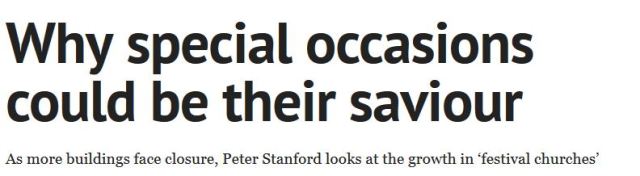 Source: http://www.pressreader.com/bookmark/b8qNx4jmHxCAhI015mRv-vCye14JtGorv_vxoSDPCUM1/


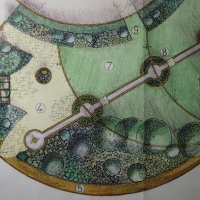





 Old School Garden