 It’s ‘Play Day’ in England today, so I thought it would be appropriate to report on my recent visit to the new Olympic Park Play Area in Stratford, London.
The ‘Tumbling Bay’ play space has just opened in the north of Queen Elizabeth Olympic Park. Designed by LUC and Erect Architecture, the space is the core social area for this part of the Park, which opens fully next April. It aims to provide a facility of use to both visitors to the area as well as the growing new residential community in the area and local workers.
The naturalistic play space is based on ecological concepts of succession and life cycles and is laid out along a newly created valley, with a new ‘Timber Lodge’ café and community hub at one end. I must say that I was impressed with what I saw.
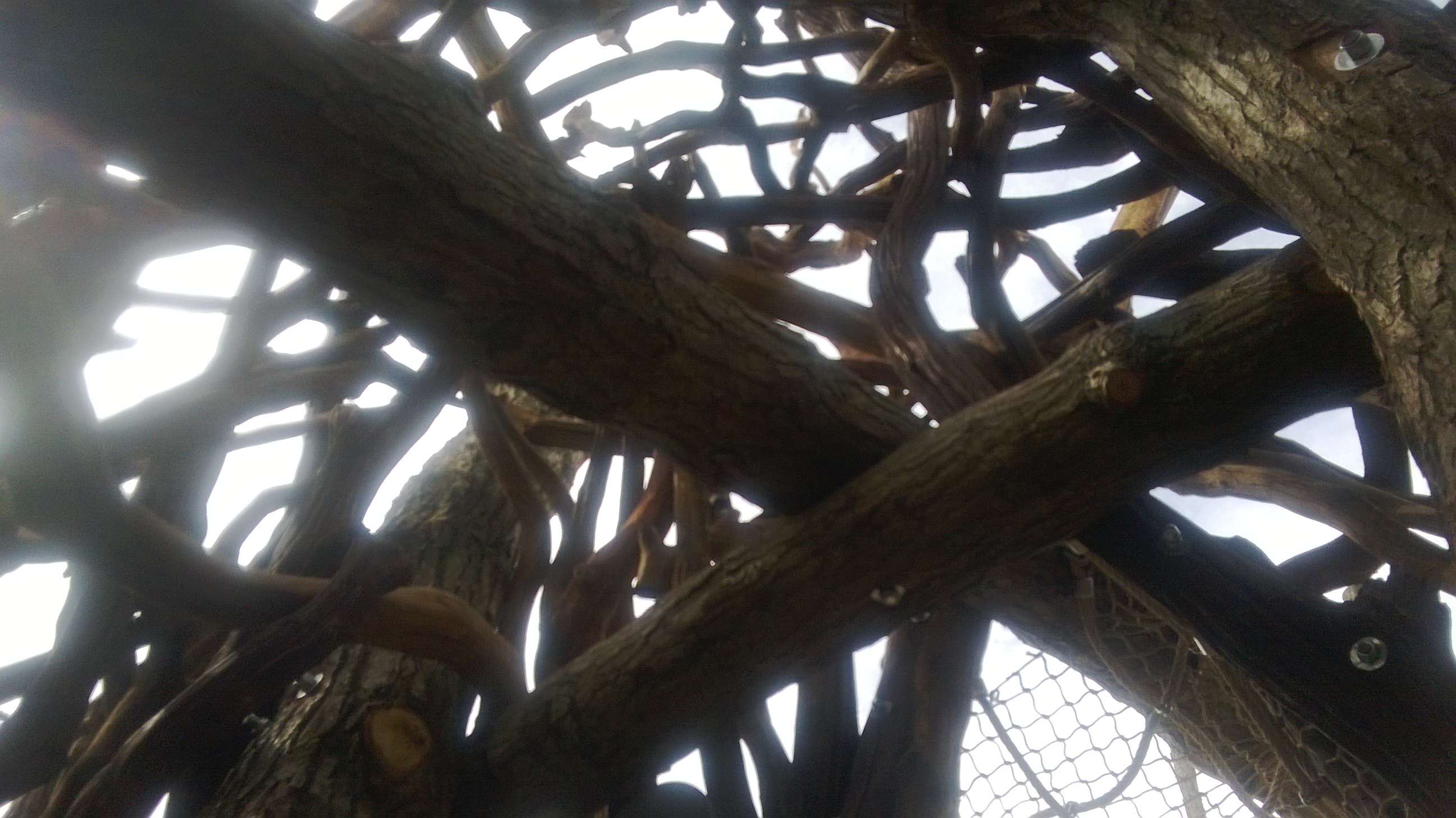
Given the heavy use this area is likely to see and that it is unsupervised, the designers and builders have done a great job at maximising natural play opportunities in an urban setting. I think children of all ages will be able to get something from it. At one end a climbing structure consisting of natural, rough finish timber bridges, ascents ,plus net walkways and other nooks and crannies is an exciting physical circuit for mainly physical play. The structures here are not so much designed on the drawing board as created on the spot – at least that’s how they look, with rough-hewn timber providing a wonderful variety of opportunities for climbing, clambering, crawling, walking and just sitting around.
This wood- strewn area gives way to an area dominated by a river delta – ilke landscape of gullies, pools and waterways. These are fed by a number of hand pumps and can be dammed at various points. And there are also spots offering a mix of sand and water play. The use of what seems to be blocks of natural (sand?) stone and sculpted landforms (made of composite materials?) conveys a natural look that could have been here for decades. Apparently the sand and water play area was inspired by the history of the River Lea and its industrial past. The arrangement of pumps and dams encourages children to experiment with water flows, work in groups and pump sufficient water to dam and divert water through the natural rock pools, rivulets and channels, filling a series of shallow pools and sand boxes along the way.
Finally, and running up to the cafe, is an area where water gives way to sand – dominated play, featuring a hanging conveyor system using sections of tyre and allowing children to move quantities of sand around the area. There are also a number of chunky wooden and gabion structures that are at different times seats, walkways or climbing features. I particularly liked the use of simple planed timber planking set around in odd places in the floorscape with grooves cut at right angles. I guess these are to provide a varied, grippy surface, but can also be a great little place for the very young to experiment with sand and water and other loose materials.
There are also some young hazel woodland copses where, in due course, children will be able to explore and build dens, hunt for bugs and get their hands dirty. The copses adjoin some ‘pine forest’ areas which run up against the timber play area. The curving form of the play area and its use of planting makes it blend in beautifully with the adjoining parkland landscape, avoiding the problem of all too many play spaces that stand out as colourful, metal-dominated, jarring places amidst surrounding greenery. The lack of fencing, but use of planting, land form and a variety of different log slice/trunk footways to provide barriers and create entrance and exit channels should also encourage children to play in the surrounding grassy and planted areas.
It is free to visit the parklands, cafe and playground. We enjoyed a lovely cup of coffee served by smiling staff at the new social enterprise – run cafe and events centre, which seemed to be doing a steady trade in these early days. I was interested to see that local primary schools have already contributed to displays in the Centre and this sign of community involvement is an early indicator of it becoming a successful community hub. As you can see from the photographs, we were there early in the day, so only a few children were around. On our way home we passed lots of families with children who looked as though they were on their way to the park and play area.
If you get the chance it’s well worth a visit!
Old School Gardener
If you’ve enjoyed reading this post and others on this blog, why not comment and join others by signing up for automatic updates via email (see side bar, above right ) or through an RSS feed (see top of page)?

‘The roaming radius of British children — i.e.. the distance they wander from their home — has shrunk by 90 per cent in the last 30 years








 Old School Garden