

By 1914 Swansea was in the vanguard of council house building and design. The First World War initially dealt a blow to its ambitions but earlier progress left the council well-placed to capitalise on the post-war drive for ‘Homes for Heroes’ and the improved standards set.
Swansea was once a fashionable seaside resort but, come the Industrial Revolution, the town’s proximity to coal resources and its port facilities (allowing the easy import of ores) led to it becoming one of the largest metal-smelting centres in the world. No longer ‘the Brighton of Wales’, it was known as ‘Copperopolis’.
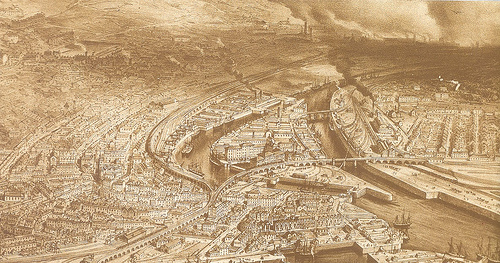 Copperopolis
Swansea’s population grew from a little over 6000 in 1801 to 94,500 by the end of the century and increased by a further 20,000 in the decade that followed. In 1852, 900 of the town’s 3500 homes were two-room court cottages, in-fills behind existing street frontages. Cholera erupted in 1832 and 1849.
The Swansea Urban Sanitary Authority, spurred by a further cholera outbreak in…
View original post 1,506 more words


 You may remember my recent visit to Canterbury and the wealth of architectural detailing I found ‘over my head’. Well, visiting Chester at the weekend gave another opportunity to crane my neck and seek out some wonderful ornamentation and other building features in this largely late Victorian/ Edwardian ‘Mock Tudor’ set piece City Centre. Here are a few pictures to capture the spirit of the place. I’ll do a separate post with those I took in and around the cathedral.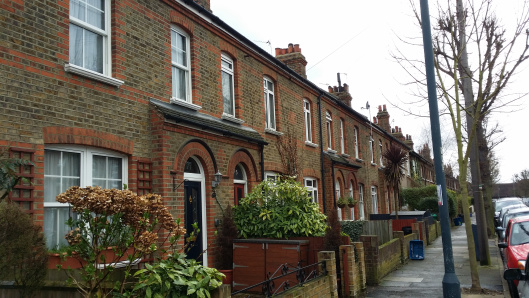






 Old School Garden