Category: Historic landscapes


norfolk sky by j halfieToday it rained; across the evening sky

Grey, ragged ranks of cloud now slowly pass

After the rain away, and out to sea.

Where near the old wood; from a dripping tree

Leaves, damp and yellow, fall upon the grass,

As startled pigeons from their cover fly.

A pheasant calls; gnats dance by ivy blooms;

Among the bracken blood-red brambles run.

The daylight fades, and in the scattered homes

The little windows light up one by one.

In cottage gardens now the beacons glow

Of white Chrysanthemums, defying night;

Pale, cold, the moon glides slowly into sight,

And trees across the fields faint shadows throw.’

‘October Evening’ by Jack Kett

from ‘A Late Lark Singing’ (Minerva Press 1997)

Old School Gardener

If you’ve enjoyed reading this post and others on this blog, why not comment and join others by signing up for automatic updates via email (see side bar, above right ) or through an RSS feed (see top of page)?

PicPost: Devil May Care

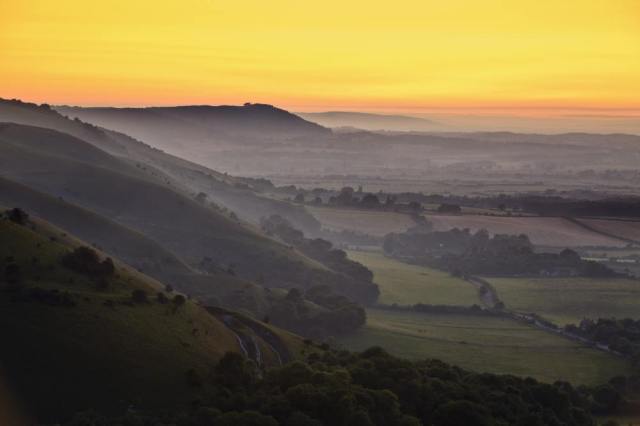
Devil’s Dyke, West Sussex by John Miller and NT images

The term “devil-may-care” (also sometimes as phrase “devil may care”) is used as an adjective. Used to describe an attitude or person, it has two meanings:

(1) cheerfully irresponsible — carefree, happy-go-lucky;
or
(2) marked by a carefree unconventionality — rakish or reckless in manner.

Old School Gardener


PicPost: Dusky Fen

Strumpshaw Fen, Norfolk. image via RSPB

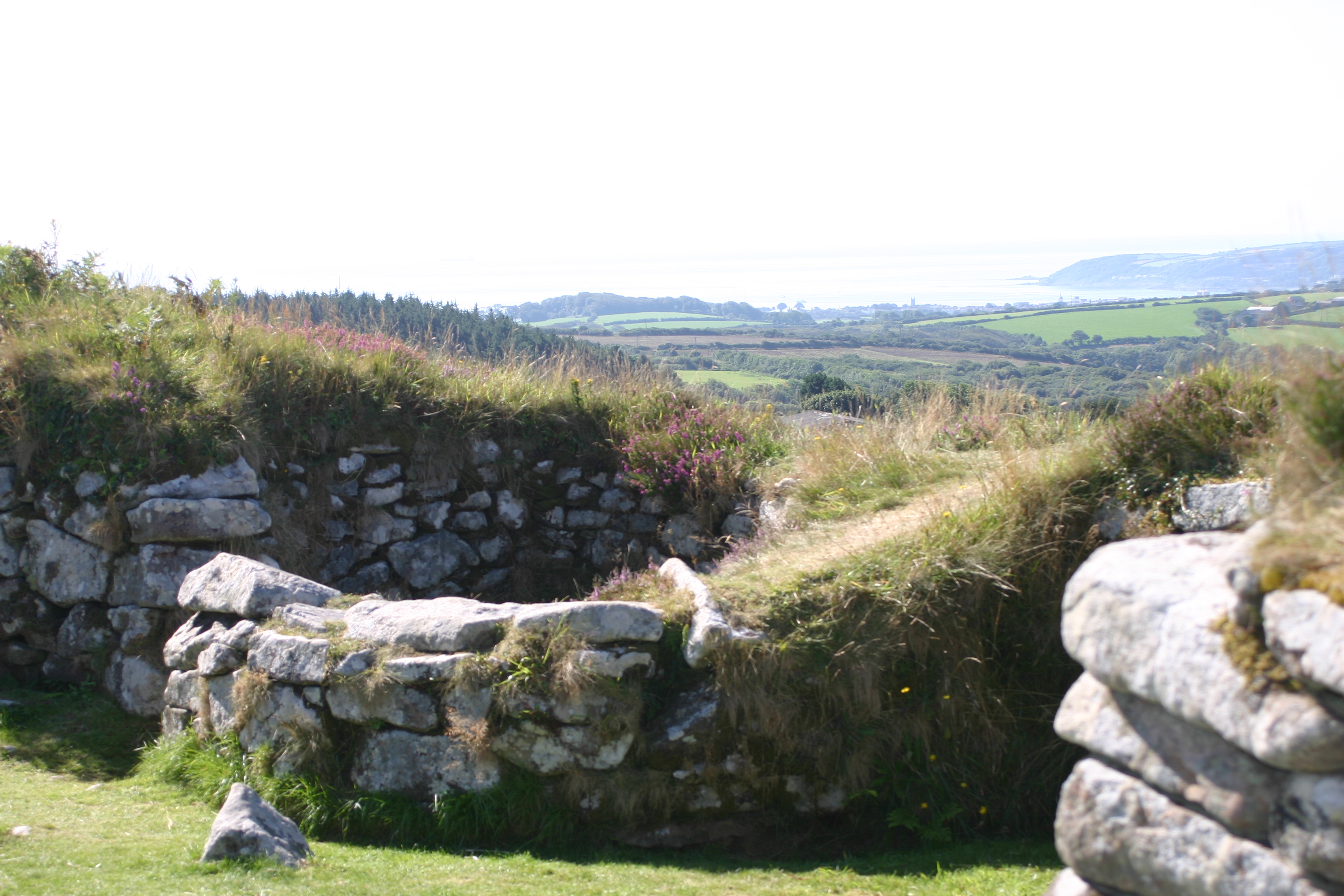
IMG_6665Whilst on our summer holidays in Cornwall and Devon, we visited a fascinating iron age village – Chysauster, near Penzance. Thought to be around 2,000 years old, this wind-swept, rocky network sits on a south-facing slope overlooking Mount’s Bay.

It’s thought the location takes advantage of a natural spring on the hill slope, for to locate a settlement in such an exposed spot would other wise seem a little crazy. However, having got their supply of fresh water the occupants were able to create a microclimate within their thick stone encircling walls (The walls survive to heights of up to 3 metres). Channelled water to each house and it’s accompanying courtyard/garden and the tall, 4 metre-thick walls created a sheltered, sun soaked encampment – perhaps they even grew food inside these compounds?

Primarily agricultural and unfortified, and probably occupied by members of the Dumnoii tribe, the village today has the remains of around 10 courtyard houses, each about 30 metres in diameter. Eight of these form two rows. The houses have a similar layout with an open central courtyard surrounded by a number of thatched rooms, orientated on an east-west axis, with the entrance facing east. A field system in the vicinity demonstrates the site’s farming connections. The whole site also has wonderful views of the surrounding landscape.

Work is underway with local schools to create an ‘iron age garden’  where some of the old varieties of wheat (such as Spelt) and other plants will be grown. The Site Manager, Steve (whose accent I immediately recognised as East London!) , gave us a great potted guide to the place and he’s obviously enthusiastic for the site’s future development as a super educational as well as heritage ‘must see’ attraction.


Further information:

English Heritage

Old School Gardener

Image

The clocks are being turned back at Haveringland Church this Harvest.  Thanks to vintage farm equipment and enthusiast Graham Kirk from Aylsham we will be re-creating a traditional harvest using his binding machine. 

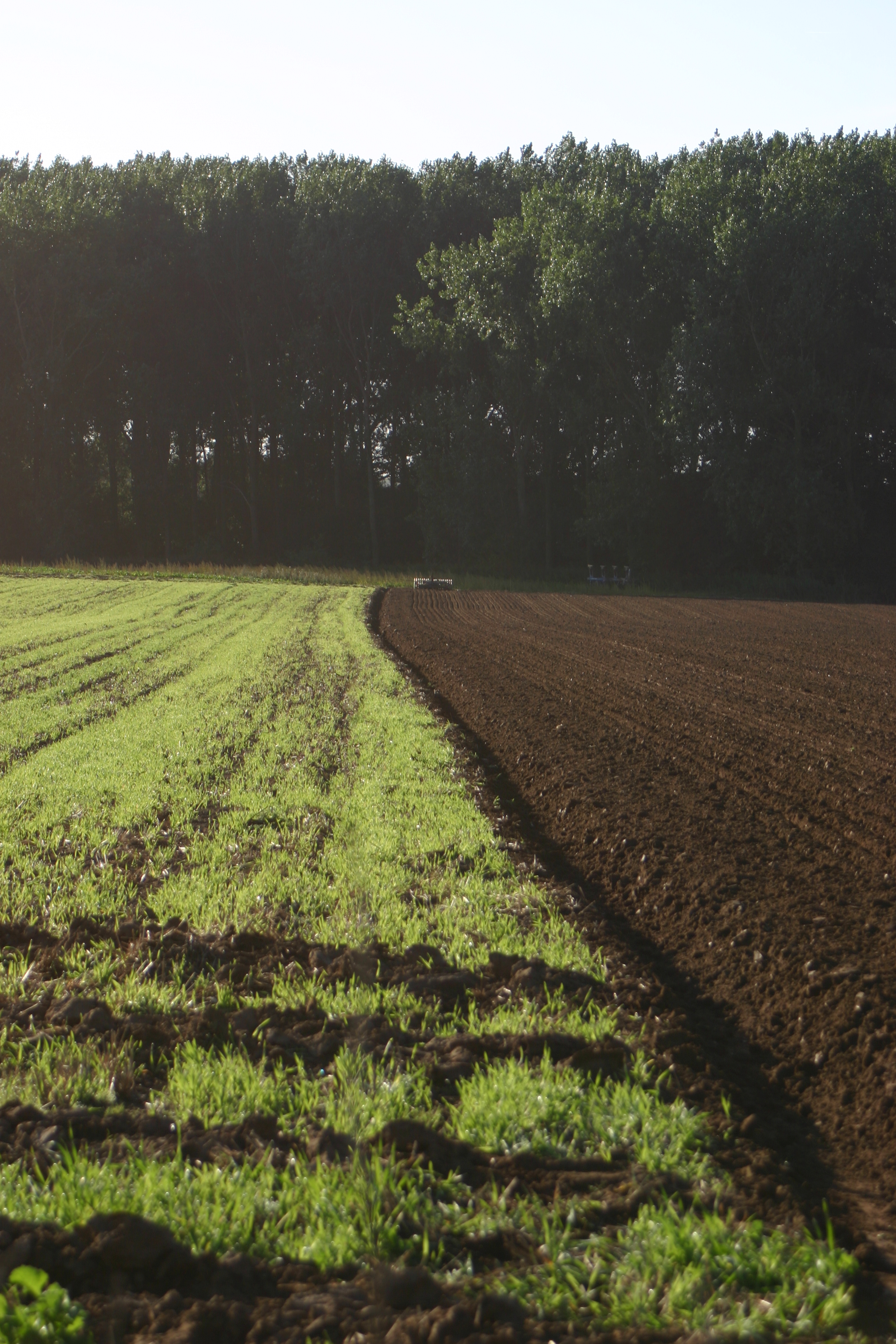
Graham earlier in the year planted his ‘Historic wheat’ around the Church and hoped for good weather.  At first nothing happened, but thanks to our wonderful summer the wheat which is a variety used from around 1600, is now perfect for harvesting.

The Vintage Harvest will give 21st century consumers an insight into how harvests were very much a community event before the introduction of combine harvesters.  It will be a great opportunity to re-connect with our rural heritage.  Friends from Aylsham Town Band will assist with playing some harvest hymns and a short service will include harvest blessing and of course the hymn ‘We Plough the Fields and Scatter.’

Haveringland Church stands at the end of the old Swannington World War II runway. There is a memorial stone dedicated to the service men who flew from the base at the entrance of the Church.

The modern British tradition of celebrating Harvest Festival in churches began in 1843, when the Reverend Robert Hawker invited parishioners to a special thanksgiving service at his church at Morwenstow in Cornwall.

Revd Andrew Beane, Vicar of Aylsham said “This is a wonderful opportunity to see history come alive and realize why the end of the harvest was truly a time to celebrate!  Life through the winter depended on a good harvest.  We now so often forget the absolute dependence on the land that our great grandparents generation knew, and which so many people around the world still experience.  We are so grateful to Graham who has cared for the crop throughout the year to make this special event possible.”

The Vintage Harvest is free to all and anyone is welcome to come along.  It would be wonderful to see young and old together sharing in what was once a common event all around rural Norfolk.  Why not bring a picnic and join us!

Sunday 6th October, 2.30pm – Haveringland Parish Church

Haveringland Church can be found by following the brown Church signs off the B1149

WEATHER PERMITTING – FREE EVENT – PARKING AVAILABLE – REFRESHMENTS

Related article:  The Church in the Fields

Old School Gardener

gressenhallfw's avatarGressenhall Farm and Workhouse

Following up from my last blog explaining how we had been harvesting the rye, oats and barley down on the farm, (I hoped you all liked it) I thought that as my latest blog coincides with our potato harvest, I would explain a little further.

Image

 Richard with the horses

The way we harvest the potatoes here at Gressenhall is through the use of a horse drawn Ransomes potato spinner. The spinner we use is a later model dating from around the 1940s.

Image

Spinner

Image

 Bottom blade and tines

As you can see from the picture above, the spinner works by the bottom blade cutting into the ridged row of potatoes and then the spinning tines pushing the crop out to the side. As the blade digs into the row, the soil that is pushed up cushions the potatoes from being bruised and broken during the harvesting process. The spinner is powered…

View original post 174 more words

IMG_7411I recently featured a poem by a former neighbour, Jack Kett. I’ve now picked up one of the books of his poems and thought some of these are so evocative of the landscape around me here in Norfolk, that I’d feature a few more. So here’s the first as we end September…..

‘September morning, with the warm sun growing

In warmth and brightness, scattering mists of pearl,

Which round the waking village flow and furl.

And see, the top of the church tower is glowing,

Splendid, sunlit, above the misty sea,

Now ebbing  fast to set the morning free.

Along the hedgerow countless dying weeds

Show one last beauty in their feathered seeds.

The chattering sparrows wheel, and wheel again

Across the stubble field, and by the lane,

Among the dew-drenched grasses hardly seen,

Yet showing rarely a sun-gilded sheen,

A silver maze of gossamer is spread,

While all around hang berries, richly red.’

‘September Morning’ by John Kett from ‘A late lark Singing’ (Minerva Press 1997)

Related articles:

The Church in the Fields

Old School Gardener

PicPost: God's Fingers

Peak District

Finding Nature

Nature Connectedness Research Blog by Prof. Miles Richardson

Norfolk Green Care Network

Connecting People with Nature

Discover WordPress

A daily selection of the best content published on WordPress, collected for you by humans who love to read.

Susan Rushton

Celebrating gardens, photography and a creative life

Unlocking Landscapes

Writing, photography and more by Daniel Greenwood

Alphabet Ravine

Lydia Rae Bush Poetry

TIME GENTS

Australian Pub Project, Established 2013

Vanha Talo Suomi

The Journey from Finnish Rintamamiestalo to Arboretum & Gardens

Marigolds and Gin

Because even in chaos, there’s always gin and a good story …

Bits & Tidbits

RANDOM BITS & MORE TIDBITS

Rambling in the Garden

.....and nurturing my soul

The Interpretation Game

Cultural Heritage and the Digital Economy

pbmGarden

Sense of place, purpose, rejuvenation and joy

SISSINGHURST GARDEN

Notes from the Gardeners...

Deep Green Permaculture

Connecting People to Nature, Empowering People to Live Sustainably

BloominBootiful

A girl and her garden :)