Category: Heritage Gardens & gardening


Heritage Gardening Trainee Vacancies

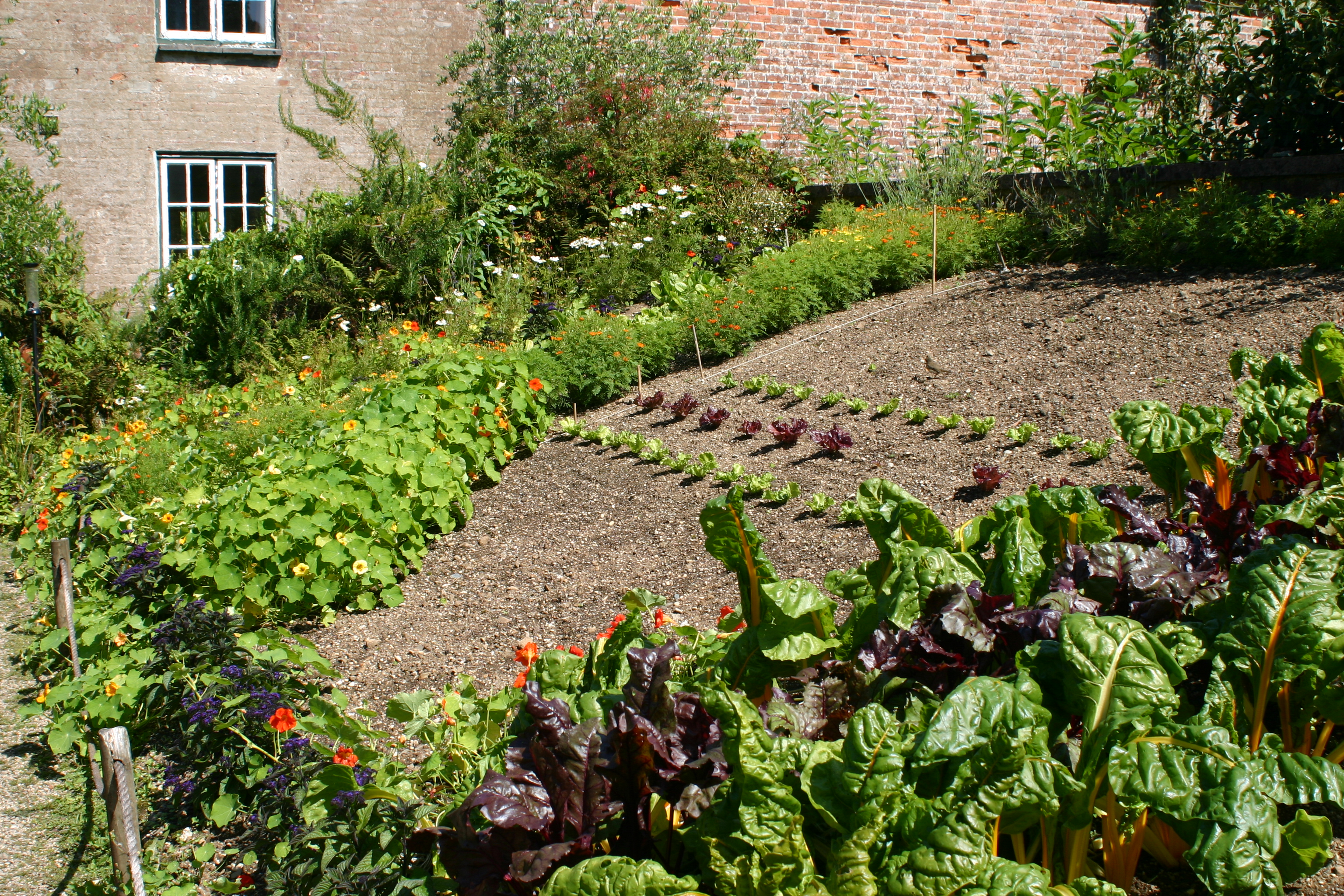
garden pic gressenhallI was one of the first Heritage Gardening trainees at Gressenhall Farm and Workhouse Museum, Norfolk. There are some new vacancies now available, including placements at historic gardens in Norfolk and Cambridgeshire. Just click on the link above for more informaiton.

Old School Gardener

IMG_6850Very much a garden for the plant enthusiast, I think, particularly if you’re into sub tropical ferns and sun loving agaves. When we visited in mid August the three valleys that make up this garden were bathed in warm sunshine and there was the sound of children’s laughter from the Maze and play spots. The valleys tip out into the Helford river where the hamlet of Durgan (now a series of holiday lets run by the National Trust), looks across the wide, slow running estuary that leads to Falmouth a little further up stream.

There’s also much of interest here for those that love inspiring landscapes, featuring variations in foliage shape, size and tint coupled with the different masses and forms of the many exotic trees and shrubs. This is a well crafted garden that makes the most of its situation, with breathtaking valley-side paths that give glimpses of interesting trees, features and of course that maze.

Despite being busy when we visited, the garden’s enclosed volume seemed to capture sound and, rather like a cathedral, gave back softened echoes that settle the soul.

Glendurgan Garden was laid out by Alfred Fox in the 1820s and 1830s, with the famous Cherry Laurel Maze being created in 1833. In 1962 Glendurgan Garden was given to the National Trust by Cuthbert and Philip Fox. Key features are the giant rhubarb plants in the jungle-like lower valley and spiky arid plants basking in the sunny upper slopes. There’s also a seat made out of an upturend boat, several tulip-trees and ponds. I gather that the Trust have introduced some colour into the gardens, where spaces naturally fall between the more major planting, but this is principally of spring and early summer wild flowers, long gone by the time of our visit. We must return at another season…

Further Information: National Trust Website

Old School Gardener

If you’ve enjoyed reading this post and others on this blog, why not comment and join others by signing up for automatic updates via email (see side bar, above right ) or through an RSS feed (see top of page)?

One of the sloping beds

One of the sloping beds

My previous article on Trengwainton covered the wider gardens and grounds as well as some historical background. Today I want to focus on the extensive walled gardens, built by previous owner, Rose Price. This is said to follow the dimensions of Noah’s Ark- though why, I’m not sure.

It also seems to have been created as a response to the period of persistently cooler weather known as the ‘Maunder Minimum’ (or otherwise known as the ‘prolonged sunspot minimum’). This period- starting in about 1645 and continuing to about 1715 – was when  sunspots became exceedingly rare. The term was named after the 19th Century solar astronomer Edward D. Maunder who studied how sunspot latitudes changed with time. The Maunder Minimum coincided with the middle—and coldest part—of the ‘Little Ice Age’, during which Europe and North America were subjected to bitterly cold winters. recent research has established a causal link between low sunspot activity and cold winters.

The surrounding garden wall prevented warm air from escaping from the garden on cool nights, thereby allowing frost-sensitive fruit trees to survive, despite the cooling climate. The walled garden is also interesting for its use of sloping beds – orientated to take advantage of the sunny aspect and so aiding the warming of the soil and creating beneficial growing conditions. 

The gardens – there are separate walled enclosures rather than one large expanse – are both a fascinating horticultural legacy and also a modern-day guide to good food and flower growing. There are demonstration plots and little corners showing different sorts of container growing, raised beds, nectar – rich flowers, a DIY device for creating liquid plant food etc. A wide range of food is still grown here as well as beautiful ‘cottage garden’ style flower borders, orchards and a demonstration plot conjuring up the ‘Dig for Victory’ campaign of the second World War. And while we were there the Gardens sported a delightful display of home-made ‘fairytale’ characters which amused and enchanted the young children who were eager to discover the next character on their way round!

This slideshow requires JavaScript.

Related article: West Country Gardens: Hydrangea Heaven at Trengwainton

Another one of the ‘Tre’s’  or ‘place’ in Cornish. Trengwainton was one of those west country gardens I visited during my summer holiday in West Cornwall and Devon. The estate and gardens are huge and richly varied, so I’ll devote this article and pictures to the wider estate and gardens along with some general background. A following post will focus on the fascinating walled garden.

Trengwainton, located  in Madron, near Penzance, has been in the ownership of the National Trust since 1961. The garden is noted for its collection of exotic trees and shrubs as well as great views over Mount’s Bay and The Lizard peninsular. A house has stood here since at least the 16th century and was altered and extended in the 18th and 19th centuries (it’s now a listed building).

In 1814 the estate was bought by Rose Price, the son of a Jamaican sugar plantation owner. Trengwainton was sold following the loss of income resulting from the 1833 Emancipation Act (which freed slaves on the family’s Worthy Estate in Jamaica). In 1867 the property was bought by T S Bolitho whose family still live in Trengwainton House. Rose Price planted trees and built the walled gardens and in 1925 Sir Edward Bolitho and his head gardener Alfred Creek continued the development of the gardens. They were opened to the public, for the first time, in 1931. The Victoria Medal of Honour for Horticulture was awarded by the Royal Horticultural Society to Sir Edward in 1961 and in the same year he donated 98 acres to the National Trust.

The day of our visit was sunny and warm. The walk around the gardens was a delight. Exotic plantations (many created during the 1920’s craze for exotic, new plants), give way to a long, winding, uphill approach to the House, which is lined with meandering footpaths and dells with running water, masses of different hydrangeas in bloom, all under the dappled shade cast by many and varied trees. This opens out to a large lawn in front of the House and beyond this to a pretty elevated walk lined with Agapanthus and twin focal – point pavilions. This area affords spectacular views of the coastline – and is obviously also a good spot to learn kite flying!

The estate is famous for its spring show of Camellias and Azaleas. The late summer show from the Hydrangeas, Agapanthus, Fuchsias, ferns and exotics, was very impressive – I must return in the spring to compare! As part of its campaign to get children to do ’50 things before you’re 11 3/4′ there was an invitation to create some ‘Wild Art’ (I couldn’t resist) as well as the kite flying and other adventures – a great idea.

This slideshow requires JavaScript.

Sources and further information:

National Trust website

Wikipedia

Old School Gardener

If you’ve enjoyed reading this post and others on this blog, why not comment and join others by signing up for automatic updates via email (see side bar, above right ) or through an RSS feed (see top of page)?

245

Thanks for the memories- Gressenhall Farm & Workhouse Gardens

‘Thordis Fridriksson visits the garden at the former Gressenhall workhouse, and finds the clock turned back both to the 1930s – and her own childhood….’

A lovely artilcle describing the gardens where I am a volunteer gardener.

Related articles:

From Paupers to Pippins – Orchard’s Secret History at Norfolk Museum

Down on the Farm – Gardens to ‘dye’ for at Norfolk Museum…

From Grand entrance to Grand Central at Norfolk Museum

Gypsies, tramps and thieves: garden where poor once trod at Norfolk Museum

Cottage Garden recreates 1930’s at Norfolk Museum

Old Workhouse Garden a wildlife oasis at Norfolk Museum

Unique Heritage Gardens at Norfolk Museum

Old School Gardener

IMG_7367

Whilst visiting our son (who’s studying at Loughborough University) we took advantage of the ‘Heritage Open Days’ event at nearby Calke Abbey, Derbyshire. Billed by owners, the National Trust as ‘The un-stately home and country estate’ because of its peeling paintwork and overgrown courtyards, Calke Abbey is witness to the wider decline of country house estates all over Britain, especially after the First World War (avid viewers of the latest TV series of ‘Downton Abbey’ can get a taste of some of the issues – death duties, lack of staff, economic downturn).

Whilst some of the House and stables have been restored, there are still many other areas where old furniture, toys and a myriad other ‘heirlooms’ have been left to speak volumes of how the British landed gentry went through a major ‘downsizing’. Admittedly the family who owned Calke did amass a vast collection of curiosities and ‘hidden treasures’- there are fascinating collections of sea shells, rocks and pebbles for example.

The house was delightful and had some very friendly ‘in character’ guides to help tell the story. But the garden was the gem in my eyes. Extensive parkland with a number of beautiful mature trees, deer roaming and typical Victorian curiosities like the fernery give way to a massive walled garden, much of which is now just turned over to grass, but a significant portion of which houses a wonderful kitchen garden (with an access tunnel to ensure the gardeners weren’t seen from the house!). There is also an impressive array of original glasshouses and an orangery in which peaches and other tender fruit and veg are still grown. I particularly liked the Squash Tunnel made of rustic poles and featuring a range of different squashes. Approached by a colourful Dahlia border, there’s also a fascinating ‘Gardeners’ Bothy’, complete with old tools and equipment, seed trays and prize certificates from yesteryear! I was puzzled by one seed drawer, labelled ‘Borecole’. I hadn’t come across this name before and guessed it migth be some local corruption of ‘broccoli’. I now know it’s another term for Kale or a particular variety of Kale!

Walking through the pretty featureless,  grassed over walled garden you suddenly turn a corner and enter a more intimate, warm, walled garden with blocks of bright colours and interesting foliage. An amazing contrast, this formally laid out garden with a range of exotic plants as well as classic bedding, made me draw breath and smile like a Cheshire Cat!

This area has been superbly laid out and the colour, foliage and flower combinations are very impressive. There’s an ‘Auricula Theatre’ currently housing Pelargoniums (see the picture I posted of this earlier in the year) and a pool, all contributing to a peaceful spot where you can (and we did) sit and gaze at the wonder of nature – as coaxed and displayed by man of course! This was a truly inspiring afternoon, so if you get the chance, get along to Calke Abbey (by the way there was never an abbey here).

Further information:

National Trust Website

History- Wikipedia

Old School Gardener

If you’ve enjoyed reading this post and others on this blog, why not comment and join others by signing up for automatic updates via email (see side bar, above right ) or through an RSS feed (see top of page)?

Tamara Jare's avatarMy Botanical Garden

PICT2843PICT2942PICT1821PICT1830PICT1848PICT3062PICT3064PICT3077I guess people in common do have at least slight inclination towards collecting different artefacts. Then I am among the ones who have stronger tendency for collecting. Which makes me happy is not the possession of different items, but the ways they can be arranged in logical categories. From that point of view I could  find ferns interesting items.But I was still surprised to hear about pteridomania, a fern collecting craze in Victorian England. People got crazy collecting different ferns to that extent that some of the ferns got almost extinct! Honestly, I can’t blame them, arranging those photos I’ve almost started collecting ferns!
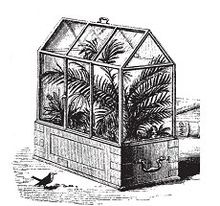
Pteridomania, meaning Fern Madness or Fern Craze, a compound of Pteridophytes andmania, was coined in 1855 by Charles Kingsley in his book Glaucus, or the Wonders of the Shore:  Your daughters, perhaps, have been seized with the prevailing ‘Pteridomania’…and wrangling over unpronounceable…

View original post 66 more words

IMG_7215

I recently responded to a challenge from fellow blogger, ‘The Anxious Gardener’, to name my favourite garden. This was a light-hearted way of getting people to enter a competition to win a copy of the recent publication ‘The New English Garden’.

The competition was a ‘name out of the hat’ affair so I stood as much chance as winning as the other 30-odd entrants (and I didn’t win, so there’s another item for the Christmas list). Notwithstanding that, I thought I’d try to do the request justice and thought long and hard about where, if any one ‘where’ stood out in front of the many gardens I’ve visited, read about, seen films and pictures of.

It took some time…

In the end I came up with my nomination and set it out here and the reasons why it came out top. Oh, and I thought I’d share some pics with you too. I hope that you enjoy them.

I’ve visited and seen a few gardens over the years and it’s tricky finding one that I’d call a favourite – some have great borders or other spaces, configurations of plants, superb features and so on. Maybe its because it’s relatively fresh in my mind, but the one that does stand out is Felbrigg walled garden in Norfolk (also a local one to me and so visited quite often).

Why? Well I guess it’s the way the garden team (including volunteers and community gardeners), have managed to create a space that meets so many different needs and in a way that seems to hang together naturally:

* a warm, contained, red brick walled space, with a fountain and dovecote as strong structural elements
* glasshouses with old favourite, traditional exotics and other ‘interesting’ plants
* community food growing in plots that are obviously lovingly cared for
* a children’s gardening area complete with digging pits, tools, washing facilities and novelties such as chickens running free, willow teepees and tunnels
* newer areas set out with mediterranean – style planting, meadows and feature shrubs
* plenty of comfortable seats to entice you to stop, look and soak up the atmosphere
* lots of attractive information about the plants themselves (all the significant ones carefully and attractively labelled) as well as some of the current tasks in the garden and information/quiz sheets for the kids.

All in all a visit to Felbrigg is a tremendously rich experience where the general public, serious gardener and trained horticuluralist (and their children) can come together and have their curiosity tickled, be enthused, amazed and go away feeling regenerated.

Do you have a favourite Garden? I’d love to hear from you!! (no prizes I’m afraid)

Further information: National Trust website

Old School Gardener

If you’ve enjoyed reading this post and others on this blog, why not comment and join others by signing up for automatic updates via email (see side bar, above right ) or through an RSS feed (see top of page)?

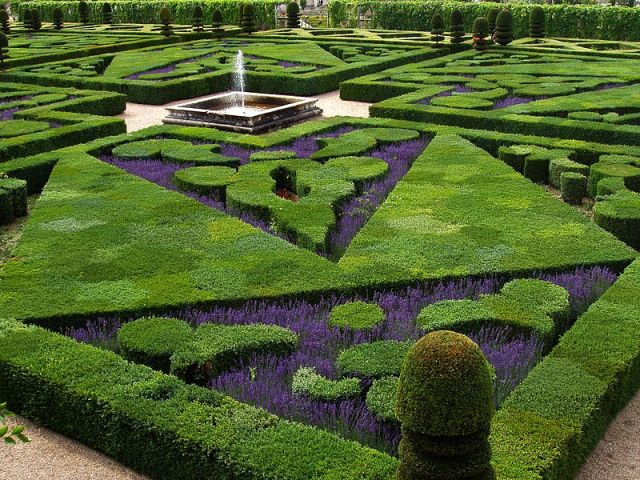
PicPost: Geometric Progression

Villandry, France via Jean Aernoudts

Finding Nature

Nature Connectedness Research Blog by Prof. Miles Richardson

Norfolk Green Care Network

Connecting People with Nature

Discover WordPress

A daily selection of the best content published on WordPress, collected for you by humans who love to read.

Susan Rushton

Celebrating gardens, photography and a creative life

Unlocking Landscapes

Writing, photography and more by Daniel Greenwood

Alphabet Ravine

Lydia Rae Bush Poetry

TIME GENTS

Australian Pub Project, Established 2013

Vanha Talo Suomi

The Journey from Finnish Rintamamiestalo to Arboretum & Gardens

Marigolds and Gin

Because even in chaos, there’s always gin and a good story …

Bits & Tidbits

RANDOM BITS & MORE TIDBITS

Rambling in the Garden

.....and nurturing my soul

The Interpretation Game

Cultural Heritage and the Digital Economy

pbmGarden

Sense of place, purpose, rejuvenation and joy

SISSINGHURST GARDEN

Notes from the Gardeners...

Deep Green Permaculture

Connecting People to Nature, Empowering People to Live Sustainably

BloominBootiful

A girl and her garden :)