
Tag Archive: water garden
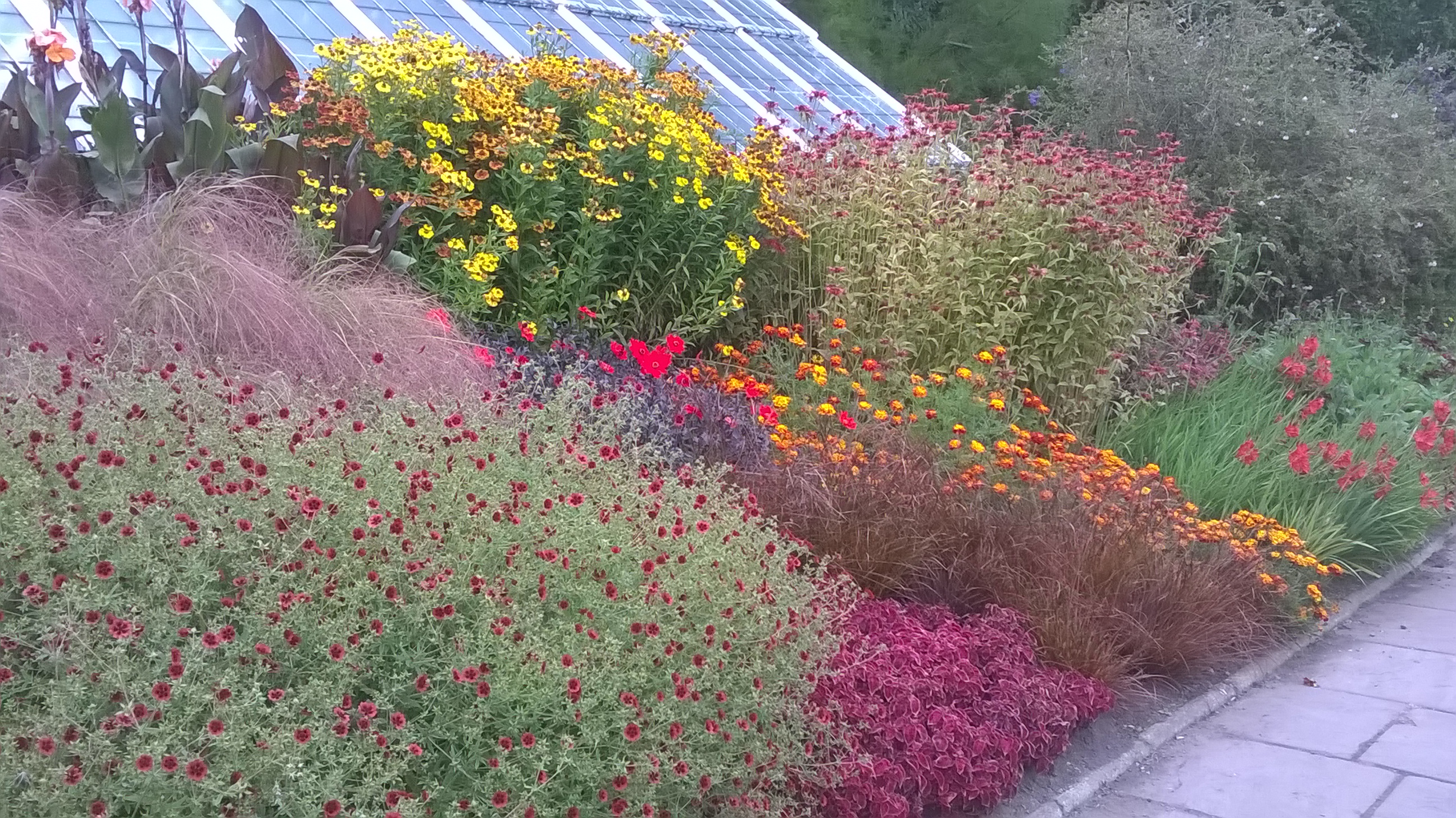
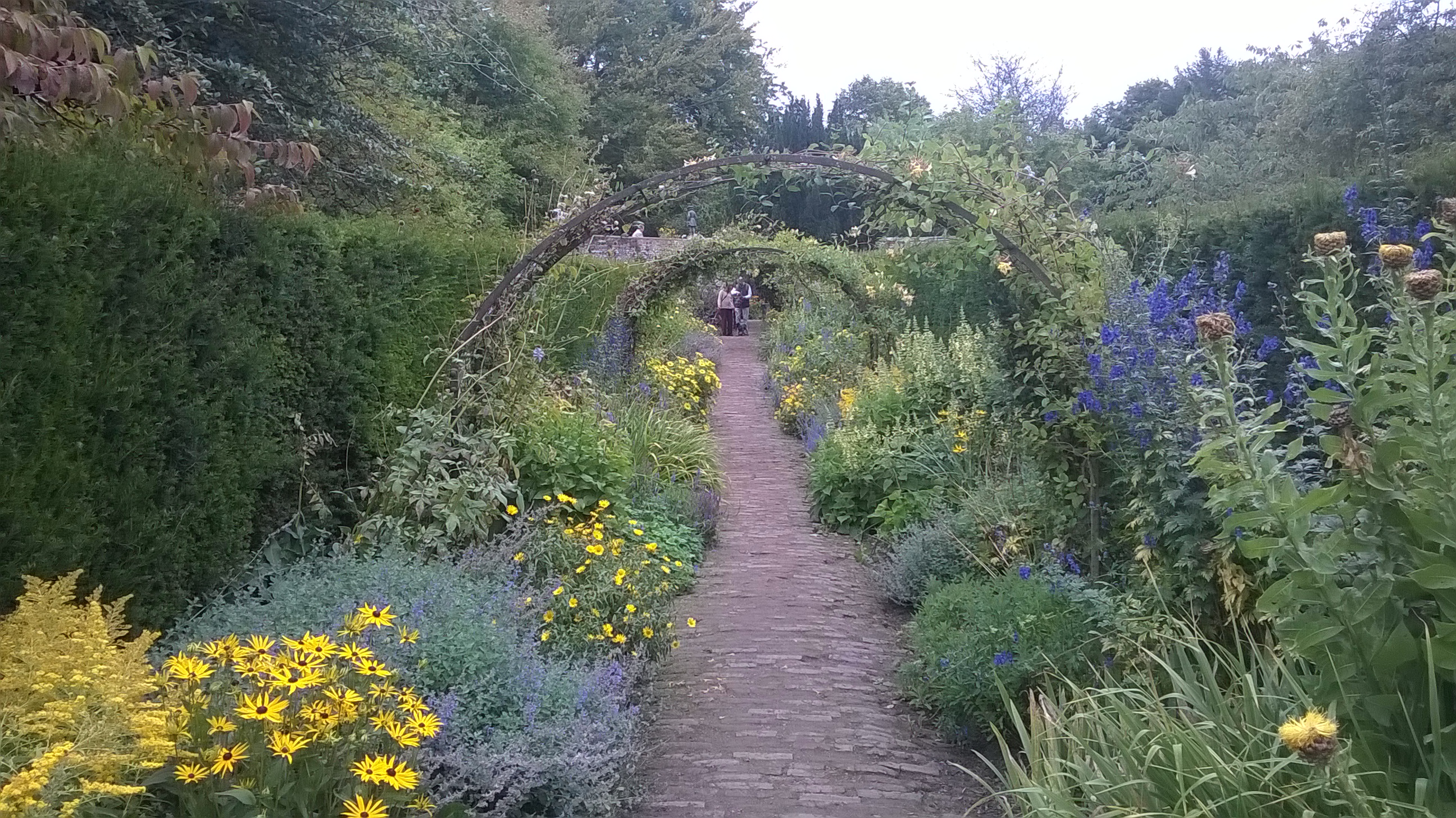
 Having returned to Oban from four days on the Isle of Mull, our second ‘hop’ involved a drive down the Argyll coast line towards our next ferry which would take us across to Arran.
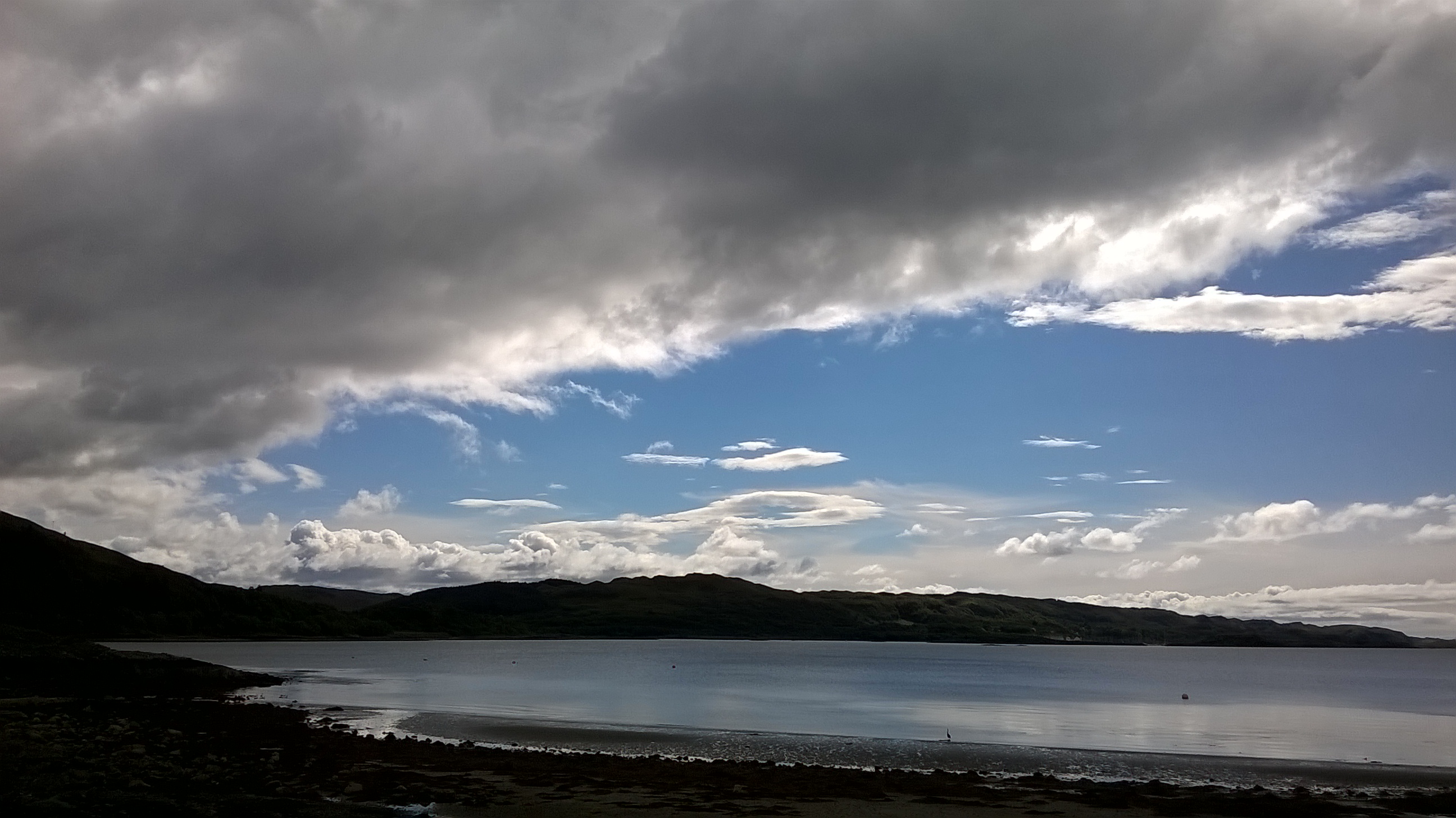
We had plenty of time, so I was on the lookout for somewhere to stop for lunch. Half an hour’s drive and we noticed a Scottish National Trust sign to a nearby garden- the perfect solution.
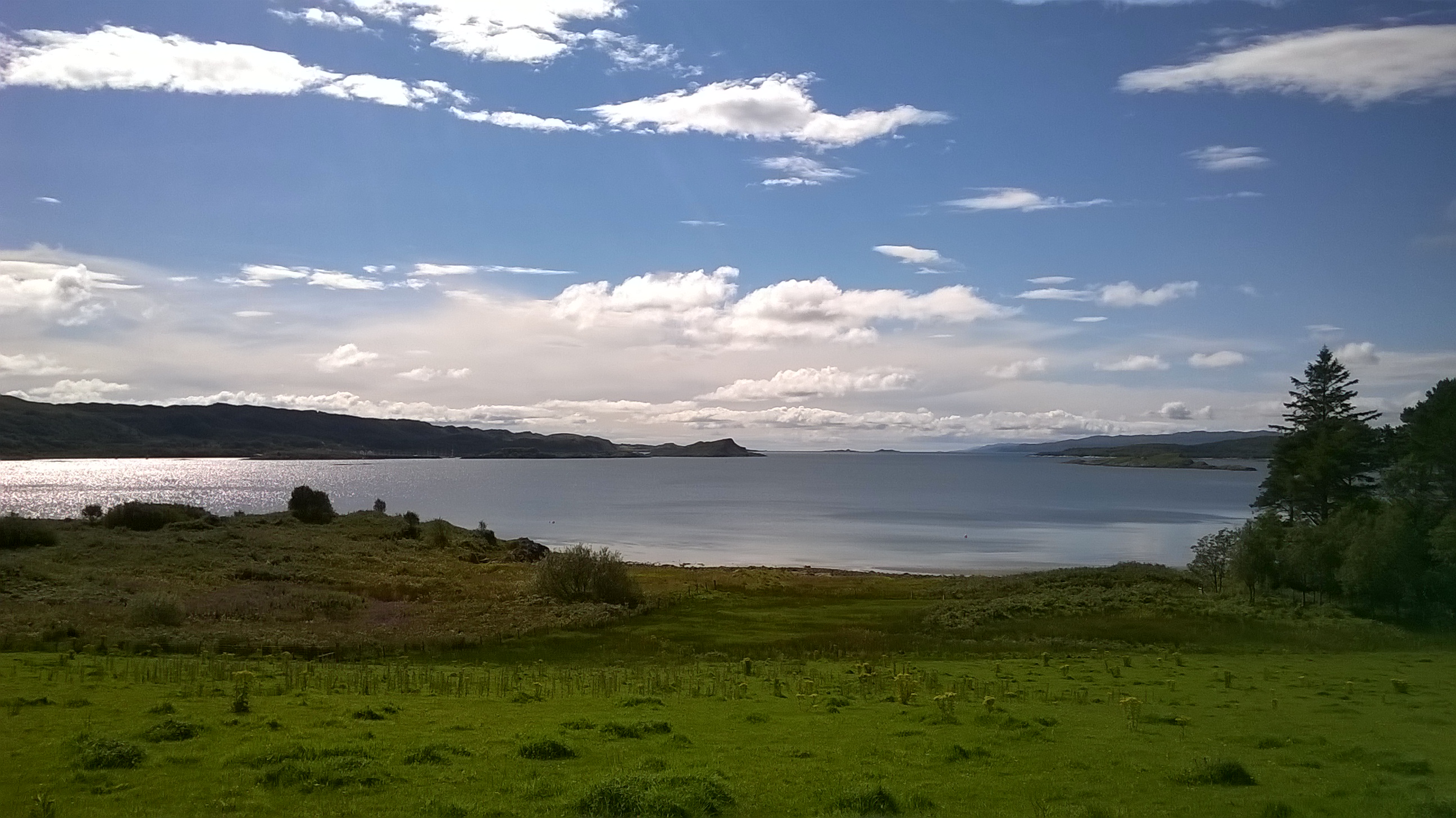
Arduaine Garden is a 20 acre tranquil green oasis on the south slope of the Arduaine peninsula which overlooks Loch Melfort. It is a coastal garden that rolls down towards the sea and is very reminiscent of many such gardens you find in Cornwall; another area blessed by the warming effects of the North Atlantic Drift.
‘a horticultural tour around the temperate world with a collection of rhododendrons, azaleas, magnolias, Blue Tibetan poppies, giant Himalayan lilies and Chatham Island forget-me-nots’


Though the weather was cloudy, we enjoyed our stroll (and lunch) through the wooded slopes and especially the wonderful water garden, with it’s range of habitats and some lovely ‘natural’ streams and ponds with ‘close up’ paths where you can see water lilies, primulas and other marginal plants.
The garden was begun on a bare promontory in 1898 by James Arthur Campbell and continued by two succeeding generations of his family. In 1965 Arduaine House was sold and became the Loch Melfort Motor Inn, later the Loch Melfort Hotel. The garden was sold in 1971 to Edmund and Harry Wright who in turn passed the garden on, as a gift, to the National Trust for Scotland in 1992.
As the headland is open to all the winds that blow, the garden hides behind a shelterbelt that keeps out the worst of the wind and salt spray and this (along with the North Atlantic Drift), allows many tender plants to be grown.
Arduaine is well-known in rhododendron circles for its wonderful collection of species and hybrids, many of which are considered tender elsewhere and grow largely under the canopy of mature Japanese larch. The garden has a great variety of flowering shrubs and trees, bamboos, ferns (including tree ferns), a large perennial collection in many mixed borders. So, the plants come from all over the world, but in particular from East Asia and South America, and in addition it has native mosses and ferns growing everywhere.


I was sorry to see that the gardens have been struck by an outbreak of the pathogen Phytophthora ramorum (‘Sudden Oak Death’). Found among the garden’s larch trees P. ramorum had previously been present in the garden at a low level in the shrub plantings and the Trust had been working with the Scottish Government over a number of years to control it. Unfortunately, despite these efforts, the fungus-like pathogen has now extended its range of host plants to include the garden’s larch trees.
Despite this setback, apparently there is no threat to the garden as a whole and the main areas of the garden are unaffected. However, in the longer-term, a new ‘vision’ for Arduaine Garden will be developed, which will set out objectives and planting regimes 20 years hence. These should be less susceptible to P. ramorum and better adapted to climate change, as well as carrying on Arduaine’s fine tradition as a ‘plant hunter’s garden’, which has continually evolved over the last century.
Old School Gardener
So, four days on and we needed to move onto stage two of our Hebridean Hop– the ferry back to Oban and the long drive along the Mull of Kintyre to catch our next ferry to the Isle of Arran. But not before stumbling across a lovely seaside garden en route- more of that in my next post.

Looking across Loch Scridain from our second stop…

…dusk…and ducks…

tide coming in pretty quickly- we were nearly cut off

Some fellow travellers on the ferry back to Oban.
Old School Gardener
 As you may have picked up, I’ve been in Portugal again recently. As well as visiting some old favourites, we ventured north to the old capital of the country, Coimbra (more on this in later posts), and on our way back to Lisbon stopped off at a wonderful historical site called Conimbriga. This site, a few miles south of Coimbra, was the Romans’ capital while they were here in Portugal, some two millenia ago.

OK, I know that this blog is supposed to be about gardens and gardening. But I occasionally feature something that is only loosely connected (if at all), just to add a bit of variety. And in truth, there is a link to gardening here, as you’ll see later.
This extensive site displays the bones of an important Roman settlement and includes some sensitive reconstruction to help you get the scale and proportions of the place- the recreation of the Forum is particularly impressive.

The space of the ancient Forum recreated on site..


A model of how the Forum might have really looked


And the other immediately remarkable thing is the wealth of mosaic floors on show, some open to the air, others carefully protected under a large sheltering canopy.


But the really noteworthy feature- well I think so- is the re-creation of the Fountain Gardens, including (for 50 cents a go) the chance to see the way the fountains might have embellished this calm, sheltered space set amid the bustle of the wider settlement.

The Fountain Garden…


Complete with Fountains…

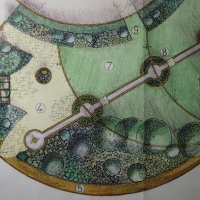
A plan and description of the garden and the huge villa it was housed within

A modern day take on water gardens
After touring the open site, it was something of a relief (from the sun) to get inside the nearby Museum, which helps add further interpretation to the site and houses a range of beautiful artefacts discovered here.


Old School Gardener




 Old School Garden