
The third object in this series is of historic importance. The Wardian Case, originally designed by Nathaniel Bagshaw Ward in 1829.
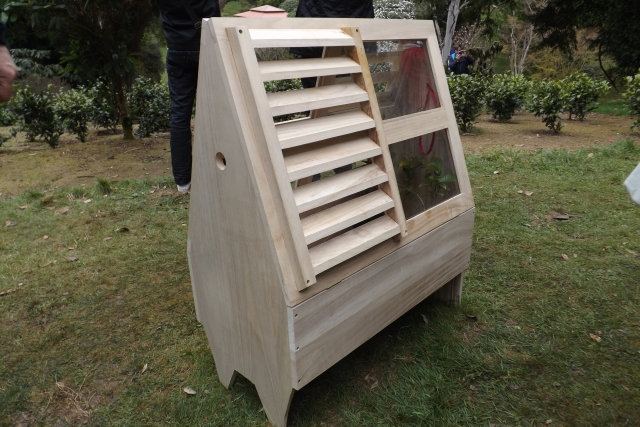
A modern reproduction of a Wardian Case at Tregothnan Gardens, Cornwall
It became a vital tool for those intrepid plant hunters of the 19th century. Without it, many of the exotic plants that now thrive in the U.K. would not have survived even half their journey from the far corners of the world.
Early plant hunters had been actively searching the world for new exotic plants from the end of the 16th century. But transporting their discoveries as seeds and dry roots because of the dehydrating sea air and a substantial lack of fresh water caused many plants to perish. The Wardian Case provided protection from the salty wind, created a mini greenhouse where the plants could use sunlight and produce their own water through condensation.
And the Case is not only of historic importance in explaining the wide range of plants now available in the U.K. It also symbolises the ways in which gardeners try to create micro climates to nurture an exotic plant or even a range of plants. They do this by growing them under glass (and a few years after Ward’s invention an explosion in greenhouse manufacture began), sheltering them from the excesses of sun, wind and rain or creating plant colonies which support each other, possibly altering the soil too.






 Old School Garden