Tag Archive: shrubs

- Using focal points- including the more unusual- is an effective way of drawing the eye away from the edges of a space
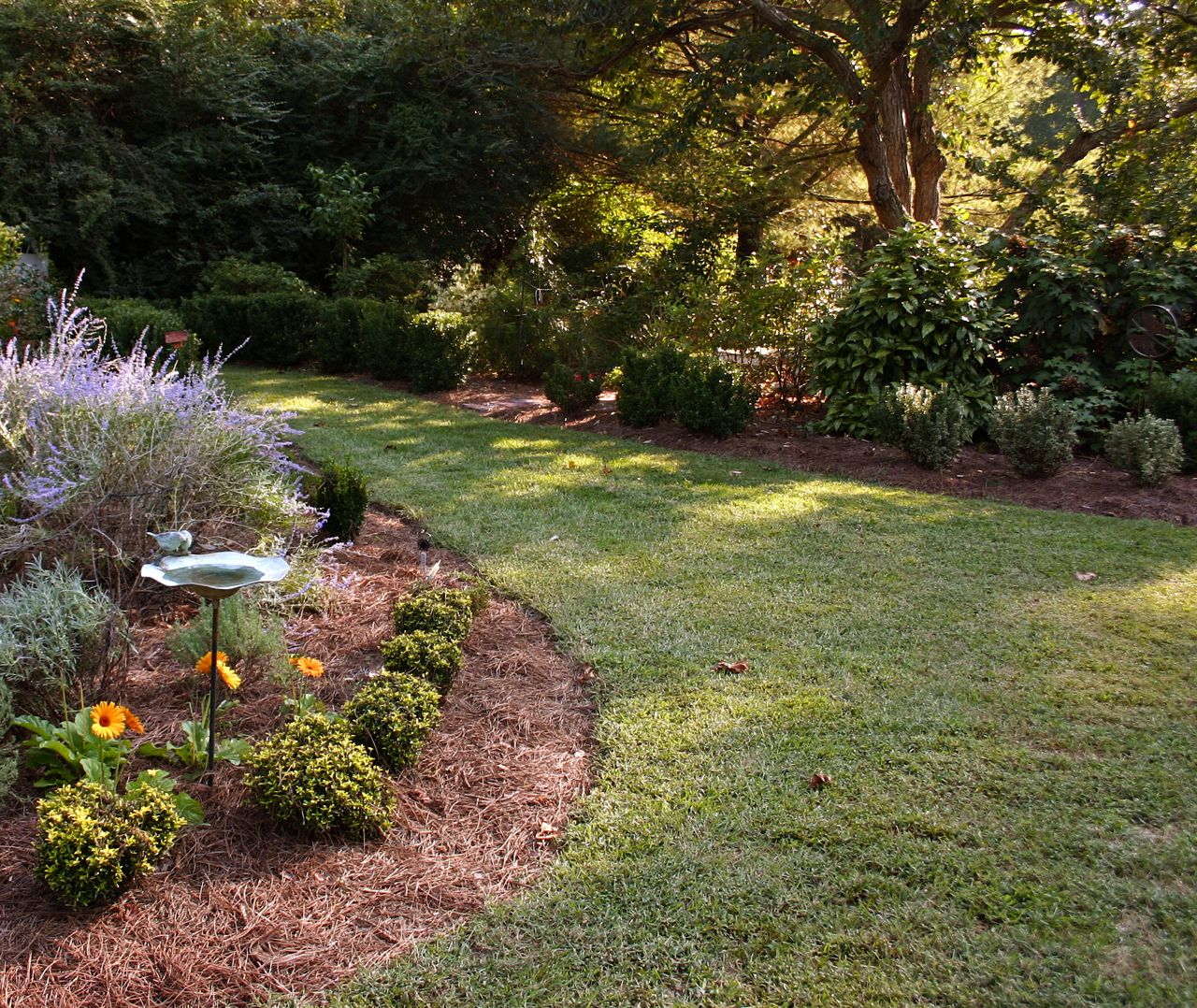
Sometimes, especially with awkwardly shaped or smaller gardens, it makes sense to try and draw the eye from the outer boundaries and create a more pleasing and, apparently larger space. Here are seven ‘top tips’ for achieving this:
1. Put square and rectangular patios and lawns at 45/30/60 degrees to the side boundaries or use shapes for these and other flat areas which contrast with the outer shape of the garden.
2. Set paths to run at an angle to the garden boundaries in zig zags or dog leg style.
3. Make paths curved, meandering from side to side.

- Paths- including grass- and the border edges they create can be meandering to take the eye on a journey..
4. Fix structures such as trellis, pergolas and arches or plant hedges across the garden to interrupt the view and to create separate compartments.
5. Place groups of tall shrubs or trees at intervals in the line of sight to block views across or down the garden.
6. Use climbers and large shrubs, especially evergreens, to disguise solid formal boundary fences and to break up the straight lines, particularly the horizontal ones of fence/ wall tops.
7. Carefully place focal points to draw the eye in various chosen directions, positioning them so that they can be seen from different places in the garden.
Related article: Arbours and Pergolas in the Garden- 7 Top Tips
Old School Gardener
Regular readers may recall that I recently mentioned my plans to run a second Garden Design course at Reepham, here in Norfolk. I’m pleased to say that this has now begun and I’m looking forward to working with the 8 enthusiastic participants over the next few weeks to come up with designs and ideas for their gardens.
Coincidentally, I was also contacted recently by one of the students on the first course, Angela, who lives in a village nearby. She updated me on what she’s done in her garden since the course and was trying to arrange a meeting with her fellow students to share progress and ideas. She also asked for some advice. As this raised an interesting issue, I thought I’d share it with you as this week’s ‘GQT’. Her question is:
‘We took out a hedge last year between our vegetable garden and the lawn. Most of the hedge area plus a bit of lawn is now a border, and we’d like to put in some sort of screen where the hedge was. We don’t want a solid screen and were thinking of espalier fruit trees. However, we do not need any more fruit trees and I think something of winter interest would be better. Thoughts so far include Pyracantha or maybe Cotoneaster. Do you think Pyracantha would work?’
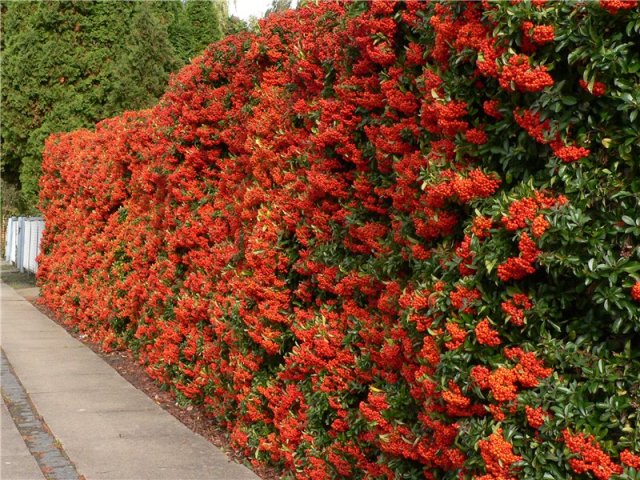
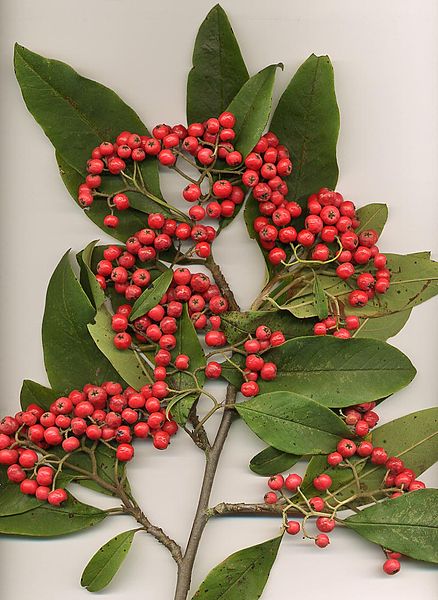
Well Angela, Pyracantha makes a lovely informal hedge, with spring flowers and autumn berries as well as evergreen foliage (see the picture above).
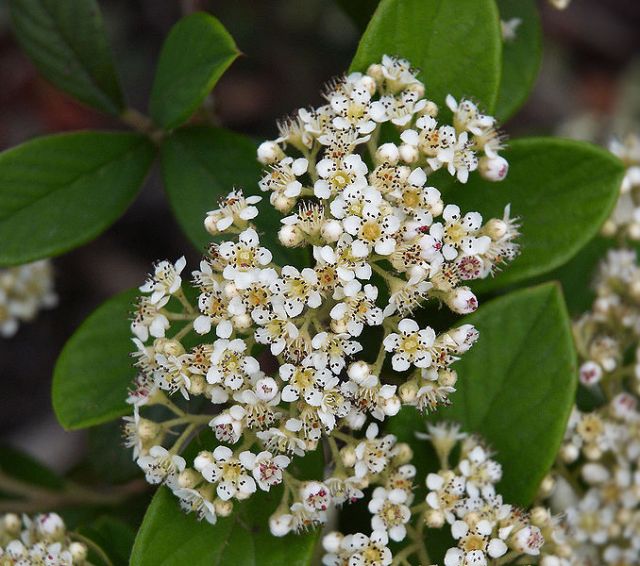
However the ones suitable for hedging can grow to 2 – 3 metres high (and can also be quite wide), so unless you keep it cut back it will provide a pretty dense and high screen, perhaps not what you were looking for? The Cotoneasters suitable for a hedge (e.g C. lacteus) have similar range of interest to Pyracantha and are also pretty dense and tall, unless kept in trim. But doing this rather defeats the object of an ‘informal’ hedge, unless you keep trimming to a minimal tidy up of loose ends!
If a more permeable screen is what you’re after, you could go for a backdrop of grasses that would add a lovely golden colour to a border at this time of year.
If they are in a sheltered spot they will stand tall and provide some winter interest (cut them to ground level in the spring); an example is Calamagrostis x acutiflora ‘Karl Foerster’. You could of course mix these along the line of the old hedge with evergreen shrubs (themselves with a variety of interest through the seasons). This would once again define the back of the border in an informal way, leaving ‘peep holes’ through the grasses into the garden beyond.
If you’re looking for something to provide a strong linear backdrop to your border but still give views through to the next garden, another idea might be to go for some sort of post and rail/rope structure (the latter is known as a ‘swag’- see the picture at the top of the article), or even a series of wide – opening trellis panels.
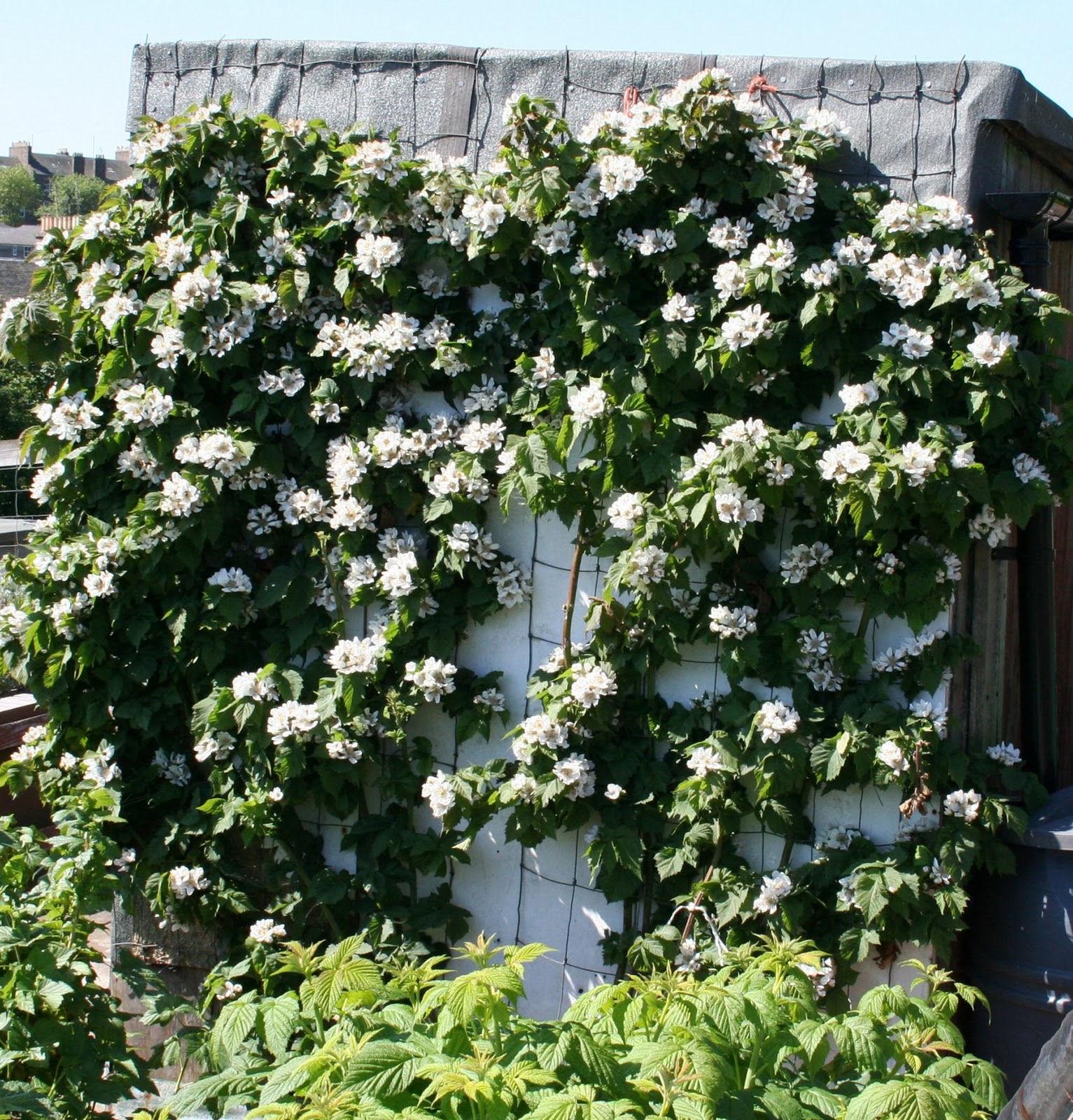
This then gives you the option of climbers to train up and along the wood/rope, but gives you views/glimpses through to what lies beyond. You could go for a mixture of climbers to give you a range of seasonal interest. Clematis of different varieties will give you flowers throughout the year, including winter flowers (e.g C. cirrhosa and its cultivars have winter flowers in creamy/ freckled shades and evergreen leaves). And some varieites give you other sorts of Autumn/winter interest. For example C. tangutica and it’s cultivars have some lovely ‘hairy’ seed heads that last into winter. Rambling/ climbing roses would also provide summer/early autumn flowers, followed by hips on some varieties. However, some of the Clematis (e.g cirrhosa) can get quite bushy so will need to be kept in check if you want to have views through – and the roses will also need pruning. Another option is to train a Pyracantha along a post and rail barrier to give you that ‘espalier’ effect you mentioned (see picture below).
Alternatively try one of the above options, but additionally introduce some winter interest directly into your border – e.g colourful stems from the various Cornus (Dogwoods), or foliage, flower and fragrance from any number of shrubs; e.g Daphne, Winter Jasmine, Eleagnus, Euonymus, various Viburnums etc.
Further information:
Hedge selector
10 AGM variegated evergreen shrubs- RHS
Hedge planting- RHS
All about Pyracantha
Related article:
GQT: Climbers as clothing… and as heighteners and dividers
Old School Gardener
If you’ve enjoyed reading this post and others on this blog, why not comment and join others by signing up for automatic updates via email (see side bar, above right ) or through an RSS feed (see top of page)?
This week’s question is from Ivor Smallplot in Suffolk:
‘I have a small courtyard garden and wish to grow some shrubs in pots. What are the best varieties for this purpose, please?’
Heathers do well in pots, Ivor – even if your soil is rather limey (alkaline), you can provide an acid soil in the containers and so grow the summer flowering varieties. All the Hebes (shrubby Veronicas) are happy in pots, as are the less vigorous Berberis – but mind the thorns!
For winter colour plant the evergreen Euonymus, especially the delightfully variegated ones such as ‘Emerald Gaiety’, ‘Aureopictus’ and ‘Silver Queen’. New Zealand Flax (Phormium tenax) is also a good looker with its long, narrow leaves in many colours, as are Yuccas, with their rosettes of long needle-pointed leaves.
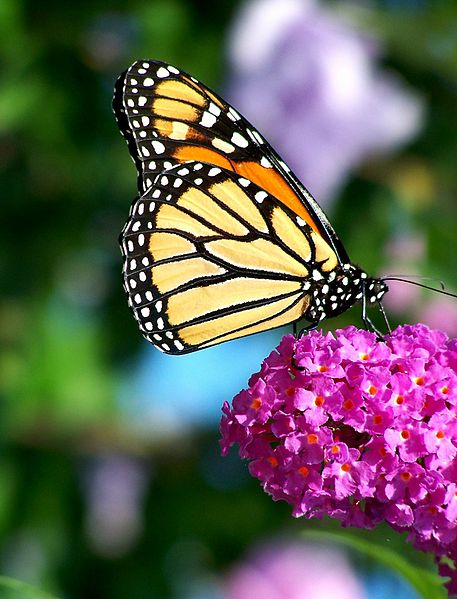
Further afield in the garden, you might want to grow shrubs that are especially attractive to bees. If so try flowering currants (Ribes) and goat willow (Salix caprea) for early flowering. Later in the year there are many shrubs to choose from including the ever popular ‘Butterfly Bush’ (Buddleja davidii), Californian Lilac (Ceanothus), Firethorn (Pyracantha), Lilac (Syringa), Gorse (Ulex) and Daisy Bush (Olearia).
Old School Gardener
If you’ve enjoyed reading this post and others on this blog, why not comment and join others by signing up for automatic updates via email (see side bar, above right ) or through an RSS feed (see top of page)?




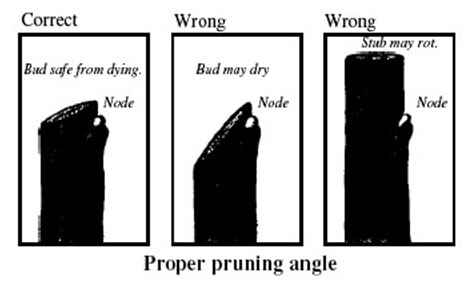
As we roll on towards Christmas, you might be lucky to receive a present of some bare rooted shrubs like George Wellbeloved from the Scottish highlands: