Tag Archive: grow your own


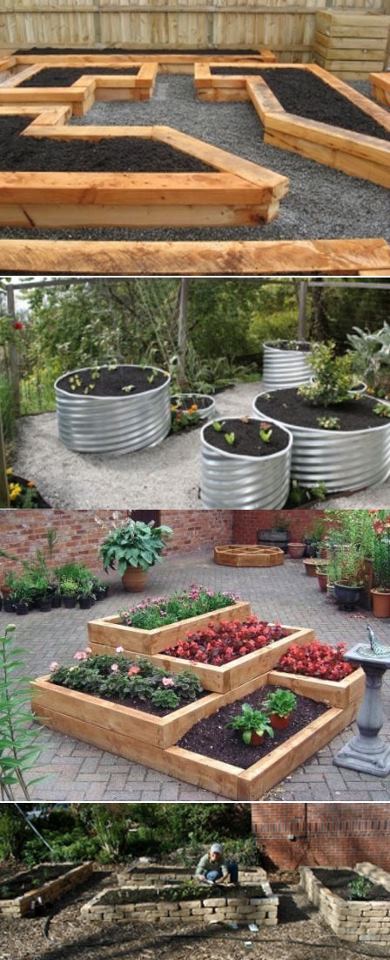
PiocPost: Grow up

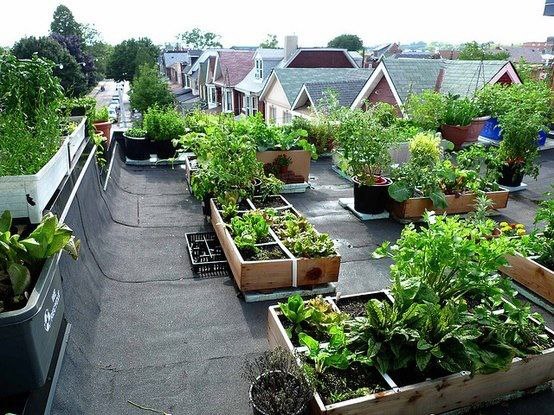
PicPost: Up on the roof

First Lady and 3 sisters - Michelle Obama showing American children how to plant

First Lady and ‘3 sisters’ – Michelle Obama showing American children how to plant

The final post in the series ‘Growing Children’ sets out a few tips on techniques for planting and nurturing your School Garden and making the most of harvesting and cooking what you’ve produced.

Planting and nurturing

  • Grow easy crops such as Broccoli, Chard, lettuce, Carrots, potatoes, Garlic, leeks, peas, beans, cucumber, tomato and herbs. Aim to grow a good amount of each crop to take account of children’s inexperience and if you have lots of plants these can be sold or grown on and the produce sold or given away.
  • Aim to grow different types of crop in different areas and ‘rotate’ these each year to avoid building up pests and diseases and to ensure the soil doesn’t get drained of its nutrients.
  • Save time and hassle by growing some plants from bought/donated seedlings rather than directly sowing in the garden. You could grow your own seedlings if you have a greenhouse or indoor space to develop these from newly germinated seeds. However, it might be worth buying in some seedlings from the local nursery and planting these out, once conditions are right. Plants such as Broccoli, Chard, Leeks, onions and tomatoes might be best grown from seedlings.
  • For both seed sowing or planting divide your class into smaller groups and one group can sow seed while the other does something else, and then swap over. This makes it easier to explain and demonstrate the sowing process.seed-packets-2009
  • When sowing directly into the ground pay attention to the seed packet directions as to time of year and temperature of the soil etc. Larger seeds such as peas, beans and squash can be sown directly by the children. Smaller seeds are more fiddly and need constant moisture to germinate (so avoid dry spells or be prepared to water). Broadcasting seeds (randomly spreading across the ground) is useful for tiny seeds though you could add some fine sand into the seed mix and use this to sow more easily in rows. Get the children to help prepare the seed bed, rule out the area for sowing/ mark a row and evenly distribute the seed. You’ll probably need to thin out the growth from broadcast seeds – children’s small hands and fingers are great for this! Look at the seed packet for guidance on final spacing of the thinned crop.
  • When planting seedlings show children how to remove the plant from its pot (by gently tapping the bottom and squeezing the sides, not by pulling the stem!). Look at the roots – untangle them gently if they are bound together and place the plant gently in a prepared hole that’s larger than the plant’s roots. Gently pull soil over the roots and up to the stem, firming the soil gently around it. Check all the children’s planting to make sure they are all firmed in and water them in.
  • Potatoes should be grown from disease free tubers purchased from the local nursery, and possibly ‘chitted’ on a light windowsill if they are early varieties. They can be planted in trenches (ideally dug and filled with organic matter a few weeks ahead of planting –  this is usually around Easter time in the UK). Once placed in the trenches the soil is pulled over the top into a long mound (if planted in rows) – look at the information on planting depths and distances etc. that usually comes with the tubers.

Here’s a link to a video report compiled by students of Reepham High School and College, Norfolk which includes a piece about the School Garden at Cawston Primary School, focussing on their ‘plastic bottle greenhouse’- a great idea to promote recycling as well as a relatively cheap greenhouse! I’ve been supporting both Schools in their School gardening activities.

Sowing seed - especially the smallest kinds - can seem a bit fiddly even for little fingers!

Sowing seed – especially the smallest kinds – can seem a bit fiddly even for little fingers!

Harvesting and cooking

  • Harvesting crops needs careful planning. You will need to explain the different methods required for each crop (cut, dig or pick) and also talk about the importance of hygiene, as the crops are now turning into food for the plate. Think about weighing and recording the yields of different crops and so provide some records which can be used for comparison in the future.
  • Some crops can be left for the children to harvest at will and possibly also eat on the spot – tomatoes, broad beans and young peas being good examples.

    Harvesting what they've grown is a great thrill for children

    Harvesting what they’ve grown is a great thrill for children

  • When cutting greens give each child a set number of leaves to cut – that way you avoid over cutting which si wasteful if you only want enough for meal and you will also avoid cutting too much and damaging the plants capacity to produce new growth.
  • For root crops and potatoes the digging up is great fun – like finding buried treasure! Potatoes can be dug once the flowers  or leaves have faded – a hand fork could be useful to aid the process. Demonstrate the way to carefully search for the tubers and have a bowl nearby ready for them. They (and carrots etc.) should be scrubbed clean in a bucket of water before taking away for cooking.

    Weighing in- check on crop yields and record these for the future

    Weighing in- check on crop yields and record these for the future

  • Eating straight from the garden is a powerful and memorable activity and you should if at all possible build this into your schedule.
  • Always have a bowl of warm soapy water ready for the children to wash their hands, and have a couple of other buckets of clean water on hand for washing the vegetables, one for an inital scrub, the next for rinsing off. A few scrubbing brushes will be needed. and don’t forget to properly wash plates, cutlery etc. afer use.
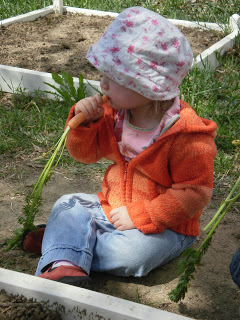
  • Educate the children on where their food left overs should be put – ideally into your compost bin along with any paper plates and cups, shredded for good measure.child eating carrot
  • Think about simple cooking for what you harvest; either eat raw; use for salad or saute/stir fry a mixture of vegetables. Potatoes can be put into the school microwave or oven to enjoy in their jackets. use simple recipes that the children can cook themselves. perhaps after washing thinly cut some raw vegetables and have them with some home-made add ons like light oil and vinegar dressing or yoghurt-based dressing for dipping. think about creating a fire pit around which you can gather to cook and eat.
  • Encourage the children to serve each other and have sufficient seating available for everyone.
  • Enjoy the experience and listen to what the children say – and note it down for use later!

Here’s a video of a high profile harvesting and planting event– the White House Kitchen Garden and Michelle Obama planting the ‘Three Sisters’ with native American children

I hope that you’ve enjoyed reading this series on School Gardening and that it’s been of some use. I’d be very interested to hear of your experiences, ideas and tips, so please use the comment box or email me directly (see ‘About me’ for details).

I’ll regularly report on my own School Gardening activity in this blog, so keep an eye out for special posts or my regular ‘Dear Walter’ letters which capture my gardening year at different times.

Other posts in the series:

Growing Children 6: Top tips for managing and maintaining your School Garden

Growing Children 5: Top tips for School Garden activities

Growing Children 4: AAA rated School Garden in Seven Steps

Growing Children 3: Seven tips for creating your dream School Garden

Growing Children 2: Seven Design tips for your School Garden

Growing Children 1: School Garden start up in Seven Steps

School Gardening – reconnecting children and Nature

Source & Further information:

How to grow a School Garden’ – Arden Bucklin-Spooner and Rachel Kathleen Pringle, Timber Press Books

School Gardening Club- ideas

Budding Gardeners- lots of advice and info

Garden planner tool

Planning your school garden

Food & Agriculture Organisation School Garden Planner

California School Garden Network Guide to School Gardening

School Gardening Wizard

School garden fundraising

Garden Organic support for schools

Old School Gardener

If you’ve enjoyed reading this post and others on this blog, why not comment and join others by signing up for automatic updates via email (see side bar, above right ) or through an RSS feed (see top of page)?

PicPost: Grow your own face

From Alex at Norfolk Master Gardeners: ‘Great idea for raised beds – easy, quick and a nice working height for people who have back problems. And with a touch of paint, could look very good in a garden too.

An added idea, is to adjust the depth of the bed, by moving the base pallet down a notch or two. This would be better for deep rooted crops such as potatoes, sweet potatoes, etc’

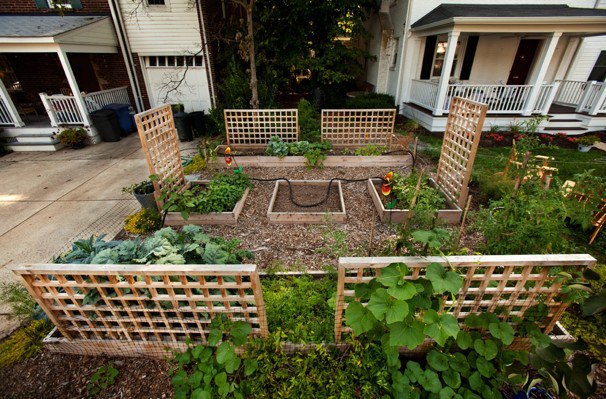
PicPost:

‘Two families made a shared vegetable garden from their front yards. They now share the produce & the maintenance. Would you do this with your neighbour?’

From: Growveg

PicPost: Over Ground

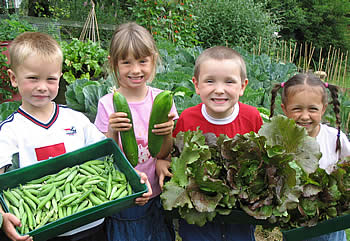
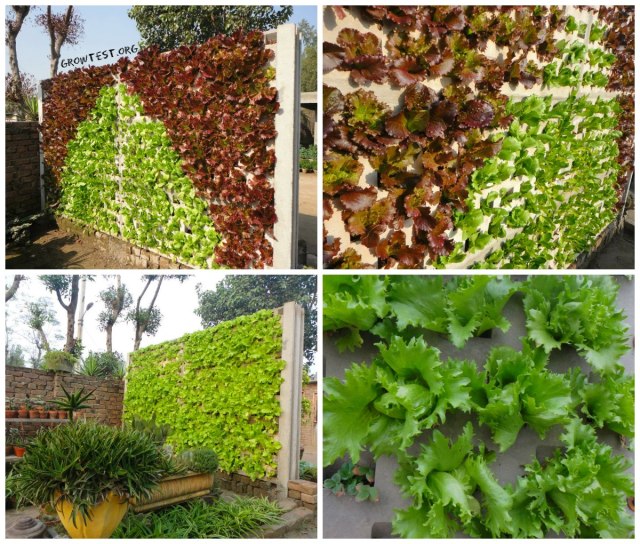
PicPost: Lettuce Play

Community Veg Growing

Gardens: street food

Tips for community gardening:

• Join with like-minded neighbours who’ll commit time to the project and keep the momentum going.

• Start off small – sharing a few packets of seeds and swapping a bit of growing advice.

• Don’t be afraid to knock on doors – there’s a real appetite to grow vegetables and to get to know those who live around you.

• Funding is important. Look online for national awarding bodies for community projects. Approach local businesses for sponsorship, and seed companies for free or discounted seeds.

• Record your activities to demonstrate to funders and others how great your project is. And start a blog: mytinyplot.com/build-a-blog/ has a great “build your own blog” tutorial.

• Grow what you love to eat. With space (and time) at a premium, plump for fruit and veg you’ll find truly delicious.

Dear Dad…

I’ve had an email from my daughter who lives near Lisbon, Portugal (and whose garden is a small, sunken patio with planting mainly in containers – see pic)….
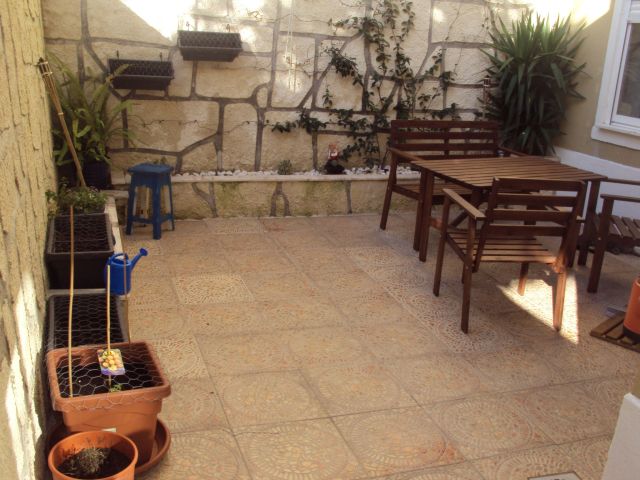
garden 007

15th March 2013

Hi!! Just thought I’d drop you a line to let you know I’ve been busy in the garden!
Bought some cheap plants from the little old lady where you bought our cucumber from last year.

So far we have got 4 cucumbers plants, 6 tomatoes (in a newly strengthened cane system),7 pepper plants,a rosemary plant and 12 strawberry plants. Going to the garden centre tomorrow to get some more earth to fill up those new containers you gave me.  Not sure what else we’ll get yet, but maybe a lemon tree to look nice, and some lavender plants to plant among the jasmine and those little bushes. I’ll probably get some herb seeds too.

What would you recommend with the herbs? Plant them in tiny containers first, until there are shoots, and then transfer them over? Any which are sturdier than others?

Also, do the peppers need a similar system to the tomatoes? Will they grow upwards?

The lady also has some brocolli plants, but do they need a lot of space? Would it be worth the work planting them, for only two or three heads? Is it one plant=one head?

What other plants would you recommend planting, either from little plants or seeds? Radishes? Lettuce? Carrots? Chilli peppers?

Answer:

Hi

Glad to hear that you’ve been busy in your little patio garden! You sound like you’ve purchased a lot of plants already – careful you don’t fill your patio so you can’t use it (especially as it doesn’t get sun all round)!

Lavender need lots of sun and sharp drainage- so put in some gravel if/when you plant them

Herbs- all depends on what you go for- as you’ll probably only need a few plants of each type I’d try to sow individual seeds in modular trays rather than do a complete seed tray. You can raise as seedlings in these modules and then when they’re big enough (say they have a few of their second set of leaves) they can be transplanted to their final spot/pot. I’d go for Basil, Coriander, Parsley, Sage, Thyme.

Peppers will grow as bushy plants so you could sow some seeds in modules as above and then put them in a largish individual pot/container (they’ll probably grow to about 1’ high by 1’ across or possibly larger)- they might need some support as they get bigger, this is easily provided by short canes and string to tie in main stem/branches as they need it.

Broccoli- For the space they need I don’t think its worth it in your restricted area. You could grow them like the peppers- they’ll grow as bushy plants (poss about 2’ tall) and may need some support in due course. Depending on the variety (I’m assuming calabrese type rather than purple sprouting brocooli?) you might get one big head and after you cut this off other side heads will develop (smaller but still good)

Other food- again it depends on what space/ containers you have and what are your favourites to eat fresh! As you like salad I’d go for a few lettuces- possibly the ‘cut and come again’ kind rather than the tight head sort- and maybe carrots in a deepish container- these need a fairly sandy, poorish soil, so avoid rich compost if you do as this makes them fork.

love,

Dad X

Old School Gardener

Finding Nature

Nature Connectedness Research Blog by Prof. Miles Richardson

Norfolk Green Care Network

Connecting People with Nature

Discover WordPress

A daily selection of the best content published on WordPress, collected for you by humans who love to read.

Susan Rushton

Celebrating gardens, photography and a creative life

Unlocking Landscapes

Writing, photography and more by Daniel Greenwood

Alphabet Ravine

Lydia Rae Bush Poetry

TIME GENTS

Australian Pub Project, Established 2013

Vanha Talo Suomi

The Journey from Finnish Rintamamiestalo to Arboretum & Gardens

Marigolds and Gin

Because even in chaos, there’s always gin and a good story …

Bits & Tidbits

RANDOM BITS & MORE TIDBITS

Rambling in the Garden

.....and nurturing my soul

The Interpretation Game

Cultural Heritage and the Digital Economy

pbmGarden

Sense of place, purpose, rejuvenation and joy

SISSINGHURST GARDEN

Notes from the Gardeners...

Deep Green Permaculture

Connecting People to Nature, Empowering People to Live Sustainably

BloominBootiful

A girl and her garden :)