
A bit of cheating again! My seventh object in this series about the essence of gardening is really at least two objects with a common name- compass or compasses. For me these two objects symbolise the importance of design in gardening- the conscious act of choosing and positioning what plants and other garden elements are used and where.
This can be as simple as thinking about where to place different plants or elements in the garden; by knowing where the prevailing weather patterns are coming from (wind and rain), as well as the direction and strength of light and heat from the sun. For this a magnetic compass is a very useful to back up to observation and wider knowledge.

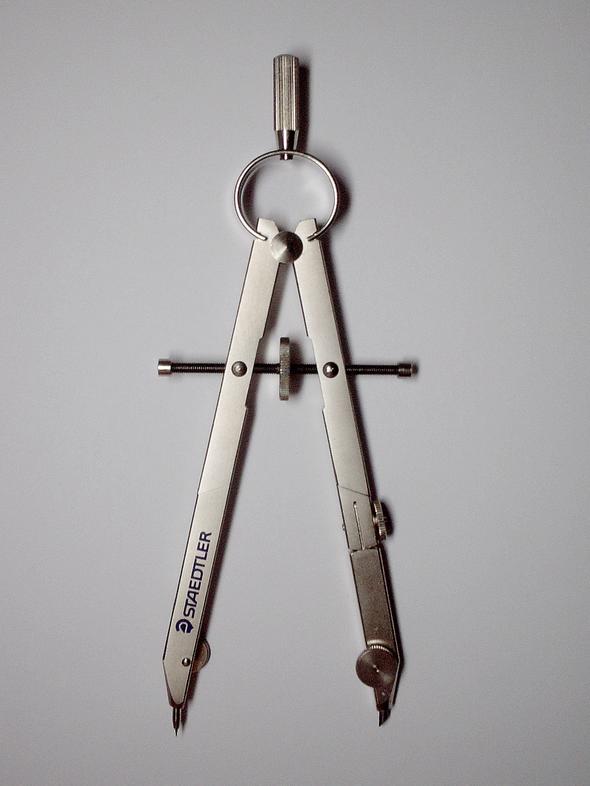
Picture by Bios-commonswiki
And nature has it’s own ‘compasses’, too. The plant Silphium laciniatum, has a common name of ‘Compass plant’ inspired by the “compass orientation” of its leaves. The large leaves are held vertically with the tips pointing north or south and the upper and lower surfaces of the blades facing east or west. A newly emerging leaf grows in a random direction, but within two or three weeks it twists on its petiole clockwise or counterclockwise into a vertical position. Studies indicate that the sun’s position in the early morning hours influences the twisting orientation. This orientation reduces the amount of solar radiation hitting the leaf surface. Vertical leaves facing east-west have higher water use efficiency than horizontal or north-south-facing blades. Early settlers on the Great Plains of the North America could make their way in the dark by feeling of the leaves.
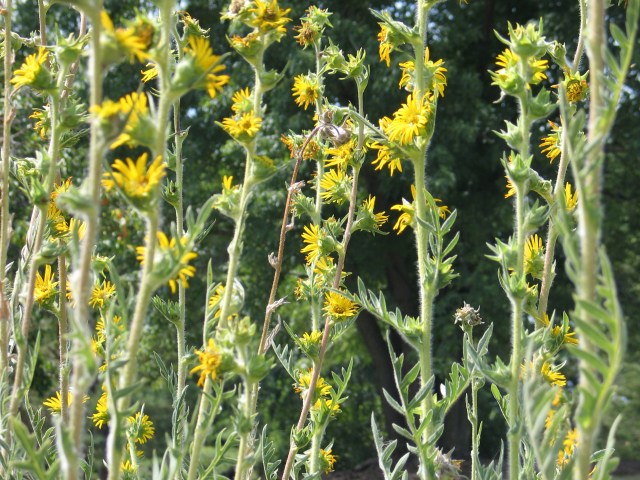
Silphium laciniatum- ‘Compass plant’
Equally, garden design can involve recording your current plot and devising new elements and patterns for your garden (borders, paths, specimen plants, hard landscaping features). For this, a pair of compasses is a vital tool in plotting key elements in your existing garden (through the technique of triangulation) and also in drawing circles or arcs in a new design (and then setting these out on the ground).
Dividers and compasses are drawing instruments that have been used since antiquity to measure distances, transfer lengths from one drawing to another, and draw circles. The Greek mathematician, Euclid, limited the constructions in his Elements of Geometry to those that could be done with an unmarked straight edge and rudimentary compass. Ancient Roman dividers survive in the collections of the British Museum. Before the 18th century, when one leg was modified to take a pen or pencil point, compasses had two sharp points, like dividers. The user scratched the writing surface in the shape of a circle and then inked the scratches.
Old School Gardener
 Before starting to lay foundations for a paved area, decide on the position of plants around a terrace or patio and in planting pockets within the space and leave the areas free of foundation material and paving (wooden shuttering can be used for larger areas). Once the works are over, replace the topsoil of the planting areas with John Innes number 3 compost (and grit if you’re putting in things like Thymes). This will ensure a weed free growing medium with the right nutrients so plants establish quickly.
 As the
  We opened Old School Garden up to the public in 2013 for one day (not as part of the NGS, but with proceeds going to three local good causes), so I know how much hard work, excitement and enjoyment comes from doing that (we might have another go one day…). I’m also an enthusiastic visitor to other gardens, as you’ll have seen from many posts on this blog!
 Horticultural fleece laid over plants can bring earlier crops and other benefits.

 More and more garden plants are available from garden centres in flower. If bought in bud, potted bulbs, such as dwarf daffodils, crocuses, hyacinths and tulips, allow you to instantly transform an otherwise dull border into a colourful, early spring centrepiece. This is particularly useful for adding colour to prominent beds near to the house.
 Moving to a new house with a garden that needs whipping into shape? Need help with an idea for improving part of your established garden? Or maybe you want to completely overhaul your current plot and need a masterplan for achieving your ideas over a number of years?
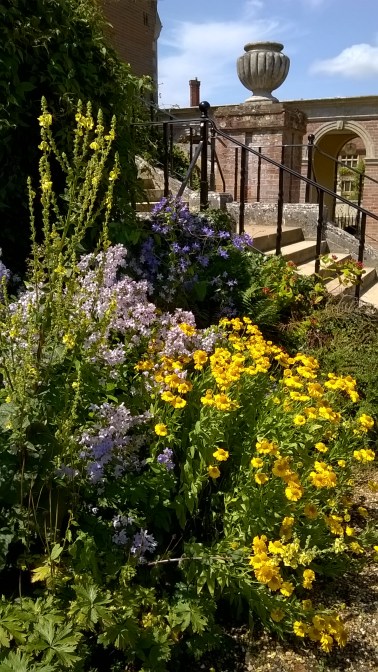 And as well as visits to the gardens I’ll be using a combination of presentation, group discussion, one-to-one support, handouts, books to borrow and links to further information. You won’t need any special knowledge or skills in garden design or gardening; just the germ of an idea or plan for your garden, or maybe just a general interest in finding out more about garden design.
 I want participants to have the space, time and attention to address their individual needs, so places will be limited; if you’re interested, please get in touch soon!


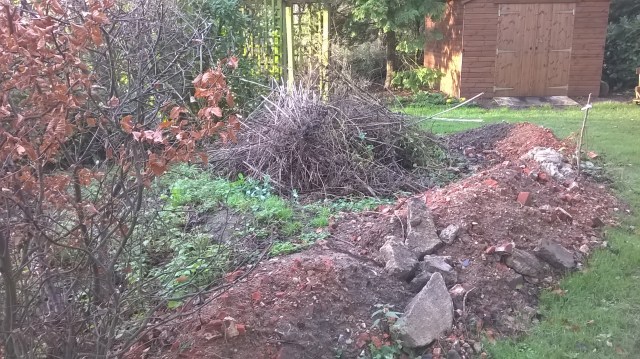


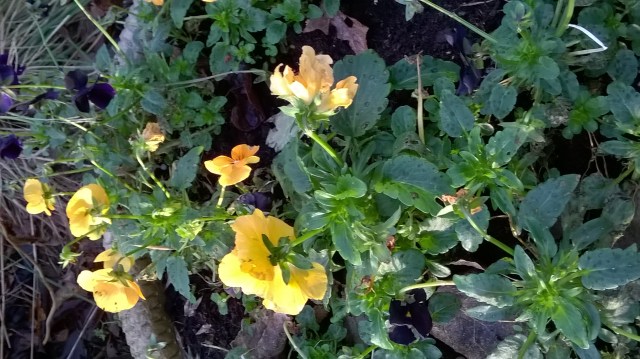
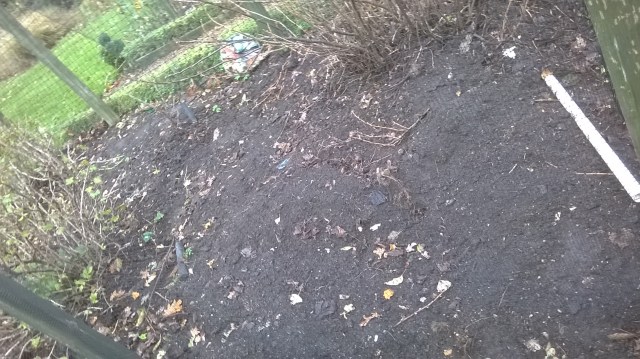
 Well, as we come to the end of another year, I’m grateful that the garden here seems to have survived pretty well, despite less attention than normal; but the ground elder awaits and this and the other weeds will need attention in a couple of months time before the growing season really gets underway!
 Recently, I was attending a meeting at a museum in Luton and in the lunch break had the chance to see the travelling exhibition of photographs from the International Garden Photographer of the Year competition (the eighth in the series to date). I was enthralled by the many wonderful images on show. Unfortunately the lighting in the room made taking photographs of these difficult without them being affected by reflections. However, I’ve put together a gallery of a few that seem less affected by this- I hope that you enjoy them.






 Old School Garden