Tag Archive: garden


Blue Cosmos. Picture by Bonanza

Blue Cosmos. Picture by Bonanza

OK, this is cheating bit, I suppose. I wanted my fifth object to capture several things; but all of them involve cutting. Finally I decided on  a plant, or rather a plant treated in a particular way; topiary. In this case at Levens Hall, Cumbria.

levens hallPruning plants is a key gardening task; to stop or promote growth, to shape plants, to remove dead or diseased material, to propagate – and of course we should include grass cutting here.

I could equally have chosen a pair of secateurs or perhaps a lawnmower, but the clipped shapes of yew, box, or other species capture for me this important garden task and also symbolise what you might call the core ingredient of gardening; the conscious act of doing something to enable a plant to grow and to grow in a particular place or way.

Topiary’s clipped shapes transform the wayward beauty of nature into forms and masses which can add structure and give pleasure; when standing alone or providing a foil for swaying grasses, nodding allium heads or cottage garden favourites.

I know there is one school of thought that says this, sometimes drastic, technique seems unnatural, which is certainly true. But then again gardening is about the directing, guiding and controlling of nature. And I have to say, as a fan of topiary, it can make a garden fun. Just look at this combination of geometric shapes at Levens Hall, some of them centuries old. And when you search for topiary on the internet- which I suggest you do- you see all manner of human, animal and other forms, cleverly cultivated and maintained for our enjoyment.

One might almost say topiary puts a smile into any garden…

Old School Gardener

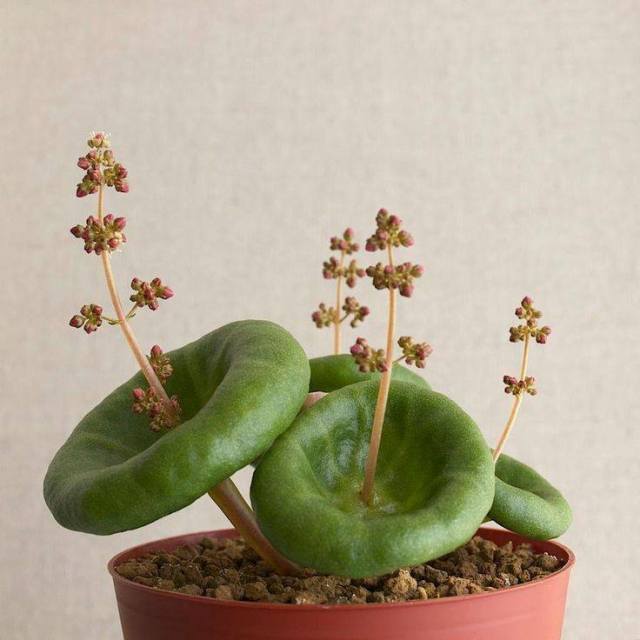
Crassula umbella

Crassula umbella

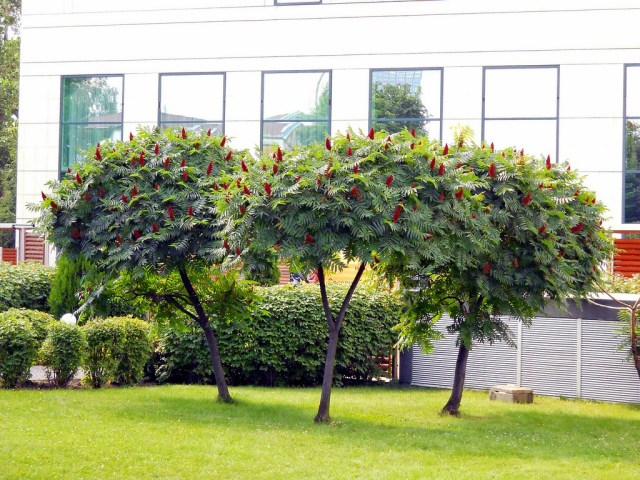
rhus typhina trio


This is a small tree (which can also be grown as a shrub) that can be a bit of a thug, as it spreads freely by root extension, but it’s lower growth is thin enough to allow other plants to live alongside it. I have a few here at Old School Garden and it is a great tree for adding an oriental feel, has interesting foliage (especially in the autumn) and some unusual flowers.

Common name: Stag’s Horn Sumac

Native areas: It is primarily found in Southeastern Canada, the Northeastern and Midwestern United States and the Appalachian Mountains, but is widely cultivated as an ornamental throughout the temperate world.

Historical notes: Introduced to the U.K. in 1620’s it won the R.H.S. Award of Garden Merit in 2002. Some beekeepers use dried sumac bobs as a source of fuel for their smokers. The fruit of sumacs can be collected, soaked and washed in cold water, strained, sweetened and made into a pink lemonade. The leaves and berries have been mixed with tobacco and other herbs and smoked by Native American tribes. All parts of the Stag’s horn Sumac, except the roots, can be used as both a natural dye and as a mordant. The plant is also rich in tannins and can be added to other dye baths to improve light fastness. In both French and German, the common name of the species (Sumac vinaigrier, Essigbaum) means “vinegar tree”.

Features: Rhus typhina is a deciduous shrub or small tree growing to 5 m (16 ft) tall by 6 m (20 ft) broad. It has alternate, pinnately compound leaves 25–55 cm (10–22 in) long, each with 9–31 serrate leaflets 6–11 cm long. The leaf petioles and the stems are densely covered in rust-colored hairs. The velvety texture and the forking pattern of the branches, reminiscent of antlers, have led to it’s common name. The Sumach is dioecious (male and female flowers produced on separate plants), with yellow-green flower clusters, followed on female plants by dense crimson fruiting heads. 

Rhus typhina 'Tiger Eyes'

Rhus typhina ‘Tiger Eyes’

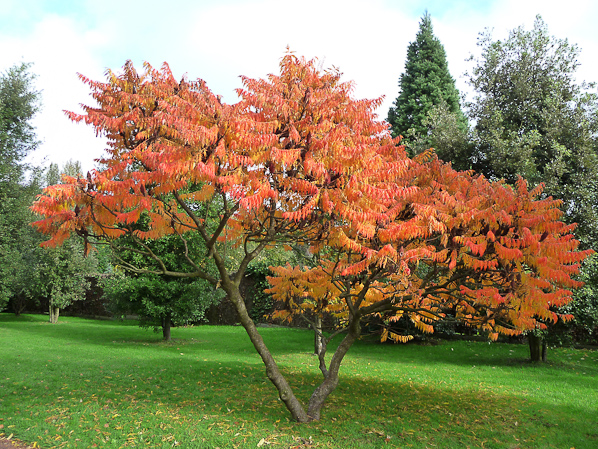
Uses:  Rhus typhina provides interest throughout the year and is spectacular in autumn when its foliage turns fiery orange, gold, scarlet or purple. The effect is greater when set against the dense cones of red fruit borne by female plants. To get the best from this autumn colour plant it in a sheltered position away from strong winds; otherwise, as here in Old School Garden, you won’t see the leaves for very long! It’s vigorous, suckering habit makes it unsuitable for smaller gardens. Some landscapers remove all but the top branches to create a “crown” effect in order to resemble a small palm tree. There are about 200 species of Rhus and numerous cultivars have been developed for garden use, of which ‘Dissecta’ (syn.’Laciniata’ or Cutleaf Stag’s Horn Sumac) has deeply cut leaves. ‘Dissecta’ will survive winters as low as minus -12°C and then regain new growth the following season. 

Growing conditions:  It can grow under a wide array of conditions, but is most often found in dry and poor soil on which other plants cannot survive. Some species can be pruned hard to the ground every other year in early spring to produce handsome foliage plants. The inner sections of the trees are woody and pithy . It is advisable to wear gloves because the sap is potentially harmful.

Picture by Alain Delavie

Picture by Alain Delavie

Further information:

Wikipedia

RHS- Rhus typhina

RHS- Rhus typhina ‘Dissecta’

Horticulture Week- ~Rhus typhina

‘Thorny Problems: How can I get rid of Sumach suckers?’- Daily Telegraph

Barcham trees directory- Rhus typhina

Old School Gardener

Diphylleia grayi or the Skeleton Flower- it's early blooms gradually disappear under rainfall

Diphylleia grayi or the Skeleton Flower- it’s early blooms gradually disappear under rainfall

Old School Garden – 31st December 2015

Dear Walter,

It was great seeing you and Lise over Christmas and we hope you had a wonderful time with your nearest and dearest. As you know, my time in the garden has been limited this month as I tried to finish off the major redecorating in one end of the Old School. I’m pleased to say that’s done and I’m now developing detailed plans to fit out a couple of rooms with some built in furniture. Alas, my plans for the outside are moving slowly, though there’s been a bit of progress I can report.

Dogwoods starting to put on their winter colours

Dogwoods starting to put on their winter colours

We had a few hours cutting up the fire wood we’d saved from the major tree surgery on our Black Poplar a couple of years ago, and this is all now stacked in the woodshed. At the same time I reorganised the outside storage area (with pallets and angle irons), in anticipation of getting some new logs from our neighbours (who have some Ash trees that have fallen foul of Ash die back).

Awaiting logs (left) and a new leaf mould bay (right)

Awaiting logs (left) and a new leaf mould bay (right)

I’ve built alongside (using more pallets of course!) a leaf mould bay, which in the summer will also serve as a good spot for the grass clippings. As you know, in the past I’ve deliberately mixed these two materials together and had some good organic material to add to the soil. Gathering up the final loads of leaves from around the garden has been the other major task this month, though there are a few stubborn oak leaves still to fall. This minor reorganisation in the rear garden area has started to tidy it up, and so I can get to grips with further spring planting in the area with a nice view to the church (where I plan to put another bench).
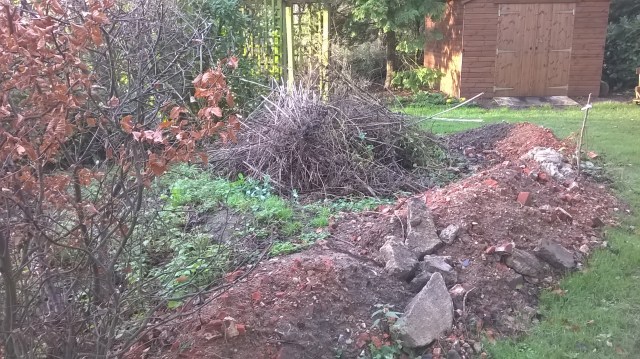
WP_20151218_09_11_38_Pro

A work in progress- rubble from one of the shed floors used to begin sculpting a basin for the pond garden…

New possibilities- the view across fields to the church is crying out for a bit of organisation, including a new bench.

New possibilities- the view across fields to the church is crying out for a bit of organisation, including a new bench.

I’ve also potted up the cannas (but not yet the dahlias as it’s been so mild here), and planted up the pots they were in with some violas and a range of tulips and other spring bulbs- we should have a great show next spring.

I’ve cleared and planted up the front circular border with the rather ‘whippy’ selection of Wallflowers and Sweet Williams I sowed earlier in the year. I also took the opportunity of swapping over the centre piece shrub here; out came the Star Magnolia and in went another Magnolia (‘Merrill’), which will grow a bit larger than the one it’s replaced and so be a better counterbalance to the large magnolia we have on the other side of the drive. So the Star Magnolia is in a pot for now until I decide it’s final location, somewhere in the pond garden.

Not much to look at right now, but the round border tidied and planted out with a new Magnolia and some spring colour- I hope!

Not much to look at right now, but the round border tidied and planted out with a new Magnolia and some spring colour- I hope!

The table top planter- good early growth, but a bit of weeding required too!

The table top planter- good early growth, but a bit of weeding required too!

The kitchen garden is looking tidier, too, though without much of interest as you might expect. I’m pleased with the progress of the table top planter, though; the unseasonably mild weather has really got the shallots, garlic and broad beans well underway.

You know how in Autumn and early winter you can pick up some plant bargains (the ones that are past their best, but will nonetheless put on new growth if looked after)? Well, I picked up a few trays of violas to fill my ever increasing containers and at the same time got three pots of Pennisetum, reduced to well below their original price- they don’t look much at present, but with a bit of spring care and potting on/ planting out, should do well.

A plant bargain
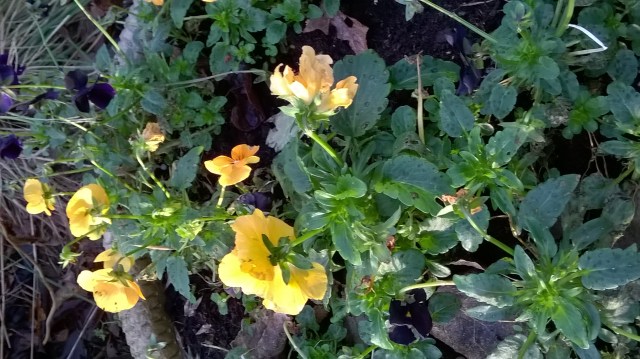
A plant bargain

Violas starting to pick up

Violas starting to pick up

I spent a couple of sessions over at Gressenhall focusing on leaf clearing, cutting back and digging over some of the borders, so that will probably be my last time there for now.

One of my jobs in the next couple of weeks will be to finalise the marketing material for my new Garden design course, which hopefully will begin in early February at Blickling. I’ll put details in a page on my blog early in the New Year for anyone interested.

WP_20151218_09_15_22_ProWell, as we come to the end of another year, I’m grateful that the garden here seems to have survived pretty well, despite less attention than normal; but the ground elder awaits and this and the other weeds will need attention in a couple of months time before the growing season really gets underway! 

Very best gardening wishes for 2016,

Old School Gardener


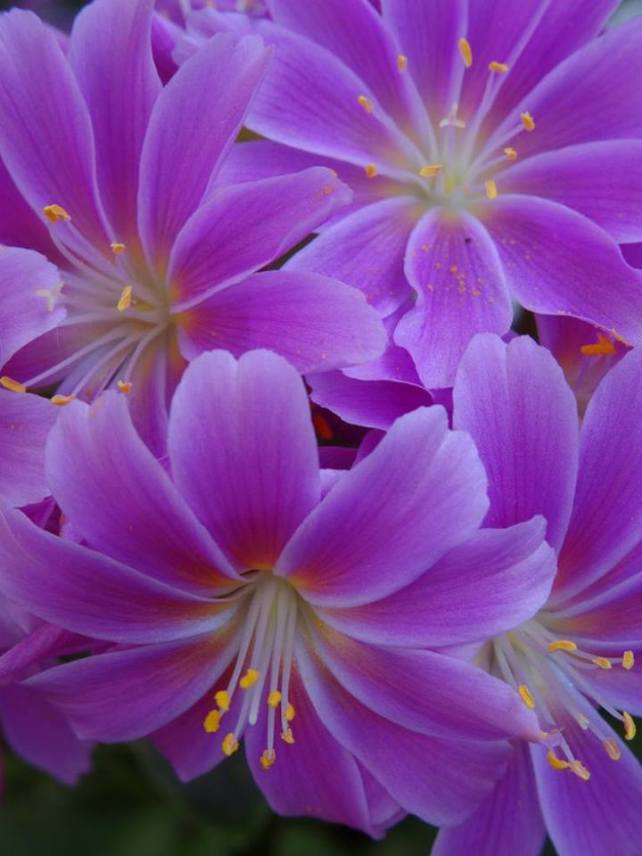
Lewisia cotyledon

Lewisia cotyledon

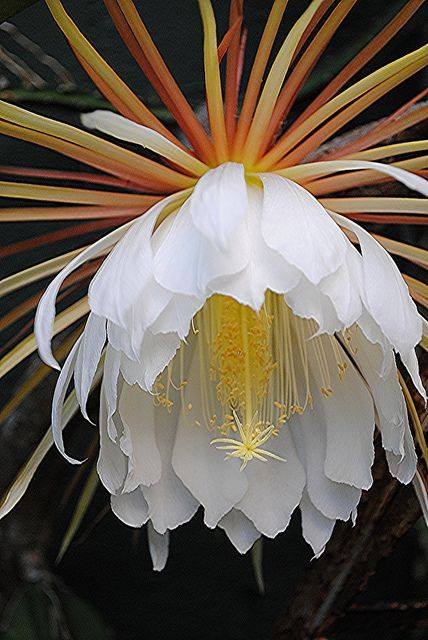
Night blooming Cereus cactus

Aristolochia salvador

Aristolochia salvador

stream of consciousness

Finding Nature

Nature Connectedness Research Blog by Prof. Miles Richardson

Norfolk Green Care Network

Connecting People with Nature

Discover WordPress

A daily selection of the best content published on WordPress, collected for you by humans who love to read.

Susan Rushton

Celebrating gardens, photography and a creative life

Unlocking Landscapes

Writing, photography and more by Daniel Greenwood

Alphabet Ravine

Lydia Rae Bush Poetry

TIME GENTS

Australian Pub Project, Established 2013

Vanha Talo Suomi

The Journey from Finnish Rintamamiestalo to Arboretum & Gardens

Marigolds and Gin

Because even in chaos, there’s always gin and a good story …

Bits & Tidbits

RANDOM BITS & MORE TIDBITS

Rambling in the Garden

.....and nurturing my soul

The Interpretation Game

Cultural Heritage and the Digital Economy

pbmGarden

Sense of place, purpose, rejuvenation and joy

SISSINGHURST GARDEN

Notes from the Gardeners...

Deep Green Permaculture

Connecting People to Nature, Empowering People to Live Sustainably

BloominBootiful

A girl and her garden :)