Category: This and that


Jardin's avatarJardin

The very pretty 15th century Château de Chaumont, high on a cliff overlooking the Loire river, is the setting for the annual Festival des Jardins.
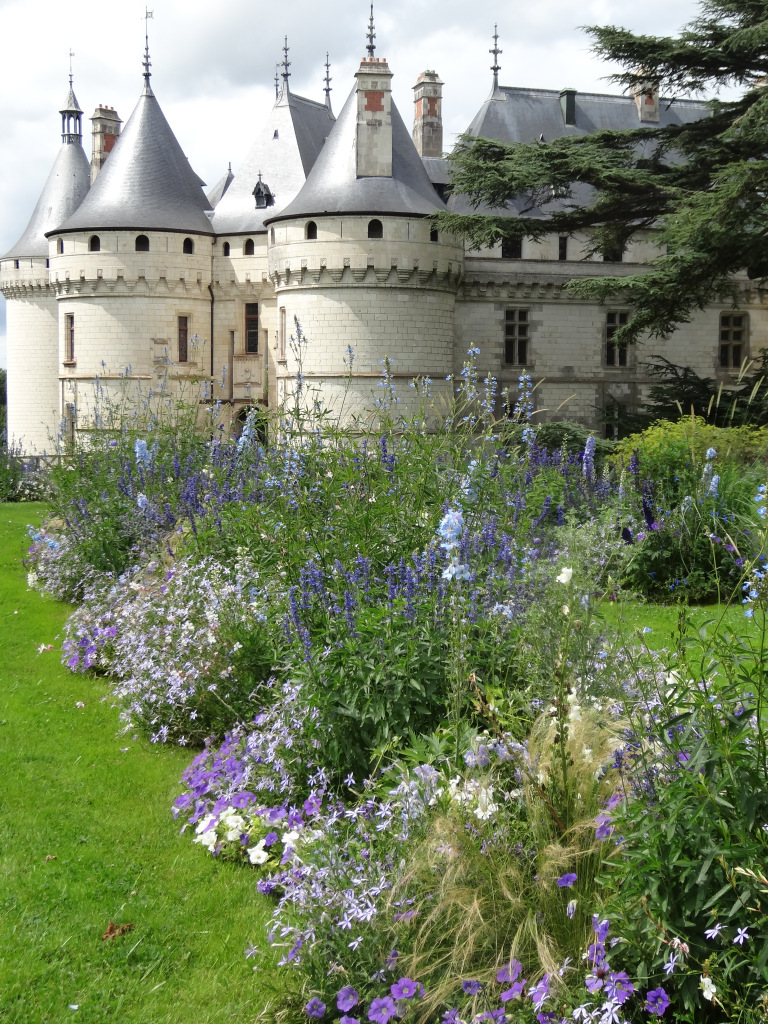
Chateau de Chaumont Chateau de Chaumont

The Castle itself has an interesting history – inhabited by Catherine de Medici in the 16th century, she entertained astrologers here, including Nostradamus, and took a great interest in the Arts and Architecture. On the death of her husband, Henri II, she forced his mistress, Diane de Poitiers, who had exerted great power at court, to relinquish her Château de Chenonceau in exchange for Chaumont.
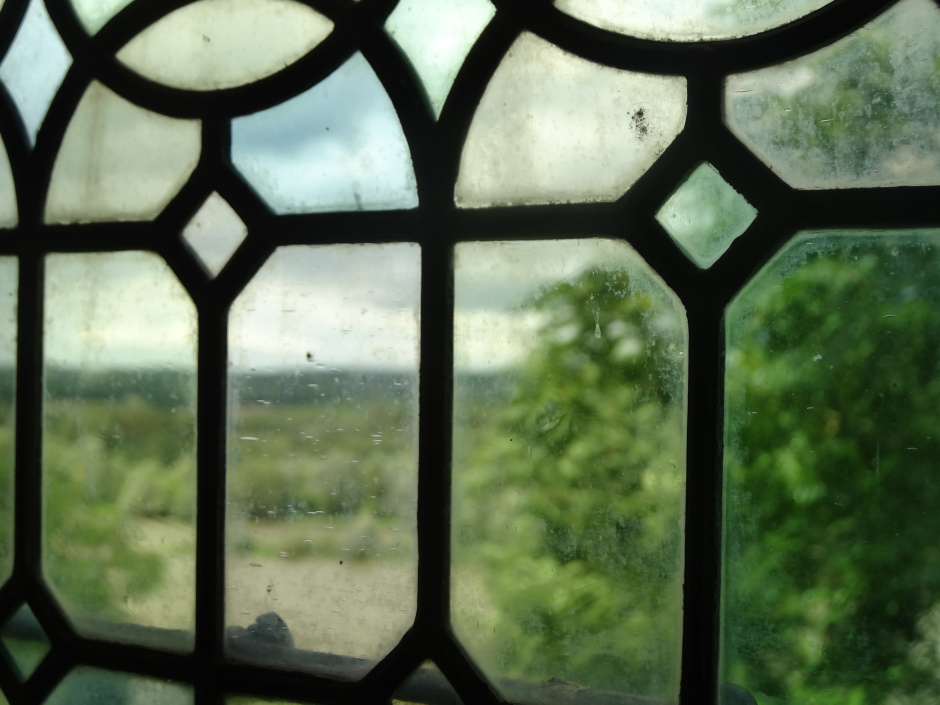
View of the Loire from Chaumont View of the Loire through the old windows of the Chateau

The Castle has extensive parkland and here one can visit the 20 or so gardens which form part of the Festival. Each year a Theme is chosen – this year it was Jardins des péchés capitaux or “Gardens of the 7 Deadly Sins”. Unlike many…

View original post 401 more words

canwefeedtheworld's avatarOne Billion Hungry: Can We Feed the World?

headerimgHeld over 5 days from the 1st September in Addis Ababa, Ethiopia, the African Union’s annual Africa Green Revolution Forum this year was centred on the AU designated ‘Year of Agriculture and Food Security’ and the political will needed to achieve sustainable food and nutritional security across the continent.

In conjunction with the 2014 Year of Agriculture and Food Security, a report from the AU Commission, presented as a feature issue of the AU ECHO newsletter, highlights stories and experiences from member states of the African Union and from regional institutions as they have worked to implement the Comprehensive African Agricultural Development Programme (CAADP) over the last 10 years. For example in Rwanda the joint Comprehensive Food Security and Vulnerability Assessment (CFSVA) and National Nutrition Survey of 2012 showed that the proportion of households failing to meet minimum food requirements declined from 35% to 21%, in part…

View original post 615 more words

Lancelot Capability Brown's avatarLancelot Capability Brown

I recently made a visit to the National Trust property of Wallington, situated in Northumberland and not very far from the birthplace of our man ‘Capability’ Brown. I was intrigued and keen to follow-up the connection between this impressive estate, Lancelot’s older brother George and our man Brown.

Wallington+Hall Wallington’s East front. © Gary Webb 2014

View original post 587 more words

greenbenchramblings's avatargreenbenchramblings

While holidaying around Cambridge earlier in the year we stopped off on our travels to have a wander around the gardens at Cliveden, the one time home of Nancy Astor. She was an English MP even though American born. Her second marriage was to Waldorf Astor who inherited to a peerage and entered the House of Lords. Nancy was the first ever woman to be a member of the House of Commons, but also gained notoriety as a Nazi supporter.

Her garden turned out to be a garden planted in a style we do not actually like but definitely “of its time”. We are definitely not fans of formal gardens or bedding schemes and here we found both but viewed from an historic perspective they were interesting. Classical figures, topiary and “grand fountains” are also not my style but Jude the Undergardener, being more of a history buff doesn’t mind…

View original post 254 more words

Jennifer Doubt's avatarCanadian Museum of Nature Blog

One of the great things about traveling in far northern Ontario this July was the fact that our multi-disciplinary botany team included a lichenologist.

It was great because lichens are amazing, because lichen experts are very rare, and because there’s so much left to learn in lichenology that every lichen outing seems to result in spectacular discoveries.

Lichen growing taller than the moss around it. Powdered funnel lichen (Cladonia cenotea)—Just like in this photo, the specimen of powdered funnel lichen that we collected for exhibition at the museum is mixed with the common boreal feathermoss called big red stem (Pleurozium schreberi). Image: R. Troy McMullin © R. Troy McMullin

It was also great timing, because we’ve been making the (already ultra-cool) temporary exhibition Creatures of Light even better by adding material from the Museum of Nature’s research and collections… and as it turns out, some lichens are dazzling creatures of light.

Dr. R. Troy…

View original post 647 more words

Lancelot Capability Brown's avatarLancelot Capability Brown

St+Wilfreds-Kirkharle St Wilfred’s, Kirkharle. ©Gary Webb 2014

On this day in history, Lancelot ‘Capability’ Brown (1716 – 1783) was baptised in St Wilfred’s Church, Kirkharle. Set in the rugged Northumbrian landscape, this charming church would be the place of Worship for the Brown family for many years to come.

View original post 293 more words

canwefeedtheworld's avatarOne Billion Hungry: Can We Feed the World?

ID-100219796A recent paper, No Dominion over Nature, authored by UK ecologists, Professors Mark Huxham, Sue Hartley, Jules Pretty and Paul Tett, describes how current approaches to food production are damaging the long term health of ecosystems, hampering their ability to provide ecosystem services and leaving them vulnerable to collapse. Focusing on continual (and unsustainable) increases in agricultural productivity, for example through intensive monocultures, will inevitably lead to a “boom and bust” cycle.

The “dominant narrative” in meeting the ever increasing demand for food (some estimate we need to increase food production by 100% by 2050 to meet this demand) is to intensify agricultural production, an approach, such as the Green Revolution, that has so far allowed food production to keep pace with population growth. Such a pathway, as authors argue, is causing ecosystem deterioration, eroding the ecosystem services we rely upon such as pollination, climate regulation and water purification…

View original post 866 more words

BeyondTheWildGarden's avatarBeyond the Wild Garden

I think by now you will know I am a big fan of the gardens at Powerscourt Estate. I have talked so much about their great trees and roses here before. It will come as now surprise to you all then that after a recent visit to the gardens I decided to dedicate my latest Kildare Post gardening column to the gardens. It was a great time to highlight the estate as recently it was named the third best garden in the world. An edited version of this article appeared in the print edition of the Kildare Post on 26th August 2014.

The world’s third best garden – By David Corscadden 

When it comes to Irish gardens that have had an impact on garden design a hand full of gardens come to mind. None standout more strongly to me though than Powerscourt Estate in Enniskerry, Co. Wicklow.

For me these…

View original post 422 more words

Autumn Fruits

Finding Nature

Nature Connectedness Research Blog by Prof. Miles Richardson

Norfolk Green Care Network

Connecting People with Nature

Discover WordPress

A daily selection of the best content published on WordPress, collected for you by humans who love to read.

Susan Rushton

Celebrating gardens, photography and a creative life

Unlocking Landscapes

Writing, photography and more by Daniel Greenwood

Alphabet Ravine

Lydia Rae Bush Poetry

TIME GENTS

Australian Pub Project, Established 2013

Vanha Talo Suomi

The Journey from Finnish Rintamamiestalo to Arboretum & Gardens

Marigolds and Gin

Because even in chaos, there’s always gin and a good story …

Bits & Tidbits

RANDOM BITS & MORE TIDBITS

Rambling in the Garden

.....and nurturing my soul

The Interpretation Game

Cultural Heritage and the Digital Economy

pbmGarden

Sense of place, purpose, rejuvenation and joy

SISSINGHURST GARDEN

Notes from the Gardeners...

Deep Green Permaculture

Connecting People to Nature, Empowering People to Live Sustainably

BloominBootiful

A girl and her garden :)