Category: This and that


WP_20141102_11_45_49_Pro

canwefeedtheworld's avatarOne Billion Hungry: Can We Feed the World?

ID-10052509Evidence that investing in agriculture in developing countries as a way of tackling poverty and hunger is growing. Given the sheer number of people working in the agricultural sector, investments can have benefits on a large-scale but there are also risks and big investments can, in some cases, harm the rural sector, taking land and resources away from local people. Aiming to illustrate these risks and benefits are a couple of recent reports.

A paper from the UN Food and Agriculture Organisation, Impacts of foreign agricultural investment on developing countries: evidence from case studies, brings together FAO case studies on “the impacts of foreign agricultural investment on host communities and countries”. These studies show that large-scale land acquisitions, particularly where land rights are tenuous and governance poor, can have detrimental consequences for local communities, depleting natural resources and harming livelihoods, factors which increase rather than reduce poverty. Such…

View original post 817 more words

Natalia Maks's avatarNatalia Maks

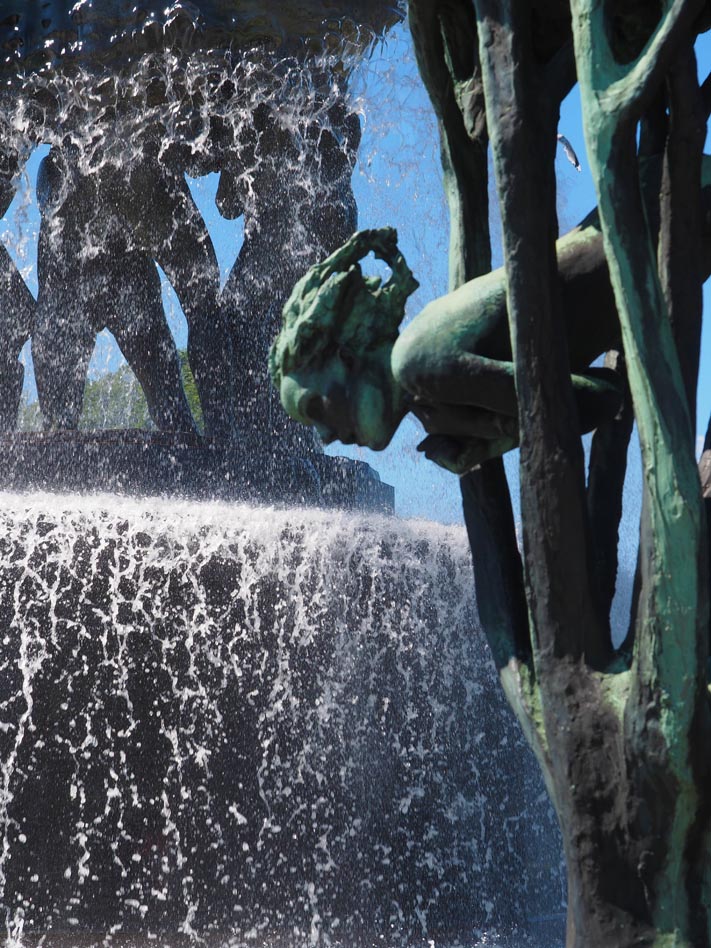
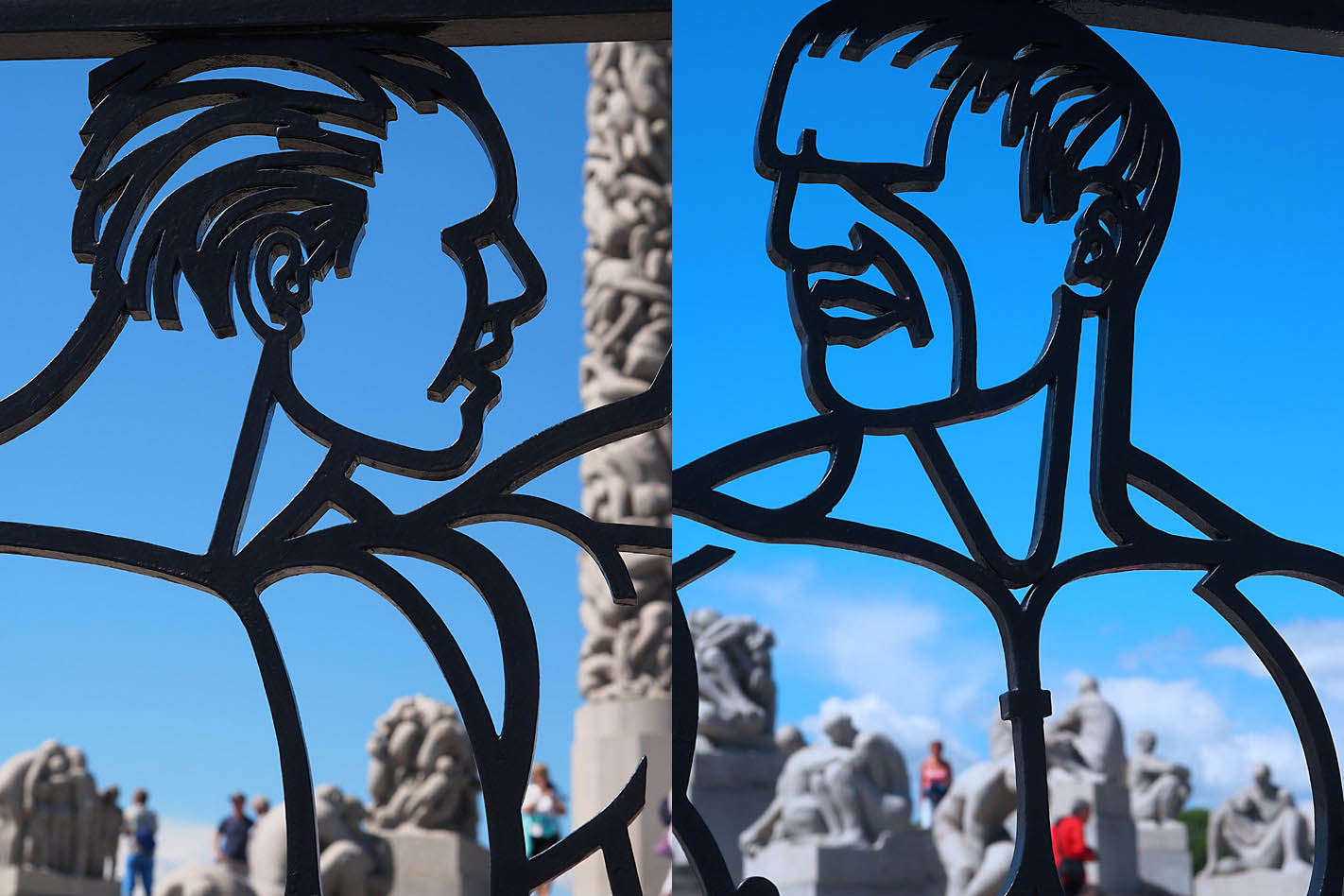
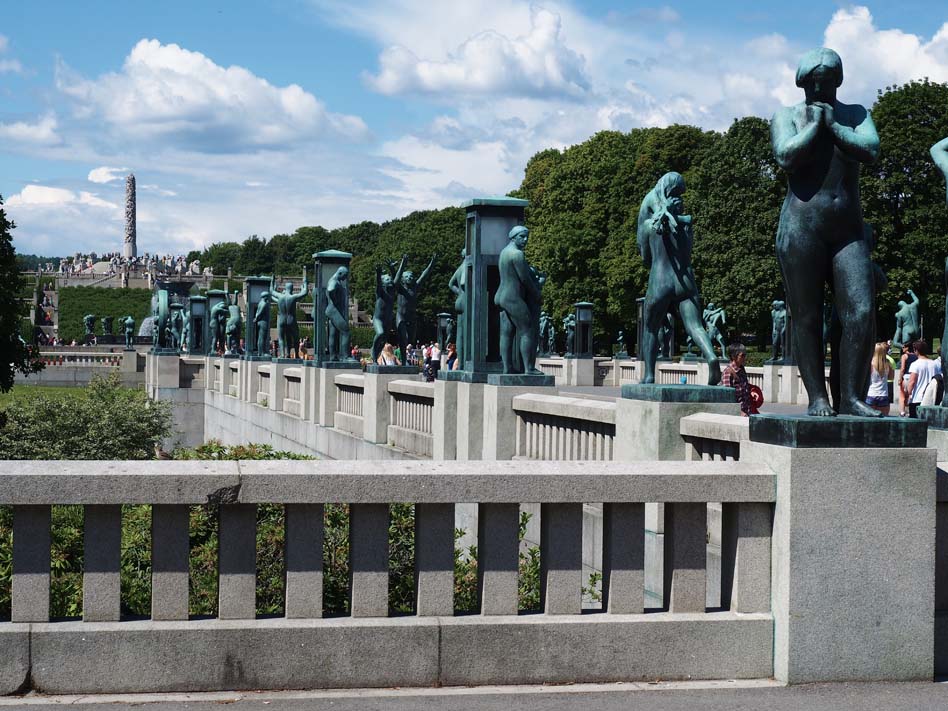
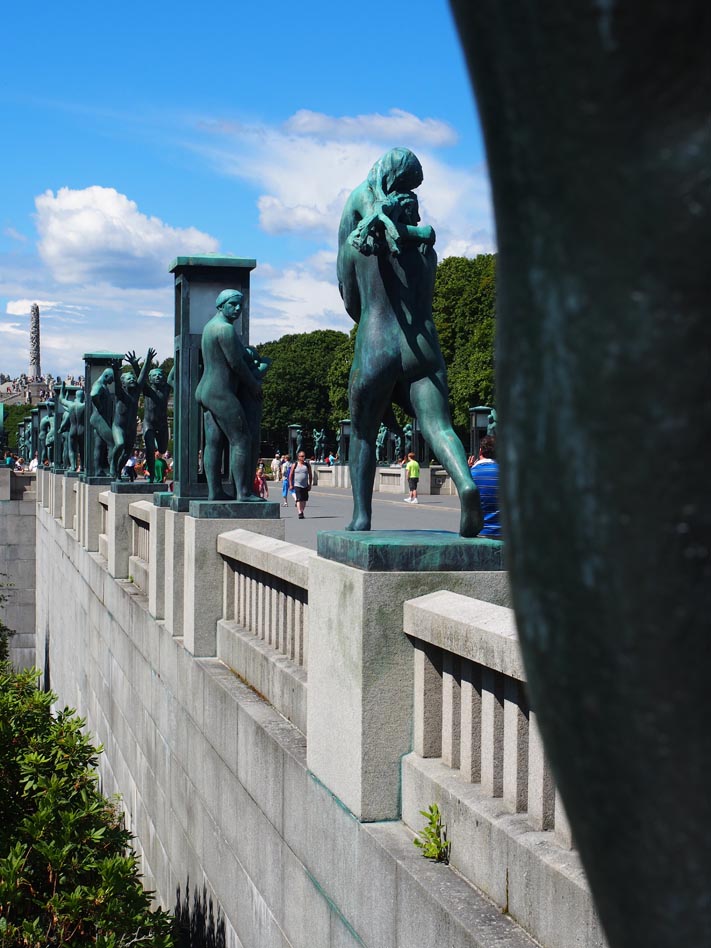
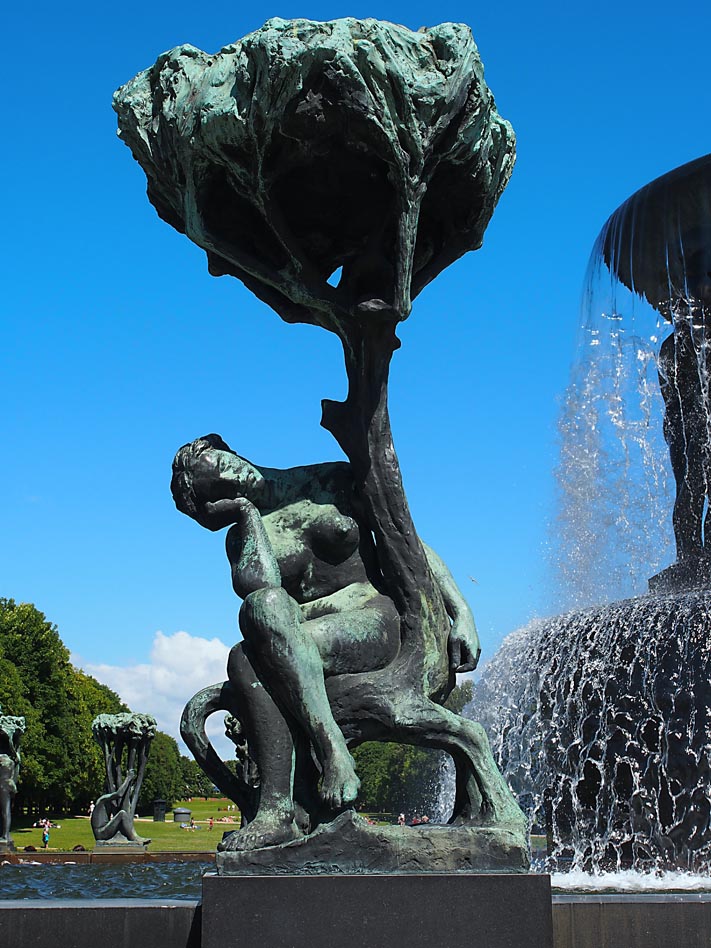
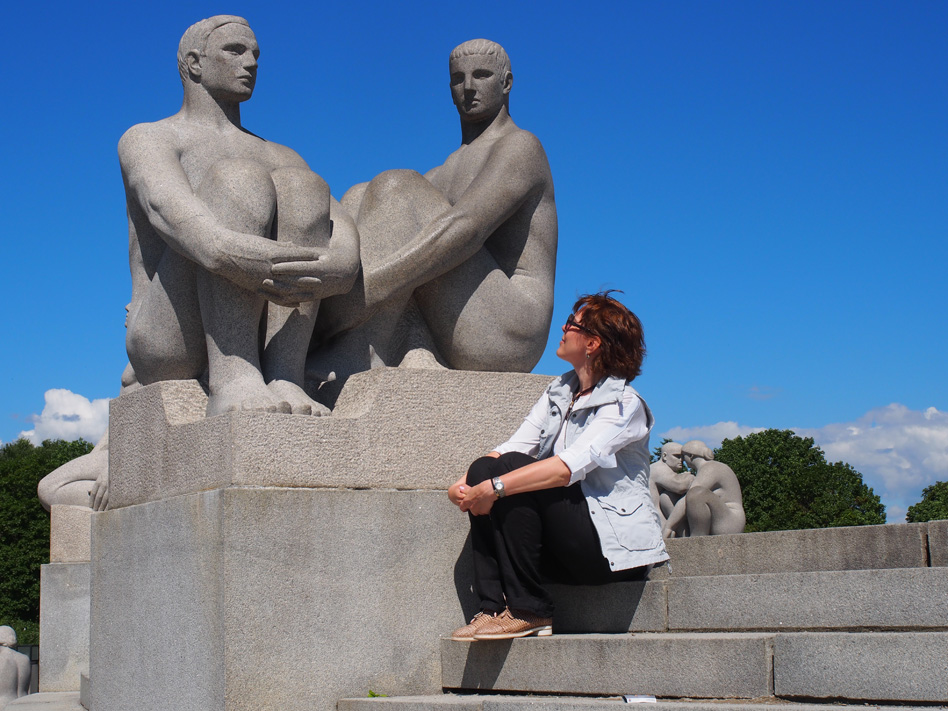
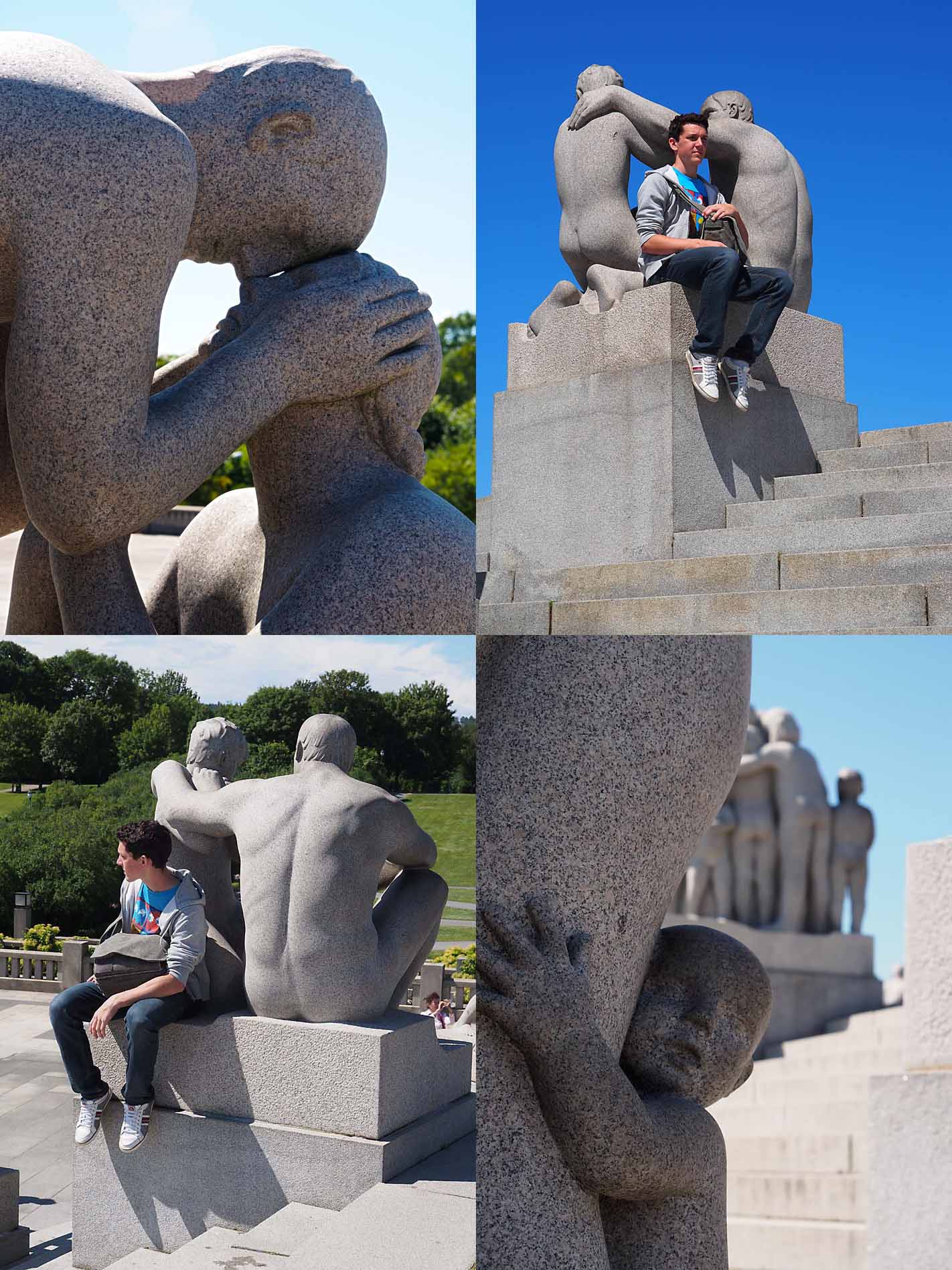
I visited the Vigeland Park last summer. It is the world’s largest sculpture park made by a single artist, and is one of Norway’s most popular tourist attractions.

The unique sculpture park is Gustav Vigeland’s lifework with more than 200 sculptures in bronze, granite and wrought iron. Vigeland was also in charge of the design and architectural layout of the park. The Vigeland Park was mainly completed between 1939 and 1949.
OLYMPUS DIGITAL CAMERA

OLYMPUS DIGITAL CAMERAOLYMPUS DIGITAL CAMERAOLYMPUS DIGITAL CAMERAOLYMPUS DIGITAL CAMERAOLYMPUS DIGITAL CAMERAOLYMPUS DIGITAL CAMERAOLYMPUS DIGITAL CAMERAOLYMPUS DIGITAL CAMERAOLYMPUS DIGITAL CAMERAOLYMPUS DIGITAL CAMERAOLYMPUS DIGITAL CAMERAOLYMPUS DIGITAL CAMERA

View original post

Municipal Dreams's avatarMunicipal Dreams

In 1933, Neville Chamberlain opened Birmingham’s 40,000th post-war council dwelling at 30, Hopstone Road on the Weoley Castle Estate.

Chamberlain, Hopstone Road 1933 2

Chamberlain acknowledged the cost of this ambitious building programme but he asserted: (1)

I do not think there is a ratepayer who will grudge that burden, or will be otherwise than glad to have made that contribution to enable his fellow citizens to live the lives of human beings and not of wild beasts.

These are not perhaps the values of the contemporary Conservative Party.

Castle Road ©Weoley Castle Library Castle Road ©Weoley Castle Library

The overwhelming majority of these new homes were built in Birmingham’s new cottage suburbs.  In the first flush of post-war idealism under the 1919 Housing Act, these homes were both expansive and expensive.  After housing subsidies were slashed in 1921, the majority of later homes would be smaller and non-parlour – on the Weoley Castle Estate only a little over ten per cent…

View original post 1,618 more words

canwefeedtheworld's avatarOne Billion Hungry: Can We Feed the World?

Last year we brought you six of our favourite TEDx talks on food security and since then we’ve discovered a whole lot more. Here are nine more interesting talks we think you might like.

JosetteJosette Sheeran, head of the UN’s World Food Program, talks about why, in a world with enough food for everyone, people still go hungry, still die of starvation, still use food as a weapon of war. Her vision: “Food is one issue that cannot be solved person by person. We have to stand together.” Watch the video.

BittmanMark Bittman, New York Times food writer, weighs in on what’s wrong with the way we eat now (too much meat, too few plants; too much fast food, too little home cooking), and why it’s putting the entire planet at risk. Watch the video.

HalweilBrian Halweil, publisher of Edible Manhattan, was on track to become a doctor…

View original post 354 more words

mecc interiors inc.'s avatarmecc interiors | design bites

What better time to plan your garden shelter for next year than as the frost and snow start to cover the ground? And what better place for inspiration than Australia?

The above set is all designed by BKK Architects for the Royal Botanic Gardens Cranbourne. Given their public nature, the shelters are more of a resting spot that a place to entertain, but with a little imagination, you can surely picture how you might use any of these spaces for dinner parties or other gatherings.

garden shelter ideas from oz | @meccinteriors | design bites via tigersheds.com

I’m not sure how I feel about the above curved structure being linked to an article entitled The Feminisation of the Garden Shed, but… The size and shape are ideal for back garden corners, particularly for narrow lots. The curve (the feminine aspect?) will soften a corner, visually expanding the space and creating a more inviting focal point.

garden shelter ideas from oz | @meccinteriors | design bites via newgardendesigning.blogspot.ca

A shelter need not…

View original post 67 more words

Municipal Dreams's avatarMunicipal Dreams

Between the wars, Conservative-controlled Birmingham built over 51,000 new council homes – more than any other local authority in the country outside London.  When Neville Chamberlain, a former city councillor and now Edgbaston MP, opened the city’s 40,000th council home in 1933 he spoke with much local pride and only a little exaggeration of:(1)

an achievement on the part of Birmingham which has no parallel in this or any other country

While Chamberlain might seem the quintessential interwar Conservative, his name and local heritage stood for something more.  Before his father Joseph Chamberlain, a dominating figure both as local councillor and MP, became a Unionist, he was a radical.  His influence, that mix, remained powerful in Birmingham.  Neville, his more pallid son, represented some of its good intent and many of its contradictions.
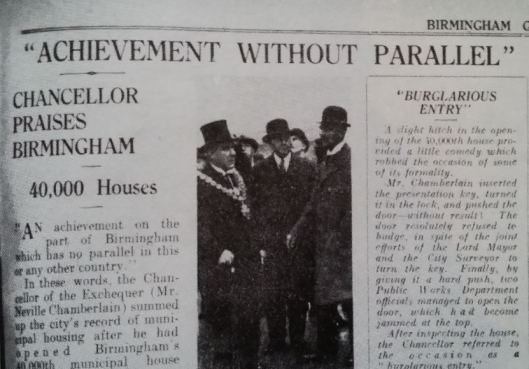
The Birmingham Gazette article marking Chamberlain's formal opening of the city's 40,000 th council home in February 1933 The Birmingham Gazette article marking Chamberlain’s formal opening of the city’s 40,000th council home, October 1933

In…

View original post 1,252 more words

A panorama of the Cortijo where we stayed

A panorama of the Cortijo where we stayed

Over our week in Andalucia, we visited the nearby town of Archidona a few times (it had a rather good supermarket). But one day we took our time…

Archidona lies in the foothills of the Sierra de Gracia. Andalucia.com describes the town:

‘… Bordering on the Granada Province, Archidona sits at the very centre of Andalucia, 660 metres above sea level. This rural community dominates the valley over which it presides……

The municipality covers an area of approximately 187 kilometres and has a population of around 10,000. Although, as with many Andalucian villages in the 1970’s, there was a grand exit from the countryside and into the larger cities, Archidona is once again a thriving little town, whose economy still depends to a large extent on the olive groves that surround the area, which yield a very high quality of olive oil…

Although Archidona has grown from a tiny village into a small town, many of today’s inhabitants still remember the days when they played marbles and hopscotch in the narrow streets. In the area knows as “Los Caños de las Monjas“, older residents in Archidona reminisce about gathering together in the hope of finding work in the olive groves, being paid at the rate of 15 pesetas a day. Woman took their washing to “Los Caños” – the public wash place. In those days, if a widow or widower remarried, the young people of the village would stand outside the house of the newly weds and make a dreadful din, often resulting in the groom chasing them down the road, firing rifle shots in the air to scare them off. Things have changed in Archidona and there is more modern housing and good facilities, but the general layout and structure of the town has remained largely unchanged…’

We made for the centrepiece of Archidona, it’s octagonal square, where we ended up having a superb lunch after looking a little further afield, including up to the mountain top church and monastery which overlooks the town…


Well, that just about sums up our week in central Andalucia, apart, of course from the actual place we stayed, alongside our welcoming and helpful hosts, Michael and Lisa. So, to round things off, here are a few pictures of the Cortijo which was a beautiful house in a wonderful setting, where I especially liked picking fresh figs and eating newly harvested almonds. It was also a joy to lie in a hammock- something I haven’t done for a long time and which felt almost foetal in its gentle two-way sway and tight wrapping…oh, and I mustn’t forget the warm red wine which we sampled, and sampled, and sampled…

This slideshow requires JavaScript.


Old School Gardener

Finding Nature

Nature Connectedness Research Blog by Prof. Miles Richardson

Norfolk Green Care Network

Connecting People with Nature

Discover WordPress

A daily selection of the best content published on WordPress, collected for you by humans who love to read.

Susan Rushton

Celebrating gardens, photography and a creative life

Unlocking Landscapes

Writing, photography and more by Daniel Greenwood

Alphabet Ravine

Lydia Rae Bush Poetry

TIME GENTS

Australian Pub Project, Established 2013

Vanha Talo Suomi

The Journey from Finnish Rintamamiestalo to Arboretum & Gardens

Marigolds and Gin

Because even in chaos, there’s always gin and a good story …

Bits & Tidbits

RANDOM BITS & MORE TIDBITS

Rambling in the Garden

.....and nurturing my soul

The Interpretation Game

Cultural Heritage and the Digital Economy

pbmGarden

Sense of place, purpose, rejuvenation and joy

SISSINGHURST GARDEN

Notes from the Gardeners...

Deep Green Permaculture

Connecting People to Nature, Empowering People to Live Sustainably

BloominBootiful

A girl and her garden :)