
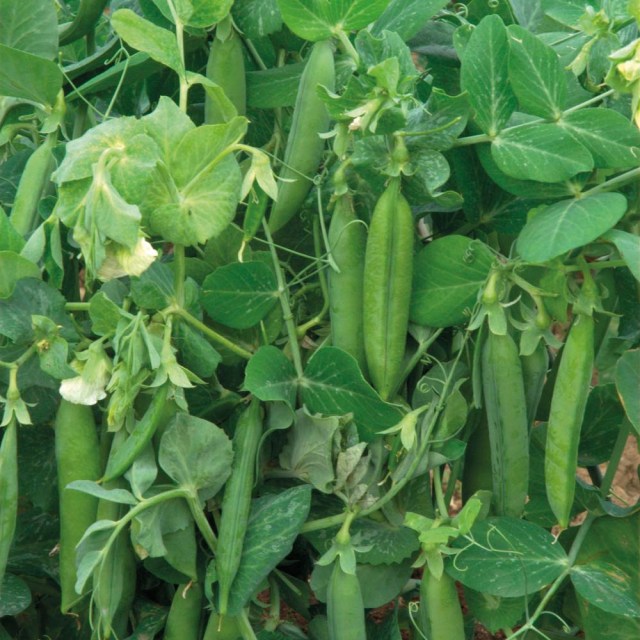
The ‘Alderman’ Pea- a heritage or heirloom variety
So, we made it to number 12. And what’s left to capture the essence of gardening? Well, I think I must put something in about legacy. So I’ve chosen an example of the humble pea, but not just any- an heirloom or heritage variety called ‘Alderman’.
In an interesting article about the heirloom or heritage varieties of pea held at the John Innes Centre in nearby Norwich, Mike Ambrose describes how the number of varieties of pea mentioned in seed catalogues increased over the 19th century, though in truth probably many were not ‘new’ varieties but thought to be such by their discoverers.
‘Peas were one of the most highly prized vegetables not just because of their nutritional qualities but also for their ease of cultivation and the range of varieties that ensured a succession of fresh produce over an extended season from May to October. Seed catalogues from the 1800’s contained many pages of descriptions of the varieties and in many, peas were placed at the front of the list. The Suttons catalogue of Vegetable seeds lists 53 varieties of peas compared to 14 broad beans whereas EW King & Co catalogue lists 49 peas to only 8 broad beans. Arthur Sutton in his paper on the progress of vegetable cultivation during Queen Victoria’s reign, interestingly also starts with peas which he refers to as the ‘Prince of Vegetables’.
The highly inbreeding nature of peas means that once fixed, particular variants or lines were particularly easy to maintain and it is clear from descriptions and illustrations as far back as the late 1500’s that peas such as parchmentless and fascinated types merited their own description and attributes (Gerard’s Herbal 1597). Prior to the rediscovery of Mendel’s work on the basis of inheritance in the early years of the 1900’s, there are clear references in the literature to selections being made from existing varieties as well as crossings between lines from which multiple forms were derived. In the absence of an understanding as to the underlying mechanism, the work was largely very largely empirical and selections in segregating populations resulting from crosses would have been only fixed for major characters leaving plenty of scope for further selection in subsequent generations.
Such was the clamour for improved varieties from growers in a market where there was no restriction in seed marketing and references can be found that openly refer to the prolific development of synonyms. Sherwood in 1898 noted the anomaly that, “while the number of listed varieties in catalogues was falling, the number of names of peas were ever increasing as more and more new varieties were being announced or shall I say old friends with new names”.
This was a brave statement of what was a widespread practise and he goes on to say “I need hardly say that they may easily be reduced to one fourth that number (150) as so many are only synonyms well known to those who test them each year: but it is not my intention to apply the pruning-knife, as I should most likely bring about my head a hornet’s nest of protests from those who do not agree with me.” This from someone who was involved with the growing of nearly 700 rows of different marketed peas for comparison in 1898 in his trial grounds in Essex…’
So my last object captures the way gardeners and breeders have taken natural processes of hybridisation among plants and developed varieties with new chracteristics- whether in foliage, flower, fruit or other ways. This legacy has added to nature’s own bounty and given us as gardeners ever more choice. But of course nature (and the growth in plant breeder’s rights) can also destroy or limit this variety. So it’s great to see initiatives like the conservation work of the NCCPG, Garden Organic’s Heritage Seed Library and the Svalbard Global Seed Vault- which both attempt to collect, and in Garden Organic’s case, promote the growing of, varieties that are in danger of being lost
…I leave to another place the debate over whether ever-increasing new varieties and the growing control of the varieties available commercially are ultimately ‘good’ things and of course the even more controversial topic of how genetic modification can even further extend our control of nature…
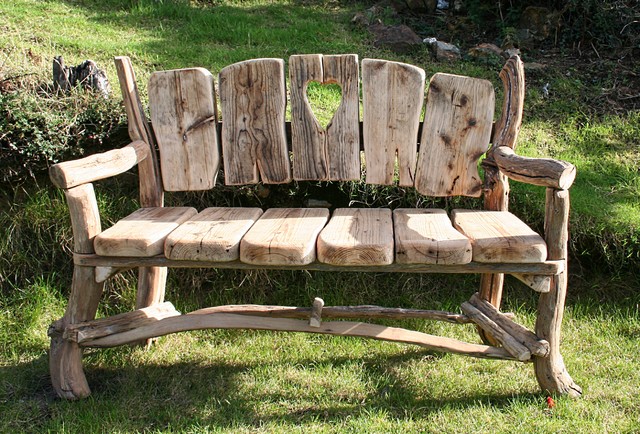 So, my penultimate object in this series symbolises our need (all too often neglected by the busiest gardeners) to sit and enjoy the fruits of our labours- the garden bench. And the one in the featured picture is made from reclaimed wood and, I think, looks rather inviting (especially with the addition of a couple of large cushions?).


 No garden is complete- in my view- without some plants you can eat. Even if it’s only the leaves of herbs or flower petals to garnish a ‘happy salad’, growing our own food has to be a part of the essence of gardening. So today’s object is a traditional garden trug, used to gather in the fruits (and veg) of your labours.


 So, while a weather satellite might seem a bit removed from the essence of gardening, I think it symbolises both gardeners’ historic need to monitor and forecast the weather (perhaps with something as basic as a weather vane), and our continuing need to do this, using technology to arm us with the information we need in more unpredictable times.
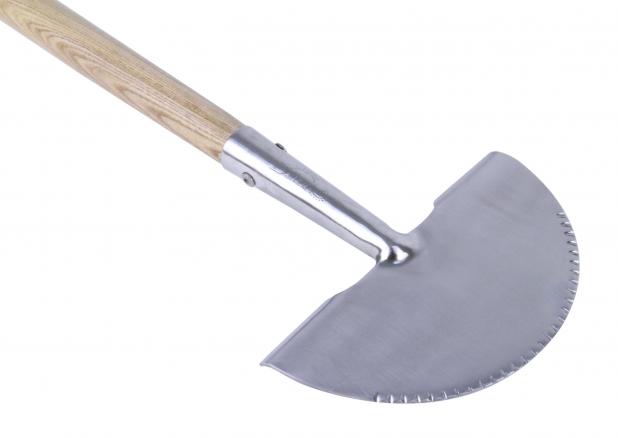 It’s great thinking about and perhaps drawing up your garden design ideas, but even better putting them into action. Sometimes (perhaps more often than I care to admit), I find the design process is more satisfying by going out, looking at the garden, grabbing your tools and shaping or constructing things there and then. A bit risky sometimes if you don’t fully appreciate the impact of your ‘on the spot’ decisions on the rest of the garden. However, when using a half moon, perhaps in combination with a nicely curving hose pipe as a guide, it is really satisfying seeing the new, crisply flowing line of a border with its freshly dug soil, emerging from the adjoining grass.
 See more of
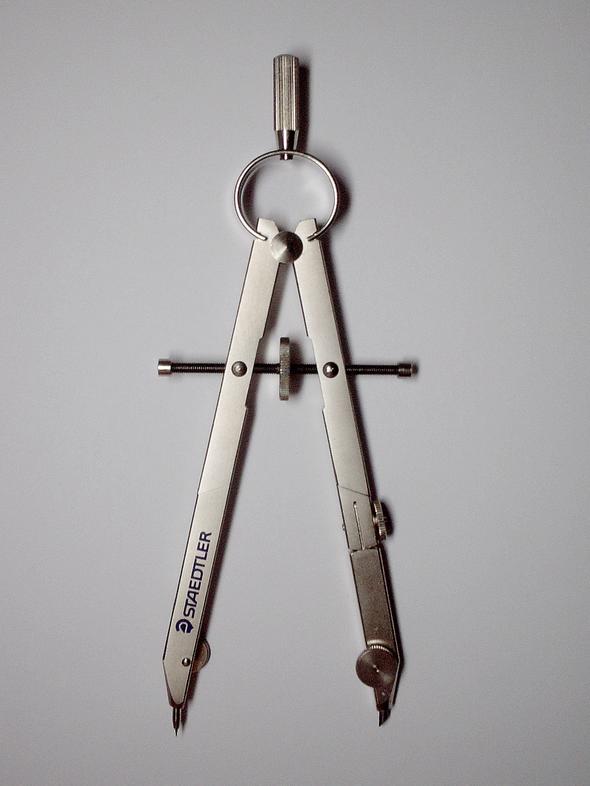
 As the
  We opened Old School Garden up to the public in 2013 for one day (not as part of the NGS, but with proceeds going to three local good causes), so I know how much hard work, excitement and enjoyment comes from doing that (we might have another go one day…). I’m also an enthusiastic visitor to other gardens, as you’ll have seen from many posts on this blog!
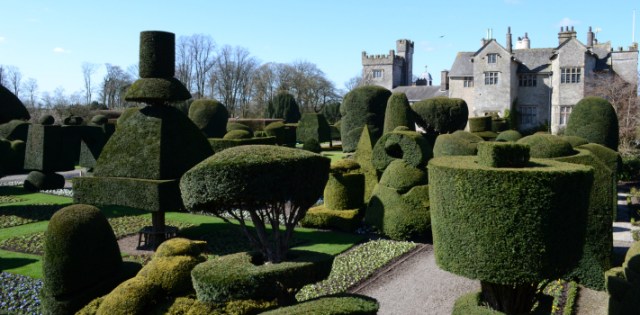 Pruning plants is a key gardening task; to stop or promote growth, to shape plants, to remove dead or diseased material, to propagate – and of course we should include grass cutting here.




 Old School Garden