

Balfron Tower is now one of the stately homes of England – a National Trust attraction no less. Recently it’s hosted an arts season, a Shakespeare play, and it’s provided live-work accommodation for twenty-five artists since 2008. And all that, to be honest, makes me sad because once Balfron was simply housing for the local people who needed it – although its size and style and big name architect did always get it special attention.
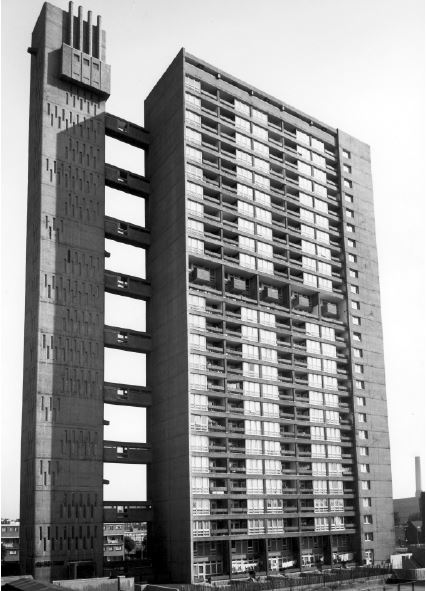 Photograph taken in 1969 showing original concrete chimneys to service tower boilers (from LBTH, Brownfield Estate, Poplar Conservation Management Plan)
The site for what is currently the Brownfield Estate, in which Balfron is located, had been identified as early as 1951. The now truncated St Leonard’s Road was one of Poplar’s principal streets; the area as a whole comprised a dense grid of old and substandard terraced housing. The land was acquired in 1959 just as…
View original post 1,118 more words


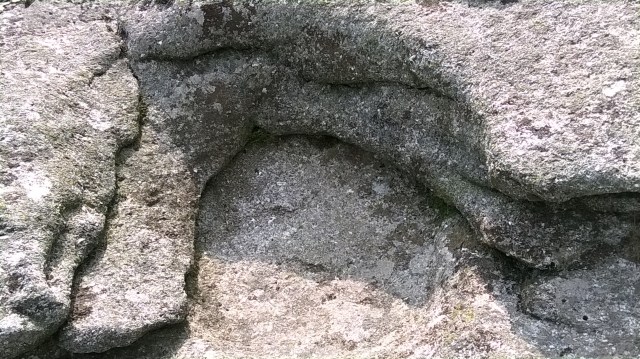
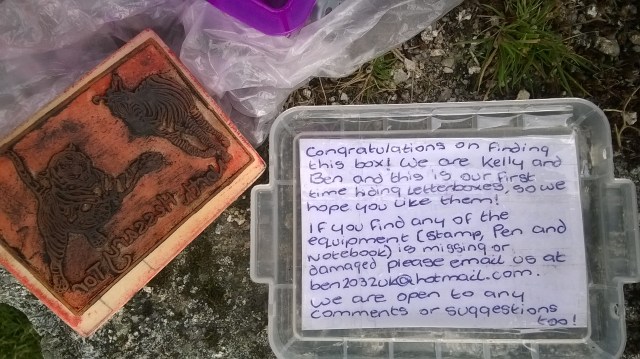


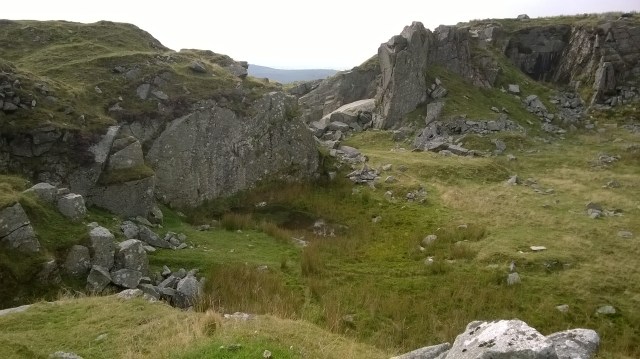
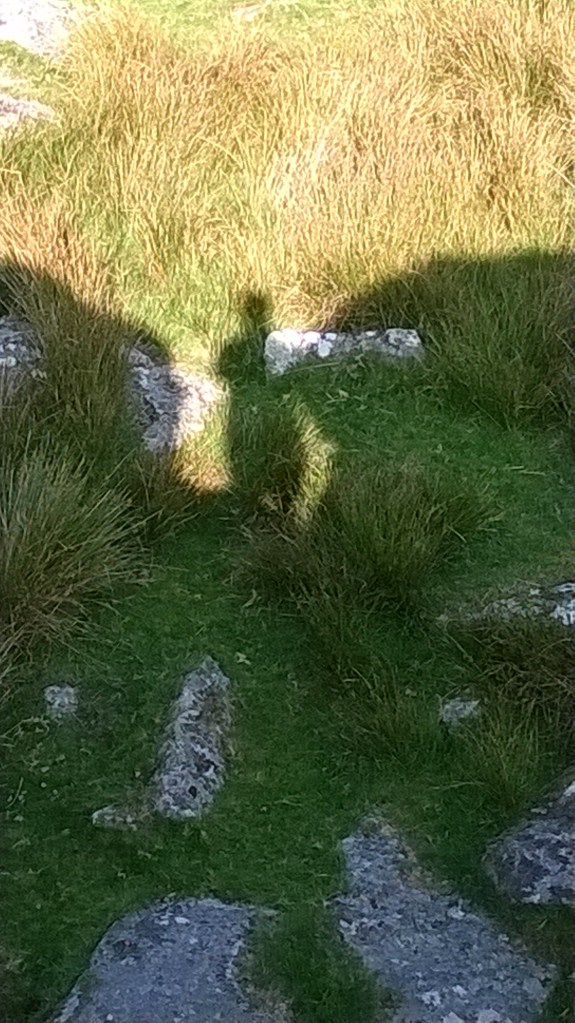


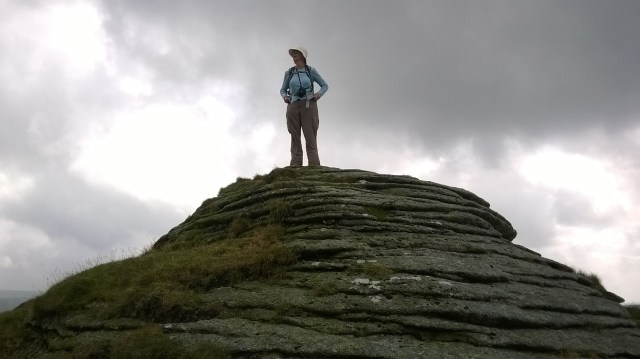


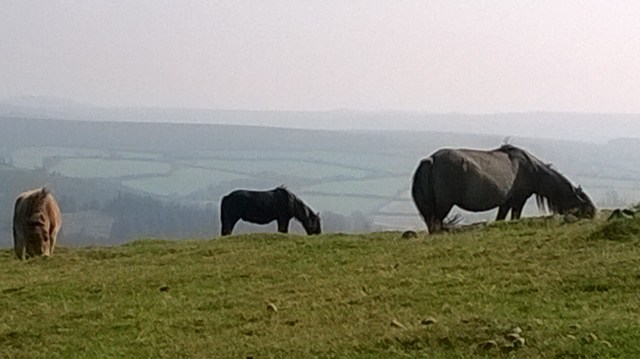


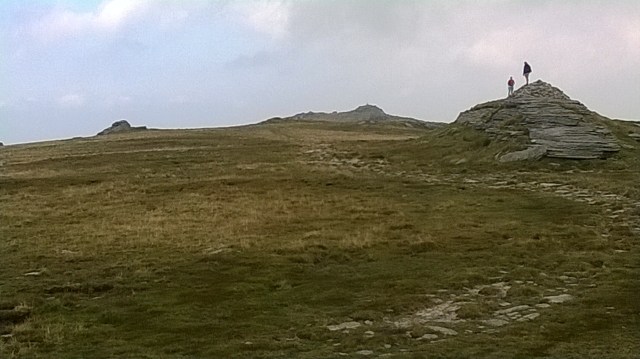 We’re just back from a week in Dartmoor, Devon, walking between some of the well-known, usually prominent rocky features of this beautiful landscape, known as tors.
  The Moor
 Varying climatic conditions occurring over millions of years, along with the cooling of the molten and other materials were the first, mainly chemical factors in the formation of the tors. Most recently, cold conditions in the Ice Age (between 2 million to 10,000 years ago), have caused major mechanical forces to shape the landscape we see today. Of these the most important is the expansion of freezing water. The deeply weathered granite was forced apart and broken up into blocks by being subjected to frequent freezing and thawing during the cold periods of the Ice Age, and gravity was also important, moving the loose material downhill.


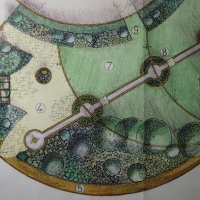


 Old School Garden