
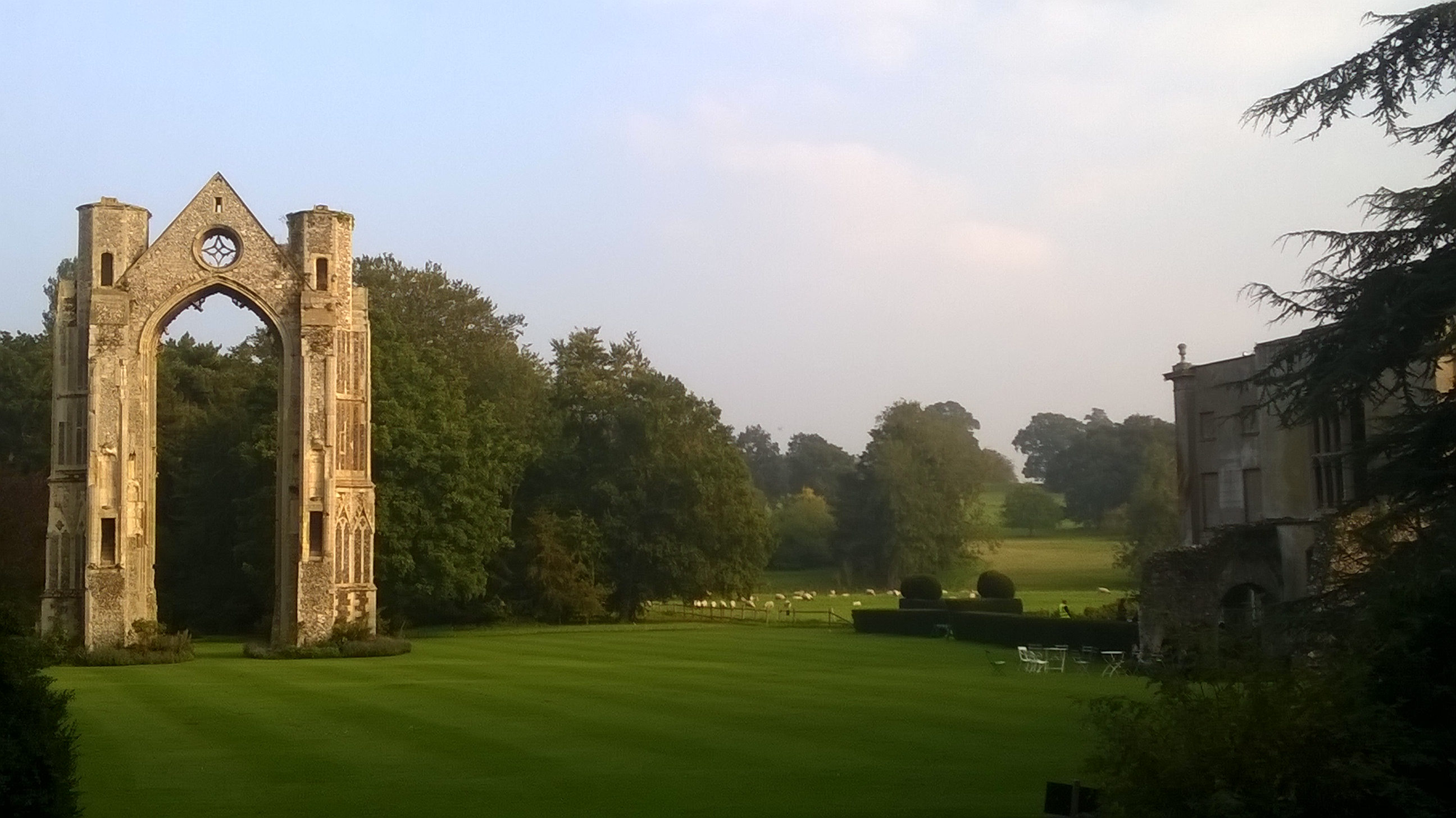
Part of the Abbey ruins at Walsingham, Norfolk; at the end of an eight mile charity ‘walk with a fork’event.
Part of the Abbey ruins at Walsingham, Norfolk; at the end of an eight mile charity ‘walk with a fork’event.

Cattle on the hill near Walsingham Abbey, Norfolk, taken on a recent charity ‘Walk with a Fork’ event.

Picture by Loving Dartmoor
 Our trip north to Coimbra in Portugal meant that apart from looking into that ancient capital, we could stop off at a few places to and from it. I’ve already shared my experiences of the roman capital, Conimbriga, which we toured on our way back to Lisbon. But we also had time to visit the equally interesting town of Tomar, further south in the area of the Beiras.


 They were obviously proud of their heritage and we were privileged to share it with them.
 As you may have picked up, I’ve been in Portugal again recently. As well as visiting some old favourites, we ventured north to the old capital of the country, Coimbra (more on this in later posts), and on our way back to Lisbon stopped off at a wonderful historical site called Conimbriga. This site, a few miles south of Coimbra, was the Romans’ capital while they were here in Portugal, some two millenia ago.


But the really noteworthy feature- well I think so- is the re-creation of the Fountain Gardens, including (for 50 cents a go) the chance to see the way the fountains might have embellished this calm, sheltered space set amid the bustle of the wider settlement.


Working out at Holland Park, London
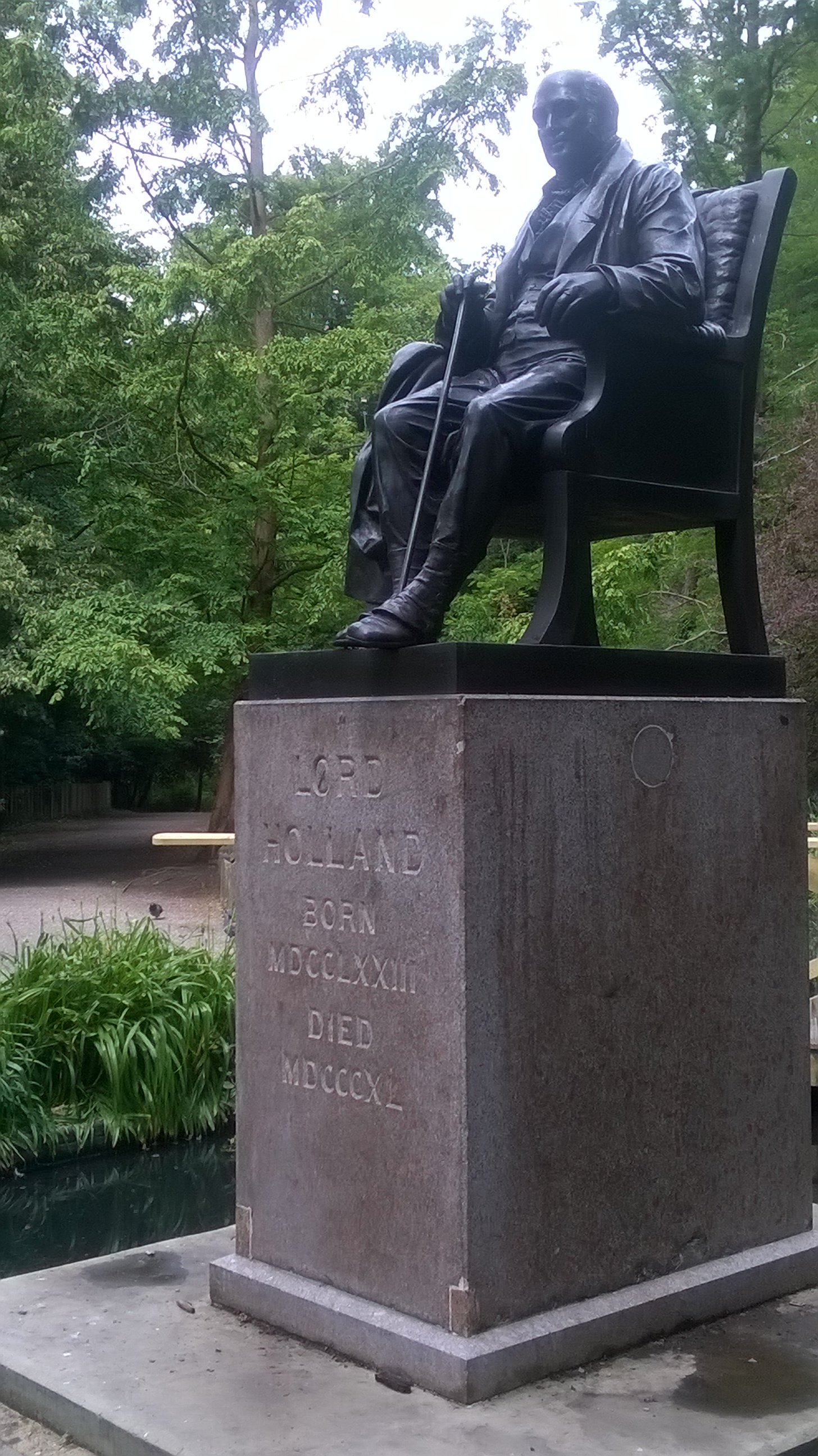 We were staying with our daughter and her boyfriend in London. It was Fathers’ Day and a special day out was planned, incorporating a trip to Holland Park, a quick visit to St. John’s Wood Church Gardens (where we discovered the grave of John Sell Cotman, a well-known watercolourist of the Norwich School and a favourite artist of mine) and a vintage car event nearby. The weather was kind and the day was brilliant.


‘Holland Park is about 22 hectares (54 acres) in area and is considered one of the most romantic and peaceful parks of West London. The northern half or so of the park is semi-wild woodland, the central section around the ruins of Holland House is more formal with several garden areas, and the southernmost section is used for sport.
Holland House is now a fragmentary ruin, having been devastated by incendiary bombing in 1940, but the ruins and the grounds were bought by London County Council in 1952 from the last private owner, the 6th Earl of Ilchester. Today the remains of the house form a backdrop for the open air Holland Park Theatre, which is the home of opera Holland Park. The green-roofed commonwealth Institute lies to the south.
The park contains a cafe as well as the Belvedere Restaurant that is attached to the orangery, a giant chess set, a cricket pitch, tennis courts, two Japanese gardens – the Kyoto Garden (1991) and the Fukushima Memorial garden (2012), a youth hostel, one of London’s best equipped children’s playgrounds, squirrels and (impressively for a London park) peacocks. In 2010, the park set aside a section for pigs whose job was to reclaim the area from nettles etc., in order to create another meadow area for wild flowers and fauna. Cattle were used subsequently to similar good effect.
The new Holland Park Ecology Centre (2013), operated by the borough’s Ecology Service, offers environmental education programs including nature walks, talks, programs for schools and outdoor activity programs for children.’


 After leaving Emmetts Garden on our way home from Sussex last week, we also stopped off to see a place that I’ve wanted to visit for a long time- Red House, in Bexleyheath, London. The house and garden designed by Philip Webb with fellow Arts and Crafts man William Morris, is a wonderful monument to all that exuberant artistic endeavour of the mid and later 19th centuries.We had a stimulating guided tour of this lovely house and garden that has been a major influence on English architecture and garden design.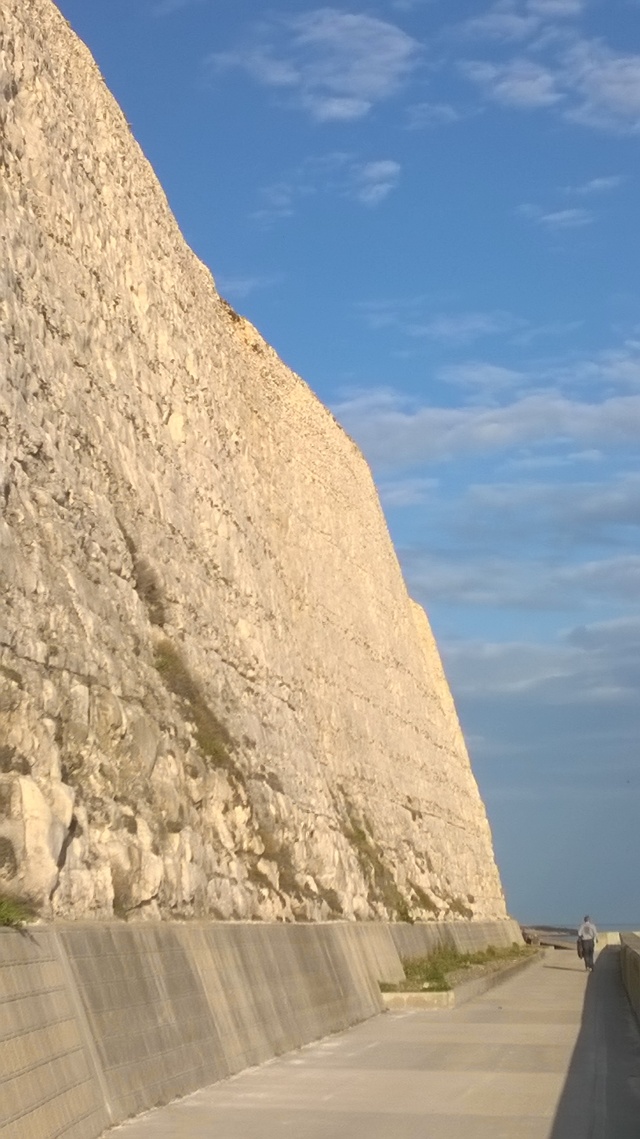
The chalk cliffs at Rottingdean, recently.
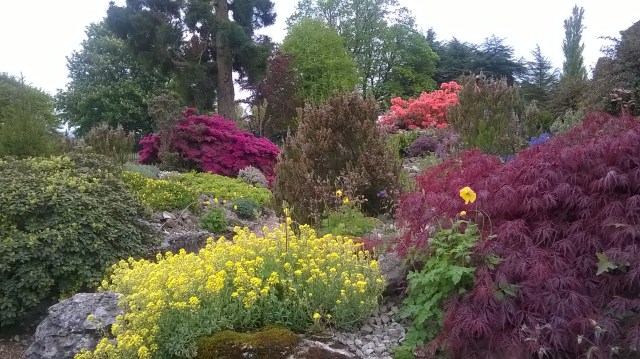 On our way home from Sussex last week, we manged to call in on two other National Trust properties. The first was Emmetts Garden, near Sevenoaks, Kent.
‘Emmetts Garden was open farmland until 1860 when the present house was built. The name ’emmett’ is a local word for ant and refers to the giant anthills that covered the area until the 1950s. The house and land was purchased in 1890 by Frederic Lubbock, a banker and passionate plantsman. Lubbock’s elder brother was John Lubbock, 1st Baron Avebury, coincidentally a world expert on ants, which may have influenced his decision to purchase the property.
The gardens were initially laid out between 1893 and 1895 under the influence of Lubbock’s friend William Robinson in the fashionable Edwardian style popularised by Gertrude Jekyll. The shrub garden was added later in 1900-1908.
After Lubbock’s death (1927), the estate was acquired by an American geologist Charles Watson Boise. He made various alterations to both house and garden but retained the original character of the gardens…
The garden, which covers an area of about six acres (approximately 2.5 hectares), occupies a commanding site on a 600-foot (180 m) sandstone ridge, overlooking the Weald. One of the highest points in Kent, it offers expansive views towards the North Downs.
It is mainly planted with trees and shrubs in the form of an arboretum; a magnificent 100-foot (30 m) Wellingtonia fortunately survived the Great Storm. There is also a rose garden located next to the Victorian house to which the gardens once belonged.’
Nigel Boldero aka 'Old School Gardener'
 | Nigel Boldero on Fighting to Reduce Climate Cha… |
 | Anonymous on Fighting to Reduce Climate Cha… |
| Anonymous on PicPost: Carrot, my foot! |
| 18 Surprising Hydran… on Plantax 16: Hydrangea the wate… | |
| Nigel Boldero on Poppyland: A Victorian romance… |
| Anonymous on Poppyland: A Victorian romance… |
| Anonymous on Plants to die for… |
 | Isabella Childress on PicPost: Forest, but not as we… |
 | Happiness Factor on Is child-friendly planning a l… |
 | zidane on Top Tip: On a Pedestal- make m… |


Nature Connectedness Research Blog by Prof. Miles Richardson
Connecting People with Nature
A daily selection of the best content published on WordPress, collected for you by humans who love to read.
Celebrating gardens, photography and a creative life
Writing, photography and more by Daniel Greenwood
Lydia Rae Bush Poetry
Australian Pub Project, Established 2013
The Journey from Finnish Rintamamiestalo to Arboretum & Gardens
Because even in chaos, there’s always gin and a good story …
RANDOM BITS & MORE TIDBITS
.....and nurturing my soul
Cultural Heritage and the Digital Economy
Sense of place, purpose, rejuvenation and joy
Notes from the Gardeners...
Connecting People to Nature, Empowering People to Live Sustainably
A girl and her garden :)

 Old School Garden