Category: Historic landscapes


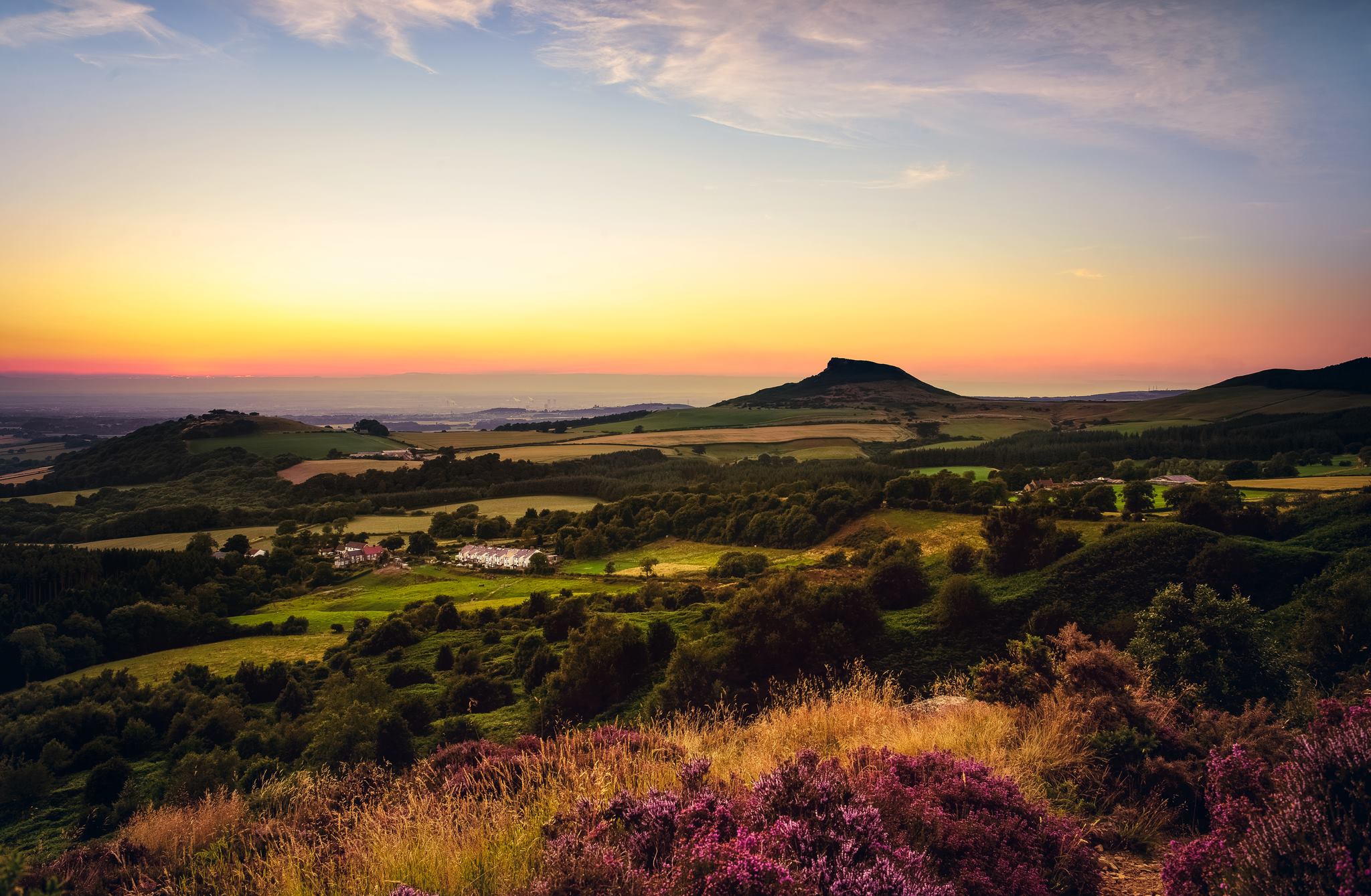
Rosemary Topping and Teeside from Gribdale via Andrea Brown

Roseberry Topping and Teeside from Gribdale via Andrea Brown

IMG_6568

On my recent West Country holiday I had the pleasure or revisiting the Minack Open Air Theatre, perched on a clifftop on the Cornish coast. It must be thirty years since I was last here and it’s certainly been developed, with new visitor facilities and altogether a more organised feel to things.

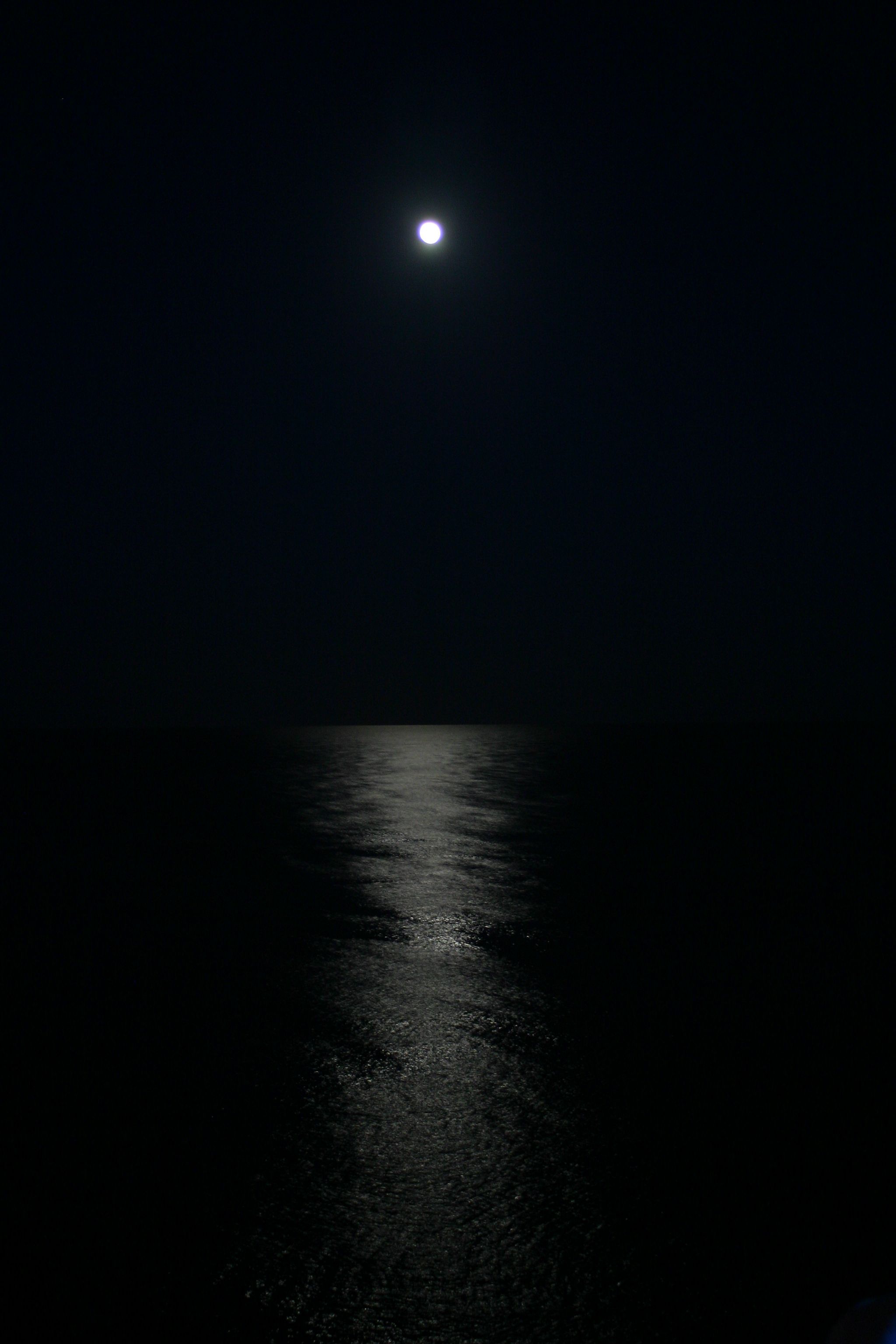
The play, which told the tale of 19th century Australian convicts acting out a play, was entertaining, but of greater impact were the sub tropical gardens that weave themselves in and out of the amphitheatre planned, financed and created between 1931 and 1983 by one determined woman – Rowena Cade. And of course, the setting. This overlooks the English Channel, and as we were there for an evening performance, one of the fullest moons ever came to dominate the scene as darkness fell.

Oh, and towards the end a large, speeding helicopter suddenly emerged from behind the bluff on which the theatre sits – congratulations to the actors who seemed unmoved by this sudden intrusion!

Here are a few shots of the evening to give you a sense of the gardens, setting and the occasion.

Further information:

Minack theatre website

Old School Gardener

If you’ve enjoyed reading this post and others on this blog, why not comment and join others by signing up for automatic updates via email (see side bar, above right ) or through an RSS feed (see top of page)?

jessicaatousewasheslps's avatarOuse Washes: The Heart of the Fens

Heritage Lottery FundFreshwater wetlands are considered to be one of the most important natural resources. They provide food, fuel, store and filter water, buffer against flooding and, store carbon. Wetlands are also important sites of recreation, allowing people to get in touch with nature. They also preserve important archaeological records such as organic materials and paleo-environmental deposits.

Over the past 1000 years, wetland habitats have been drained, developed on or polluted leading to a 90% loss of wetland area. Over the past 50 years, more than 100,000 wetland archaeological sites have also been damaged or lost. The dramatic loss of wetlands can be seen in the below maps.

As a consequence of habitat loss, wildlife and ecosystem services have declined or been lost. The majority of fragmented and diminished wetlands currently within the UK’s are also in poor condition.

In 2008 English Heritage, the Environment Agency, Natural England, the RSPB and the…

View original post 334 more words

church

I came across this poem the other day. It’s written by a chap called Jack Kett, a lovely Norfolk man who was a former Head teacher at the local school and lay preacher at our local church, St. Peter’s, Haveringland. He and his wife were well known local charatcers who have both now passed on. Many of Jack’s poems describe the local Norfolk landscape.

You may recall that some of the money raised from our recent ‘Open Garden’ event is going towards the upkeep of St. Peter’s, which can be seen from our garden. This important local landmark is, sadly, no longer regularly used for church services, but it has a rich history, including having a second world war airfield plonked next to it, which has resulted in the church being a rather lonely feature in an otherwise flat landscape – the ‘Church in the Fields’.

St.  

St.   St. Peter’s Church, Haveringland

‘Lift up your eyes, and look on the fields’,

He said, ‘your lesson to learn’.

And here, in Haver’land’s fields today,

We also, in our turn,

Witness the pageant of seasons,

The ever – changing scene,

Which, where men work along with God

Turns gold, or brown, or green.


Let us remember our forbears,

Who in the years gone by

Surveyed a scene so different,

Yet under the same great sky.

The days of the Abbey, the Market,

The Manor, the Hall – all pass

Each down the road of history,

Now rubble under the grass.


Wars and rumours of wars have come

And gone, like the stately trees,

And now, where the noisy engines roared

We hear the hum of the bees.

We live in a world of changes,

Yet surely the lesson is clear –

Amidst it all, as on a rock,

St. Peter’s  stands here,


Symbol of Truths that never change,

Of a faith that never yields,

And we find the Eternal Peace of God

In His Church among the fields.


Jack Kett , 1960

Old School Gardener

cacrerachael's avatarOuse Washes: The Heart of the Fens

Over the past few months Mark, Peter and Anna and I have been out and about in the villages and parishes in or near the Ouse Washes Landscape area chatting to local residents.  We have been asking them to describe how they use the countryside around them, tell us what they know of its heritage and let us know how they value their local landscape.

We are very grateful for the views and opinions of those we spoke to and will be using them to shape the programme going forward. I will post a full report later in the summer but thought you might be interested in some of the ideas people have shared with us and what we have been told around the area.

‘’Everyone knows it is there but not everyone knows what it does’’ Welney resident.                                                                                                                         We have found this to be true although its existence is…

View original post 261 more words

Water management- Peruvian style

‘Great article discussing how Peru’s ancient cultures manipulated their water supplies in ingenious ways in order to survive in each of their many microclimates’ via Growveg

PicPost: Tulip Mania

ilandscape.com

947383_664957856864808_1555731404_niLandscape.com

HowardJones's avatarOuse Washes: The Heart of the Fens

Heritage Lottery FundThe Fens do not appear in the theatre very often. Not having seen this piece myself just yet, but having heard an interview with the director on the radio recently, I was intrigued: ‘Ours was the Fen Country’ is a dance-theatre piece that uses words, movement, music and lights to conjure up some of the atmospheres of the Fens, some of the heaviness and also the beauty.

For Ours Was the Fen Country, Dan Canham interviewed more than 30 Fenland people, from eel catchers and farmers, to stable owners and people who spent their whole lives there.

This is how the promotional website for this work describes the piece:

For the past two years Dan Canham has been capturing conversations with people of the fens in East Anglia. Eel-catchers, farmers, parish councilors, museum keepers, molly dancers and conservationists have all been interviewed. In this etherealpiece of dance-theatre Dan and his…

View original post 336 more words

Finding Nature

Nature Connectedness Research Blog by Prof. Miles Richardson

Norfolk Green Care Network

Connecting People with Nature

Discover WordPress

A daily selection of the best content published on WordPress, collected for you by humans who love to read.

Susan Rushton

Celebrating gardens, photography and a creative life

Unlocking Landscapes

Writing, photography and more by Daniel Greenwood

Alphabet Ravine

Lydia Rae Bush Poetry

TIME GENTS

Australian Pub Project, Established 2013

Vanha Talo Suomi

The Journey from Finnish Rintamamiestalo to Arboretum & Gardens

Marigolds and Gin

Because even in chaos, there’s always gin and a good story …

Bits & Tidbits

RANDOM BITS & MORE TIDBITS

Rambling in the Garden

.....and nurturing my soul

The Interpretation Game

Cultural Heritage and the Digital Economy

pbmGarden

Sense of place, purpose, rejuvenation and joy

SISSINGHURST GARDEN

Notes from the Gardeners...

Deep Green Permaculture

Connecting People to Nature, Empowering People to Live Sustainably

BloominBootiful

A girl and her garden :)