Category: Great Gardens


PicPost: Great Garden @ Cragside

The Formal Garden, Cragside

‘Enter the world of Lord Armstrong – Victorian inventor, innovator and landscape genius. Cragside house was truly a wonder of its age.Discover the first house in the world to be lit by hydroelectricity. It is crammed full of ingenious gadgets – most of them still working. The gardens are incredible. One of the largest rock gardens in Europe leads down to the Iron Bridge, which in turn leads to the formal garden. Children will love our adventure play area and exploring Nelly’s Labyrinth, a network of paths and tunnels cut out of a vast area of rhododendron forest.’ (National Trust website)

Old School Gardener

‘At the heart of this serene rural estate is Mottisfont Abbey, set in glorious grounds alongside the fast-flowing River Test.

There are many layers of history for visitors to explore, including the Gothic remains of the original 13th-century Augustinian priory.

In the mid-20th century the final private owner, society hostess and patron of the arts, Maud Russell, used the Abbey as a base for her racy and intriguing life.

The River Test is one of the finest chalk streams in the world and the walled gardens house the National Collection of old-fashioned roses.’

On a recent trip to southern England I visited Mottisfont Abbey, Hampshire. Now run by the National Trust this house and gardens is famous for its roses – alas I will need to return in the summer to appreciate them! It also has a rather good Winter Garden and because of the bright sunshine I was able to capture some attractive images of the gardens and grounds. I hope you enjoy them.

Old School Gardener

PicPost: Great Garden @ Victor Hugo's house, Guernsey

Victor Hugo’s house, Guernsey

‘Victor Hugo left France in 1851 for an exile that would last 19 years. Following a short period of time in Jersey Victor Hugo came to Guernsey and was instantly captivated by the island.

During his fifteen years on the island he made a lasting impression and wrote some of his most famous works.

Victor Hugo’s home, for most of his exile in Guernsey, was Hauteville House, which remains today as it was left, allowing visitors to see his individual style of decoration.’  (Hauteville House website)

Old School Gardener

The Farmhouse Garden at Gressenhall Farm and Workhouse Museum

The Farmhouse Garden at Gressenhall Farm and Workhouse Museum

A variety of gardens awaits the visitor to Union Farm, part of the Gressenhall Farm and Workhouse Museum, Norfolk.

The main Farmhouse Garden sits alongside the Victorian farmhouse and was designed and developed around 10 years ago. It was intended to be a ‘sensory garden’ with aromatic, tactile and other plants including a ‘herb wheel’. It was also intended to demonstrate how planting could be used to control pests. This original purpose has been diluted over the years and the garden now provides a pleasant green foil to the farmhouse building. The garden is domestic in scale with a large area of grass and an irregular series of planted island borders, including raised beds edged with split poles. There are a number of shrubs, including climbing roses on the farmhouse wall, bench seats and a wooden shed in the north-eastern corner which contains garden tools.

The kitchen garden at Union Farm

On another side of the Farmhouse a vegetable growing patch has been developed which is used to demonstrate grow your own techniques and different types of vegetables. To the front of the farmhouse sit two other gardens, one with a range of perennial herbs that would have been used in the farmhouse kitchen and another which houses a wide range of plants that were used in the traditional dyeing of cloth. This garden was slightly rearranged last year with new edges to the borders and with a length of low willow fencing to provide both a sense of enclosure and to discourage visitors from trampling in the beds.  The plants are regualrly used here in demonstrations of traditional dyeing.
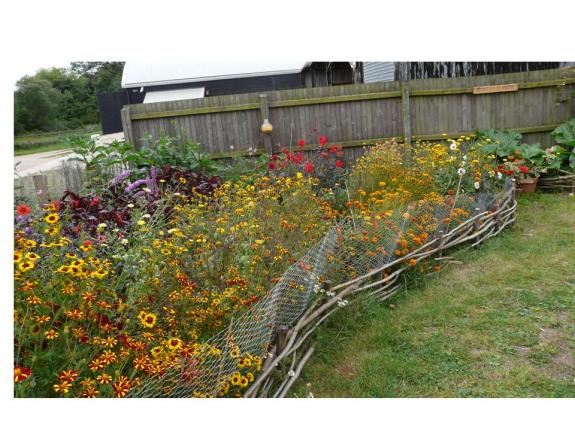
One side of the Dyers' Garden

One side of the Dyers’ Garden

Developed in recent years by the volunteer dyers, some of the plants grown here include:

Alcea rosea varieties Helianthus annuus varieties
Alkanna tinctoria Hemerocallis varieties
Amaranthus caudatus Isatis tinctoria
Anthemis tinctoria Lythrum salicaria
Berberis vulgaris Mahonia aquifolium
Buddleja davidii Origanum majorana
Calendula officinalis cultivars Perilla frutescens
Carthamus tinctorius Phytolacca americana
Consolida ajacis Pyracantha angustifolia
Convallaria majalis Reseda luteola
Coreopsis tinctoria Rheum x hybridum
Dahlia varieties Rhus typhina
Datisca cannabina Rosa –climbing varieties
Foeniculum vulgare Rubia tinctorum
Forsythia Rudbeckia triloba
Galium verum Solidago
Genista tinctoria Tagetes patula cultivars

Other posts in this series:

From Grand entrance to Grand Central at Norfolk Museum

Gypsies, tramps and thieves: garden where poor once trod at Norfolk Museum

Cottage Garden recreates 1930’s at Norfolk Museum

Old Workhouse Garden a wildlife oasis at Norfolk Museum

Unique Heritage Gardens at Norfolk Museum

Old School Gardener

If you’ve enjoyed reading this post and others on this blog, why not comment and join others by signing up for automatic updates via email (see side bar, above right ) or through an RSS feed (see top of page)?

PicPost: Help - title needed for this picture- please add your ideas!

Picture taken at Mottisfont Abbey, Hampshire

birch

‘Anglesey Abbey is a country house, formerly a priory, in the village of Lode, 512 miles (8.9 km) northeast of Cambridge, England. The house and its grounds are owned by the National Trust and are open to the public as part of the Anglesey Abbey, Garden & Lode Mill property, although some parts remain the private home of the Fairhaven family.

The 98 acres (400,000 m²) of landscaped grounds are divided into a number of walks and gardens, with classical statuary, topiary and flowerbeds. The grounds were laid out in an 18th-century style by the estate’s last private owner, the 1st Baron Fairhaven, in the 1930s. A large pool, the Quarry Pool, is believed to be the site of a 19th-century coprolite mine. Lode Water Mill, dating from the 18th century was restored to working condition in 1982 and now sells flour to visitors.’

Source and further information:

Wikipedia

National Trust website

wisley cacti

‘The flagship garden of the Royal Horticultural Society, Wisley, in Surrey, England captures the imagination with richly planted borders, luscious rose gardens and the state-of-the-art Glasshouse.Gifted to the Society in 1903, Wisley has evolved over time into a world-class garden.In the trials fields, the finest flowers and vegetables are identified from the countless new introductions. Elsewhere in the garden, cultivation techniques are tried and tested, and a series of model gardens answers the needs of a variety of conditions and circumstances.’

Source: RHS website

Old School Gardener

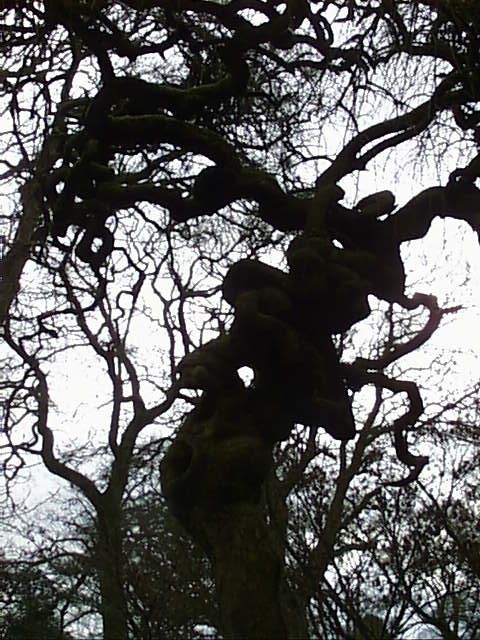
tree puzzled

Batsford Arboretum is a 55-acre arboretum and botanical park near Batsford in Gloucestershire, England… It is owned and run by the Batsford Foundation, a registered charity, and is open to the public daily throughout most of the year. The arboretum sits on the Cotswold scarp and contains around 2,900 trees, with a large collection of Japanese maples, magnolias and pines. It miantains the national collection of Prunus (sato-sakura group) – Japanese Flowering Cherry- under the National Plant Collection Scheme run by the National Council for the Conservation of Plants and Gardens (NCCPG).’

Source: Wikipedia

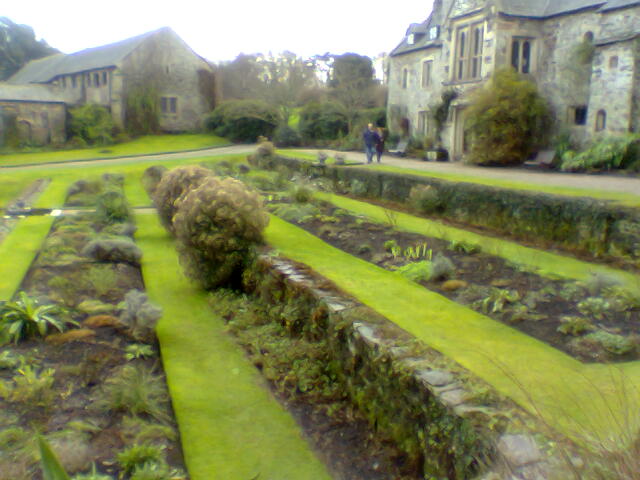
Image040

Cotehele House in Cornwall, England, is a ‘ Tudor house with many stories and legends, festooned with tapestries and adorned with textiles, arms and armour, pewter, brass and old oak furniture; a magical experience as little has changed over the years.Outside, explore the formally planted terraces, or lose yourself in the Valley Garden, which includes a medieval stewpond and dovecote. Seek tranquillity in the Upper Garden or visit the two orchards planted with local apples and cherries.Cotehele Quay is the home of the restored Tamar sailing barge ‘Shamrock’ and gateway to a wider estate. The Discovery Centre tells the story of the Tamar Valley.’

Source and further information:

National Trust Website

Wikipedia

Old School Gardener


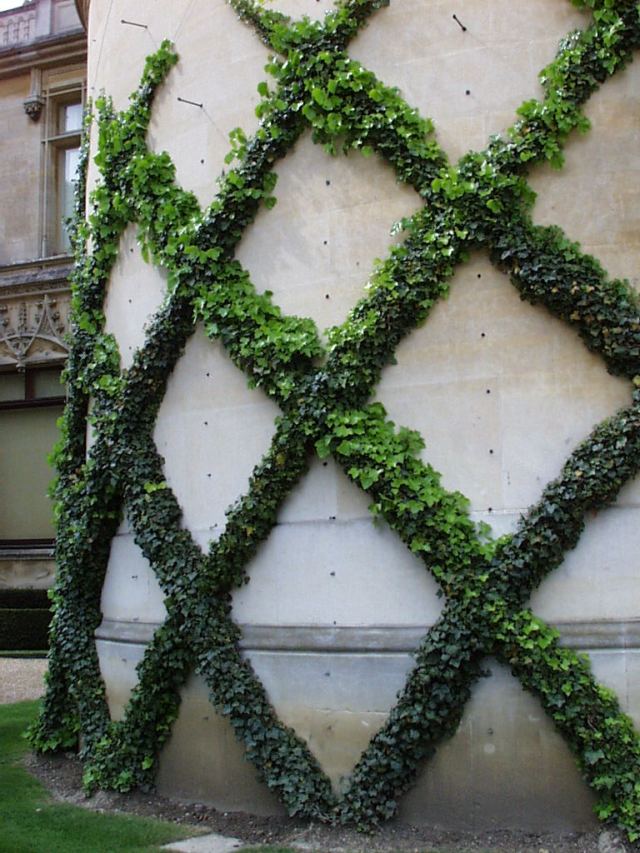
ivy

Waddesdon Manor was built by Baron Ferdinand de Rothschild in 1874 to display his outstanding collection of art treasures and to entertain the fashionable world.The 45 rooms on view combine the highest quality French furniture and decorative arts from the 18th century with superb English portraits and Dutch Old Masters. The Victorian garden is considered one of the finest in Britain with its parterre, seasonal displays, fountains and statuary. At its heart lies the aviary, stocked with species once part of Baron Ferdinand’s collection.’

Source and further information:

National Trust Website

Wikipedia

Waddesdon Manor Website

Old School Gardener

Finding Nature

Nature Connectedness Research Blog by Prof. Miles Richardson

Norfolk Green Care Network

Connecting People with Nature

Discover WordPress

A daily selection of the best content published on WordPress, collected for you by humans who love to read.

Susan Rushton

Celebrating gardens, photography and a creative life

Unlocking Landscapes

Writing, photography and more by Daniel Greenwood

Alphabet Ravine

Lydia Rae Bush Poetry

TIME GENTS

Australian Pub Project, Established 2013

Vanha Talo Suomi

The Journey from Finnish Rintamamiestalo to Arboretum & Gardens

Marigolds and Gin

Because even in chaos, there’s always gin and a good story …

Bits & Tidbits

RANDOM BITS & MORE TIDBITS

Rambling in the Garden

.....and nurturing my soul

The Interpretation Game

Cultural Heritage and the Digital Economy

pbmGarden

Sense of place, purpose, rejuvenation and joy

SISSINGHURST GARDEN

Notes from the Gardeners...

Deep Green Permaculture

Connecting People to Nature, Empowering People to Live Sustainably

BloominBootiful

A girl and her garden :)