Category: Gardening techniques


Frog_in_pond_among_aquatic_plants Today’s question comes from a gardener in North Yorkshire. Ernie Uplad of Richmond has just created a new garden pond in an open, sunny spot away from trees and wants some advice about planting:

‘I’m pleased with my new pond but need some help with deciding when to plant it up, the mix of plants to use and how to go about this- can you help, please?’

When to plant?

Well Ernie, you seem to have made a great start with the choice of a good location for your pond. As for planting  now (early spring to mid June) is the perfect time, as the weather is warming up. If you plant to put in some fish (I wouldn’t myself as they tend to eat much of the other wildlife that will inhabit your pond), then it’s important to plant up before you install them as they might go hungry unless you take the trouble to feed them yourself.

What to plant?

Some plants are essential for a pond (whether it’s for ornamental or wildlife value) – oxygenators. These are plants which live almost entirely underwater  and help to maintain an adequate level of oxygen for the other plants, fish and other animal life. They also help to reduce the level of algae, as do water lilies. The oxygenators include Canadian pondweed (Elodea canandensis), which is vigourous; Egeria densa (less vigourous); water Milfoil (Myriophyllum spicatum), with its delightful feathery foliage; and M. verticillatum, also with feathery foliage, and which also likes limy water.There are also plants you should avoid at all costs- the so called space invaders! Here’s a useful guide to these. 

You migth also like to consider ‘marginals’ – these are grown on the inside edge of the pond- here’s a guide to marginal plants. And, don’t forget plants that grow in permanently damp soil- in a bog garden you may have created next door to your pond. Here’s another useful guide to plants for a bog garden.

For planting actually in the pond here is a selection of plants to add height (they all grow up to around 45 cms (18ins) high) and will add other interest:

Water hawthorn (Aponogeton distachyus), with white flowers with dark spots throughout the year

Acorus gramineus ‘Variegatus’, for foliage colour in green and gold

Bog Arum (Calla palustris) with white flowers in summer

Calla palustris ‘Plena’ with double yellow flowers in March- April

Cotula coronopifolia with yellow ‘buttons’ in  July- August

Hydrocharis morsus-ranae, with white-flowered floaters all summer

Mimulus moschatus and M. ‘Whitecroft Scarlet’ with yellow and red flowers, respectively,  all summer

Golden Club (Orontium aticum) with yellow club flowers in May- June

All medium-sized lilies (Nymphaea) in red, white, pink and yellow shades throughout the summer.

How to plant?

Well, let’s take water lilies first.The crowns (rhizomes or tubers) should be planted in a medium to heavy loam with the crown tips exposed and upright- they must not be buried. all other container plants can be planted in the same type of soil and to the same depth as they were at the nursery or when you propagated them, but avoid over rich soils; you can buy special aquatic compost if you like, but by avoiding rich soils  you will minimise problems with algae and weed through raising the nutrient levels in the water. The oxygenators will need to be weighted if this has not already been done by the nursery. Clumps of 6-12 small pieces should be put on the floor of the pool and held in a group by a lead weight. This will keep them from floating to the surface. Natural floaters like Hydrocharis morsus-ranae are simply put on the surface.

How to propagate?

You might in due course want to propagate your own plants and for most water plants this is very simple. you just divide them in the spring after lifting out the containers any plants you  require. Division is achieved by driving in either two handforks (or two larger forks for larger plants) back to back, then pushing the forks apart to prise away the outermost plants in the clump. Do not use the centre crowns; these are the oldest parts of the plant and should be disposed of.

A pond is a fantastic resource for wildlife

Further information: RHS guide to aqauatic planting

Old School Gardener


Planting Patterns #8

Patterns to move through- Alliums and Laburnum tunnel= glorious

Old School Gardener

Gardening-Boots2Two new rounds of my courses on Garden Design and Grow Your Own Food for Beginners start soon, and I’m also offering a new, one day course on Wildlife Gardening. I ran the last Garden Design course earlier this year and had great feedback on it (I even had a thank you present from the students!). All the courses feature a lot of group discussion and some practical tasks as well as useful tips and tricks to help particpants apply what they learn to their own plots.

The Garden Design course takes students through a customised design process, prompting a fresh look at participants’ own gardens, giving them the opportunity to develop their own ideas in a systematic way and benefitting from ideas generated in the whole group. I support participants to draw up their own scale plan design for their garden and supply plenty of useful background information and links to helpful web sources as well as the opportunity to borrow from my own garden book library. The course can also feature a visit to a well known garden to look at design ideas in practice.

The ‘GYO’ course is aimed at food-growing beginners or novices and gets off to a flying start with making paper pots and sowing broad bean seeds. It also prompts students to look at what they want to eat/grow and how they might do this most effectively in their own plots – this can include growing in containers for those with little or no garden.The course includes a visit to Old School Garden to look at my own approach to food growing, and covers topics like soils and soil improvement, growing under glass, encouraging beneficial wildlife into your garden and how to effectively control pests and diseases.

Narrow beds in the Kitchen Garden at Old School GardenNarrow beds in the Kitchen Garden at Old School Garden

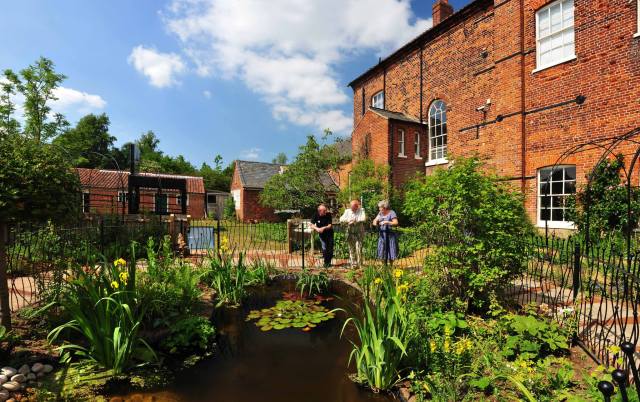
The one day Wildlife Gardening course, taking place at Gressenhall Farm and Workhouse Museum, makes use of the Wildlife Garden at the Museum and includes some practical work to help develop the wildlife -friendly features there as well as helping participants to focus on their own gardens and gardening practices. The aim is for them to develop  their own action plans for the future.

The Wild life Garden at Gressenhall Farm and Museum

The Wild life Garden at Gressenhall Farm and Museum

The courses are fast filling up but there are some places still available if you’re quick!

They are running as follows:

Garden Design–  6 Monday evenings, 7pm-9pm at Reepham High School & College, commencing on 12th May.

Grow Your Own Food for Beginners – 6 Wednesday evenings, 7pm-9pm at Reepham High School and College, commencing 14th May.

Get more details and how to enrol at www.reephamlearningcommunity.co.uk

Wildlife Gardening- Sunday 18th May, 10am-4pm at Gressenhall Farm and Workhouse Museum, near Dereham.

For more information on this and other short courses at the Museum see www.museums.norfolk.gov.uk

Old School Gardener

Planting Patterns #7

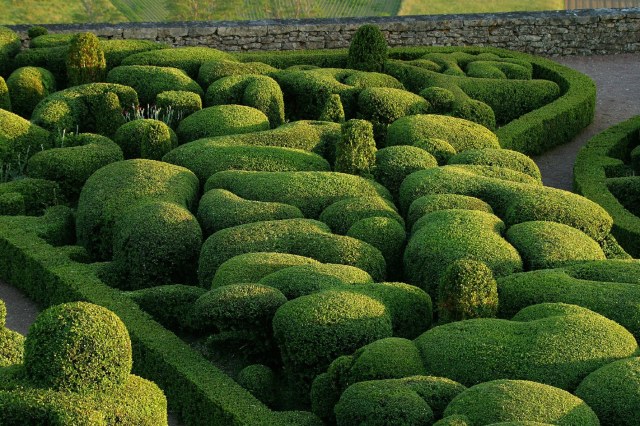
Planting as form at Marqueyssac, France

Old School Gardener

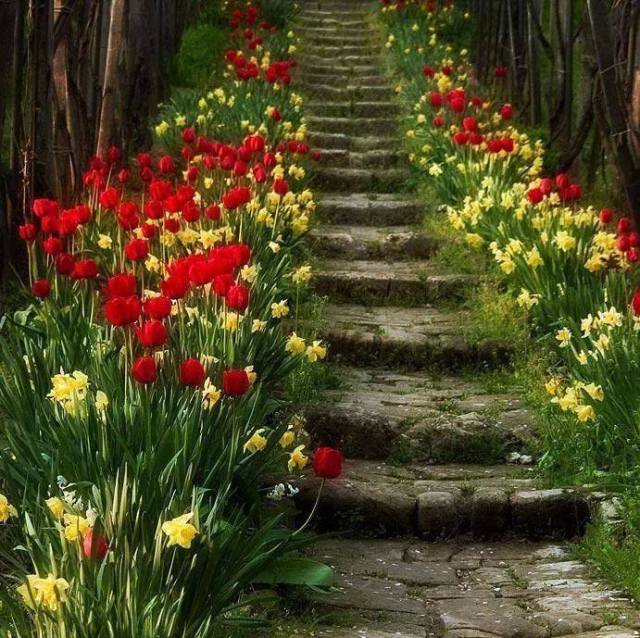
Planting Patterns #5

Spring in the step

Old School Gardener

You may recall I mentioned trying to convert an old wooden bicycle rack into a plant theatre. These are traditionally structures where small specimen plants are put on display- usually in old terracotta pots. Auriculas and Pelargoniums are some of the plants often used. Here’s an example of an Auricula Theatre recently shown at an RHS show.

Auricula Ttheatre at an RHS show
Auricula Theatre at an RHS show

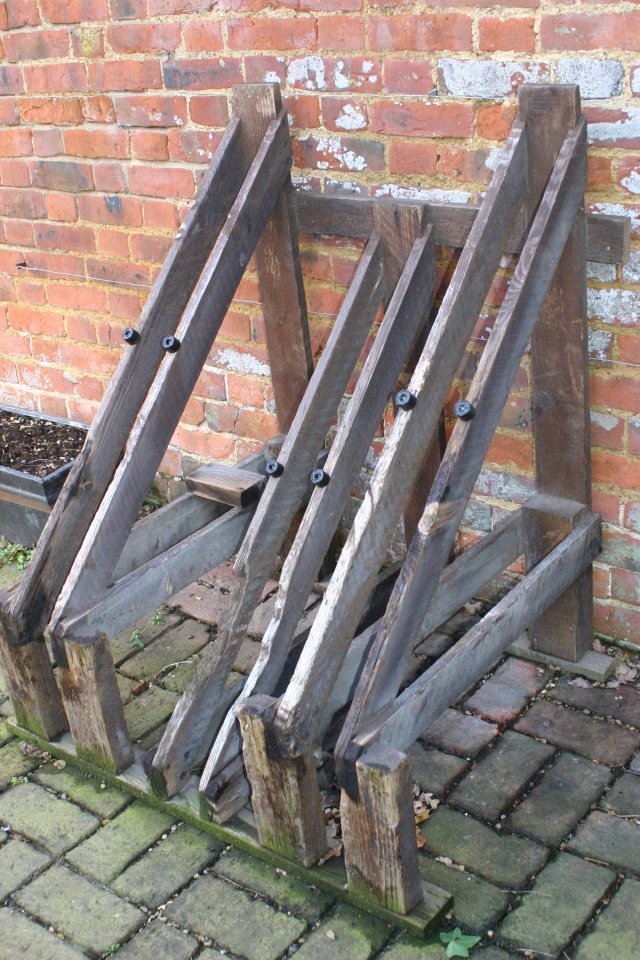
To avoid losing the interesting foliage effects (or ‘bloom’) on some varieties of Auricula, its advisable for the plants to have some overhead protection from the rain. Having recently completed an Alpine planter for the Courtyard here at the Old School Garden (which is now looking splendid- I’ll put some pictures in my next ‘Dear Walter’ letter), I thought this would add another interesting feature. Here’s what the bicycle rack looked like before I got to work on it.

The old Bike Rack before it's makeover
The old Bike Rack before it’s makeover

It is a relic of the local School at Cawston and must be a good 50- 60 years old. Having reorganised our sheds and so no longer in need of a rack for our bikes, it seemed a good opportunity to recycle something with local historical links. Having measured up and done a rough design, I bought a few planks of pressure-treated gravel boards from a local timber merchant and set to work; measuring out the spacing of the ‘shelves’ that would sit on the angled frame, cutting the notches in this to receive the shelves and screwing them home. Having some black wood stain left over from the alpine planter I used this to give the whole thing a unifying finish that would tie it into the courtyard. Here’s the final result, before and after painting, with the six shelves awaiting the addition of plants.

This slideshow requires JavaScript.

As I have some pelargoniums in pots I think this is what I’ll use the planter for this year, though I’ll need to purchase a few more interesting varieties and source some old 3″ or 4″ pots. Next year I might do a spring display of Primulas (including Auriculas) as well as something for the summer months. I might have to think about an overhead canopy of some sort to protect the Auriculas from rain (maybe some sort of movable ‘pram hood’ that can be pulled over from back to front?)

Once the new planter is planted up I’ll show you how it turns out!

Old School Gardener


Planting Patterns #4

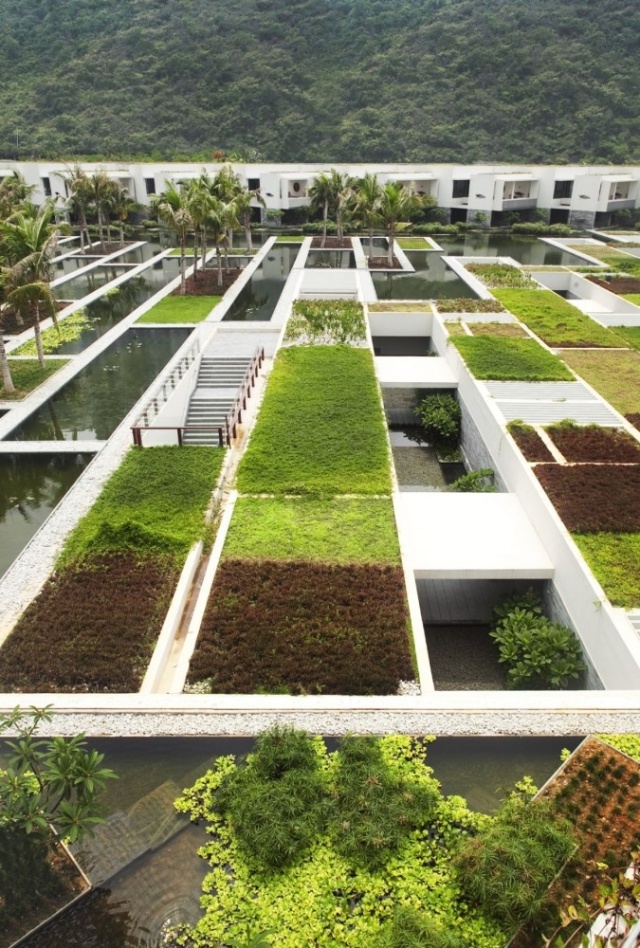
Green (and wet) roof at the Intercontinental Sanya Resort

Old School Gardener

Planting Patterns #3

High ranking Hyacinths at Blickling Hall, Norfolk

Plant Patterns #2

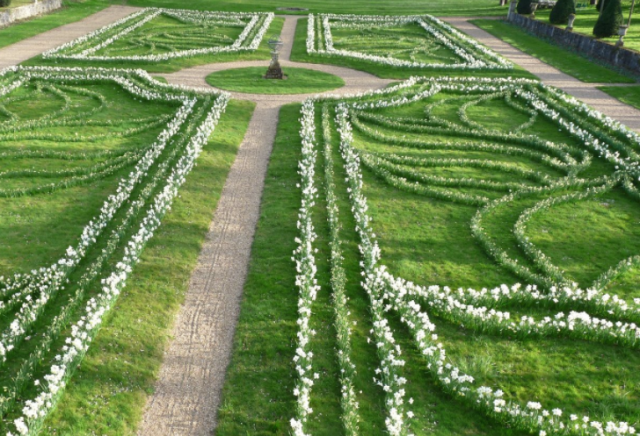
Narcissus parterres

Old School Gardener

Planting Patterns #1

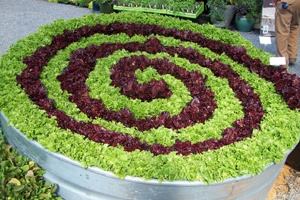
A Lettuce swirl

Old School Gardener

Finding Nature

Nature Connectedness Research Blog by Prof. Miles Richardson

Norfolk Green Care Network

Connecting People with Nature

Discover WordPress

A daily selection of the best content published on WordPress, collected for you by humans who love to read.

Susan Rushton

Celebrating gardens, photography and a creative life

Unlocking Landscapes

Writing, photography and more by Daniel Greenwood

Alphabet Ravine

Lydia Rae Bush Poetry

TIME GENTS

Australian Pub Project, Established 2013

Vanha Talo Suomi

The Journey from Finnish Rintamamiestalo to Arboretum & Gardens

Marigolds and Gin

Because even in chaos, there’s always gin and a good story …

Bits & Tidbits

RANDOM BITS & MORE TIDBITS

Rambling in the Garden

.....and nurturing my soul

The Interpretation Game

Cultural Heritage and the Digital Economy

pbmGarden

Sense of place, purpose, rejuvenation and joy

SISSINGHURST GARDEN

Notes from the Gardeners...

Deep Green Permaculture

Connecting People to Nature, Empowering People to Live Sustainably

BloominBootiful

A girl and her garden :)