Category: Design


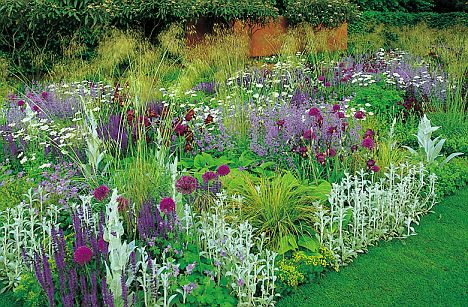
White Walls and light paving can help to lift a shady space

White Walls and light paving can help to lift a shady space

Even  dense shade in the garden can be made attractive to look at and suitable for growing plants.

1. Whiten up

Make the best use of available light by painting walls and fences white. Also lay light coloured paving, stain trellis work white and use seats and containers which are either white or pastel shades.

2. Reflect on it

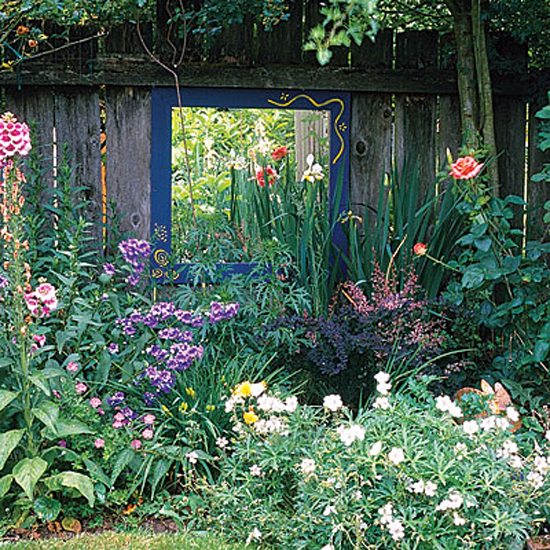
You can create the illusion of space and brighten up dark corners by putting up a mirror, which will also reflect light onto the plants.

3. Water works

The reflected light and the gentle sound of a water feature with a fountain will help to lift a dark corner.

Mirrors can give a shady space a whole new dimension

Mirrors can give a shady space a whole new dimension

Source: ‘Short Cuts to Great Gardens’- Reader’s Digest

Old School Gardener


Stunning Underground Garage Design Ideas With Hydraulic SystemMy friend Les sent me this link to an item on BBC News, which makes for interesting, if not surprising and worrying reading…

Old School Gardener


plant combination1Tip:

Look for plant combinations that work well together when visiting other gardens. Don’t be afraid to copy tried and tested ideas from books and magazines as this will save you time experimenting by trial and error.


plant combination2

Further information: Great Plant combinations

Old School Gardener

front garden1A front garden is on view to all, so must look good all year and be functional. Here are a few ideas for making your own ‘entrance’:

Focal points-

  • A statue, pot or some other hard landscape feature can be used to provide a focal point; something to draw the eye and give a sense of unity to the front garden.

  • Alternatively, box topiary shapes or other bold ‘architectural’ plants can fulfil this role and can be relatively easy to maintain. Likewise, planting groups of the same plant can be used to create a series of ‘green’ focal points.

  • Another idea is to create a feature such as a rockery that will be seen from the roadside and combines both hard and soft landscaping elements.

Paths and drives-

  • A path to the front door is a central feature of most front gardens. By laying this diagonally across the plot an illusion of depth can be created. If your plot is relatively small and your path from garden entrance to front door has to be primarily fucntional, they should take the shortest route if they are going to be used by casual visitors. However, they can be made to look more attractive by introducing gentle curves or by by using a mixture of path surfacing materials such as brick and stone. But don’t use more than two or three different materials as this can cretae a fussy, disjointed look.

  • If your plot is larger and you can fit in a second path which has a mainly decorative role, this can be routed to meander through the garden and provide easy access to each part of the plot; it could be a continuous ‘snake’ of paving or stepping stones, or a combination of both.

  • Don’t underlay gravel with different coloured or shaped chippings, as over time these will rise to the surface and the result will look ugly.

  • Try to avoid using impermeable materials for vehicle hard standings (there are now regulations in place about this) and if you do have large hard surfaced areas use planting pockets to break these up- a car can easily pass over low growing plants.

Planting-

  • Drought- tolerant shrubs such as Hebe and Choisya help to squeeze out weeds, so helping to keep the front garden looking tidy.

  • Plant tough plants at the edges of drives such as ornamental grasses, heathers or creeping thymes, which will survive an occasional clipping by a car tyre.

  • Use creeping plants near to the edges of the garden to create a natural look.

Good neighbour-

  • Abide by the law if you are thinking about some more major changes to your front garden e.g. if you are putting up a wall or fence adjoining a public road that is higher than 90cms or hedges in such locations. You need to contact the local authority before putting in solid boundaries and may be asked to cut back hedges that interfere with sight lines.

  • Likewise you need to contact the local authority if you plan to put in a vehicle ‘crossover’ over a public footpath and if you want to cultivate any grass verge outside your house.

front garden2

Source: Short Cuts to Great Gardens- Reader’s Digest

Old School Gardener


gardening_hints_windy_gardens_windswept_treeHave you got an exposed garden? In these sites- especially on hillsides or in coastal areas- wind can cause more damage than frost or cold. Think about the best ways of providing some shelter.

A solid wall or fence can make wind eddy over the top and can cause strong back-drafts on the leeward side. Instead, filter the wind to slow it down with a hedge or artificial wind break, which will give useful shelter for a distance about ten times its height on the leeward side. Another option- if you have the space- is to plant a shelter belt of trees. If you have views out from the garden that you want to preserve, try creating ‘windows’ in a hedge or other barrier.

Here are four typical problems in windy sites and tips on what to do about them…

1. Growth

Problem: Wind slows plant growth by increasing water loss through evaporation. This can significantly reduce the yields of vegetables.

Tip: protect the vegetable plot with wind break netting or a natural barrier like a hedge.

2. Pollination

Problem: Pollinating insects avoid windy areas.

Tip: To get good pollination of fruit crops grow them against sheltered walls.

3. Leaves and flowers

Problem: Plants with big leaves and those that come into flower early in the season are more vulnerable to wind damage.

Tip: Avoid growing such plants or place them in sheltered spots.

4. New plants

Problem: New plants, particularly evergreens, are especially susceptible to wind damage.

Tip: Protect these plants with wind break netting until they are well establishes and keep all new plants well watered.

Windbreak fabric can be an effective method of sheltering your vegetables

Wind break netting can be an effective method of sheltering your vegetables

Further information: Gardening hints for windy and exposed gardens

Source: ‘Short Cuts to Great Gardens’- (Reader’s Digest 1999)

Old School Gardener

PicPost: Gaze boy!

Gazebo near Gay Village, Montreal via Pierre Fitch

Gazebo near Gay Village, Montreal via Pierre Fitch

path magic

FB_20150303_22_08_19_Saved_Picture

Old School Gardener

Orchard-PerspectiveGo to these links for a fascinating look at different Architect’s visions of the future of farming…

http://www.economist.com/blogs/multimedia/2010/12/designing_vertical_farm?fsrc=scn/fb/wl/vi/inventinganewarchitecture

http://http://www.economist.com/blogs/babbage/2010/12/vertical_farming

Old School Gardener

Here’s my latest collection of outside projects using wooden pallets and other recycled materials- some inspiring designs and superb craftsmanship, courtesy of 1001 pallets.

Old School Gardener

Finding Nature

Nature Connectedness Research Blog by Prof. Miles Richardson

Norfolk Green Care Network

Connecting People with Nature

Discover WordPress

A daily selection of the best content published on WordPress, collected for you by humans who love to read.

Susan Rushton

Celebrating gardens, photography and a creative life

Unlocking Landscapes

Writing, photography and more by Daniel Greenwood

Alphabet Ravine

Lydia Rae Bush Poetry

TIME GENTS

Australian Pub Project, Established 2013

Vanha Talo Suomi

The Journey from Finnish Rintamamiestalo to Arboretum & Gardens

Marigolds and Gin

Because even in chaos, there’s always gin and a good story …

Bits & Tidbits

RANDOM BITS & MORE TIDBITS

Rambling in the Garden

.....and nurturing my soul

The Interpretation Game

Cultural Heritage and the Digital Economy

pbmGarden

Sense of place, purpose, rejuvenation and joy

SISSINGHURST GARDEN

Notes from the Gardeners...

Deep Green Permaculture

Connecting People to Nature, Empowering People to Live Sustainably

BloominBootiful

A girl and her garden :)