Archive for October, 2013


Amaryllis (Hippeastrum) 'Candy Floss'

Amaryllis (Hippeastrum) ‘Candy Floss’

This week’s question comes from a recent blog follower, Elena who lives in Bergamo, Italy:

“Yesterday I bought three big Amaryllis bulbs, any tips?! There was a Dutch flower stand in my city and I couldn’t resist!”

Elena, I can do no better than show this useful video of the way to pot these wonderful bulbs. After you’ve completed the potting up, place the pot in a warm, dark place and watch for signs of new leaves. Once these are showing, then place the pot in a bright, sunny, frost-free place indoors – a windowsill would do fine. Planted about now you should have some glorious colour at Christmas!

amaryllis christmasWhilst on the subject of keeping things frost-free over winter, there is one golden rule when trying to protect tender plants over the coldest months: don’t over water.

When temperatures are low, the great enemy of plants is dampness, as rot may set in. During very cold spells it is usually best to withhold water entirely. Plants that are dormant or resting should in any case be watered very rarely, perhaps just enough to prevent complete drying out. Plants with fleshy roots, and bulbs, corms, tubers, rhizomes and other storage organs must be kept quite dry and frost-free or they will rot. They should be stored in containers of clean, dry sand or gritty compost. If stored in a greenhouse, the atmosphere must also be kept on the dry side, and should be ventilated when the general temperature allows. If you have an extra cold spell and you can’t keep the air temperature up, you can protect your plants to some extent against frost damage by covering them with horticultural fleece, dry newspaper or ‘bubble wrap’ plastic anchored with stones.

dahlia tubers

Dahlia tubers are best lifted, cleaned off, dried and then stored in sand or gritty compost before significant frost

Old School Gardener

If you’ve enjoyed reading this post and others on this blog, why not comment and join others by signing up for automatic updates via email (see side bar, above right ) or through an RSS feed (see top of page)?

greenbenchramblings's avatargreenbenchramblings

Seating in a garden turns a display of plants into a place in which to become entranced. We only have a quarter of an acre of garden but we have a seat  around every corner and a seat to enjoy every view. I started taking photographs of seating in gardens at the beginning of last year’s garden visiting season, photographs of any bench or chair that appealed to me or seemed particularly well-placed or particularly welcoming. In this series of posts I shall choose an interesting selection for you to enjoy.

First up is this elegant metal table and chairs in a wild area of a garden away from the house where tea and cakes can be enjoyed whilst appreciating the wildlife that shares the peace that pervades this patch .

IMG_0628

This benches in one of the green spaces at our allotment site provides an ideal place for a picnic. Here we can sit amongst meadows of…

View original post 138 more words

PicPost: Eat Your Own
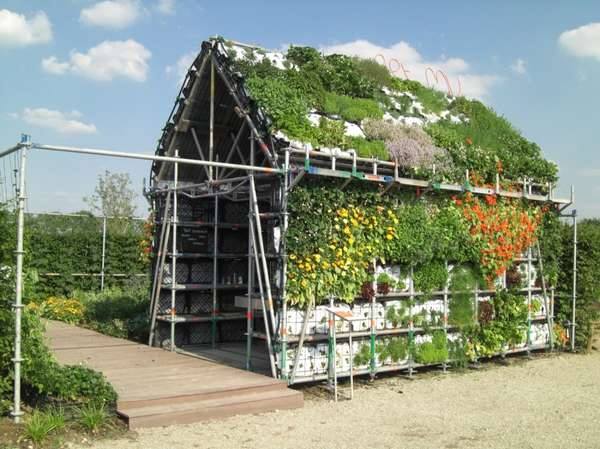
Via Grow Veg – This ‘Eathouse’ is constructed of metal scaffolding pipes and soil-stuffed crates which are planted up with vegetables, herbs and edible flowers:
http://www.archdaily.com/98895/eathouse-de-stuurlui-stedenbouw-atelier-gras/

Old School Gardener

‘This pallet installation named “Forêt II” is a cubic meditation place made of 800 recycled wooden pallets. With its four cardinal points oriented corners it represents the meeting and the connection of territories. This work by Justin Duchesneau and Phil Allard was presented at the 2011 Art Festival at Rideau Canal in Ottawa (Canada).’

Ever thought of creating a pallet artwork in your garden?

From 1001 pallets

Old School Gardener

shinealightproject's avatarShine A Light

Invention and beginnings

By Ann-Marie Peckham

I remember visiting the Collections Store at Beamish, County Durham a few years ago and being amazed at their bicycle collection. Seeing nearly 200 years worth of developments in the appearance and mechanics of the bicycle was fascinating. So I was pleasantly surprised when I realised that we also have a large collection of bicycles in our pre-existing racking in the Superstore, which you will be able to see when we open in spring 2014.

Now, you may be asking yourself ‘how can bicycles be that interesting? But the bicycle has had a varied, controversial, and even amusing history, which I will (attempt) to outline using some objects from our collection. However, because the history is so varied I will span this blog over two parts (so do check back in a month’s time).

From the beginning of time human beings have looked…

View original post 1,457 more words

PicPost: Gated Community

image via Grow Veg

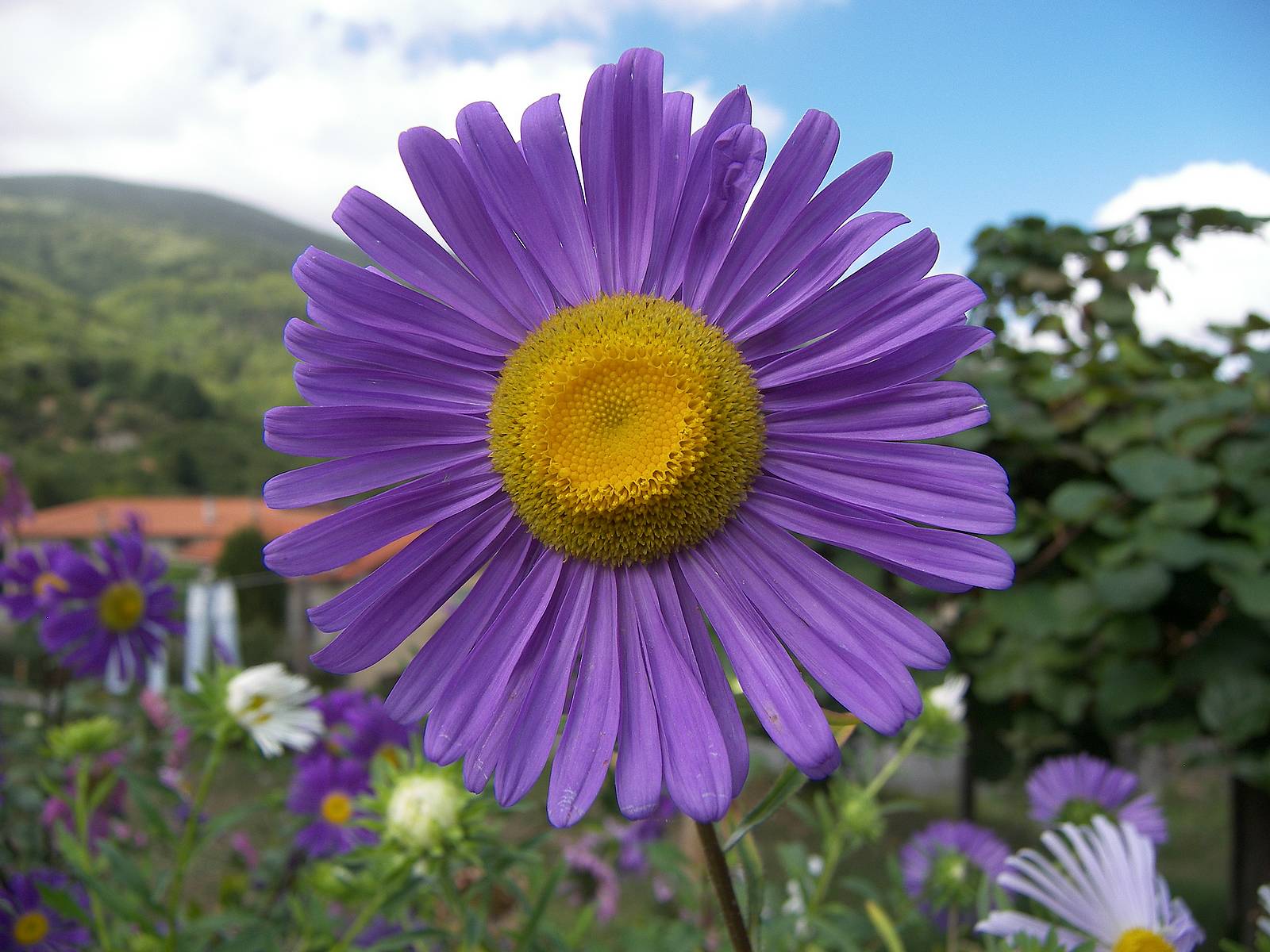
Aster alpinus

Aster alpinus

Michaelmas Daisies or Asters are simply named – from the greek ‘Aster’ meaning ‘a star’- referring to the shape of the flowers (though in truth some are more star – shaped than others).

The genus Aster once contained nearly 600 species in Eurasia and North America, but after research on the genus during the 1990s, it was decided that the North American species are better treated in a series of other related genera. After this split there are now roughly 180 species within the genus, all but one being confined to Eurasia. Many species and a variety of hybrids and varieties are popular as garden plants because of their attractive and colourful flowers, which are abundant in the Autumn- hence the association with Michaelmas – the feast of Saint Michael the Archangel (also the Feast of Saints Michael, Gabriel, Uriel and Raphael, the Feast of the Archangels, or the Feast of Saint Michael and All Angels) – 29th September. Because it falls near the equinox, this date is associated in the northern hemisphere with the beginning of Autumn and the shortening of daylight.

The genus Aster is now generally restricted to the Old World species, with Aster amellus being the type species of the genus, as well as of the family Asteraceae. Species names include:

A. acris = acrid, pungent

A. alpinus = alpine

A. amellus = name given by Virgil to a blue aster-like plant by the River Melia

A. cordifolia = heart-shaped leaves

A. delayvi = of Abbe Delayvi, a missionary

A. diffusus = spread out

A. dumosus = bushy

A. ericoides = like Erica (heather)

A. farreri = of Farrer

A. x frikartii = Frickart’s Aster, a hybrid of A. amellus and A. thomsonii

A. laevis = small, polished

A. linosyris = flax (Linum)- like

A. puniceus = purple

A. subcoeruleus = somewhat or slightly blue

A. vimineus = with long, pliant growths , like an osier

A. yunnanensis = of Yunnan, China

The Hungarian revolution of 31 October 1918, became known as the ‘Aster Revolution’ due to protesters in Budapest wearing this flower.

flower-petals-aster-nature-free-hd

Sources and further information:

Wikipedia

Ontario wildfowers- Asters information

Aster images

Old School Gardener

If you’ve enjoyed reading this post and others on this blog, why not comment and join others by signing up for automatic updates via email (see side bar, above right ) or through an RSS feed (see top of page)?
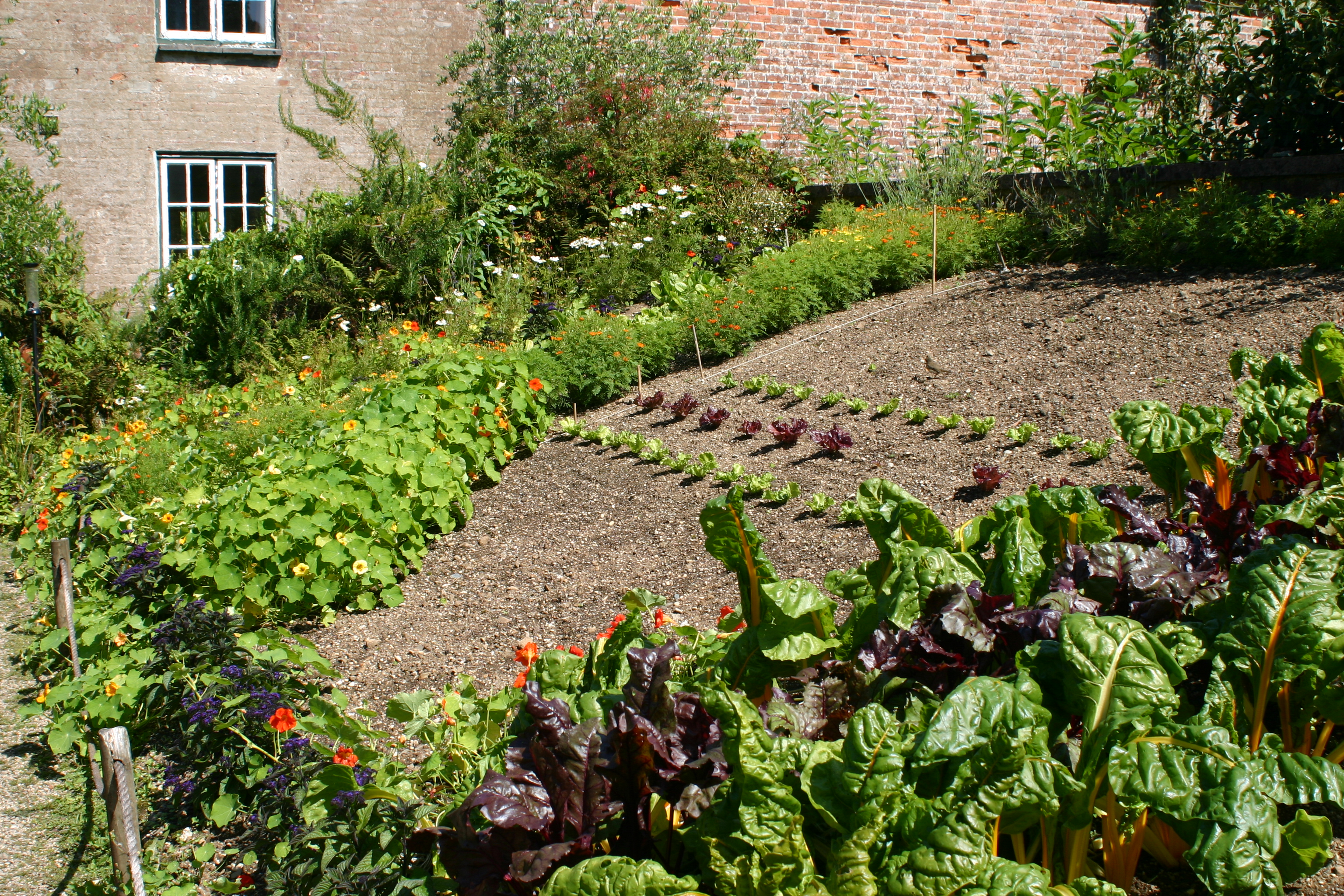
One of the sloping beds

One of the sloping beds

My previous article on Trengwainton covered the wider gardens and grounds as well as some historical background. Today I want to focus on the extensive walled gardens, built by previous owner, Rose Price. This is said to follow the dimensions of Noah’s Ark- though why, I’m not sure.

It also seems to have been created as a response to the period of persistently cooler weather known as the ‘Maunder Minimum’ (or otherwise known as the ‘prolonged sunspot minimum’). This period- starting in about 1645 and continuing to about 1715 – was when  sunspots became exceedingly rare. The term was named after the 19th Century solar astronomer Edward D. Maunder who studied how sunspot latitudes changed with time. The Maunder Minimum coincided with the middle—and coldest part—of the ‘Little Ice Age’, during which Europe and North America were subjected to bitterly cold winters. recent research has established a causal link between low sunspot activity and cold winters.

The surrounding garden wall prevented warm air from escaping from the garden on cool nights, thereby allowing frost-sensitive fruit trees to survive, despite the cooling climate. The walled garden is also interesting for its use of sloping beds – orientated to take advantage of the sunny aspect and so aiding the warming of the soil and creating beneficial growing conditions. 

The gardens – there are separate walled enclosures rather than one large expanse – are both a fascinating horticultural legacy and also a modern-day guide to good food and flower growing. There are demonstration plots and little corners showing different sorts of container growing, raised beds, nectar – rich flowers, a DIY device for creating liquid plant food etc. A wide range of food is still grown here as well as beautiful ‘cottage garden’ style flower borders, orchards and a demonstration plot conjuring up the ‘Dig for Victory’ campaign of the second World War. And while we were there the Gardens sported a delightful display of home-made ‘fairytale’ characters which amused and enchanted the young children who were eager to discover the next character on their way round!

This slideshow requires JavaScript.

Related article: West Country Gardens: Hydrangea Heaven at Trengwainton

Finding Nature

Nature Connectedness Research Blog by Prof. Miles Richardson

Norfolk Green Care Network

Connecting People with Nature

Discover WordPress

A daily selection of the best content published on WordPress, collected for you by humans who love to read.

Susan Rushton

Celebrating gardens, photography and a creative life

Unlocking Landscapes

Writing, photography and more by Daniel Greenwood

Alphabet Ravine

Lydia Rae Bush Poetry

TIME GENTS

Australian Pub Project, Established 2013

Vanha Talo Suomi

The Journey from Finnish Rintamamiestalo to Arboretum & Gardens

Marigolds and Gin

Because even in chaos, there’s always gin and a good story …

Bits & Tidbits

RANDOM BITS & MORE TIDBITS

Rambling in the Garden

.....and nurturing my soul

The Interpretation Game

Cultural Heritage and the Digital Economy

pbmGarden

Sense of place, purpose, rejuvenation and joy

SISSINGHURST GARDEN

Notes from the Gardeners...

Deep Green Permaculture

Connecting People to Nature, Empowering People to Live Sustainably

BloominBootiful

A girl and her garden :)