

Leonardo da Vinci was already in his sixties when he was prevailed upon by King Francis I to move to the French court at Amboise in the Loire valley.
 Chateau d’Amboise
The King provided the Château du Clos Lucé, 300 metres from the royal Château d’Amboise – “here you will be free to dream, to think and to work”, said the king, and it was here that da Vinci was to spend the remaining three years of his life, working on perfecting his inventions, his creative mind never still.
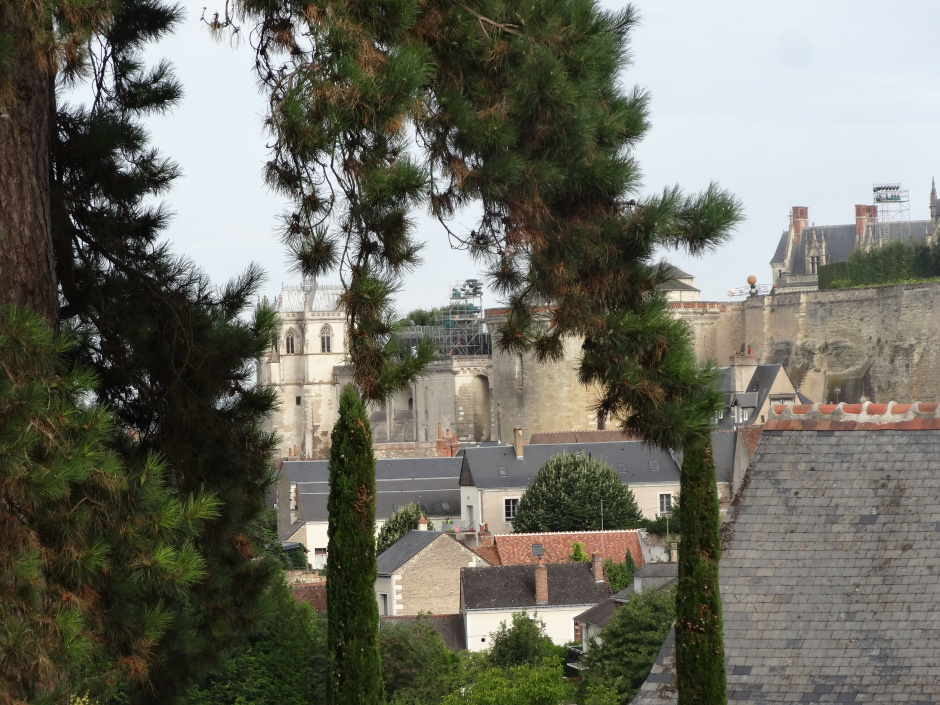 The view from da Vinci’s bedroom of the Chateau d’Amboise and the Church of St Hubert, where he was buried.
Da Vinci was a true Renaissance man, not just the artist renowned for “The Last Supper” and “Mona Lisa”, but a sculptor, engineer, inventor, architect, anatomist, botanist and creator of lavish court festivities. At Clos Lucé today, reconstructions of…
View original post 379 more words


 Old School Garden