

Archive for March, 2013

Source: ‘The Organic Way’, magazine of Garden Organic, Spring 2013
Nectar Quest: The ‘Bees and Flowers Mutual Admiration Society’ Under Threat

‘Plants and bees have a symbiotic relationship. Flowering plants depend on an outside source to ‘spread the love’ through pollination, and bees are happy to fill that need, receiving nectar (which they convert into honey) for the service they provide.
But how do bees manage to be so efficient in their quest for nectar? And is it true this delicately balanced relationship is under threat?
Scientists at Britain’s University of Bristol have spent 30 years trying to figure out exactly how bees know which flowers will give them the most bang for their buck, so to speak. The recent discovery is that bees and flowers participate in a mutually beneficial electromagnetism1 that results not only in the pollination and proliferation of the plants, but the nourishment of the bees and the hives they call home….’

Over the winter months, the volunteers and the Skills for the Future Library and Archive trainee have been keeping warm by re-organising the newly decorated library at Gressenhall Farm and Workhouse Museum.
The library was originally started in 1976 as a resource to help staff identify objects and object histories donated to the Museum of Rural Life and the library now has a dedicated space in which researchers can have access to these resources.

Some of the items available include:
- Farm documents including diaries, horse remedy notebooks, stud books, invoices from Norfolk farms; books, journals and magazines relating to farming and livestock
- Manuals for engines and farm machinery, Government publications and posters concerning agriculture, health, war and education, retail and agricultural show catalogues
- Photographs, objects, books and printed documents relating to Agricultural Unions and George Edwards
- Educational books and objects used in Norfolk schools, class photographs and…
View original post 205 more words

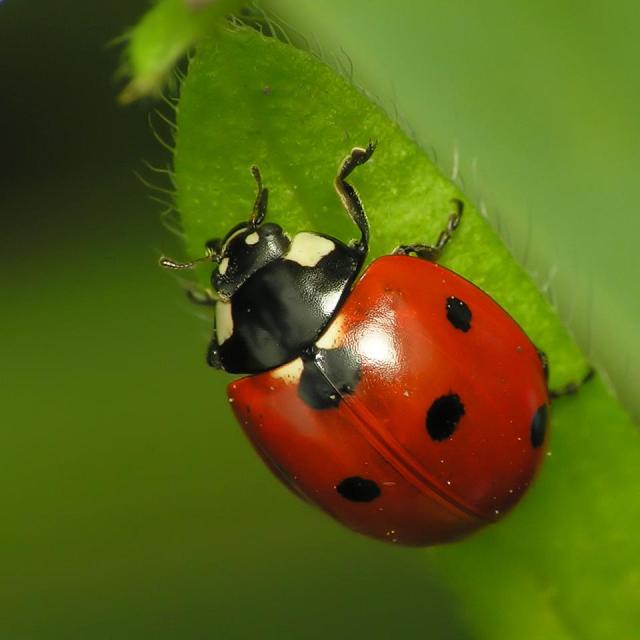
Lady birds (Coccinellids) ‘are and have been for very many years a favourite insect of children. The insects had many regional names (now mostly disused) in English, such as the lady-cows, may-bug, golden-knop, golden-bugs (Suffolk); and variations on Bishop-Barnaby (Norfolk dialect) – Barnabee, Burnabee, the Bishop-that-burneth, and bishy bishy barnabee. The etymology is unclear but it may be from St. Barnabas feast in June, when the insect appears or a corruption of “Bishop-that-burneth”, from the fiery elytra of the beetles.
The ladybird was immortalised in the still-popular children’s nursery rhyme Ladybird, Ladybird:
Ladybird, ladybird, fly away home
Your house is on fire and your children are gone
All except one, and that’s Little Anne
For she has crept under the warming pan….’
Source: Wikipedia
Financing community food: Securing money to help community food enterprises to grow

‘This report examines the funding needs of community food enterprises and how they can continue to use food to achieve a wide variety of important social and environmental benefits.
The report was written following a series of community food finance meetings, bringing together organisations that assist community food enterprises, with progressive funders. This process was undertaken as part of the five-year Big Lottery funded Making Local Food Work programme that has – since 2007 – supported a wide range of community-run food enterprises to help communities take control of their food and where it comes from. The community food finance meetings discussed how best to secure funds for community food enterprises in the future, to help them through the all-important start-up phase, and to obtain funds to grow and, thereby, continue work that has more charitable than commercial aims.
We hope to see the community food movement grow and thrive, hence the enterprises need improved prospects for securing the finance they need to succeed. With this report, and work evolving from it, we wish to encourage conversations between enterprises and their communities, the sector organisations that support them, the individuals and organisations that provide funds, and with government, whose policies provides the framework in which we operate….’


‘The Jaboticaba tree – a mature tree will give you 6 to 8 crops a year. Apparently it’s one of the most nutritious & delicious fruits you will ever taste. ‘ Grow Veg


