Archive for June, 2014


greenbenchramblings's avatargreenbenchramblings

We have created an “Interest Trail” around our allotment community garden, and we see it performing two roles, firstly it guides all our visitors around the site taking in as big a variety of features as possible and secondly it performs as an activity trail for children. It has proved very popular. Whenever we come across a similar trail in large gardens or parks we always have a look to see how the idea has been executed. We visited the National Trust garden, Dunham Abbey, primarily to enjoy the Winter Garden but we discovered that since our last visit a few years ago a couple of the gardeners have created a children’s trail so we could not resist trying it out.

It was wonderful! Come with us and enjoy! We found the sign and below it one of the decorated bikes and then enjoyed a woodland wander before discovering the…

View original post 50 more words

A. Saab's avatar2me4art

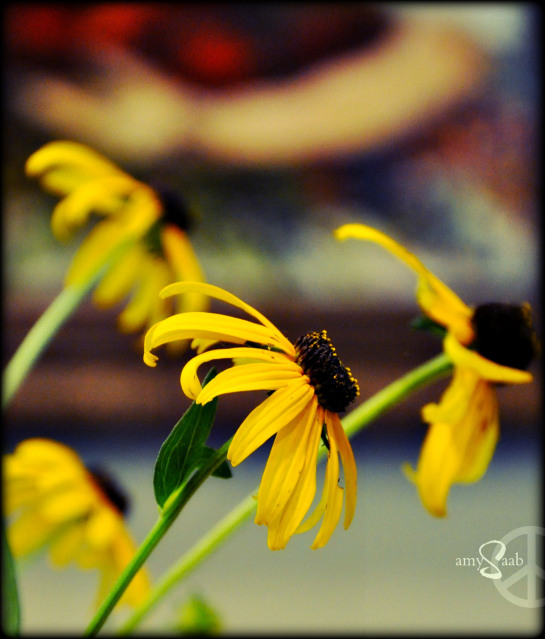
DSC_0007

a flower that grows wild on the side of the Vermont road, also grows in Alabama. this flower reminds me of summer.

View original post

deltagardener's avatarThat Bloomin' Garden

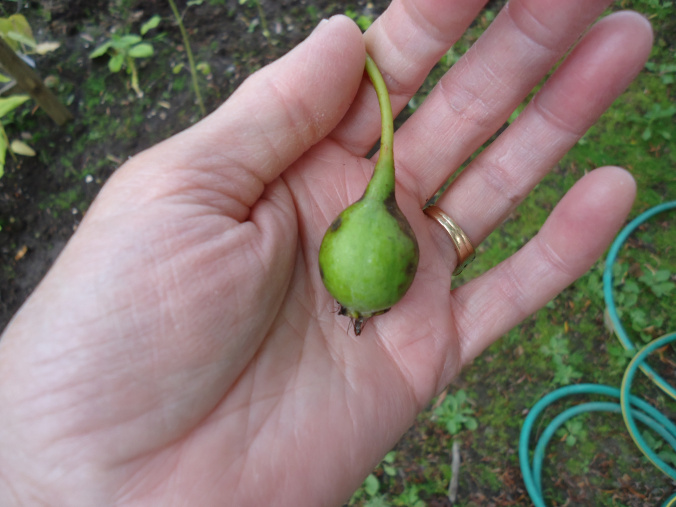
Are you growing fruit trees in your garden? Yesterday I was weeding my vegetable garden when I saw all these tiny pears laying on the ground. My first thought was that the raccoons had been in the tree and had been playing with the fruit. They think they own my pear tree. I was wrong. I remembered my master gardener training and the June drop information I had learned .

DSC05943

The pears are very tiny as they are Bosc pears and do not mature until the fall. So why did the fruit drop off the tree? This is actually a normal stage of development since both apple and pear trees tend to produce more fruit than the tree can bear. About a month after the blossoms dispappear the fruit will drop to the ground. Its natures way of thinning the crop. If all that fruit remained on the tree there…

View original post 404 more words

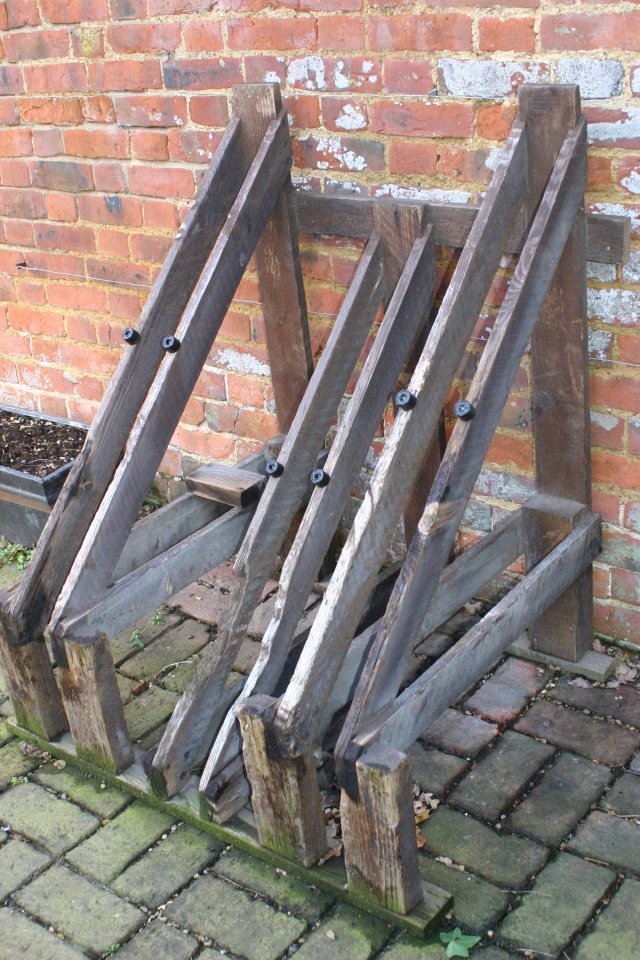
A few weeks ago I posted a brief article about how I’d converted an old wooden bicycle rack (saved from the bonfire, as it was being disposed of by the local Primary School) into a sort of vertical plant stand cum ‘Plant Theatre’.

The old Bike Rack before it's makeover
The old Bike Rack before it’s makeover

I decided that the first display would be of  a range of Pelargoniums. Having bought a number of small terracotta pots, and used a mix of old and new plants, I set it up and nurtured my new ‘creation’. Well here’s how it’s looking at the end of June – most plants are now in flower and providing an eyecatching, vertical splash of colour in the courtyard here at Old School Garden. What do you think?

The finished 'Theatre'
The finished ‘Theatre’

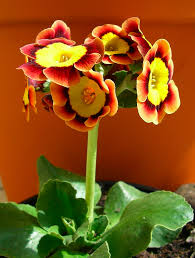
I must now start thinking about what to do for a spring display, next year. I’ll try to over winter the pelargoniums and use them again in the summer.  For spring, perhaps I’ll tryt o get hold of a range of that plant that typifies ‘Plant Theatres’, the Primula auricula.

A Primula auricula- something for the 'Theatre' in Spring 2015?
A Primula auricula- something for the ‘Theatre’ in Spring 2015?

Old School Gardener

Chevy Chaise

Old School Gardener

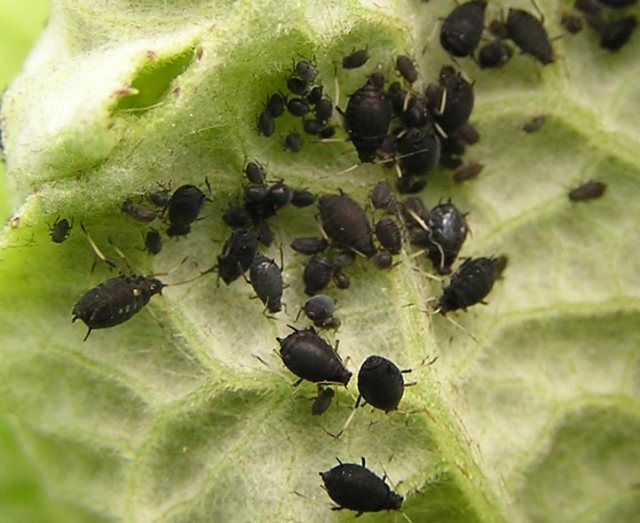
Blackfly-C‘Sometimes we try to be a bit too clever in this world. Take the poor old gardener who’s plagued by blackfly. He’ll spend a small fortune on sprays and things when all he need do is take a little soil from the bottom of the plant and sprinkle it like powder all over those blessed blackfly. That’ll finish them off…it gets in their teeth you know!’
Fred Streeter

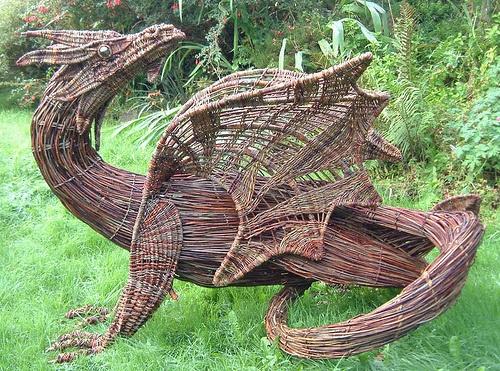
willow dragon grow veg

Anna International's avatarAnna International

The sun is shining and the weather is sweet, and it makes me want to be out in the garden making it look beautiful! Lately we’ve been collecting pallets wherever we spot them with the intention of doing ‘useful things’ with them, but so far they’ve mainly just been used to prop our chairs up on to reach our too-high cable drum table, which we’re in the process of lowering (post on that when we’re done)! 

Yesterday I decided the time had come to breathe new life into one of them, and pretty up the garden with some colour at the same time. I chose a fairly sturdy one with substantial sides because I wanted the wood to be part of the feature. I’d seen loads of pallet garden ideas on Pinterest, so I decided to make my own version. Here’s the story of how I did it, which I’m…

View original post 926 more words

figs fruit

A Fig fruit

I have a fig in the courtyard here at Old School Garden, growing in a pot and ‘liberated’ as a young transplant when pruning a rather older and very vigourous example at our local primary school a few years ago. I remember gathering it when I helped to plant up the ‘Nectar Bar’ and ‘Eco Park’ there in 2007. Today our tree, along with a Grapevine, Olive and Peach, contributes a mediterranean touch to the space, and with last winter and spring’s mild and wet conditions it has put on some wonderful growth, including a crop of handsome and promising looking fruit. I can’t recall ever really tasting a ripe fig, but my recent experience of fig-flavoured yoghurt is tempting me to try to harvest some this year!

Common name: ‘Common Fig’

Native areas: A native of the Middle East and Western Asia.

Historical notes: The edible fig is one of the first plants that was cultivated by humans, predating the domestication of Wheat, Barley and Legumes, and may thus be the first known instance of agriculture. Figs were also a common food source for the Romans. The fruits were used, among other things, to fatten geese for the production of a precursor of foie gras. In the 16th century, Cardinal Reginald Pole introduced fig trees to Lambeth Palace in London.

An old Fig tree, grown under cover

An old Fig Tree

Features: A round-headed tree, if properly located and pruned, otherwise it can develop a mass of straggly growth (e.g if grown up against a wall and left untrained and its roots unrestricted). Mature height of 3 – 5 metres, it is grown for both its attractive, deeply lobed foliage, and fruits. Two crops of figs are potentially produced each year; the first or breba crop, develops in the spring on last year’s shoot growth. In contrast, the main fig crop develops on the current year’s shoot growth and ripens in the late summer or autumn. The main crop is generally superior in both quantity and quality to the breba crop.

Uses:  It makes a small and elegant tree that is perfect for gardens where space is limited. Grow in a container or open ground. The cultivar ‘Brown Turkey’ has gained the RHS Award of Garden Merit (AGM).

58571_Ficus_carica_LGrowing conditions: The fig likes dry, sunny, warm, sheltered sites, where the soil is dry or very well-drained. It thrives in both sandy and rocky soil. As the sun is really important it is better to avoid shade. Excessive growth has to be limited to promote the fruiting. This can be achieved by pruning to achieve the desired shape and encouraging fruiting branches and also by restricting root development; by growing in a container or in an enclosed bay in open ground where brick walls or other barriers keep the roots in check. It is also often grown up against a south-facing wall to maximise fruiting potential. I’ve had experience of pruning back hard a few old unkempt examples successfully in spring; alternatively, phase your pruning over a number of years to lessen the visual impact and reduce stress on the plant.  Some varieties are more adapted to harsh and wet climates. It is remarkably pest and disease resistant. 

Further information:

Wikipedia- Ficus

RHS- Figs

RHS- Ficus carica ‘Brown Turkey’

How to grow Figs- Daily Telegraph

Barcham trees directory

Old School Gardener

A bridge too far

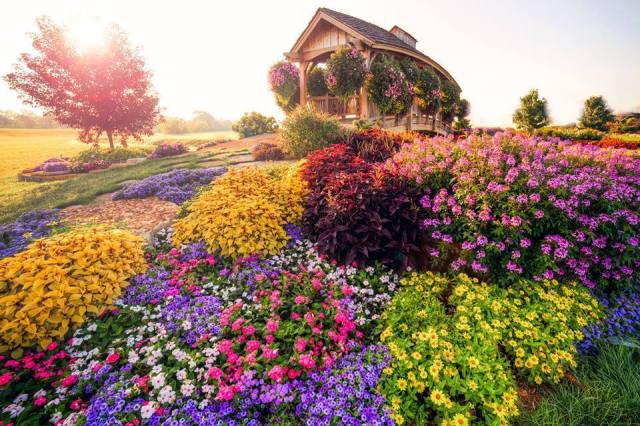
Hmm, a riot of colour, but perhaps a ‘bridge too far’?

Finding Nature

Nature Connectedness Research Blog by Prof. Miles Richardson

Norfolk Green Care Network

Connecting People with Nature

Discover WordPress

A daily selection of the best content published on WordPress, collected for you by humans who love to read.

Susan Rushton

Celebrating gardens, photography and a creative life

Unlocking Landscapes

Writing, photography and more by Daniel Greenwood

Alphabet Ravine

Lydia Rae Bush Poetry

TIME GENTS

Australian Pub Project, Established 2013

Vanha Talo Suomi

The Journey from Finnish Rintamamiestalo to Arboretum & Gardens

Marigolds and Gin

Because even in chaos, there’s always gin and a good story …

Bits & Tidbits

RANDOM BITS & MORE TIDBITS

Rambling in the Garden

.....and nurturing my soul

The Interpretation Game

Cultural Heritage and the Digital Economy

pbmGarden

Sense of place, purpose, rejuvenation and joy

SISSINGHURST GARDEN

Notes from the Gardeners...

Deep Green Permaculture

Connecting People to Nature, Empowering People to Live Sustainably

BloominBootiful

A girl and her garden :)