Latest Entries »

Plant Spotlight: Stipa gigantea Golden oats (Stipa gigantea) is well named. A large evergreen grass up to 2 metres tall, in summer it produces long panicles of arching oat-like flowers that emerge purple before turning golden-brown as the season progresses and the deciduous leaves of other species begin to change colour and fall. They are…

Plant Spotlight – Stipa gigantea — Winterbourne House and Garden

The jury is still out on this. For every instance of helpful fellowship and joyful sharing, I can find equal examples of myth-based misinformation and knee-jerk snap judgements (if not out-and-out trolling) made without bothering to read what has been posted. Sadly, it’s possible to turn even the most complex issues into generalized memes. These…

Social media and the gardening discourse — GardenRant

Have you noticed it’s getting dark earlier? The seasons they are a changing that is for sure. Peak leaf color is going to be considerably earlier this year. We are still under severe drought conditions, but we have gotten a couple of light rains. The grass is still brown or dead, but I’m grateful for […]

Fall — NewEnglandGardenAndThread

Greenock’s geography was both a blessing and a curse. Its location on the Firth of Clyde made it a major port and shipbuilding centre. The first harbour was constructed in 1711, Scotts shipbuilders were established one year later and Greenock prospered from the Atlantic trade (and slave economies) of sugar and tobacco. But the town’s […]

Council Housing in Greenock, Part I to 1918: the ‘Unhealthiest Town in Scotland’ — Municipal Dreams

A floral fantasy at Trentham Gardens with Japanese anemones in the foreground and the last few lingering blooms on hollyhocks spires waving in the background. The yellow plant spilling out of the tall obelisk is verbascum.

Two Japanese Anemones — Susan Rushton

Here we are back with another of my lost episodes of this series, no 14 Here we are back with another selection of garden seats we have found while visiting gardens. I hope you enjoy them. I will begin with seating we spotted at this year’s RHS Tatton Park Flower Show, in displays and in […]

Are you sitting comfortably? No 14 of a very occasional series. — greenbenchramblings

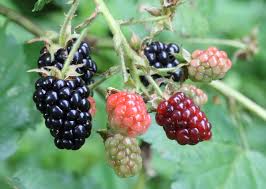
Now's the time to harvest blackberries- though I've been doing this for couple of weeks already!

Now’s the time to harvest blackberries!

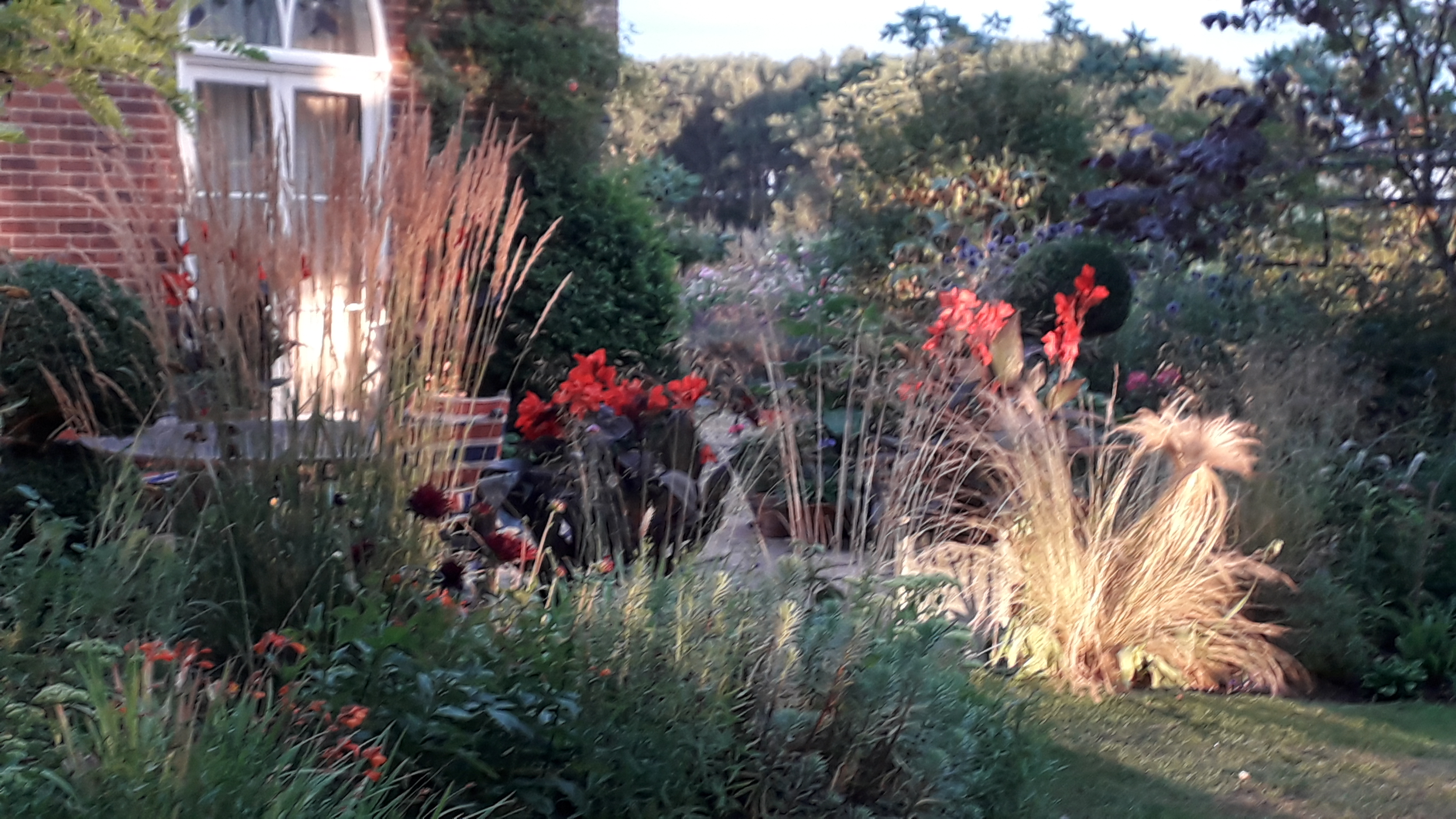
With the new month comes the beginning of autumn – meteorologically speaking. September ‘usually’ brings generally cooler and windier conditions than August, and the daylight hours are noticeably shorter. It is the time to reap the remainder of your summer harvest in the veg and fruit garden (and begin with the autumn crops) and for gently coaxing the last few colourful blooms from your summer flowers. It can be a time of special interest if you have grasses that turn to a golden brown and which combine well with ‘prairie’ style plants that bloom on into autumn along with Asters, Sedum and so on. It’s also a time of transition, as you bid farewell to this years growth and begin to prepare for next year with seed collecting, planting, propagation, lawn care and general tidying up. Here are my top ten tips for September in the garden.

1. Continue harvesting fruit and veg

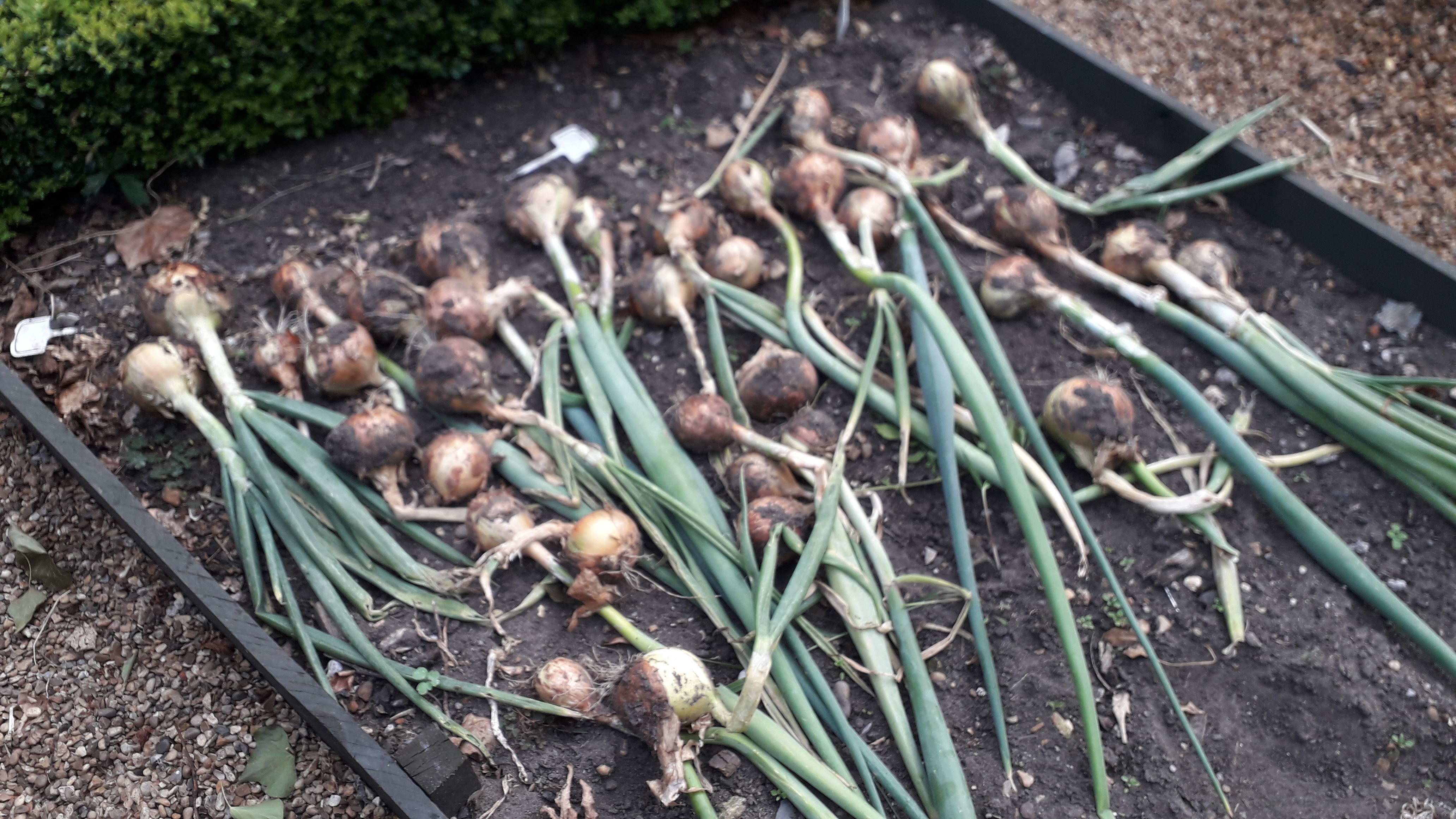
Especially autumn raspberries, plums, blackberries, the first apples and vegetables such as main crop potatoes. If you haven’t already done so, start thinking about storage (including freezing) of some of these for winter use. Root vegetables should be stored in a cool, dark and dry place. Leave parsnips in the ground for now, as they taste better after being frosted. Onions and shallots should be lifted (but do not bend them over at the neck as they won’t store as well) – if the weather is not wet leave them to dry on the soil, otherwise bring them into a dry shed. Any outdoor tomatoes (including green ones) should be picked before the first frost and brought indoors to ripen (placing them next to a banana will accelerate the process). Or you can remove a branch with them still attached and place the whole truss in a greenhouse or on a warm windowsill.

2. Careful watering

Be selective in watering new plants, those that are still looking green or are flowering or have fruit and veg you have yet to harvest. At the same time start to reduce the amount of water you give house plants. And make sure that established Camellias, Rhododendrons and Hydrangeas are well watered in dry periods, otherwise they won’t produce the buds that will form next year’s flowers. Ensure trees or shrubs planted in the last couple of years on lawns or in areas of rough grass have a circle of clear earth around them – this should be kept clear of grass which could prevent essential moisture getting through. Mulching with bark or compost will also help.

3. Collect and where appropriate, sow seed

Save seed from perennials and hardy annuals to get a start on next year. Continue to sow over – wintering veg seeds such as spinach, turnip, lettuce and onions.

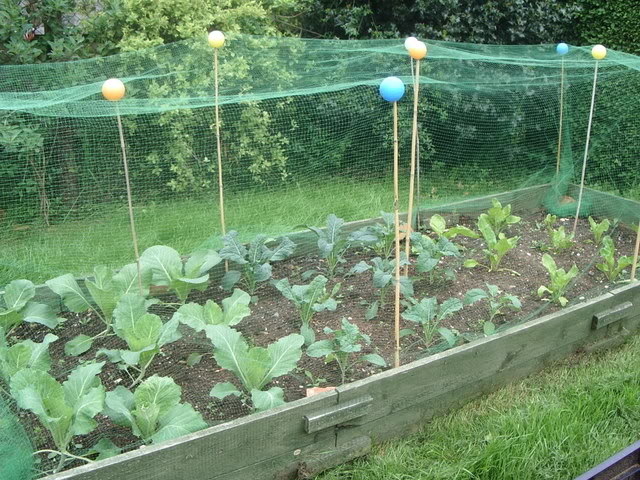
Keep your cabbages covered

Keep your cabbages covered

4. Net work

Put nets over ponds before leaf fall gets underway, to prevent a build up of leaf litter and nutrients in the water and also cover vulnerable Brassica crops with bird-proof netting.

5. Greenhouse switcheroo

Once you’ve finished with your greenhouse for tomatoes, cucumbers etc. give it a good clean out (and cold frames too). Prepare it for over – wintering tender plants you want to bring inside such as Fuchsia or Pelargoniums before the first frosts. It’s worth insulating it with ‘bubble wrap’ as well as providing a form of heat to ensure the temperature never falls below 5 – 10 degrees C. After the first frost, lift Cannas and Dahlias and after removing the top growth, washing off the roots and drying them, store the tubers in a sandy compost mix in a greenhouse or other frost – free place. Alternatively, if they have been planted in a sheltered spot where frost, cold or wet conditions are rare you can try to leave them in the ground – but cover them with straw, bracken or a mulch of compost.

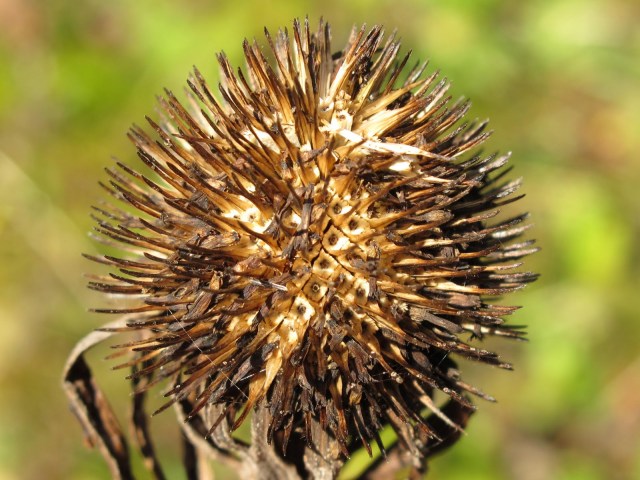
Save seed from plants like Echinops

Save seed from plants like Echinops

6. Nature nurture

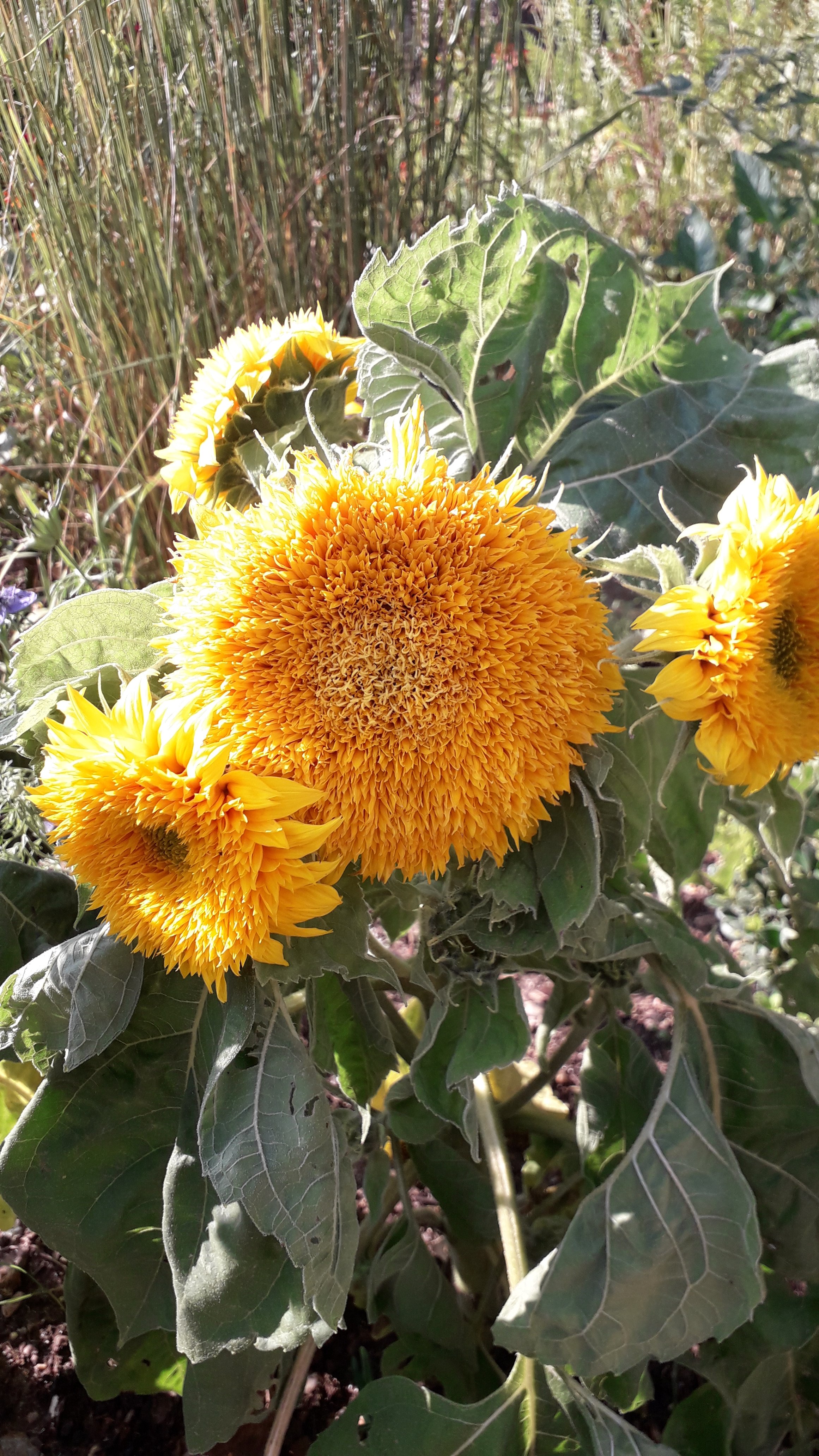
Clean out bird baths and keep them topped up with water. Continue to put out small bird food (avoid peanuts and other larger stuff which is a risk to baby birds in the continuing breeding season). Resist the temptation to remove seed heads from plants such as Sunflowers, as they provide a useful source of food for birds (of course you can still remove some seed for your own use). Put a pile of twigs or logs in a quiet corner of the garden and this will become home to lots of wildlife – and perhaps make a natural feature of this area with primroses, ferns etc. Consider making or buying other wildlife ‘hibernation stations’ for hedgehogs, insects and other critters.

7. Prolonging the show

Continue with dead – heading and weeding so that you extend the flowering season and ensure soil nutrients and moisture benefit your plants and not the weeds.

8. Propagate, plant and prepare

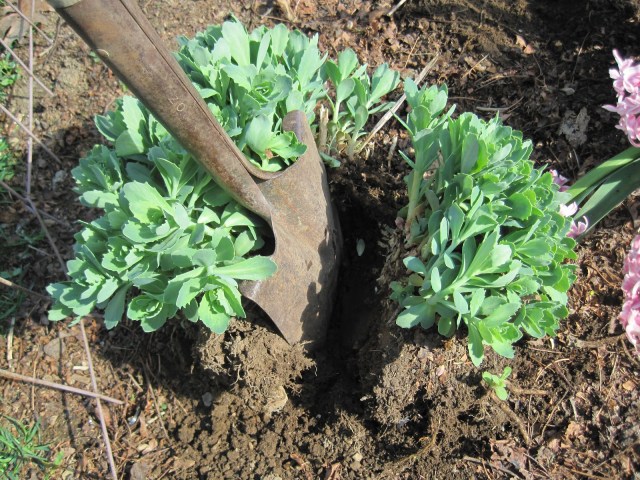
Divide any large clumps of perennials or alpines. Most plants can be separated into many smaller pieces which can all be replanted (or given away) – discard the old centre of the clump. Buy and plant spring-flowering bulbs – Narcissus, Crocus, Muscari and Scilla especially, but wait a couple,of months before you plant Tulips. September is also a good time to plant out container – grown shrubs, trees, fruit bushes and perennials. Always soak the containers well before taking the plant out and fill the new hole with water before putting the plant in its new home (having ‘teased out’ the roots if it’s pot bound). Plant out new spring bedding such as Wallflowers, Primula and Bellis. Now is your last chance to put in new strawberry plants and pot up any rooted runners. Remove any canes that have fruited from summer fruiting raspberries and tie in the new canes, if you haven’t already done so.

dividing perennials

Divide perennials

9. Improve your soil

Sow green manures where the soil used for food growing would otherwise be bare over winter. If your soil is heavy clay, start digging it over now whilst it is still relatively dry. Add plenty of organic matter to improve the quality, and pea shingle to improve the drainage. It can be left over the winter when the cold will break the lumps down, making spring planting easier. Keep your production of compost and leaf mould going from the tidying up you are starting now. For compost, remember the rule of mixing 50% ‘green’ material and 50% ‘brown’ (including shredded paper and cardboard).

10. Lawn care

September is the ideal time for lawn repairs and renovation. First raise the height of the mower and mow less often. You can sow or turf a new lawn or repair bald patches or broken edges in an existing one. It is a good time to scarify (either with a long tined/spring rake or powered scarifier to remove the thatch and other debris) and aerate (by making holes all over the lawn with a fork or powered aerator). Then brush in, or spread with the back of a rake, sieved compost/loam/sand (depending on your ground conditions) and you can also add an autumn lawn feed (one high in phosphate to help root development). This can all be hard work, but you’ll notice the improved look of the lawn next year! If you have large areas of lawn, you could prioritise this work for an area that’s especially visible or near the house, or perhaps rotate around different areas of grass so that you give each one a periodic ‘facelift’ once every two – three years.

Old School Gardener

If you’ve enjoyed reading this post and others on this blog, why not comment and join others by signing up for automatic updates via email (see side bar, above right ) or through an RSS feed (see top of page)?

Save

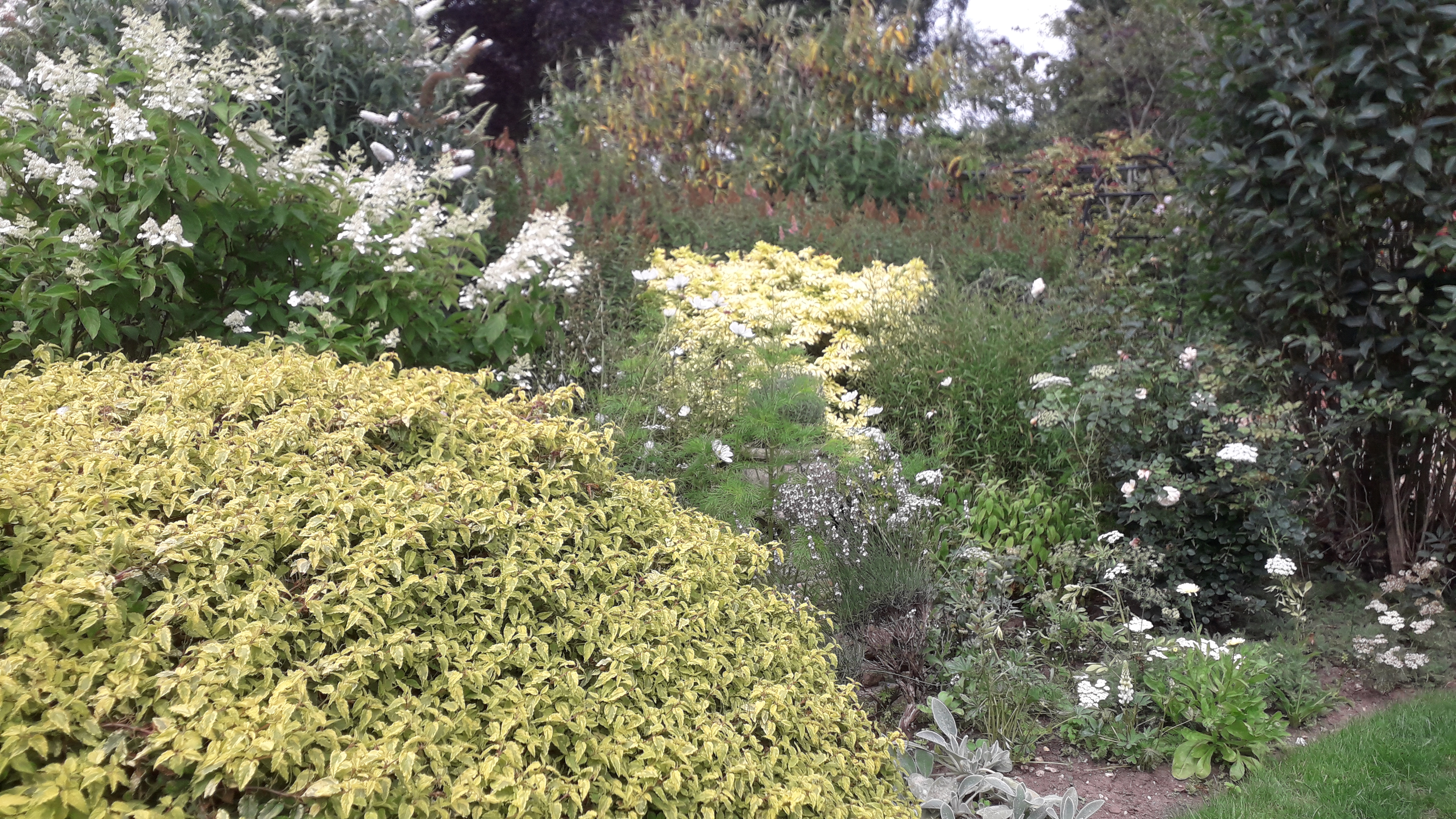
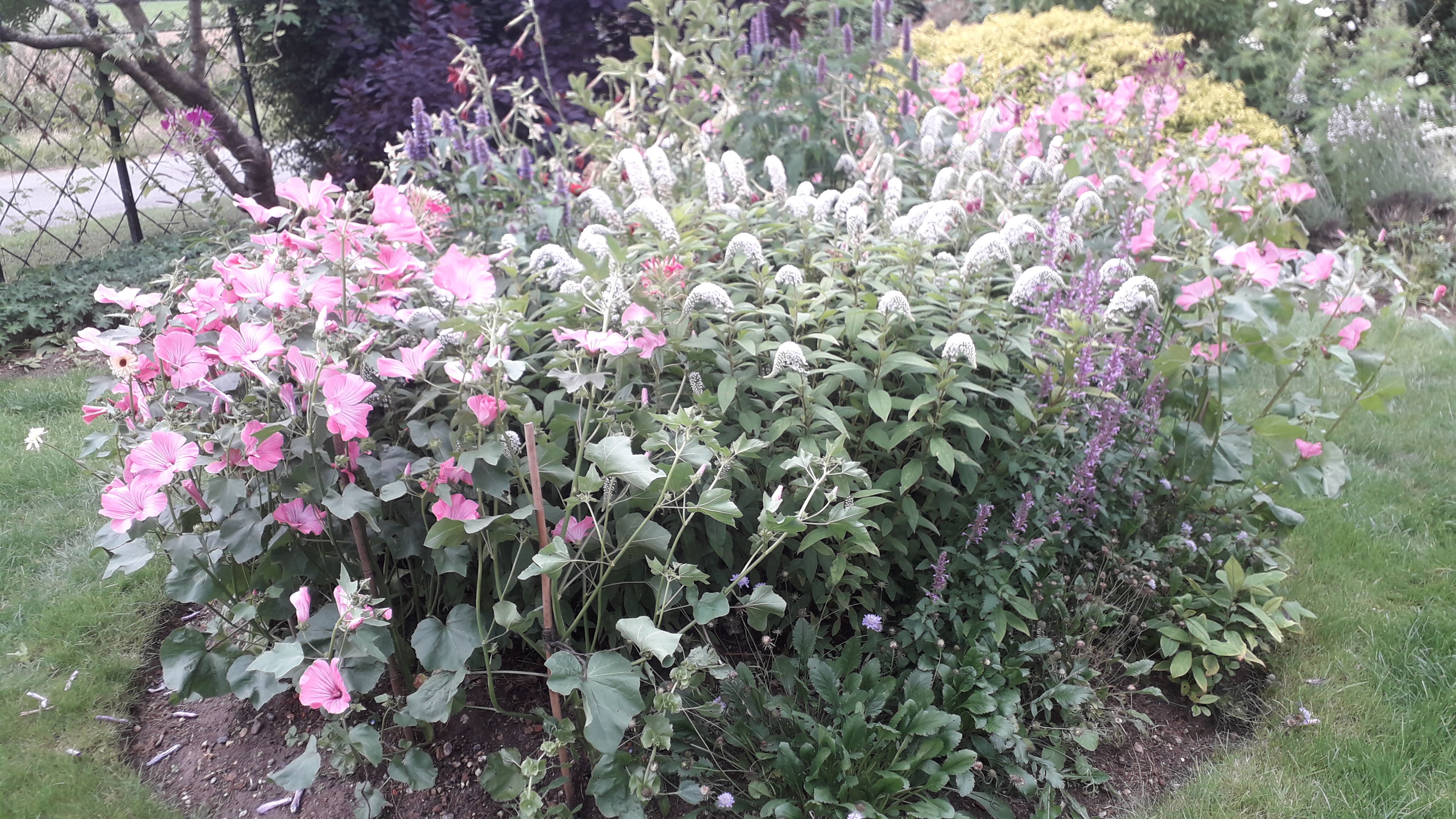
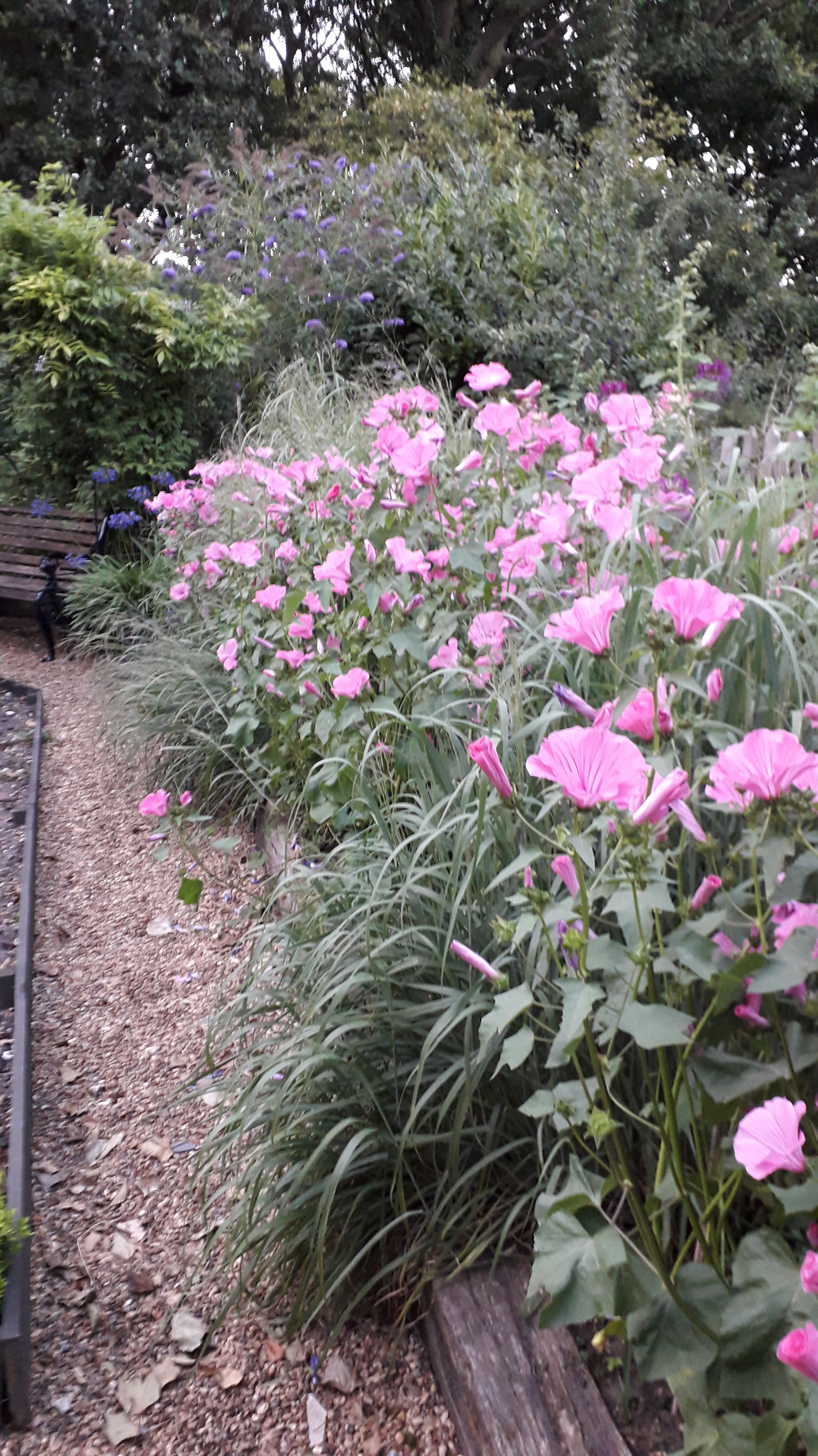
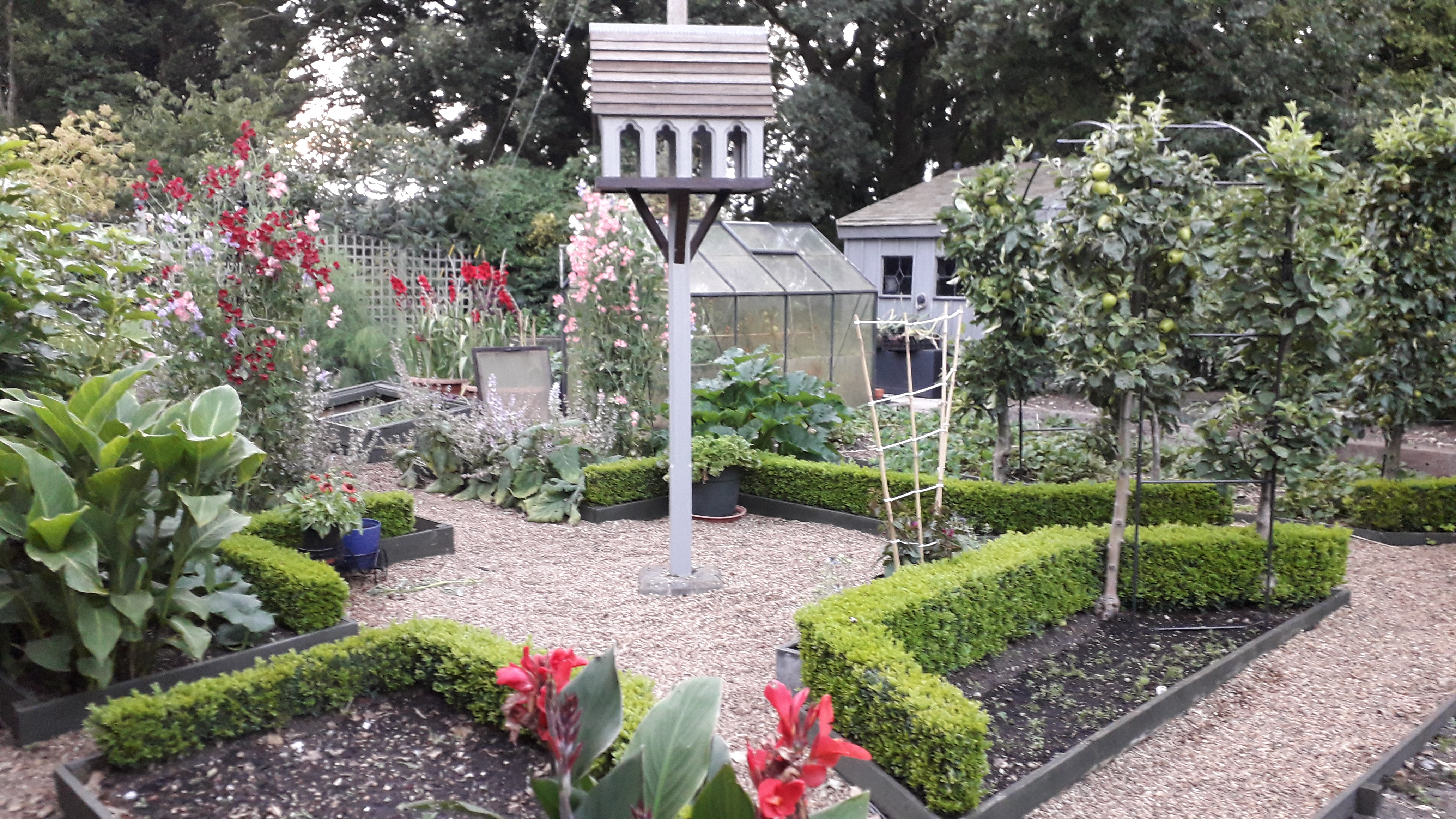
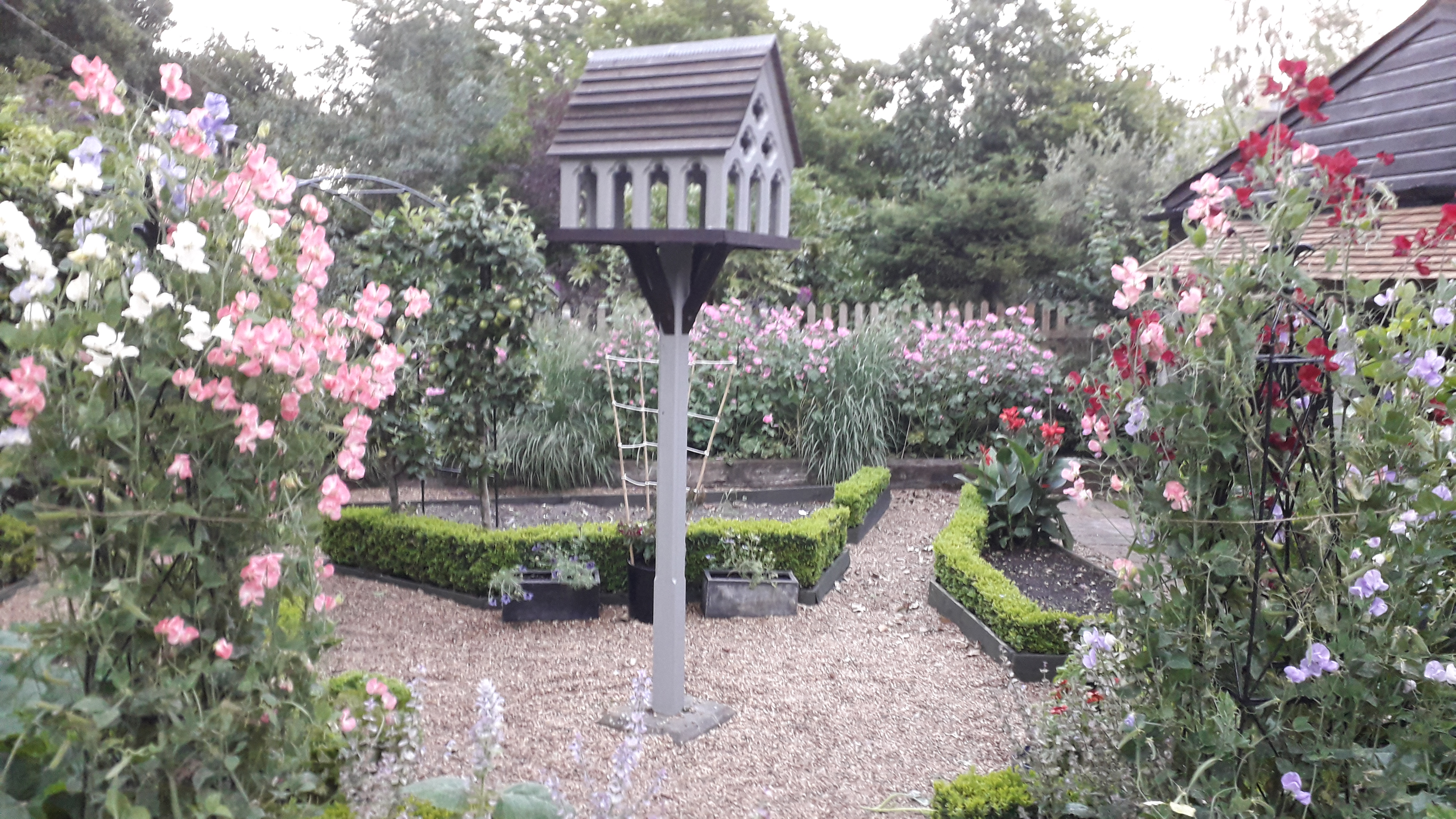
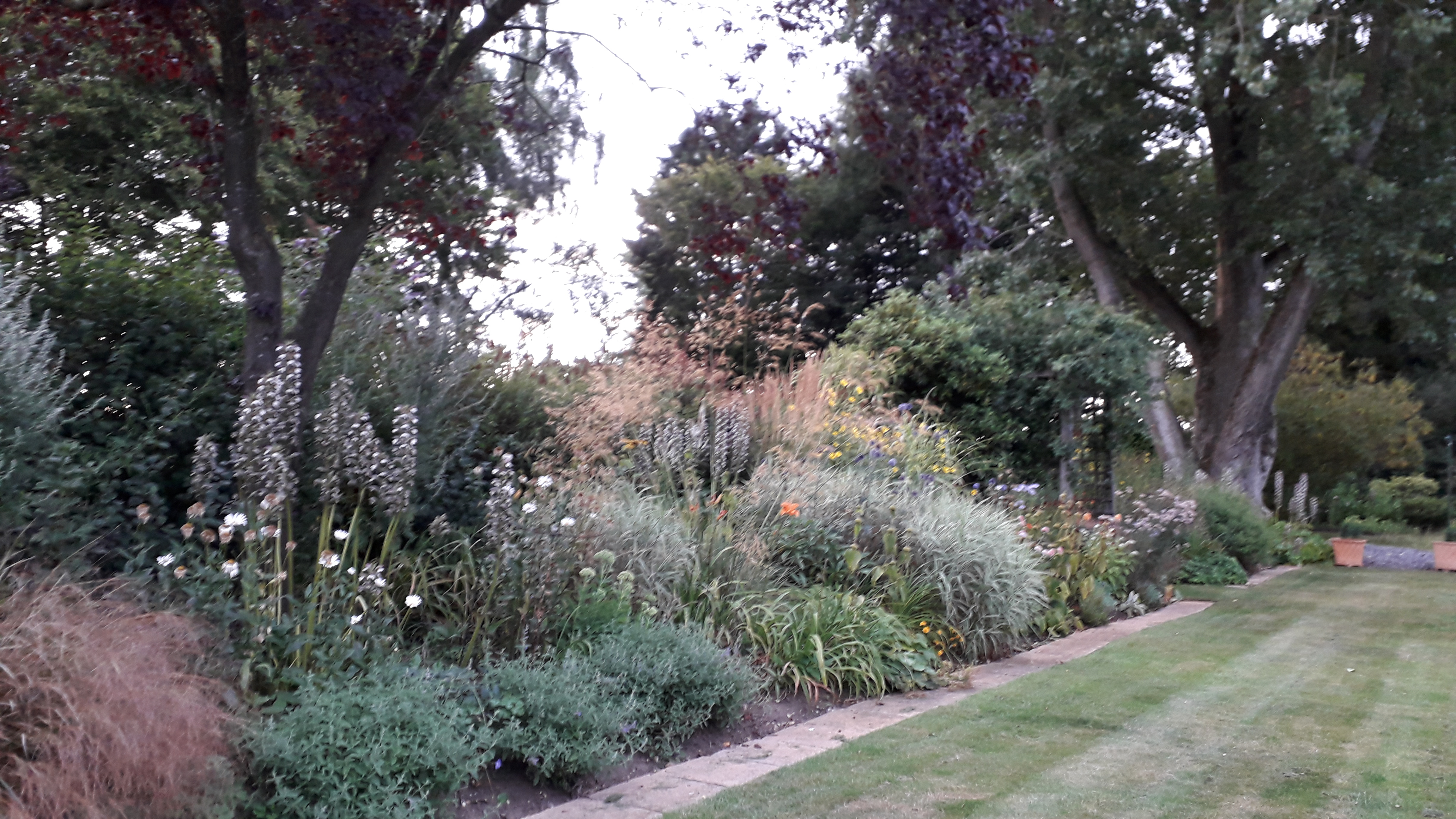
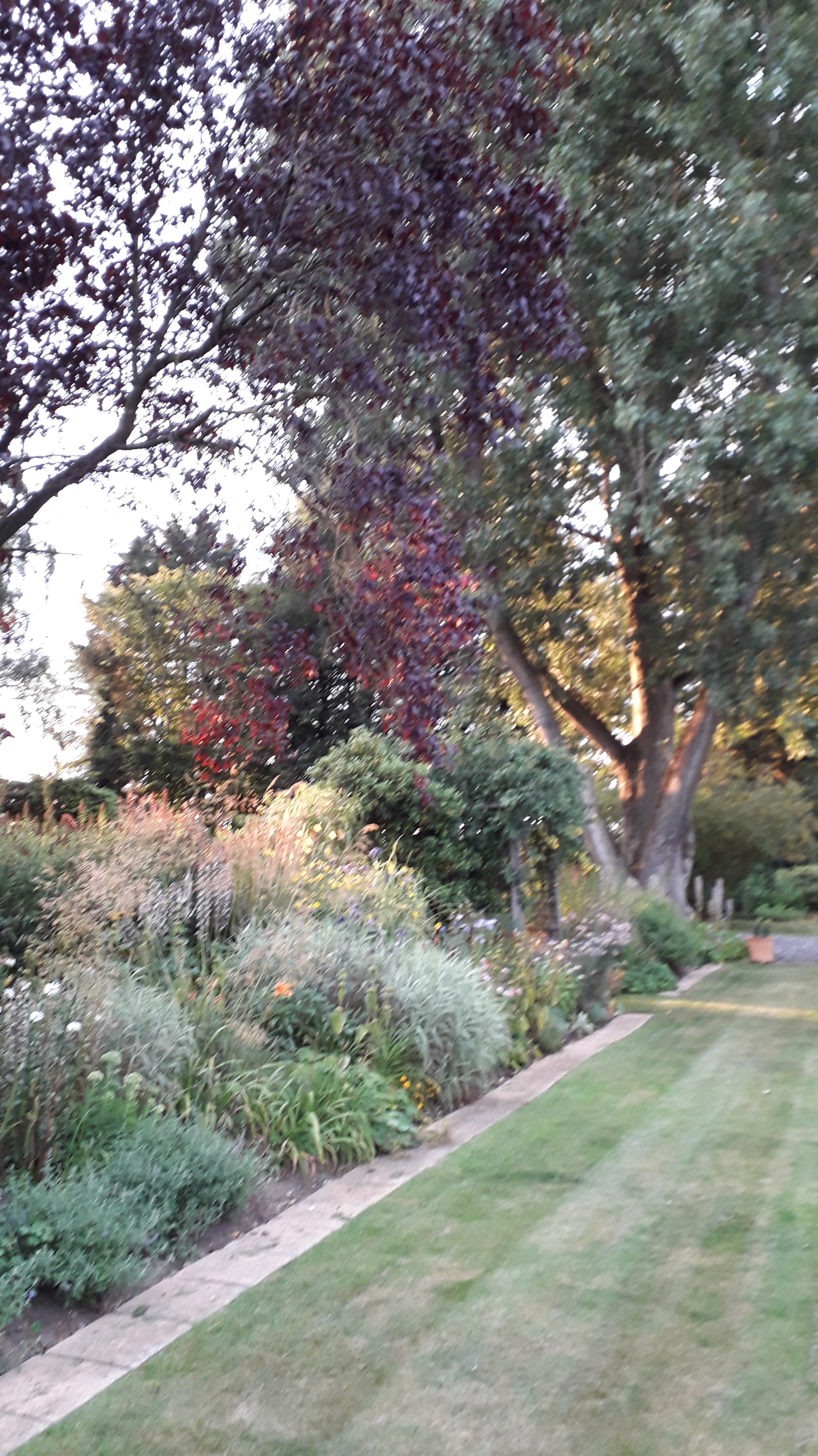
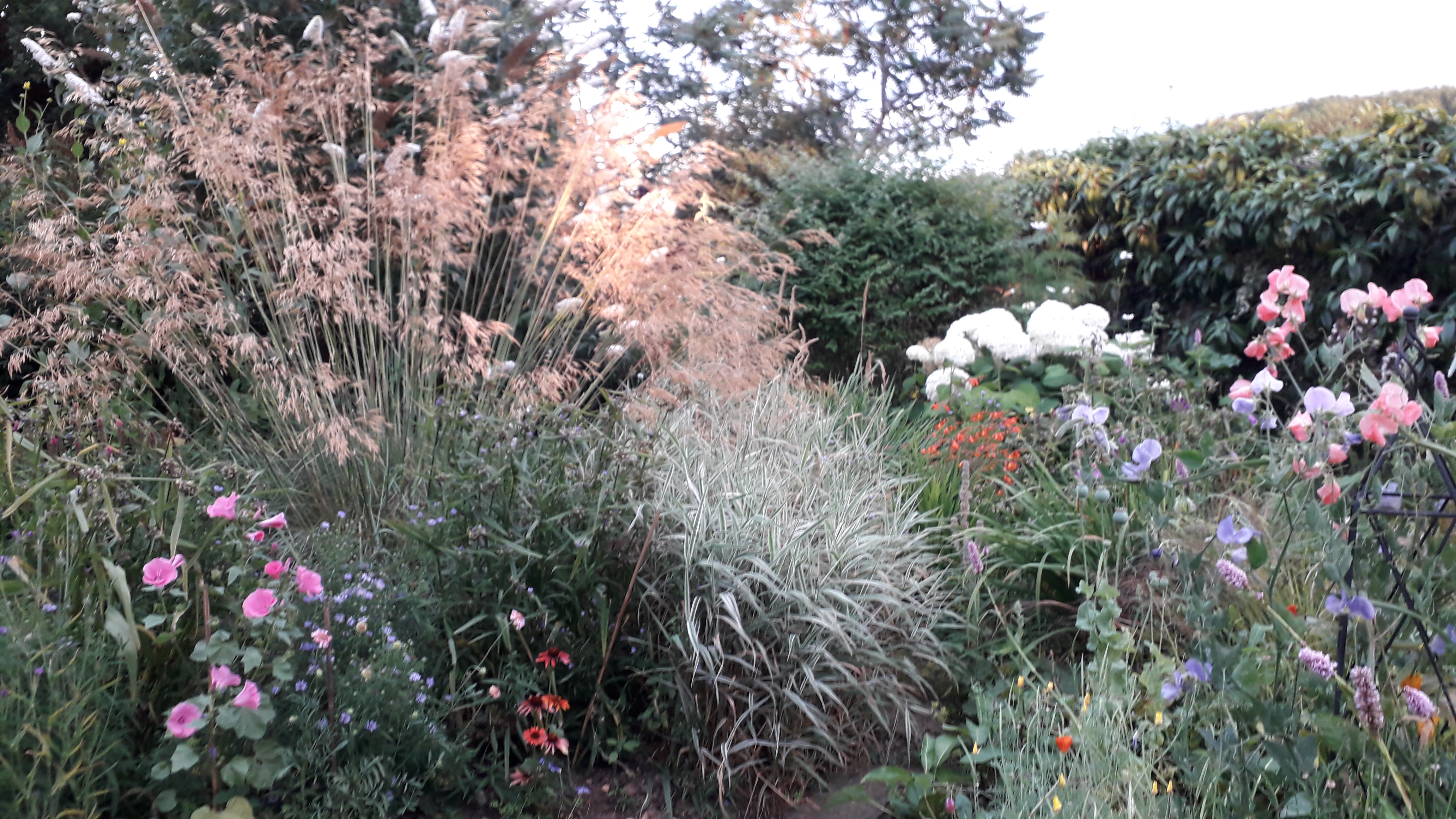
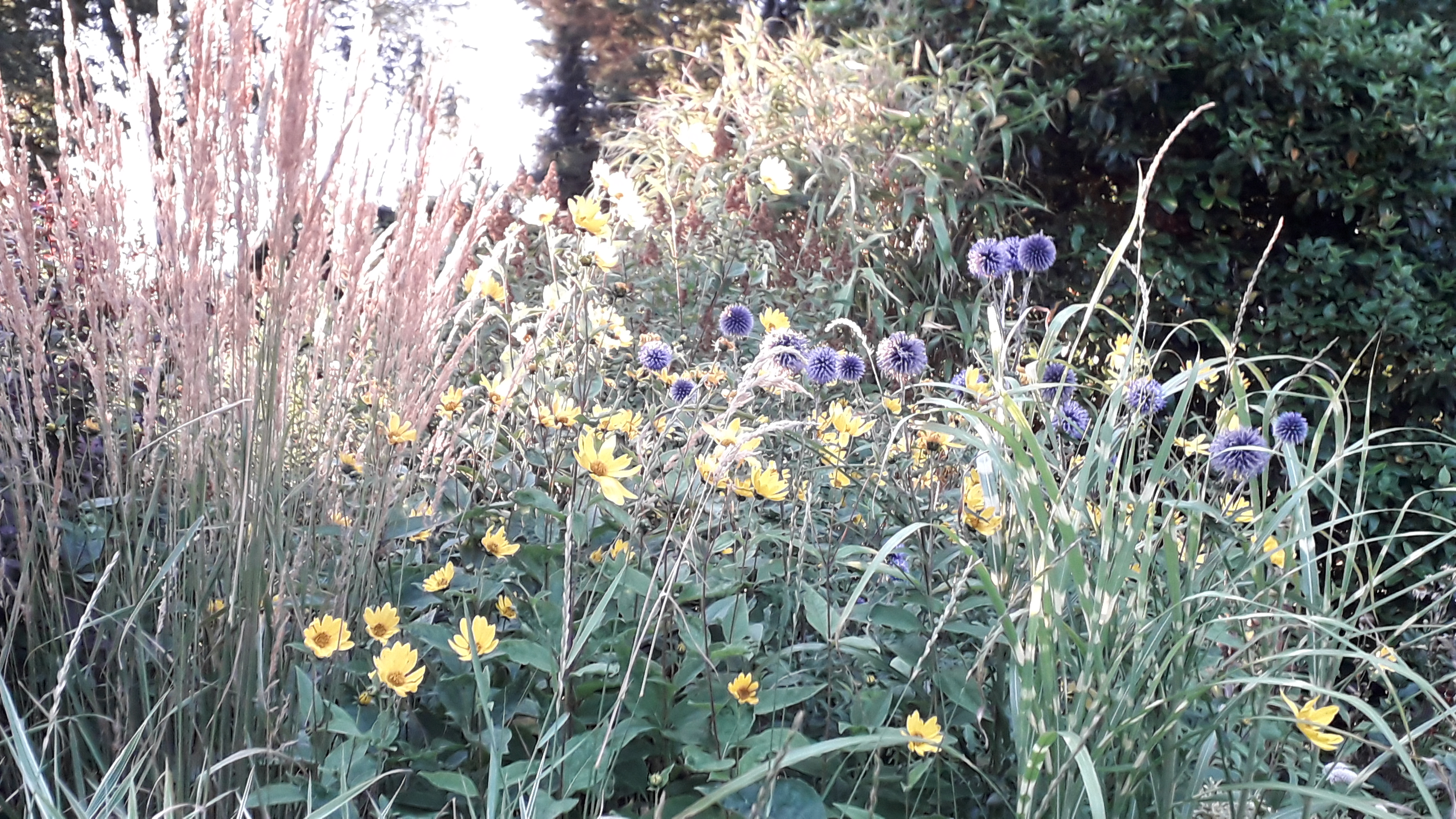
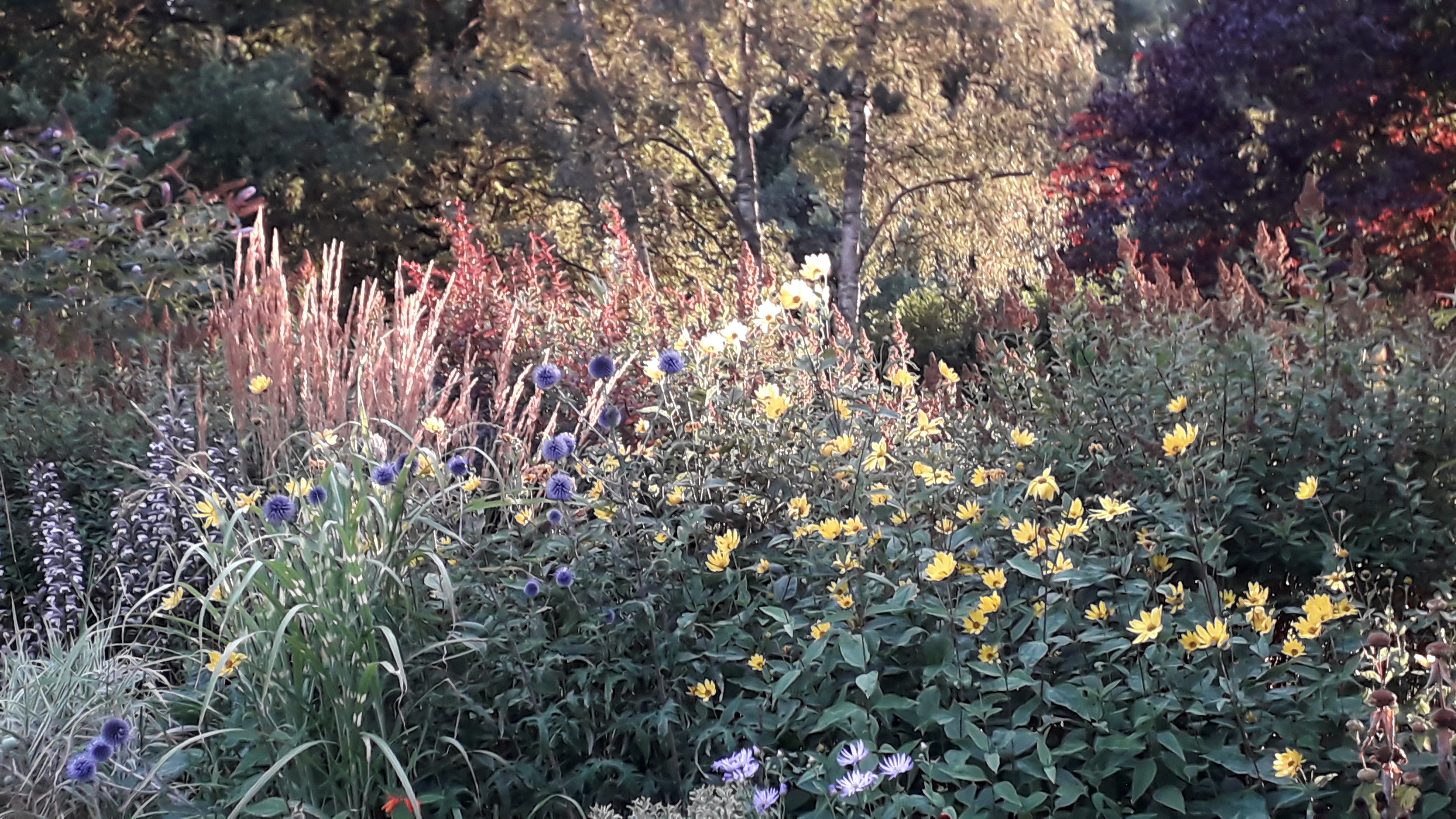
Its been very hot here lately- up among the 30’s Celsius for several days…and no rain! Here are a few shots of the garden in early August…before the parching really set in!

Relax, it's summer...picture by Merv French

Relax, it’s summer…picture by Merv French

August can be a bit of a ‘graveyard’ month – few things are looking good in the garden as the first flushes of growth on many plants have died or been pruned away and there’s not much (yet) to replace them. It can be one of the hottest, driest months in the UK, too, making watering essential – and this could be a problem if you’re on holiday and don’t have friends or neighbours (or an automatic watering system) to do it for you. So this month’s tips are mainly about harvesting, maintaining colour and interest, pruning and propagating new plants – and of course, watering!

1. Prune now for next year’s fruit and flowers

To encourage flowering or fruiting shoots, prune early flowering shrubs if not already done so and also trim back the new straggly stems of Wisteria to about 5 or 6 buds above the joint with the main stem – this will encourage energy to go into forming new flowering spurs. Do the same for fan or other trained fruit like plums, cherries a etc. Cut out the old fruiting stems of summer raspberries to encourage the new stems to grow and tie these in as you go to stop them rocking around too much. Sever, lift and pot up strawberry runners if you want to replace old plants or expand your strawberry bed. Trim back your lavender once it has finished flowering, to stop it growing leggy (but just the tops- don’t cut into old, woody stems).

2. Cut out the dead or diseased

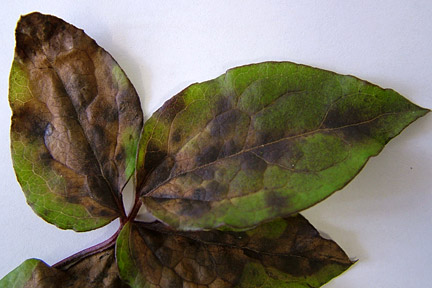
Dead head and ‘dead leaf’ perennials and annuals to prolong flowering as long as possible and keep plants looking tidy. Cut back herbs (Chives, Chervil, Fennel, Marjoram etc.) to encourage a new flush of tasty leaves that you can harvest before the first frost. Dry or freeze your herbs to use in the kitchen later on or sow some in pots that you can bring inside later in the year.  Look out for symptoms of Clematis Wilt such as wilting leaves and black discolouration on the leaves and stems of your Clematis. Cut out any infected plant material and dispose of it in your household waste.

Clematis wilt

Clematis wilt

3. Water when necessary

Containers, hanging baskets and new plants in particular need a regular water and some will need to be fed too. Ideally use stored rainwater or ‘grey water’ (recycled from household washing, but only that without soap and detergents etc.). Keep ponds, bog gardens and water features topped up. Particularly thirsty plants include:

  • Phlox

  • Aster

  • Persicaria

  • Aconitum

  • Helenium

  • Monarda

4. Mulch

To conserve moisture in the soil around plants use a mulch of organic material. An easy option is grass clippings –  put these on a plastic sheet and leave for a day in the sunshine. Turn the pile of clippings and leave for another day, or until they have turned brown. Spread the mulch round each plant, but avoid covering the crown as you might encourage it to rot. As mulch attracts slugs avoid those plants that these pests enjoy – Hostas, Delphiniums etc. Check that any mulch applied earlier hasn’t decomposed and add more as needed. Ideally, spread a mid-season layer of compost or manure – this will act to conserve moisture and feed the plants too.

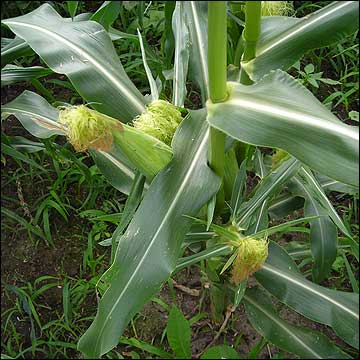
Harvest Sweet corn this month

Harvest Sweet corn this month

5. Harvest home

Pick vegetables such as Sweet Corn. Pinch out the top of tomato plants to concentrate the growth into the fruit that has already formed. Aim to leave 5 or 6 trusses of fruit per plant. If you’re going away ask a neighbour / friend to pick your flowers, salad and veg to prevent everything running to seed in your absence.

6. Last chance saloon 

In the early part of the month sow your last veg for autumn/ winter harvesting (e.g chard or spinach). You can also sow salad leaves under cover in warmer areas. And sow green manures in ground that is going to be left vacant for a few months so as to help maintain nutrient levels and to keep weeds down.

7. Think seeds

Gather seeds from plants you want to propagate in this way and store them/ seed heads in paper bags if it’s not yet ripe. And why not allow some self seeding in some areas? Mow wild flower meadows to allow seeds to spread for next year.

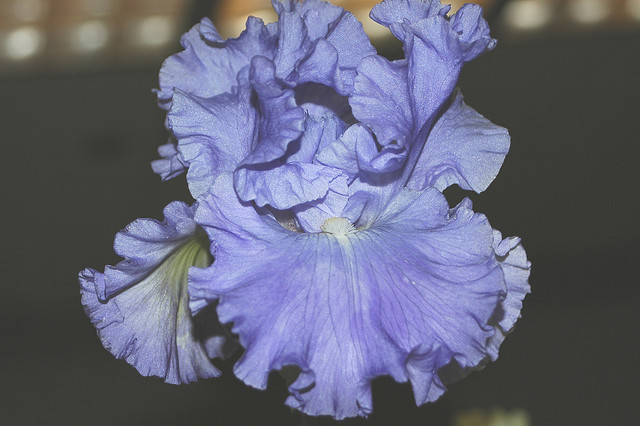
Divide Bearded irises to give the divisions time to establish

Divide Bearded irises to give the divisions time to establish

8. Divide to multiply 

If the weather and soil conditions allow, start dividing perennials, perhaps beginning with bearded Irises. Either replant the divisions in the garden or pot them up for later sales/swaps/gifts.

9. Cut to grow 

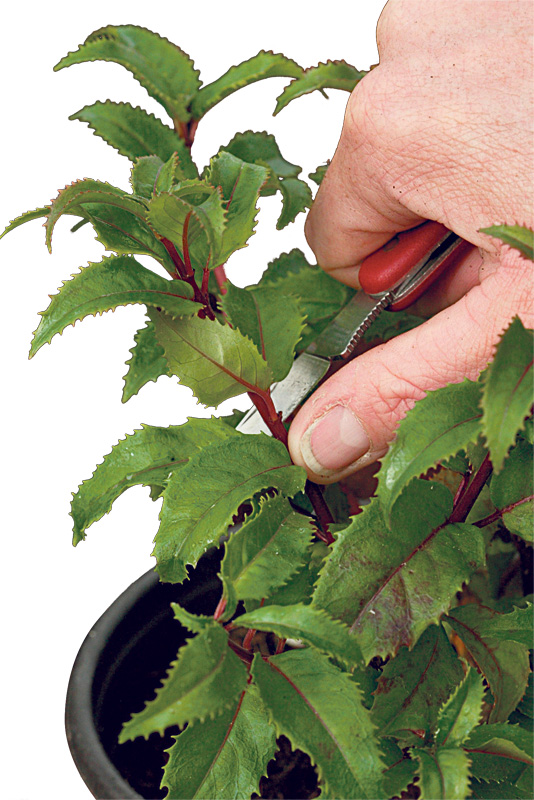
Take cuttings, an excellent way of increasing your woody and semi-woody plants like fuchsias and pelargoniums. Choose a healthy shoot and cut the top six inches, then remove all but the topmost leaves. For insurance, dip in a little rooting powder and place in moist compost. Keep them in a cold greenhouse from September and plant them in their positions next spring, when there is not much chance of heavy frost.

August is a good time for taking Fuchsia cuttings

August is a good time for taking Fuchsia cuttings

10. Enjoy and inspect

Spend a good amount of time in the garden enjoying it – asleep, with friends or just admiring what you and mother nature have created! And while you’re at it make notes / take photos of your borders etc. to identify any problem areas that need sorting out for next year; overcrowded groups of plants, gaps, areas lacking colour or interest, weak looking plants etc. And it’s also important to record good plant combinations you might want to repeat – or just take pictures of those good looking areas for the record.

Old School Gardener

If you’ve enjoyed reading this post and others on this blog, why not comment and join others by signing up for automatic updates via email (see side bar, above right ) or through an RSS feed (see top of page)?

As flowers go over be sure to deadhead regularly where appropriate to encourage longer flowering on into the Autumn and generally prevent the garden from looking frazzled and messy.

Collect seed pods for those plants that you’re planning to re-seed, and those that you don’t want to reseed themselves.

Prune back your pleached fruit trees, leaving 3 or 4 leaves on each sideshoot.  If any of your other fruit trees need pruning, do this immediately after you have harvested.

Trim back your lavender once it has finished flowering, to stop it growing leggy.

Although weeds will be growing more slowly than in the spring, it’s an idea to continue to hoe the soil to keep them down. This should be done in warm, dry conditions to ensure any weed seedlings left on the surface dehydrate and die.

If you’re going away ask a neighbour / willing family member to pick your flowers, salad and veg to prevent everything running to seed in your absence.

Now is the time to look at your borders and note any gaps / congestion that you’ll want to rectify later in the season when everything has gone over, ahead of next year. And start your shopping list for Autumn bulbs.

And of course, at this time of year, watering is key. Keep on top of this daily, making sure you water in the morning or late afternoon-evening to prevent the heat evaporating all the water before it reaches the plant roots.

Grow Your Own

Flowers
Support your dahlias, lilies and gladioli with stakes and flower rings to ensure the weight of their beautiful flower doesn’t cause their stems to break.

Chrysanths will benefit from being pinched or sheared back, encouraging more growth and flowers.

Keep picking your cut flowers to encourage more blooms and a longer flowering season.

Towards the end of August you can start planning next year’s colour by sowing your hardy annuals.

Grow Your Own

Veg and Salad

Plant out your leeks and brassicas if you haven’t already, and you can also squeeze in a final sowing of spinach and chard in the first couple of weeks of August.

Sow salad leaves under cover, or out in the open if in warmer parts of the UK.


Herbs 
Sow Basil,  Marjoram, Borage, Chervil, Chives, Coriander, Dill, Parsley in pots outside, to make moving them indoors as easy as possible in the late autumn

Fruit
Transplant strawberry runners to a new position.

Ensure that your fruit crops aren’t pinched by the birds by covering with netting, ensuring the netting stands well clear of the fruit.

Harvesting Food – What you could be picking and eating this time next year, or – if you’re an old hand – already are 

– See more at: http://www.sarahraven.com/august-in-the-garden#sthash.xPIdXOO2.dpuf

Save

Finding Nature

Nature Connectedness Research Blog by Prof. Miles Richardson

Norfolk Green Care Network

Connecting People with Nature

Discover WordPress

A daily selection of the best content published on WordPress, collected for you by humans who love to read.

Susan Rushton

Celebrating gardens, photography and a creative life

Unlocking Landscapes

Writing, photography and more by Daniel Greenwood

Alphabet Ravine

Lydia Rae Bush Poetry

TIME GENTS

Australian Pub Project, Established 2013

Vanha Talo Suomi

The Journey from Finnish Rintamamiestalo to Arboretum & Gardens

Marigolds and Gin

Because even in chaos, there’s always gin and a good story …

Bits & Tidbits

RANDOM BITS & MORE TIDBITS

Rambling in the Garden

.....and nurturing my soul

The Interpretation Game

Cultural Heritage and the Digital Economy

pbmGarden

Sense of place, purpose, rejuvenation and joy

SISSINGHURST GARDEN

Notes from the Gardeners...

Deep Green Permaculture

Connecting People to Nature, Empowering People to Live Sustainably

BloominBootiful

A girl and her garden :)