
To conclude my photo board of my sunny trip to Canterbury here is a selection of shots of architecural detailing and other views looking up in various spots around the city….


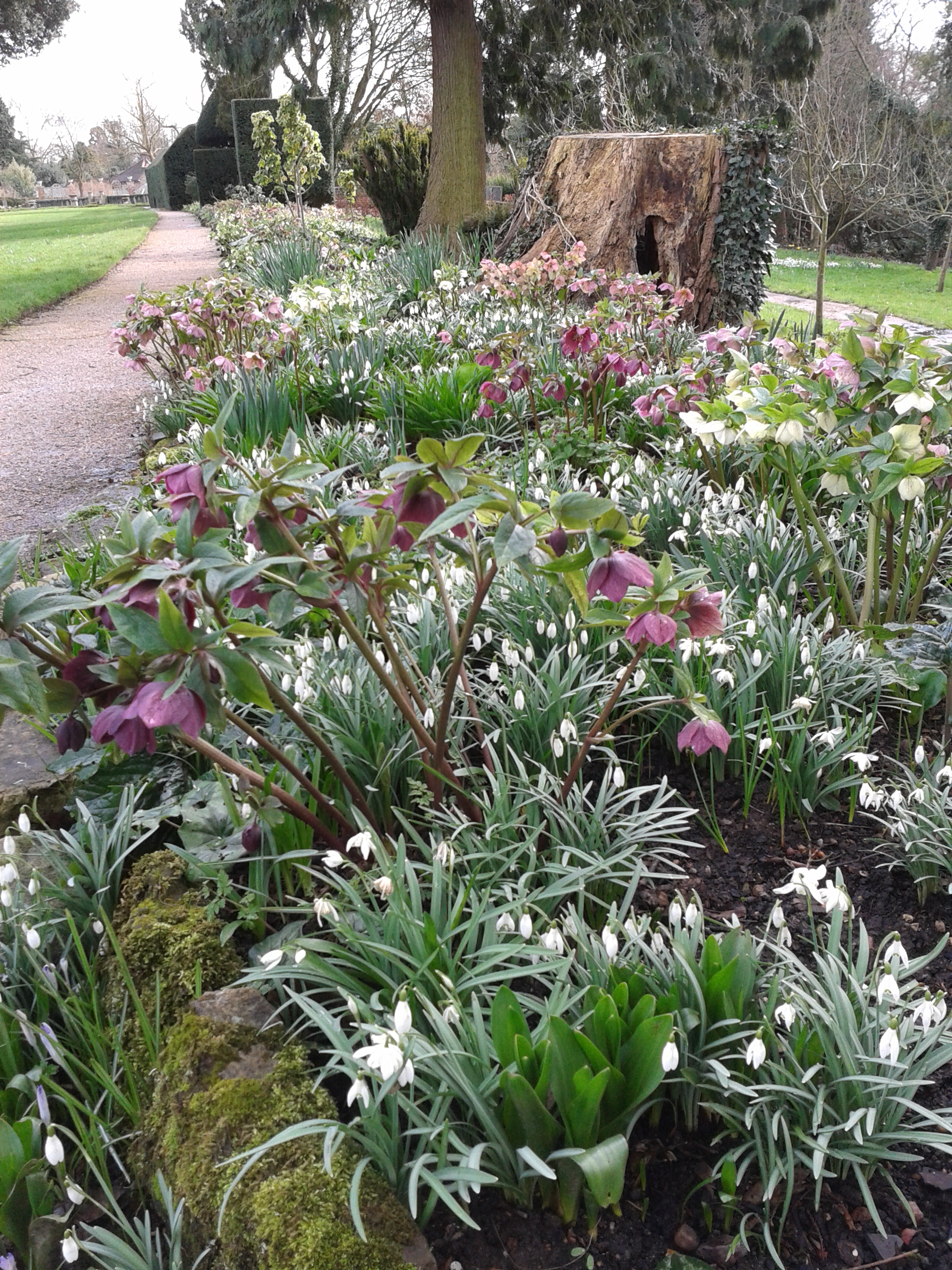 My friend Jennifer sent me these lovely pictures of the spring flowers at Myddelton House, Enfield today.
 This was the home of E.A. Bowles who transformed the garden at Myddelton and, as a keen traveller, especially to Europe and North Africa, brought home with him many specimens of plant. Such was his collecting zeal that, by the turn of the 20th century, he was growing over 130 species of colchicum and Crocus- very much the ‘Crocus King’.

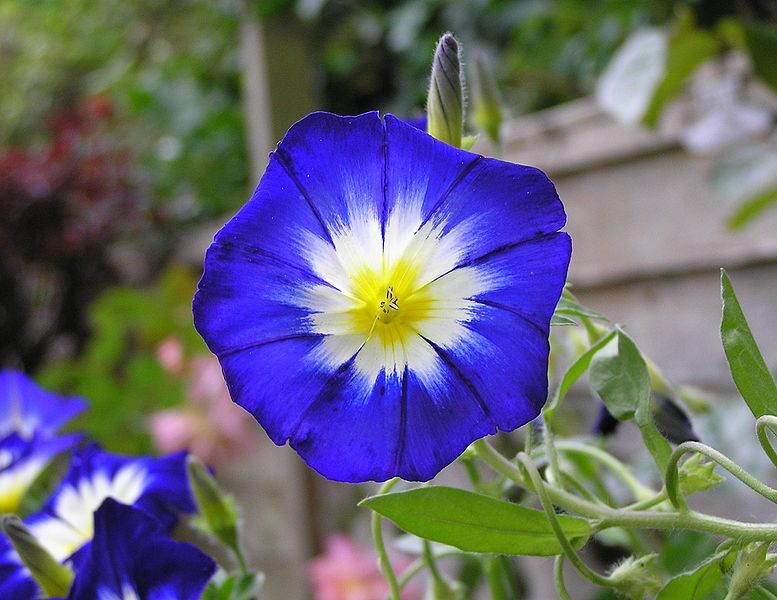


Other species names include:

Viburnum tinus is among stars of the Mediterranean spring. Its dark green leaves contrast fragrant pentamerous flowers in white or pale pink, evolving into dark blue fruit resembling small pearls. Yet this obvious picture from maquis has its invisible side .It is called domatium, after Latin word domus, for home. Domatia are microscopically small chambers at the under sides of the evergreen leaves. Plant grows domatia to host mites. In this way Viburnum tinus can be seen as a botanical skyscraper with many tiny apartments for arthropod neighbors. Imagine a little mite calling her friends to come over for a party at her condo! I am kidding, it only fascinates me to recognize there is another life underlying the botanical beauty of the plant we can see with our eyes. It is like a parallel world. Only the question remains, are the mites, or are we , at the right…
View original post 1 more word
A few weeks ago, Keeling House in Bethnal Green featured in BBC2’s Great Interior Design Challenge. Its presenter Tom Dyckhoff paid due homage to the building’s architecture – a Denys Lasdun brutalist masterpiece – and to its history. But let’s pay a little more attention to the latter here. Now privately owned, Keeling House was once a vision of high quality housing for the people.
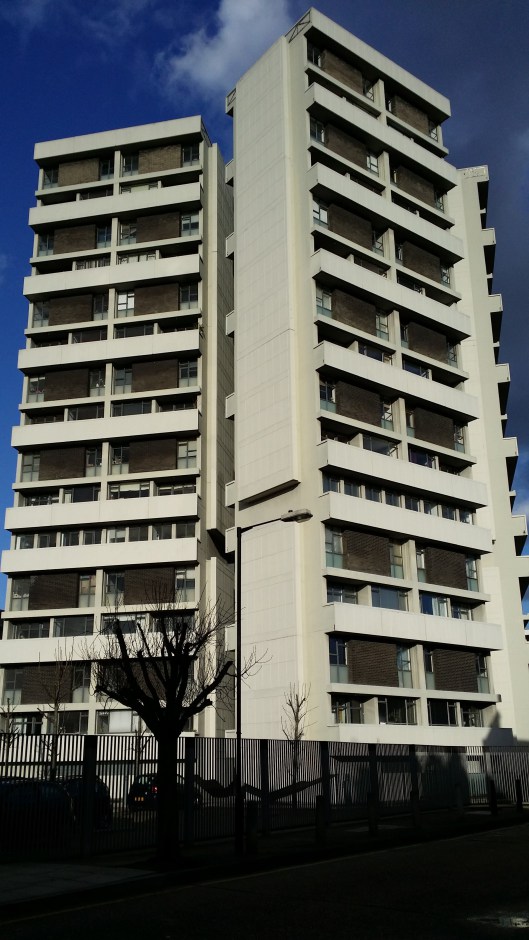
Before the Second World War, Bethnal Green was the heart of the traditional working-class East End – with social conditions to match. At the height of the Great Depression, it was stated that 23 per cent of the borough’s men were unemployed and some 43 per cent of its population living in overcrowded conditions. (1)
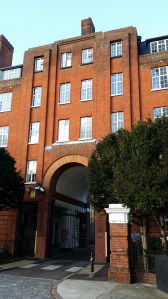 Both the London County Council and Bethnal Green Metropolitan Borough Council built extensively to rehouse local people. The Claredale Estate was a local council scheme, begun in 1932. Claredale…
View original post 1,993 more words

As part of my traineeship, I have been asked to organise our Mother’s Day event on the 30th March. The event will have a floral theme which will include a botanical art exhibition, children craft activities based around flowers and a florist who will be making small posies with the children but also promoting the flower arranging short course for adults taking place at Gressenhall in the spring.
As part of my research I have been looking into the Victorian “language of flowers” and what different flowers mean. In the Victorian times specific floral arrangements were used to send coded messages to the recipient, allowing the sender to express feelings which could not be spoken out loud in Victorian society. Though often portrayed to relay positive messages of interest, affection, and love, flowers could also send a negative message and at times, the same flower could have opposite meanings depending…
View original post 418 more words


Nigel Boldero aka 'Old School Gardener'
 | Nigel Boldero on Fighting to Reduce Climate Cha… |
 | Anonymous on Fighting to Reduce Climate Cha… |
| Anonymous on PicPost: Carrot, my foot! |
| 18 Surprising Hydran… on Plantax 16: Hydrangea the wate… | |
| Nigel Boldero on Poppyland: A Victorian romance… |
| Anonymous on Poppyland: A Victorian romance… |
| Anonymous on Plants to die for… |
 | Isabella Childress on PicPost: Forest, but not as we… |
 | Happiness Factor on Is child-friendly planning a l… |
 | zidane on Top Tip: On a Pedestal- make m… |


Nature Connectedness Research Blog by Prof. Miles Richardson
Connecting People with Nature
A daily selection of the best content published on WordPress, collected for you by humans who love to read.
Celebrating gardens, photography and a creative life
Writing, photography and more by Daniel Greenwood
Lydia Rae Bush Poetry
Australian Pub Project, Established 2013
The Journey from Finnish Rintamamiestalo to Arboretum & Gardens
Because even in chaos, there’s always gin and a good story …
RANDOM BITS & MORE TIDBITS
.....and nurturing my soul
Cultural Heritage and the Digital Economy
Sense of place, purpose, rejuvenation and joy
Notes from the Gardeners...
Connecting People to Nature, Empowering People to Live Sustainably
A girl and her garden :)


 Old School Garden