Latest Entries »

Spring has arrived and what better way to brighten up your day than by taking a walk to see the bluebells across National Trust places. There is something magical about bluebells. With their sudden, mystical takeover of ancient woodlands the flowers have long been linked to the fairy-world. Get the family together and discover the […]

via Discover a sea of bluebells with the National Trust — National Trust Press Office

Poppies by Darlusz Langrzyk

Poppies by Darlusz Langrzyk

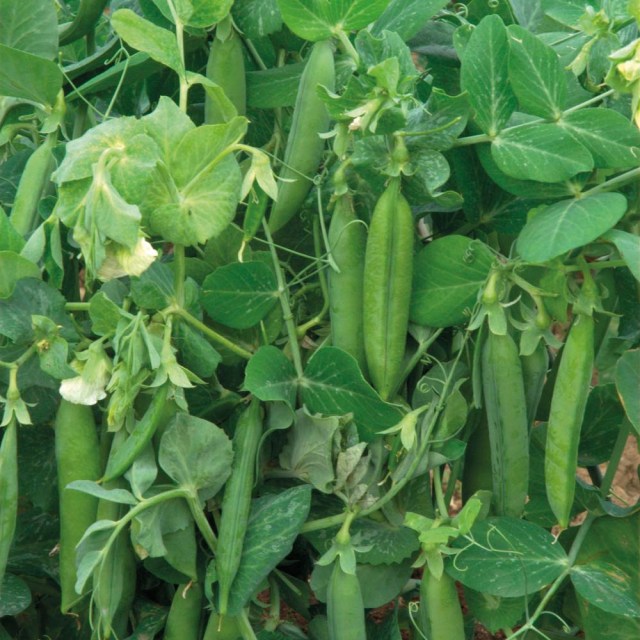
The 'Alderman' Pea- a heritage or heirloom variety

The ‘Alderman’ Pea- a heritage or heirloom variety

So, we made it to number 12. And what’s left to capture the essence of gardening? Well, I think I must put something in about legacy. So I’ve chosen an example of the humble pea, but not just any- an heirloom or heritage variety called ‘Alderman’.

In an interesting article about the heirloom or heritage varieties of pea held at the John Innes Centre in nearby Norwich, Mike Ambrose describes how the number of varieties of pea mentioned in seed catalogues increased over the 19th century, though in truth probably many were not ‘new’ varieties but thought to be such by their discoverers.

‘Peas were one of the most highly prized vegetables not just because of their nutritional qualities but also for their ease of cultivation and the range of varieties that ensured a succession of fresh produce over an extended season from May to October. Seed catalogues from the 1800’s contained many pages of descriptions of the varieties and in many, peas were placed at the front of the list. The Suttons catalogue of Vegetable seeds lists 53 varieties of peas compared to 14 broad beans whereas EW King & Co catalogue lists 49 peas to only 8 broad beans. Arthur Sutton in his paper on the progress of vegetable cultivation during Queen Victoria’s reign, interestingly also starts with peas which he refers to as the ‘Prince of Vegetables’.

The highly inbreeding nature of peas means that once fixed, particular variants or lines were particularly easy to maintain and it is clear from descriptions and illustrations as far back as the late 1500’s that peas such as parchmentless and fascinated types merited their own description and attributes (Gerard’s Herbal 1597). Prior to the rediscovery of Mendel’s work on the basis of inheritance in the early years of the 1900’s, there are clear references in the literature to selections being made from existing varieties as well as crossings between lines from which multiple forms were derived. In the absence of an understanding as to the underlying mechanism, the work was largely very largely empirical and selections in segregating populations resulting from crosses would have been only fixed for major characters leaving plenty of scope for further selection in subsequent generations.

Such was the clamour for improved varieties from growers in a market where there was no restriction in seed marketing and references can be found that openly refer to the prolific development of synonyms. Sherwood in 1898 noted the anomaly that, “while the number of listed varieties in catalogues was falling, the number of names of peas were ever increasing as more and more new varieties were being announced or shall I say old friends with new names”.

This was a brave statement of what was a widespread practise and he goes on to say “I need hardly say that they may easily be reduced to one fourth that number (150) as so many are only synonyms well known to those who test them each year: but it is not my intention to apply the pruning-knife, as I should most likely bring about my head a hornet’s nest of protests from those who do not agree with me.” This from someone who was involved with the growing of nearly 700 rows of different marketed peas for comparison in 1898 in his trial grounds in Essex…’

So my last object captures the way gardeners and breeders have taken natural processes of hybridisation among plants and developed varieties with new chracteristics- whether in foliage, flower, fruit or other ways. This legacy has added to nature’s own bounty and given us as gardeners ever more choice. But of course nature (and the growth in plant breeder’s rights) can also destroy or limit this variety. So it’s great to see initiatives like the conservation work of the NCCPG, Garden Organic’s Heritage Seed Library and the Svalbard Global Seed Vault- which both attempt to collect, and in Garden Organic’s case, promote the growing of, varieties that are in danger of being lost

…I leave to another place the debate over whether ever-increasing new varieties and the growing control of the varieties available commercially are ultimately ‘good’ things and of course the even more controversial topic of how genetic modification can even further extend our control of nature…

For us more modest gardeners, legacy may not be about breeding or discovering new varieties of plant and then finding a name for them (often of a cherished loved one, or for the more narcissistic, choosing one’s own name). Rather, it will be in leaving what we have created in our gardens and quite possibly what we pass on to sons, daughters and others (e.g. in school or community growing projects) by way of our skills and knowledge gained over many seasons.

I hope that you’ve enjoyed reading this and the previous posts in the series. You can access all of them via  ‘The Essence of Gardening in 12 Objects’ in the ‘My articles classified’ list on the right- but as a ready reference I’ll list out all 12 below:

1: Compost Heap– looking after our soil and feeding plants

2: Plant Label– propagation by seed and nurturing plants

3: Wardian Case– the expansion of plant choice through importation and creation of micro climates

4: Hand fork– weeding and soil care

5: Topiary– cutting plant stems to control shape and propagate

6: NGS Booklet– sharing our gardens and learning from them

7: Compass and compasses– positioning plants and design

8: Half Moon– constructing and shaping the garden and lunar phase gardening

9: Weather Satellite– watching and responding to the weather and further technological developments to aid the gardener

10: Trug– growing plants to eat

11: Garden Bench– sitting and enjoying the garden

12: Heirloom Pea – legacy through hybridisation and passing on our skills and knowledge to the next generation

Further information:

Garden Organic’s Heritage Seed Library

‘Seed Sense’- The Guardian

Svalbard Global Seed Vault

NCCPG Plant Heritage

EU Seed Law update and why grow Heritage seeds- Permaculture Magazine

 Old School Gardener

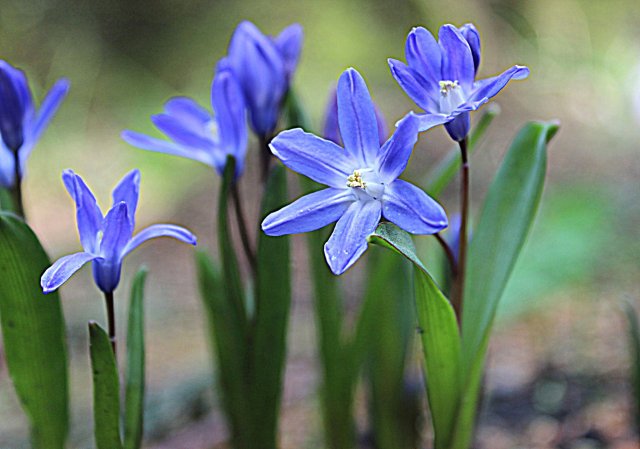
Chinadoxa. Picture- Anna Stochaj

Chinadoxa. Picture- Anna Stochaj

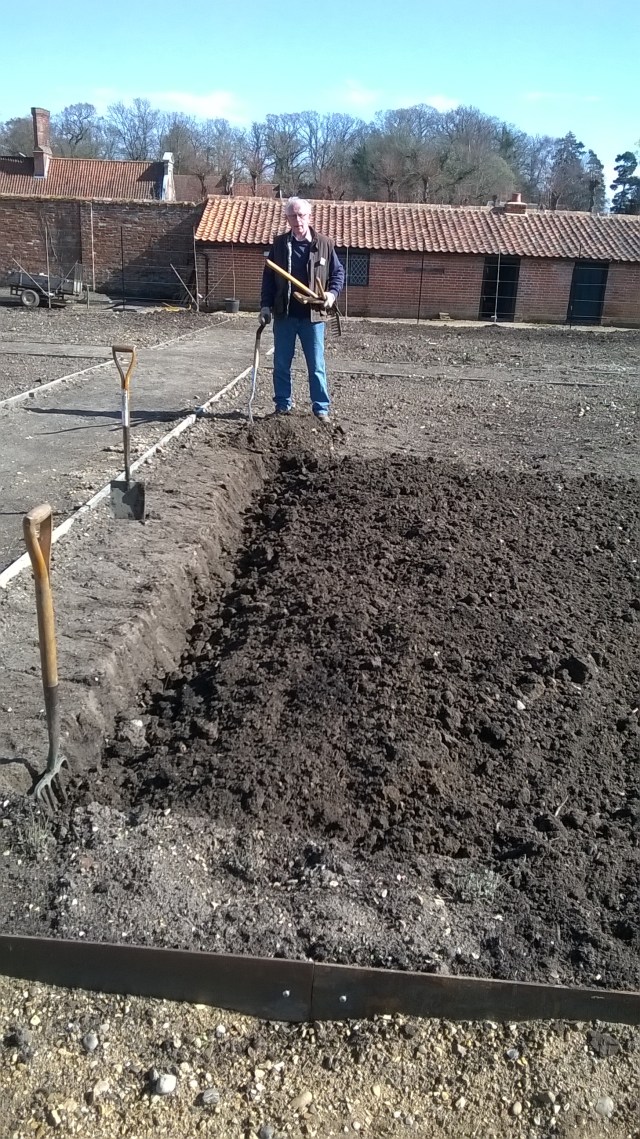
This week's efforts- double digging in the Walled Garden

This week’s efforts- double digging in the Walled Garden

Back to Thursday this week at Blickling, so it was good to see the rest of that day’s volunteer team again.

On my way into the gardens I noticed an orange MG spots car and some people filming- apparently it was for an edition of  ‘Antiques Road Trip’ due to be aired on BBC TV in the autumn.

After our initial meet up in the bothy (the old one) I didn’t see much of the others apart from Norfolk Peter, who joined me in double digging one of the beds in the Walled Garden.

Penstemons potted up- just a few

Penstemons potted up- just a few

The rest of the team were potting up Penstemons prior to their planting out next to the double borders (once the Hyacinths have gone over). I was also pleased to see that a lot of new plants were nestling in the old cold frames along side the glasshouses, all showing their first leaves and promising a good summer show.

After about 4 hours digging Peter and I had finished about a half of one quarter of one quarter of the walled garden! The soil is a bit of a clayey loam and quite stony (it was a car park for a time, I think), so it was a bit harder going than on my sandy loam at home. Having said this, I suppose I ought to subtract the trenches Aussie Peter and I dug a few weeks ago for the trained fruit…

Norfolk Peter resting on his spade after a hard day's digging

Norfolk Peter resting on his spade after a hard day’s digging

Anyway, I think that means we completed about a thirty second of the total area, excluding the side borders. Whilst some areas will be trenched rather than completely double dug, and I think Project Manager Mike is not planning to bring all of the garden into full cultivation this season, that still leaves quite a bit to do…hopefully our fellow volunteers on other days will make a contribution, otherwise I will have to plead to be put onto ‘light duties’!

Further Information:

Blickling Hall website

Blickling Hall Facebook page

A 360 degree tour of Blickling Hall

Old School Gardener


Across the world 2015 was the hottest year on record. When compared with the long-term average between 1850 and 1900, the temperature was around 1C warmer. This increase is mostly the result of long-term warming linked to greenhouse gases, but temperatures in 2015 were also boosted by a very active El Niño – warmer-than-normal ocean […]

via If the world has another record warm year, will everywhere be warmer? — Met Office News Blog

Hydrangea- picture Ellen Zillin

Hydrangea- picture Ellen Zillin

magnesium deficiencyIf a plant lacks certain nutrients, it will look unhealthy- with pale of yellowing leaves, stunted growth or withering stems. In general, sick-looking plants are suffering from more than one nutrient deficiency. However, it can be difficult to identify which deficiencies a plant is suffering from, because there are so many different  types and symptoms can vary from plant to plant.

As a quick and easy solution to reviving a plant that you suspect is lacking nutrients, giver it a liquid feed that contains a good mix of trace elements or a foliar feed for faster uptake. Always follow the manufacturer’s instructions. Some liquid feeds can also be used at half strength as a foliar feed.

Source: ‘Short Cuts to Great Gardens’- Readers’ Digest 1999

Old School Gardener

April Notebook

Winterbourne House and Garden's avatarDigging for Dirt

  • Now is a great time to repair bare patches in your lawn. First dig out the affected area, lightly fork the bottom of the hole and re-fill with topsoil – the finer the better. Next, gently rake in your grass seed before watering it in. Beware of late frosts and hungry birds! Both will seriously inhibit germination.
  • Everything should be beginning to wake up now ready for the growing season ahead – begin to increase the amount of water you give to your houseplants.
  • The moist weather which usually accompanies spring creates the ideal conditions for applying mulch. Organic mulches can help to retain moisture, suppress weed growth and improve the structure of your soil. Leaf mould and spent mushroom compost are amongst the best. Be sure to clear weeds from beneath your plants beforehand, apply to 5cm of depth and keep clear of central stems and trunks –…

View original post 176 more words

gardeninacity's avatargardeninacity

In my last post I wrote about an article in the current issue of Gardens Illustrated called ‘100 Plants Every Gardener Should Grow’. While I took issue with the title, it has inspired me to do a much more modest list of my own.

I want to stress up front that just because these plants are favorites of mine does not mean that they will perform satisfactorily (or even stay alive) in your garden. Cultural requirements are key, so look that stuff up before you buy. Otherwise, don’t come crying to me if you plant one of these puppies and it doesn’t work out.

Gardens have stars and supporting players, just like movies. Garden stars are plants that really stand out.  For me, that means plants that are especially noticeable due to size or color – or both. Around these stars there must be supporting plants that provide background and…

View original post 488 more words

Finding Nature

Nature Connectedness Research Blog by Prof. Miles Richardson

Norfolk Green Care Network

Connecting People with Nature

Discover WordPress

A daily selection of the best content published on WordPress, collected for you by humans who love to read.

Susan Rushton

Celebrating gardens, photography and a creative life

Unlocking Landscapes

Writing, photography and more by Daniel Greenwood

Alphabet Ravine

Lydia Rae Bush Poetry

TIME GENTS

Australian Pub Project, Established 2013

Vanha Talo Suomi

The Journey from Finnish Rintamamiestalo to Arboretum & Gardens

Marigolds and Gin

Because even in chaos, there’s always gin and a good story …

Bits & Tidbits

RANDOM BITS & MORE TIDBITS

Rambling in the Garden

.....and nurturing my soul

The Interpretation Game

Cultural Heritage and the Digital Economy

pbmGarden

Sense of place, purpose, rejuvenation and joy

SISSINGHURST GARDEN

Notes from the Gardeners...

Deep Green Permaculture

Connecting People to Nature, Empowering People to Live Sustainably

BloominBootiful

A girl and her garden :)