Archive for January, 2016


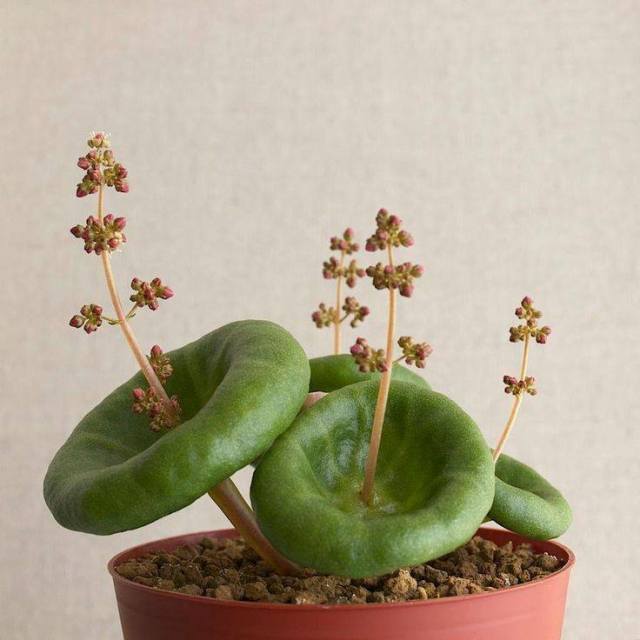
Crassula umbella

Crassula umbella

One of the nice things about having your own kitchen garden is the Gardener’s Tax. You probably haven’t heard it called that, but you know what I mean – the little tasty treats you ‘skim’ off the harvest, before it makes it into the kitchen 🙂 One of the plants I keep meaning to add…

via Gardener’s Tax — The Unconventional Gardener

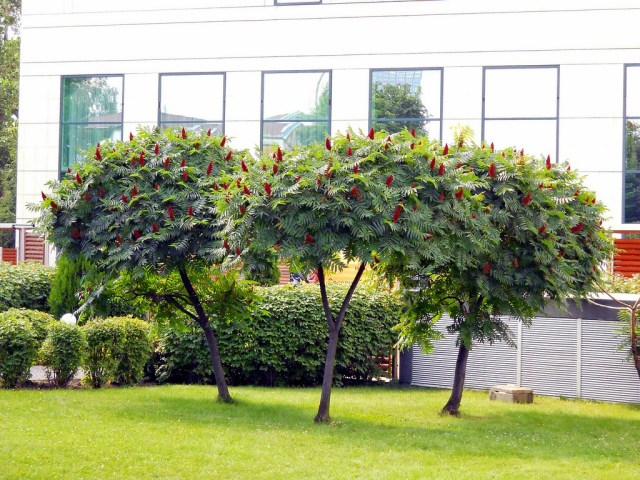
rhus typhina trio


This is a small tree (which can also be grown as a shrub) that can be a bit of a thug, as it spreads freely by root extension, but it’s lower growth is thin enough to allow other plants to live alongside it. I have a few here at Old School Garden and it is a great tree for adding an oriental feel, has interesting foliage (especially in the autumn) and some unusual flowers.

Common name: Stag’s Horn Sumac

Native areas: It is primarily found in Southeastern Canada, the Northeastern and Midwestern United States and the Appalachian Mountains, but is widely cultivated as an ornamental throughout the temperate world.

Historical notes: Introduced to the U.K. in 1620’s it won the R.H.S. Award of Garden Merit in 2002. Some beekeepers use dried sumac bobs as a source of fuel for their smokers. The fruit of sumacs can be collected, soaked and washed in cold water, strained, sweetened and made into a pink lemonade. The leaves and berries have been mixed with tobacco and other herbs and smoked by Native American tribes. All parts of the Stag’s horn Sumac, except the roots, can be used as both a natural dye and as a mordant. The plant is also rich in tannins and can be added to other dye baths to improve light fastness. In both French and German, the common name of the species (Sumac vinaigrier, Essigbaum) means “vinegar tree”.

Features: Rhus typhina is a deciduous shrub or small tree growing to 5 m (16 ft) tall by 6 m (20 ft) broad. It has alternate, pinnately compound leaves 25–55 cm (10–22 in) long, each with 9–31 serrate leaflets 6–11 cm long. The leaf petioles and the stems are densely covered in rust-colored hairs. The velvety texture and the forking pattern of the branches, reminiscent of antlers, have led to it’s common name. The Sumach is dioecious (male and female flowers produced on separate plants), with yellow-green flower clusters, followed on female plants by dense crimson fruiting heads. 

Rhus typhina 'Tiger Eyes'

Rhus typhina ‘Tiger Eyes’

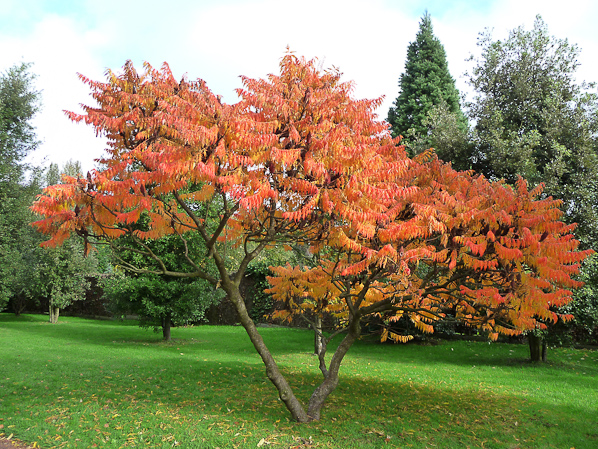
Uses:  Rhus typhina provides interest throughout the year and is spectacular in autumn when its foliage turns fiery orange, gold, scarlet or purple. The effect is greater when set against the dense cones of red fruit borne by female plants. To get the best from this autumn colour plant it in a sheltered position away from strong winds; otherwise, as here in Old School Garden, you won’t see the leaves for very long! It’s vigorous, suckering habit makes it unsuitable for smaller gardens. Some landscapers remove all but the top branches to create a “crown” effect in order to resemble a small palm tree. There are about 200 species of Rhus and numerous cultivars have been developed for garden use, of which ‘Dissecta’ (syn.’Laciniata’ or Cutleaf Stag’s Horn Sumac) has deeply cut leaves. ‘Dissecta’ will survive winters as low as minus -12°C and then regain new growth the following season. 

Growing conditions:  It can grow under a wide array of conditions, but is most often found in dry and poor soil on which other plants cannot survive. Some species can be pruned hard to the ground every other year in early spring to produce handsome foliage plants. The inner sections of the trees are woody and pithy . It is advisable to wear gloves because the sap is potentially harmful.

Picture by Alain Delavie

Picture by Alain Delavie

Further information:

Wikipedia

RHS- Rhus typhina

RHS- Rhus typhina ‘Dissecta’

Horticulture Week- ~Rhus typhina

‘Thorny Problems: How can I get rid of Sumach suckers?’- Daily Telegraph

Barcham trees directory- Rhus typhina

Old School Gardener

The silver-leaved tree fern is New Zealand’s national plant. The undersides of the leaves really glow in low light and in the past they were used by Maoris to light pathways at night.

via Lighting the Way — The Enduring Gardener

Save

Diphylleia grayi or the Skeleton Flower- it's early blooms gradually disappear under rainfall

Diphylleia grayi or the Skeleton Flower- it’s early blooms gradually disappear under rainfall

GarryRogers's avatarGarryRogers Nature Conservation

But it is in the North Atlantic that the influences of human-forced climate change upon the weather are starting grow most starkly clear. There the impact of El Nino is far less obvious. During a typical strong El Nino year, storms tend to form more-so over Iceland. And we’ve seen that. But in the past, El Nino years have also tended to bring colder weather to Scandinavia as the Northern Hemisphere Jet Stream strengthened and locked cold air into the higher Latitudes. However, this year, as in recent years, the Barents Sea has been freakishly warm. This region, which during the 20th Century featured much more sea ice than today, is now mostly ice free. And this broad section of open water vents heat into the atmosphere, warming Scandinavia and providing a weakness in the Jet Stream for warm air invasions of the Arctic.

“Today The New York Times is…

View original post 152 more words

Finding Nature

Nature Connectedness Research Blog by Prof. Miles Richardson

Norfolk Green Care Network

Connecting People with Nature

Discover WordPress

A daily selection of the best content published on WordPress, collected for you by humans who love to read.

Susan Rushton

Celebrating gardens, photography and a creative life

Unlocking Landscapes

Writing, photography and more by Daniel Greenwood

Alphabet Ravine

Lydia Rae Bush Poetry

TIME GENTS

Australian Pub Project, Established 2013

Vanha Talo Suomi

The Journey from Finnish Rintamamiestalo to Arboretum & Gardens

Marigolds and Gin

Because even in chaos, there’s always gin and a good story …

Bits & Tidbits

RANDOM BITS & MORE TIDBITS

Rambling in the Garden

.....and nurturing my soul

The Interpretation Game

Cultural Heritage and the Digital Economy

pbmGarden

Sense of place, purpose, rejuvenation and joy

SISSINGHURST GARDEN

Notes from the Gardeners...

Deep Green Permaculture

Connecting People to Nature, Empowering People to Live Sustainably

BloominBootiful

A girl and her garden :)