
 A Norfolk community designs a show garden for the Hampton Court Flower Show. Click here to get the video.
Old School Gardener
A Norfolk community designs a show garden for the Hampton Court Flower Show. Click here to get the video.
‘The towering clouds recede; the storm has fled;
The dark and angry sky grows clear again.
The thunder faintly rolls, and slowly dies,
And skylarks twitter gladly as they rise.
Now many a flower hangs low a dripping head,
And here and there a patch of levelled grain
Recalls the violence of the summer storm.
The sun returns, the rain-soaked earth grows warm.
Slow and ungainly by the waterside
A solemn toad plods forth, and small snails glide,
Their shining shells enriched by golden rings.
A dragon-fly with wide and wondrous wings
glows like a jewel there among the reeds,
Above the tangle of the water-weeds.’
John (Jack) Kett
from ‘A Late Lark Singing’ (Minerva press 1997)
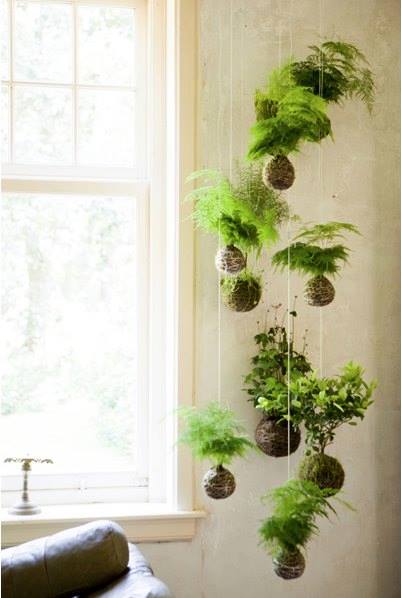
‘…the snail, whose tender horns beign hit,
Shrinks backward in his shelly cave with pain,
And there, all smother’d up, in shade doth sit,
Long after fearing to creep forth again:’William Shakespeare

 In the wake of the 2008 food price crisis, which exacerbated food insecurity and increased smallholder farmers’ vulnerability to shocks and stresses, recognition of the barriers smallholders face in becoming more productive and developing their farms as commercial businesses has been growing. In 2010, the UN Food and Agriculture Organisation implemented the Multidisciplinary Fund (MDF) project to help develop policies supportive of smallholder commercialisation in Africa, in particular identifying the heterogeneity amongst smallholders in terms of their attitudes to commercialisation.
A new report, Understanding smallholder farmer attitudes to commercialisation – the case of maize in Kenya, by the FAO, focuses on maize producers and rural youth in Kenya by investigating “attitudes, strategies and opportunities related to maize commercialisation” in Meru and Bungoma regions in the country. The report is based on key informant interview, focus group, farmer survey and stakeholder workshop data.
At present farm management is not undertaken…
View original post 500 more words
 As the threat of climate change, natural resource scarcity and declines in the provision of the majority of ecosystem services continue, agroecology is increasingly being explored as an option for addressing the stress conventional farming systems put on the environment. To date, however, agroecology is still a niche farming method, relatively underutilised in agricultural development, policy and research despite growing evidence of its benefits for both productivity and sustainability. A new paper by Laura Silici at the International Institute for Environment and Development (IIED) explores what agroecology is, why it is not yet being scaled-up to any significant degree and recommends future action for integrating this social and ecological movement into modern farming systems.
Agroecology is defined as “an ecological approach to agriculture that views agricultural areas as ecosystems and is concerned with the ecological impact of agricultural practices”. The paper explains that it consist of three facets:
1) The…
View original post 618 more words
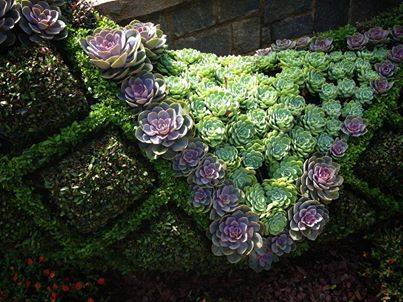
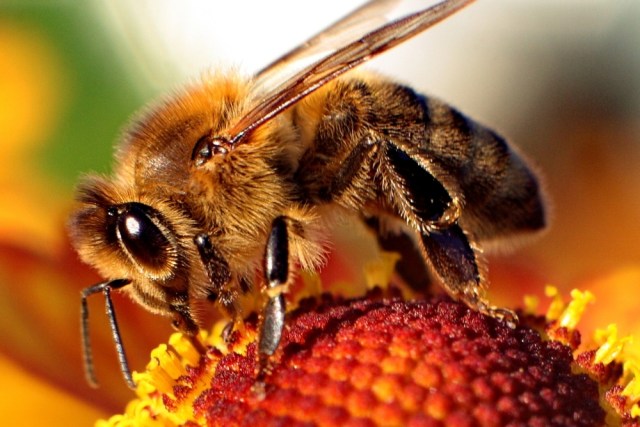
Keeping the bees happy is one aspect of planting a wildlife garden
Don’t get me wrong, this is a style I love myself and is what I’m trying to create here at the Old School Garden. But every now and then its refreshing to see something at one of the ‘design extremes’- the sort of creation that pushes you into thinking again about structural features or particular planting choices and combinations in your own garden, or even more fundamentally, what you expect your garden to do.
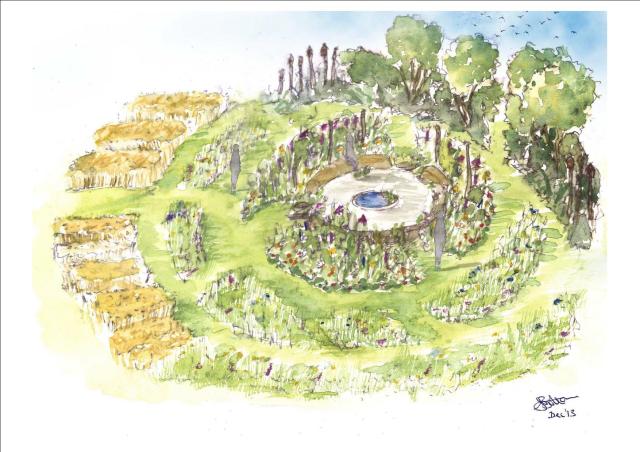
The Jordans Wildlife Garden Design

Nigel Boldero aka 'Old School Gardener'
 | Nigel Boldero on Fighting to Reduce Climate Cha… |
 | Anonymous on Fighting to Reduce Climate Cha… |
| Anonymous on PicPost: Carrot, my foot! |
| 18 Surprising Hydran… on Plantax 16: Hydrangea the wate… | |
| Nigel Boldero on Poppyland: A Victorian romance… |
| Anonymous on Poppyland: A Victorian romance… |
| Anonymous on Plants to die for… |
 | Isabella Childress on PicPost: Forest, but not as we… |
 | Happiness Factor on Is child-friendly planning a l… |
 | zidane on Top Tip: On a Pedestal- make m… |






Nature Connectedness Research Blog by Prof. Miles Richardson
Connecting People with Nature
A daily selection of the best content published on WordPress, collected for you by humans who love to read.
Celebrating gardens, photography and a creative life
Writing, photography and more by Daniel Greenwood
Lydia Rae Bush Poetry
Australian Pub Project, Established 2013
The Journey from Finnish Rintamamiestalo to Arboretum & Gardens
Because even in chaos, there’s always gin and a good story …
RANDOM BITS & MORE TIDBITS
.....and nurturing my soul
Cultural Heritage and the Digital Economy
Sense of place, purpose, rejuvenation and joy
Notes from the Gardeners...
Connecting People to Nature, Empowering People to Live Sustainably
A girl and her garden :)


 Old School Garden