Archive for 2013


IMG_7215

I recently responded to a challenge from fellow blogger, ‘The Anxious Gardener’, to name my favourite garden. This was a light-hearted way of getting people to enter a competition to win a copy of the recent publication ‘The New English Garden’.

The competition was a ‘name out of the hat’ affair so I stood as much chance as winning as the other 30-odd entrants (and I didn’t win, so there’s another item for the Christmas list). Notwithstanding that, I thought I’d try to do the request justice and thought long and hard about where, if any one ‘where’ stood out in front of the many gardens I’ve visited, read about, seen films and pictures of.

It took some time…

In the end I came up with my nomination and set it out here and the reasons why it came out top. Oh, and I thought I’d share some pics with you too. I hope that you enjoy them.

I’ve visited and seen a few gardens over the years and it’s tricky finding one that I’d call a favourite – some have great borders or other spaces, configurations of plants, superb features and so on. Maybe its because it’s relatively fresh in my mind, but the one that does stand out is Felbrigg walled garden in Norfolk (also a local one to me and so visited quite often).

Why? Well I guess it’s the way the garden team (including volunteers and community gardeners), have managed to create a space that meets so many different needs and in a way that seems to hang together naturally:

* a warm, contained, red brick walled space, with a fountain and dovecote as strong structural elements
* glasshouses with old favourite, traditional exotics and other ‘interesting’ plants
* community food growing in plots that are obviously lovingly cared for
* a children’s gardening area complete with digging pits, tools, washing facilities and novelties such as chickens running free, willow teepees and tunnels
* newer areas set out with mediterranean – style planting, meadows and feature shrubs
* plenty of comfortable seats to entice you to stop, look and soak up the atmosphere
* lots of attractive information about the plants themselves (all the significant ones carefully and attractively labelled) as well as some of the current tasks in the garden and information/quiz sheets for the kids.

All in all a visit to Felbrigg is a tremendously rich experience where the general public, serious gardener and trained horticuluralist (and their children) can come together and have their curiosity tickled, be enthused, amazed and go away feeling regenerated.

Do you have a favourite Garden? I’d love to hear from you!! (no prizes I’m afraid)

Further information: National Trust website

Old School Gardener

If you’ve enjoyed reading this post and others on this blog, why not comment and join others by signing up for automatic updates via email (see side bar, above right ) or through an RSS feed (see top of page)?

greenbenchramblings's avatargreenbenchramblings

Trench composting is an underused way to improve your soil texture and add fertility to your soil. And it has the added bonus of getting rid of those tough old stems of spent sunflowers, sweetcorn and brassicas. We spent a day trench composting the quarter of our allotment in which we shall be growing our roots next year. Many books tell us not to add manure or humus to the patch where you are planning to grow your root crops but we have found by experience that if the trenching is carried out in early autumn it works just fine. As the depth of soil on our plot is less than a border fork deep we need to keep adding to it in an attempt to build up some depth.

The job gets started as Jude, aka Mrs Greenbench or The Undergardener, takes out a 2 foot wide trench down…

View original post 356 more words

Where's Wally? 250 Master Gardeners and Composters (including me) line up for the annual group photo

Where’s Wally? 250 Master Gardeners and Composters (including me) line up for the annual group photo

It was an early start- 5.45.a.m to be precise. Having travelled into Norwich and boarded a coach, we set off for Ryton Gardens, near Coventry. Garden Organic’s HQ, formerly known as the ‘Henry Doubleday Research Association’ in honour of the pioneer organic grower, presents a rich mix of gardens aimed at informing, educating and inspiring gardeners in the ‘organic way’.

I attended the annual ‘Masters Conference’ last year and got to see the gardens for the first time too. This year’s visit was equally interesting and energising, not least due to the concentration of 250 plus growing and composting enthusiasts in one place for the full day conference.

No, not a set from 'Dr. Who', just a display of 'dalek' and other types of compost bin!

No, not a set from ‘Dr. Who’, just a display of ‘dalek’ and other types of compost bin!

Garden Organic do things right – a highly professional outfit, with some world class credentials when it comes to research and education in organic growing, they value their volunteers, and this shows. Little, but important touches like personalised ‘goody bags’, name badges and schedules as well as the cheery welcome from the large number of staff and volunteers around helped to make the day a big success. And of course there are the annual awards, lots of cake and coffee and the group photo that all bind this volunteer community together in their ‘crusade’ for food growing and composting.

One of two Cakes specially made to celebrate the conference-a masterly effort from a Norfiolk Cake maker!

One of two Cakes specially made to celebrate the conference-a masterly effort from a Norfolk Cake maker!

It was interesting finding more out about community composting, some of the ‘goodies’ in the garden (as far as bugs are concerned) and of how projects are using food growing to reach communities that find it difficult to fully engage with society for various reasons.There were also some wonderful tales of Master Gardeners and Composters from around the country who are helping people not only to grow food, but to ‘grow’ themselves! And several of these were from Norfolk.

Apart from the chance to look round the gardens once more, the highlight was veteran naturalist Chris Baines, who gave an inspiring talk about how important it is to create parks, gardens and other green spaces in an increasingly urbanised world to help keep cities cool, air clean, provide habitats for wildlife and psychological respite from living and working places that will in all probability become ever more hectic, hassled and hot! He shared some encouraging signs that developers are starting to integrate such features as ‘rain gardens’ and other nature havens in their plans.

Further information:

Ryton Gardens

Garden Organic

Master Gardener

Master Composter/ Home Composting

Old School Gardener

If you’ve enjoyed reading this post and others on this blog, why not comment and join others by signing up for automatic updates via email (see side bar, above right ) or through an RSS feed (see top of page)?

David Marsden's avatarThe Anxious Gardener

Scaffolding has gone up at the Priory.

DSM_7479Though I don’t have a head for heights, I couldn’t wait to get up there and see the gardens from a new perspective.

DSM_7446

At the first (gutter height) level I could look down on to the tropical border.

DSM_7421And, after a deep breath, I white-knuckle-climbed the second ladder to the chimney.  Here, I was much higher above the same outbuilding with the tropical border down one side, clipped cotoneaster along the other and the wisteria covered arbour at the far end.   The fine, stone roofed structure directly below is the woodstore.  The greenhouses can be seen through the trees.

Here are some more views from the chimney:

DSM_7505Looking southwards over the path bed, the rock border, another outbuilding with shaped ivy and across some of Margaret’s fields.

DSM_7509The east lawn with the kidney beds up against new post and rail fencing.

DSM_7507South-west over…

View original post 256 more words

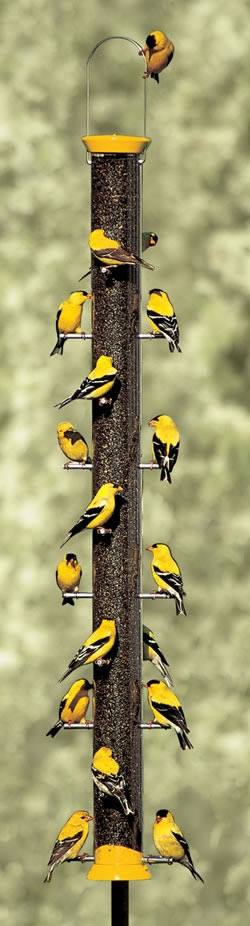
PicPost: Pole Dancing

Goldfinch Feeder via Growveg

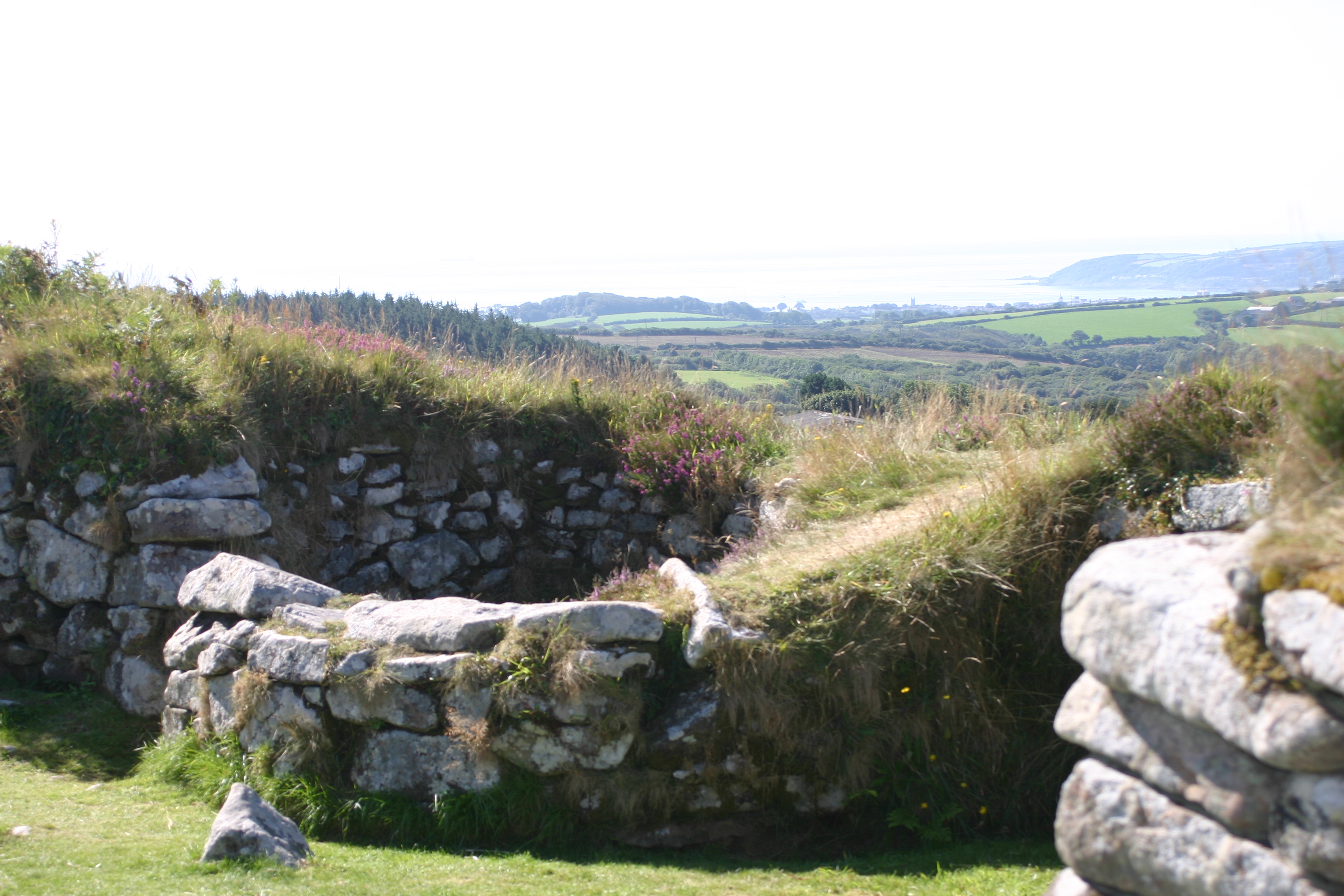
IMG_6665Whilst on our summer holidays in Cornwall and Devon, we visited a fascinating iron age village – Chysauster, near Penzance. Thought to be around 2,000 years old, this wind-swept, rocky network sits on a south-facing slope overlooking Mount’s Bay.

It’s thought the location takes advantage of a natural spring on the hill slope, for to locate a settlement in such an exposed spot would other wise seem a little crazy. However, having got their supply of fresh water the occupants were able to create a microclimate within their thick stone encircling walls (The walls survive to heights of up to 3 metres). Channelled water to each house and it’s accompanying courtyard/garden and the tall, 4 metre-thick walls created a sheltered, sun soaked encampment – perhaps they even grew food inside these compounds?

Primarily agricultural and unfortified, and probably occupied by members of the Dumnoii tribe, the village today has the remains of around 10 courtyard houses, each about 30 metres in diameter. Eight of these form two rows. The houses have a similar layout with an open central courtyard surrounded by a number of thatched rooms, orientated on an east-west axis, with the entrance facing east. A field system in the vicinity demonstrates the site’s farming connections. The whole site also has wonderful views of the surrounding landscape.

Work is underway with local schools to create an ‘iron age garden’  where some of the old varieties of wheat (such as Spelt) and other plants will be grown. The Site Manager, Steve (whose accent I immediately recognised as East London!) , gave us a great potted guide to the place and he’s obviously enthusiastic for the site’s future development as a super educational as well as heritage ‘must see’ attraction.


Further information:

English Heritage

Old School Gardener

Jan White's avatarJan White Natural Play

Mudlarking is the ancient practice of digging in the mud of the Thames to find treasures.  It still goes on today, uncovering and recovering some amazing artefacts from the life of London city through the centuries.  Click on this link for more information about mudlarking.

images
Futurelab – Projects Archive – Mudlarking in Deptford

With this section of my website, I want to share some of the many wonderful treasures I dig up while researching and supporting outdoor play for children from birth to seven. I hope they inspire you too, and help you to create motivational, meaningful and satisfying outdoor play experiences for all the children you work with.  Mudlark posts will be brief and to the point.

the garden classroom

Mudlark Find Number 4 is a superb ebook from Cathy James at Nurture Store, The Garden Classroom.  Nurture Store is an absolute treasure trove in itself, and I’ll refer to…

View original post 184 more words

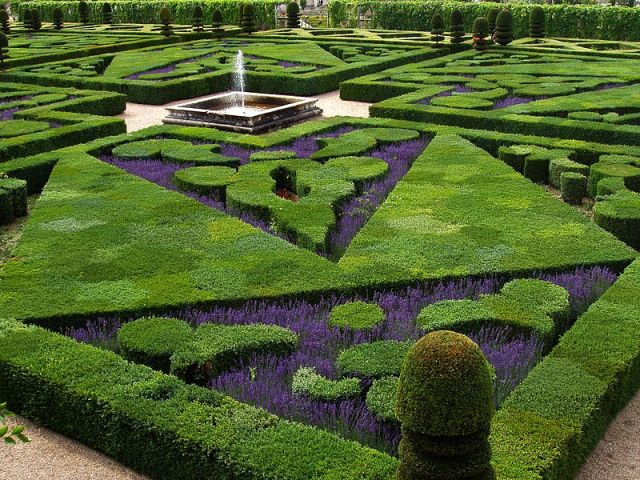
PicPost: Geometric Progression

Villandry, France via Jean Aernoudts

Finding Nature

Nature Connectedness Research Blog by Prof. Miles Richardson

Norfolk Green Care Network

Connecting People with Nature

Discover WordPress

A daily selection of the best content published on WordPress, collected for you by humans who love to read.

Susan Rushton

Celebrating gardens, photography and a creative life

Unlocking Landscapes

Writing, photography and more by Daniel Greenwood

Alphabet Ravine

Lydia Rae Bush Poetry

TIME GENTS

Australian Pub Project, Established 2013

Vanha Talo Suomi

The Journey from Finnish Rintamamiestalo to Arboretum & Gardens

Marigolds and Gin

Because even in chaos, there’s always gin and a good story …

Bits & Tidbits

RANDOM BITS & MORE TIDBITS

Rambling in the Garden

.....and nurturing my soul

The Interpretation Game

Cultural Heritage and the Digital Economy

pbmGarden

Sense of place, purpose, rejuvenation and joy

SISSINGHURST GARDEN

Notes from the Gardeners...

Deep Green Permaculture

Connecting People to Nature, Empowering People to Live Sustainably

BloominBootiful

A girl and her garden :)