Image040

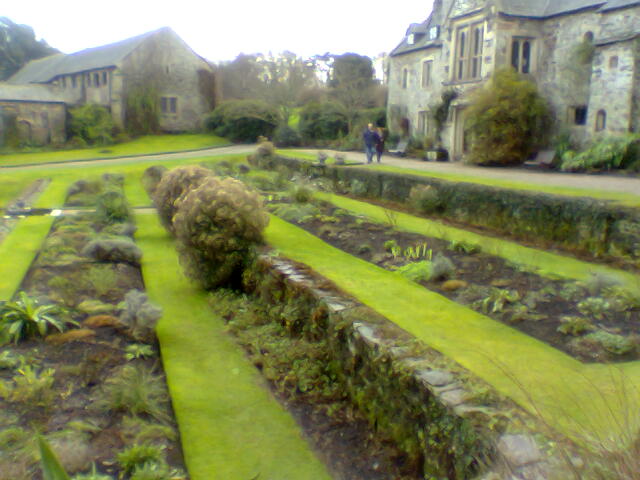
Cotehele House in Cornwall, England, is a ‘ Tudor house with many stories and legends, festooned with tapestries and adorned with textiles, arms and armour, pewter, brass and old oak furniture; a magical experience as little has changed over the years.Outside, explore the formally planted terraces, or lose yourself in the Valley Garden, which includes a medieval stewpond and dovecote. Seek tranquillity in the Upper Garden or visit the two orchards planted with local apples and cherries.Cotehele Quay is the home of the restored Tamar sailing barge ‘Shamrock’ and gateway to a wider estate. The Discovery Centre tells the story of the Tamar Valley.’

Source and further information:

National Trust Website

Wikipedia

Old School Gardener


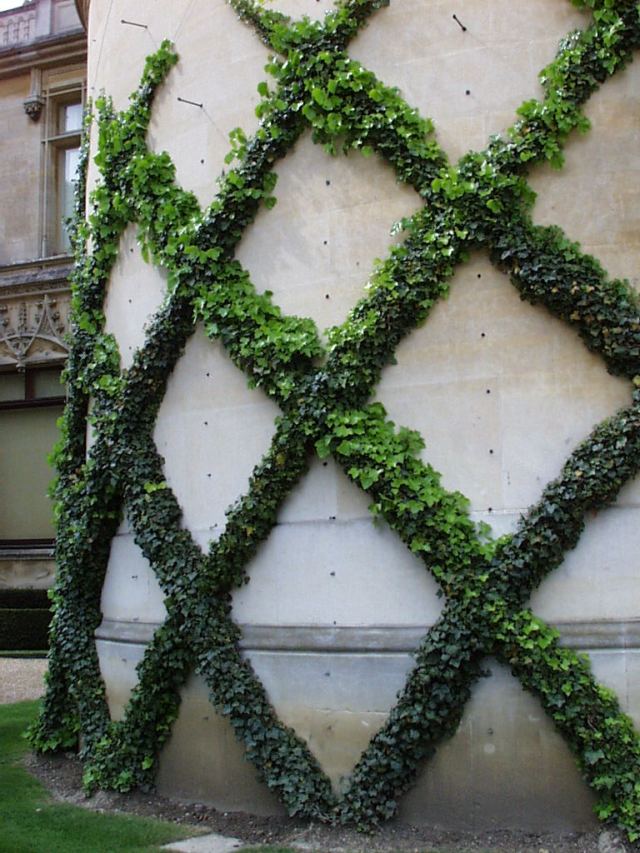
ivy

Waddesdon Manor was built by Baron Ferdinand de Rothschild in 1874 to display his outstanding collection of art treasures and to entertain the fashionable world.The 45 rooms on view combine the highest quality French furniture and decorative arts from the 18th century with superb English portraits and Dutch Old Masters. The Victorian garden is considered one of the finest in Britain with its parterre, seasonal displays, fountains and statuary. At its heart lies the aviary, stocked with species once part of Baron Ferdinand’s collection.’

Source and further information:

National Trust Website

Wikipedia

Waddesdon Manor Website

Old School Gardener

PIC00019

‘The Royal Botanic Gardens, Kew, usually referred to as Kew Gardens, comprises 121 hectares of gardens and botanical glasshouses between Richmond and Kew in southwest London, England. “The Royal Botanic Gardens, Kew” and the brand name “Kew” are also used as umbrella terms for the institution that runs both the gardens at Kew and Wakehurst Place gardens in Sussex.

The Royal Botanic Gardens, Kew… is an internationally important botanical research and education institution with 700 staff and an income of £56 million for the year ended 31 March 2008, as well as a visitor attraction receiving almost two million visits in that year. Created in 1759, the gardens celebrated their 250th anniversary in 2009.

The Gardens.. contain the world’s largest collection of living plants… The living collections inlcude more than 30,000 different kinds of plants, while the herbarium, which is one of the largest in the world, has over seven million preserved plant specimens. The library contains more than 750,000 volumes, and the illustrations collection contains more than 175,000 prints and drawings of plants. The Kew site includes four Grade I listd buildings and 36 Grade II listed structures in an internationally significant landscape.’

Source : Wikipedia

Old School Gardener

116_1634

Old School Gardener

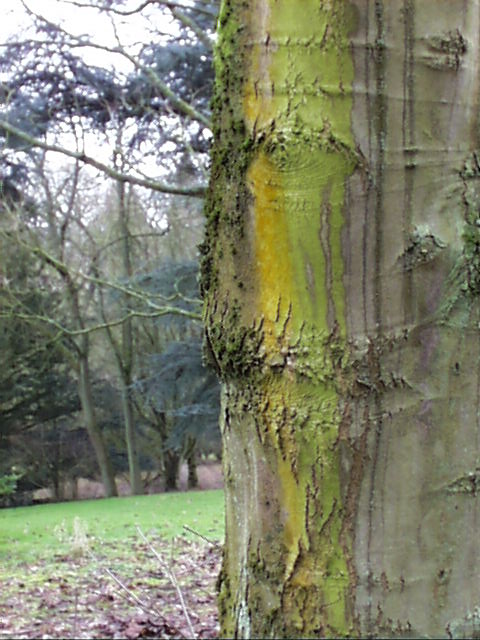
Trunk colour Batsford Arboretum

Old School Gardener

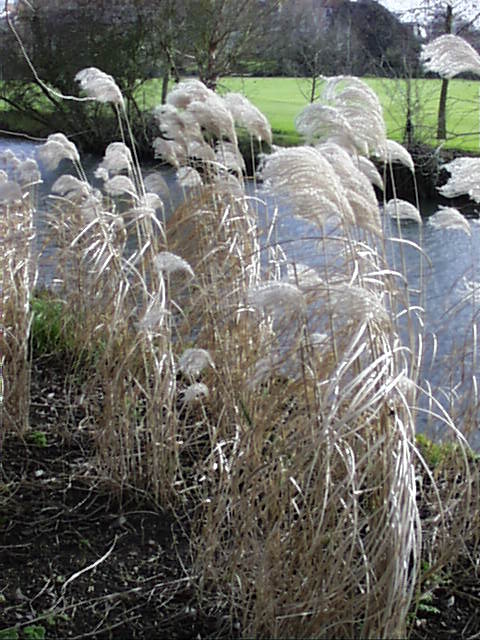
Winter Grasses

Oxford Botanic Garden  ‘was founded in 1621 with a mission “To promote the furtherance of learning and to glorify nature”. In the almost 400 years since then, although many people and plants have been involved in the history of the Garden we continue to educate as many people as possible about the importance of plants, to help conserve plants around the world and to support teaching and research at the University and beyond.

Visit inspiring herbaceous borders, glasshouses that take you around the World or simply relax in the oldest Botanic Garden in Britain. The Botanic Garden is the most compact, yet diverse collection of plants in the World right in the heart of the city centre and is open throughout the year for you to visit and enjoy.’

Source: Oxford Botanic Garden Website

Old School Gardener

PIC00056

The Lost Gardens of Heligan  (meaning ‘willow tree garden’ in cornish), near Mevagissey, Cornwall  are one of the most popular botanical gardens in the UK. The garden is typical of the nineteenth century Gardanesque style, with areas of different character and in different design styles.

The gardens were created by members of the Cornish Tremayne family, over a period from the mid-18th century up to the beginning of the 20th century, and still form part of the family’s estate. The gardens were neglected after the 1st World War, and restored only in the 1990s, a restoration that was the subject of several popular television programmes and books.

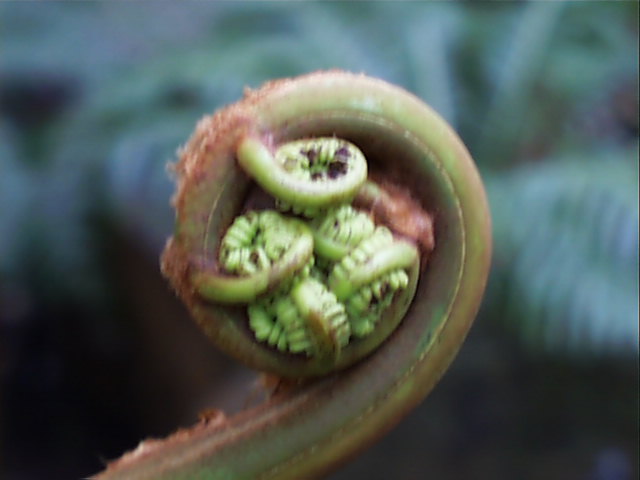
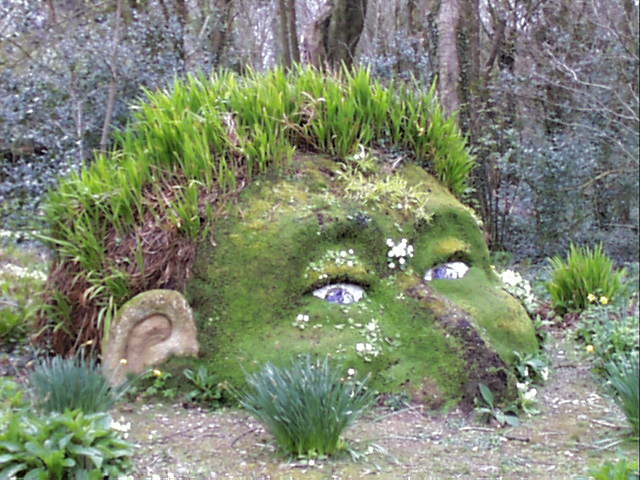
The gardens now boast a fabulous collection of aged and colossal rhododendrons and camellias, a series of lakes fed by a ram pump over a hundred years old, highly productive flower and vegetable gardens, an Italian garden, and a stunning wild area filled with primaeval-looking sub-tropical tree ferns called “The Jungle”. The gardens also have Europe’s only remaining pineapple pit, warmed by rotting manure, and two figures made from rocks and plants known as the Mud Maid and the Giant’s Head (see pic).

Source: Wikipedia

Old School Gardener

Wisley Apples

Wisley Apples

PicPost: Hanging baskets are so boring...

Pena PalaceThe Pena National Palace (Palácio Nacional da Pena) is a Romanticist palace in Sintra, Portugal. The palace stands on the top of a hill above the town of Sintra, and on a clear day it can be easily seen from Lisbon. It is a national monument and constitutes one of the major expressions of 19th century Romanticism in the world. The palace is a UNESCO World Heritage Site and one of the ‘Seven Wonders of Portugal’.

Pena Palace Park is a vast forested area completely surrounding the Pena Palace, spreading for over 200 hectares of uneven terrain. The park was created at the same time as the palace by King Ferdinand II, who was assisted in the task by the Baron von Eschwege and the Baron von Kessler. The exotic taste of the Romanticism was applied to the park as it was to the palace. The king ordered trees from diverse, distant lands to be planted there. Those included North American Sequoia, Lawson’s cypress, Magnolia, and Western Red Cedar, Chinese Ginkgo, Japanese Cryptomeria  and a wide variety of ferns and tree ferns from Australia and New Zealand, concentrated in the Queen’s Fern Garden (Feteira da Rainha). The park has a labyrinthine system of paths and narrow roads, connecting the palace to the many points of interest throughout the park, as well as to its two gated exits.

Source: Wikipedia

Finding Nature

Nature Connectedness Research Blog by Prof. Miles Richardson

Norfolk Green Care Network

Connecting People with Nature

Discover WordPress

A daily selection of the best content published on WordPress, collected for you by humans who love to read.

Susan Rushton

Celebrating gardens, photography and a creative life

Unlocking Landscapes

Writing, photography and more by Daniel Greenwood

Alphabet Ravine

Lydia Rae Bush Poetry

TIME GENTS

Australian Pub Project, Established 2013

Vanha Talo Suomi

The Journey from Finnish Rintamamiestalo to Arboretum & Gardens

Marigolds and Gin

Because even in chaos, there’s always gin and a good story …

Bits & Tidbits

RANDOM BITS & MORE TIDBITS

Rambling in the Garden

.....and nurturing my soul

The Interpretation Game

Cultural Heritage and the Digital Economy

pbmGarden

Sense of place, purpose, rejuvenation and joy

SISSINGHURST GARDEN

Notes from the Gardeners...

Deep Green Permaculture

Connecting People to Nature, Empowering People to Live Sustainably

BloominBootiful

A girl and her garden :)