

Lonely Planet?
A few pictures from a recent visit to this beautiful Essex town.


Old School Gardener
Lonely Planet?
Imagine knocking down some old Nash Regency terraces to build council houses. If that idea fills you with horror, you should probably stop reading now. If, on the other hand, it might capture a democratic moment, a time when we wanted to build houses for the people and cared less about the interests of the few, read on.
 Derwent: Davies and Arnold, Zone C
This was the vision of Eric Cook in 1944. Cook, a left-wing journalist, was the vice-chair of St Pancras Borough Labour Party. (Elected to the Council in 1945, he died aged only 42 just three years later.) Admittedly, his idea had had some help from the Luftwaffe but the buildings were poorly built (‘by Regency jerry-builders’, he said) and thought at the time to be beyond repair. Modern bulldozers, he went on, could easily create ‘one of the finest building sites in all Britain…the ideal site for…
View original post 1,500 more words
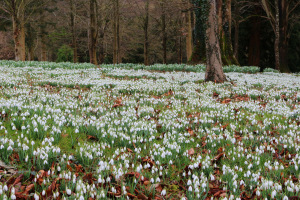 A sea of snowdrops at Colesbourne Park
If the answer to the title of this post is yes then you probably won’t want to continue reading. I know, I know, you can’t get stirred for galanthomania at this time of year. But lets face it, flowery delights in February are a little thin on the ground, we’ve all had enough of winter and are a bit desperate to see some signs of life in the garden. That’s not to take anything away from the beauty of snowdrops but I do think they owe a certain degree of their popularity to the fact that they bloom so early in the year and there is little else to compete for our attention. For a period of about four weeks from mid-February to mid-March gardens with collections of snowdrops are at their peak and it’s hard to not be blown away by the spectacular sight of carpets of…
View original post 836 more words


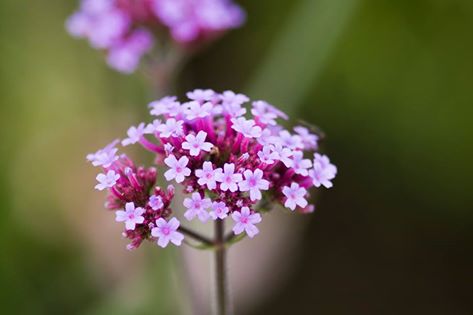
Is gardening a crusade or a hobby? This question occurred to me after reading a New York Times article about a symposium featuring Douglas Tallamy, Chair of Entomology and Wildlife Ecology at the University of Delaware. Tallamy is also the author of “Bringing Nature Home”, in which he argues for the environmental importance of using native plants in home landscapes.
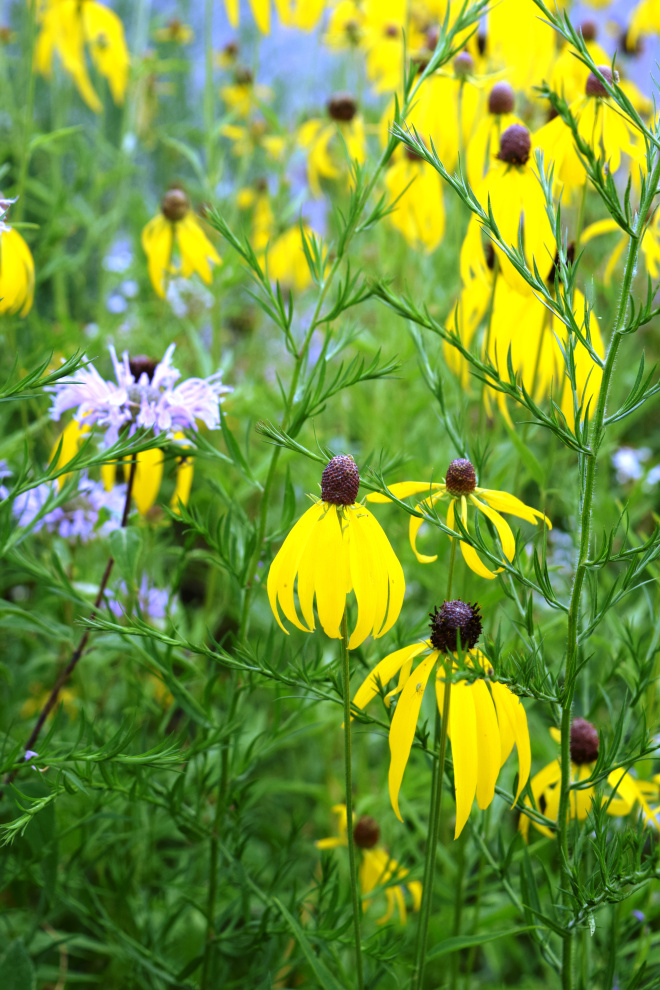 Yellow Coneflower and Wild Bergamot
In his presentation, Tallamy maintains that gardens should not be judged on beauty alone: Gardens should, among other things, help sustain the diversity of life.
Tallamy’s argument is all about insects. His research shows that native plants support way more insects than exotics. To give just one example, native oaks support 537 species of caterpillar, as opposed to a Japanese elm (Zelkova serrata), which supports none. This is because most insects are specialists able to digest the foliage of only a very limited…
View original post 392 more words

Anemone by Andrea Mc Donagh
 A few more clippings from a book I bought in a charity shop last summer ….
 From : ‘Mrs. Murphy’s Laws of Gardening’ – Faith Hines (Temple House books, 1992)
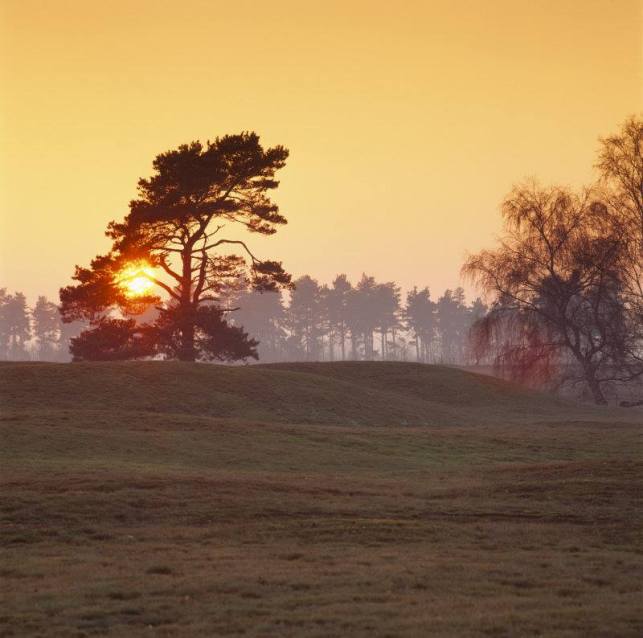 ‘An Anglo-Saxon king and his treasured possessions were unearthed here. Sutton Hoo is a hauntingly beautiful estate with far-reaching views, where you can explore ancient burial mounds, and see replica treasure as well as original finds. A reconstruction of the king’s burial chamber adds some adventure to the story. Inspired? Read on here ‘
Nigel Boldero aka 'Old School Gardener'
 | Nigel Boldero on Fighting to Reduce Climate Cha… |
 | Anonymous on Fighting to Reduce Climate Cha… |
| Anonymous on PicPost: Carrot, my foot! |
| 18 Surprising Hydran… on Plantax 16: Hydrangea the wate… | |
| Nigel Boldero on Poppyland: A Victorian romance… |
| Anonymous on Poppyland: A Victorian romance… |
| Anonymous on Plants to die for… |
 | Isabella Childress on PicPost: Forest, but not as we… |
 | Happiness Factor on Is child-friendly planning a l… |
 | zidane on Top Tip: On a Pedestal- make m… |


Nature Connectedness Research Blog by Prof. Miles Richardson
Connecting People with Nature
A daily selection of the best content published on WordPress, collected for you by humans who love to read.
Celebrating gardens, photography and a creative life
Writing, photography and more by Daniel Greenwood
Lydia Rae Bush Poetry
Australian Pub Project, Established 2013
The Journey from Finnish Rintamamiestalo to Arboretum & Gardens
Because even in chaos, there’s always gin and a good story …
RANDOM BITS & MORE TIDBITS
.....and nurturing my soul
Cultural Heritage and the Digital Economy
Sense of place, purpose, rejuvenation and joy
Notes from the Gardeners...
Connecting People to Nature, Empowering People to Live Sustainably
A girl and her garden :)


 Old School Garden