Archive for February, 2016


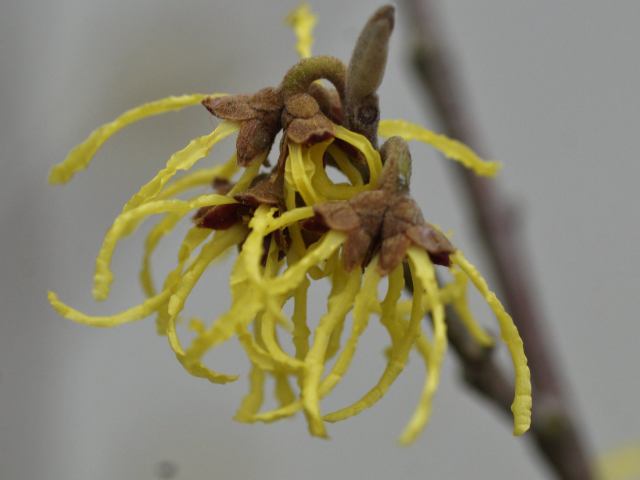
Hamamellis- pic by  Shirley Goodlife

Hamamellis- pic by Shirley Goodlife

WP_20160204_12_45_49_ProMore forking and levelling this week in the walled garden. It was good exercise and inspired me to begin excavating my new wildlife pond at Old School Garden the day afterwards.

You may recall that fellow volunteer, Peter and I had continued getting the grass cross paths ready for turfing or seeding? Well we carried on for another few hours this week, and I’m pleased to say that the majority of this prep is now done.

Nearly there...forking over and topping up the cross paths ready for grassing over

Nearly there…forking over and topping up the cross paths ready for grassing over

It was great to see some obvious progress in this regeneration project; Manager Mike and Gardener Rob carried on with the installation of the metal posts that will carry wires to support a wide range of trained fruit bushes and trees. I also noticed that the roof of the new Bothy (with shop and office) was virtually finished, complete with two squat chimneys. I gathered from Darren, the roofer, that we’d missed the traditional ‘topping out’ ceremony where the making of a building wind and weather tight is celebrated with a bottle of bubbly…just the day before!!

There is also a beautiful solid oak noticeboard by the entrance to the garden , which I understand from Mike is to have a lovely carved top fixed to it, like the one near the main entrance to the gardens. Mike is contemplating a ‘past, present, future’ display on the three boards. I like this idea; it will kindle visitor interest in the walled garden as an historic feature of the House and its surrounds and inform them about seasonal jobs and future projects.

The new notice board

The new notice board

The crocuses near the entrance to the Walled Garden were showing their colour, and there is now plenty of other floral interest in the gardens.

WP_20160204_10_41_47_ProFurther Information:

Blickling Hall website

Blickling Hall Facebook page

A 360 degree tour of Blickling Hall

Old School Gardener


canwefeedtheworld's avatarOne Billion Hungry: Can We Feed the World?

ID-100128334 Photo by phanlop88

Digital technology is likely to continue to be a major driver of development and industry in Africa. The capabilities of local entrepreneurs, start-ups and businesses to provide services such as technical assistance and finance are growing significantly due to greater access to mobile and internet technology. As such digital solutions are likely to make a huge contribution to addressing local concerns, connecting people in remote areas and to reaching greater numbers of people than more traditional development initiatives. Such technologies are already transforming the way in which smallholder farmers work and interact. Here we discuss five ways in which digital technology can play a part in transforming agriculture in Africa.

  • Extension services

Accessing information on farming practices, crop diseases, pest control and land management can be made easier for rural farmers through mobile technology. At present there is a large gap between extension services provided and farmers…

View original post 750 more words

Picture by Ellen Zillin

Picture by Ellen Zillin

Trees and shrubs stand up well for viewing from a distance through seasons and year after year. Many reward you with flower, foliage, hips and bark interest…here are a few to think about.

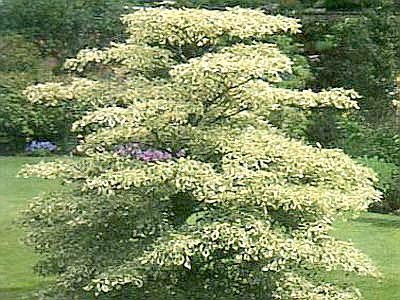
Cornus controversa 'Variegata'

Cornus controversa ‘Variegata’

Wedding Cake Tree (Cornus controversa ‘Variegata’)- tiered growth, flat heads of white summer flowers and vivid autumn leaves.


Acer_rubrum_'Scanlon' - autumn leaves

Acer_rubrum_’Scanlon’ – autumn leaves

Red Maple (Acer rubrum ‘Scanlon’) – slow growing tree with dense, conical crown and glowing autumn colour.


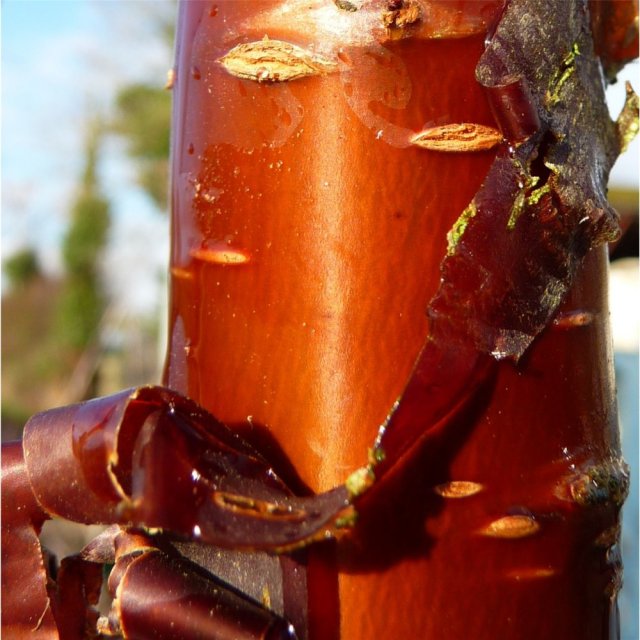
Prunus serrula - bark

Prunus serrula – bark

Birchbark Cherry (Prunus serrula) – peeling trunk and branches show gleaming red-brown new bark, which is particularly good in winter.


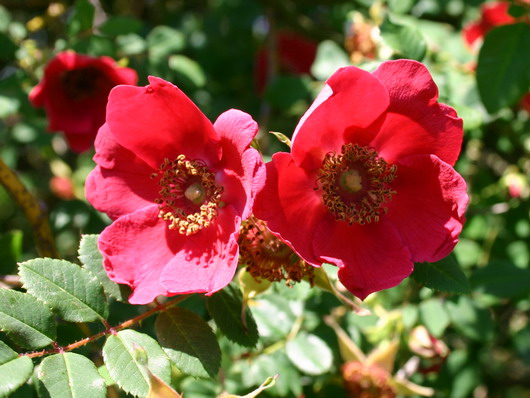
Rosa moyesii- flowers

Rosa moyesii- flowers

Shrub Rose (Rosa moyesii) – tall shrub with red single flowers all summer and shiny scarlet flask-shaped hips to follow.


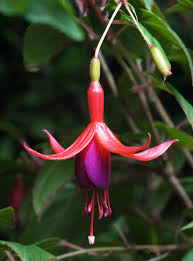
Fuchsia magellanica- flower

Fuchsia magellanica- flower

Fuchsia magellanica – bushy shrub with a profuse show of dangling crimson and purple flowers from midsummer to October.


Cotinus coggygria 'Royal Purple'

Cotinus coggygria ‘Royal Purple’

Smoke Bush (Cotinus coggygria ‘Royal Purple’) – feathery plumes of pink flowers in July and deep purple leaves lightening to red in autumn.


Cercis siliquastrum - flowers

Cercis siliquastrum – flowers

Judas Tree (Cercis siliquastrum) – pink spring flowers followed by heart-shaped leaves flushed red at first, then yellow in autumn. I also have Cercis s. ‘Forest Pansy’ here in Old School Garden– the leaves turn lovely shades of crimson and magenta in the autumn.

Source: ‘Good Ideas for your Garden’- Reader’s Digest (1995)

Old School Gardener


Cyclamen -pic by Janina Sidlinskaite

Cyclamen -pic by Janina Sidlinskaite

1YC9C3UYXThis exotic looking palm is pretty tolerant of cold, and has lovely fan foliage – a good choice if you want to bring a touch of the ‘exotic’ to the garden.

Common name:  Chinese Windmill Palm, Windmill Palm or Chusan Palm

Native areas: Central China (Hubei southwards), southern Japan (Kyushu), south to northern Burma and northern India, growing at altitudes of 100–2,400 metres

Historical notes: Trachycarpus fortunei has been cultivated in China and Japan for thousands of years, for its coarse but very strong leaf sheath fibre, used for making rope, sacks, and other coarse cloth where great strength is important. The species was brought from Japan to Europe by the German physician Philipp Franz von Siebold in 1830. The common name refers to Chusan Island (now Zhousan Island), where Robert Fortune first saw cultivated specimens of the species. In 1849, Fortune smuggled Windmill palm plants from China to the Kew Horticultural Gardens and the Royal garden of Prince Albert. The Windmill Palm was later named Trachycarpus fortunei, after him. RHS Award of Garden Merit (AGM) in 2002.

Features: Trachycarpus fortunei is slow growing but can grow to 12–20 m tall on a single stem, the diameter of which is up to 15–30 centimetres. The trunk is very rough with the persistent leaf bases clasping the stem as layers of coarse fibrous material. It is a fan palm with the leaves with the long petiole bare except for two rows of small spines, terminating in a rounded fan of numerous leaflets; each leaf is 140–190 centimetres long, with the petiole 60–100 centimetres long, and the leaflets up to 90 centimetres long. It is a somewhat variable plant, especially as regards its general appearance and some specimens are to be seen with leaf segments having straight and others having drooping tips. The flowers are yellow (male) and greenish (female), about 2–4 millimetres across, borne in large branched panicles up to 1 metre long in spring; it is dioecious, with male and female flowers produced on separate trees. The fruit is a yellow to blue-black, kidney-shaped drupe 10–12 millimetres long, ripening in mid autumn.

Uses:   Trachycarpus fortunei is cultivated as a trunking palm in gardens and parks throughout the world in warm temperate and subtropical climates. Its tolerance of cool summers and cold winters makes it highly valued by palm enthusiasts, landscape designers and gardeners. Chusan Palms make attractive garden focal points, and look good alongside other exotic plants such as Cordyline australis, the New Zealand cabbage palm and the semi-hardy banana, Musa basjoo. Large-leafed plants such as cannas or bamboos also work well. Although usually grown as a solitary plant, the impact is greater with a clump of three or more.

Growing conditions:  It can be grown successfully in such cool and damp but relatively winter-mild locales as Scotland, Southern New England, Long Island, and British Columbia, Canada, as well as in warm temperate climates in parts of the United States, Europe (predominantly UK, France and Germany), New Zealand, and Asia. It does not grow well in very hot climates. It will grow in most soils as long as they are well drained and ideally needs a sheltered position, out of full sun.

Chusan Palms at Vancouver, Canada. Pic by Keepitsurreal

Chusan Palms at Vancouver, Canada. Pic by Keepitsurreal

Further information:

Wikipedia

RHS- Trachycarpus fortunei

How to Grow : Chusan Palm- Daily Telegraph

Barcham Trees Directory- Trachycarpus fortune

Trachycarpus fortunei in the Exotic Garden, Norwich

Choosing a Palm

Old School Gardener

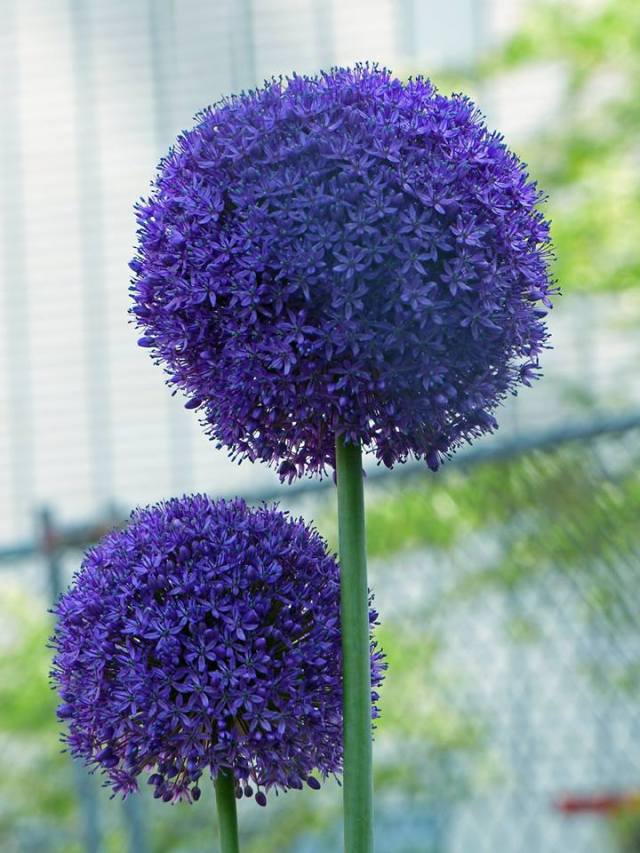
Purple Alliums by Ellen Zillin

Purple Alliums by Ellen Zillin

Municipal Dreams's avatarMunicipal Dreams

In this guest post, Dr Ruth Cherrington brings her story of the Canley Estate in Coventry up-to-date, following earlier posts on the origins of the Estate and the growth of its community.  Ruth runs the Club Historians website and is the author of Not Just Beer and Bingo: a Social History of Working Men’s Clubs. You can follow Ruth on Twitter at @CHistorians.

Introduction

At the end of the previous posting, we left Canley residents busy shaping their community and social spaces.

It’s hard to pinpoint when exactly it started but some streets began to look unsightly from the early 1960s. Rather than growing flowers in the front gardens some tenants instead piled up rubbish and discarded furniture. There were instances of anti-social behaviour, though that term was not used back then: ‘problem family’ was the expression used instead. Canley residents would have been quick to name the streets that…

View original post 2,089 more words

Finding Nature

Nature Connectedness Research Blog by Prof. Miles Richardson

Norfolk Green Care Network

Connecting People with Nature

Discover WordPress

A daily selection of the best content published on WordPress, collected for you by humans who love to read.

Susan Rushton

Celebrating gardens, photography and a creative life

Unlocking Landscapes

Writing, photography and more by Daniel Greenwood

Alphabet Ravine

Lydia Rae Bush Poetry

TIME GENTS

Australian Pub Project, Established 2013

Vanha Talo Suomi

The Journey from Finnish Rintamamiestalo to Arboretum & Gardens

Marigolds and Gin

Because even in chaos, there’s always gin and a good story …

Bits & Tidbits

RANDOM BITS & MORE TIDBITS

Rambling in the Garden

.....and nurturing my soul

The Interpretation Game

Cultural Heritage and the Digital Economy

pbmGarden

Sense of place, purpose, rejuvenation and joy

SISSINGHURST GARDEN

Notes from the Gardeners...

Deep Green Permaculture

Connecting People to Nature, Empowering People to Live Sustainably

BloominBootiful

A girl and her garden :)