Archive for November, 2015


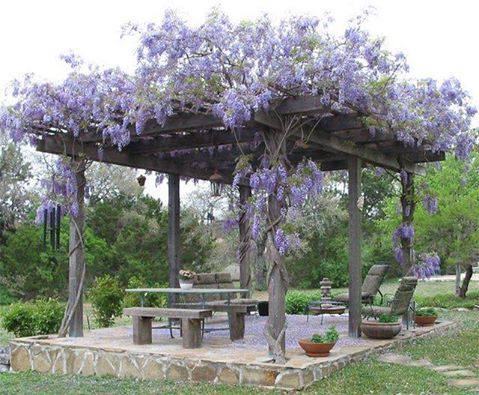
wisteria

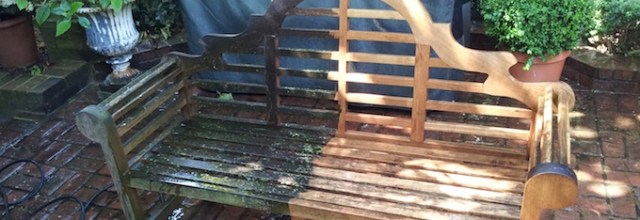
elps-gardenfurniture-cleaningWood- clean with a pressure washer or stiff brush and water; apply wood preserver to non-treated softwoods, and apply, if desired, teak oil to hardwoods once a year to keep their colour.

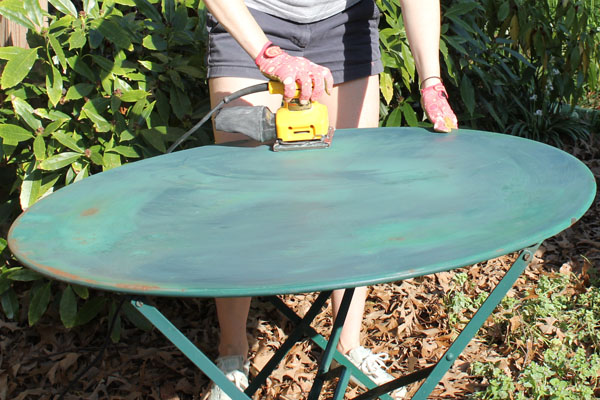
bench cleaningCast iron- clean with a damp cloth. It rusts slowly when exposed to air. You will need to sand down (or use a wire brush/wire wool) damaged areas and apply a rust converter, followed by an undercoat and topcoat of paint.

Aluminium- wipe down with a damp cloth, and oil all fittings and moving parts.

patioset_electricsanderPlastic and resin- clean with a damp cloth and detergent, or with a proprietary spray cleaner.

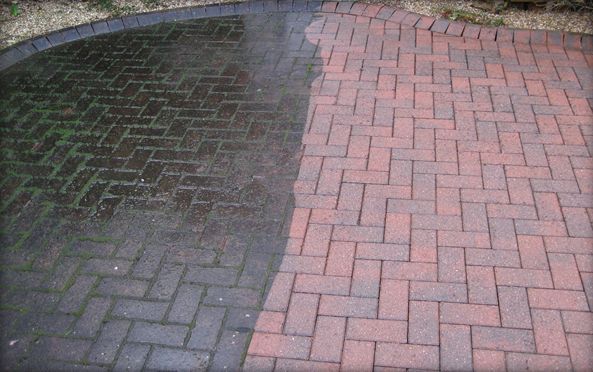
pressurewashingStone- clean with a pressure washer or stiff brush and soapy water.

Upholstery- use a proprietary liquid or spray for cleaning.

Source: ‘Short Cuts to Great Gardens’- Reader’s Digest 1999

Old School Gardener


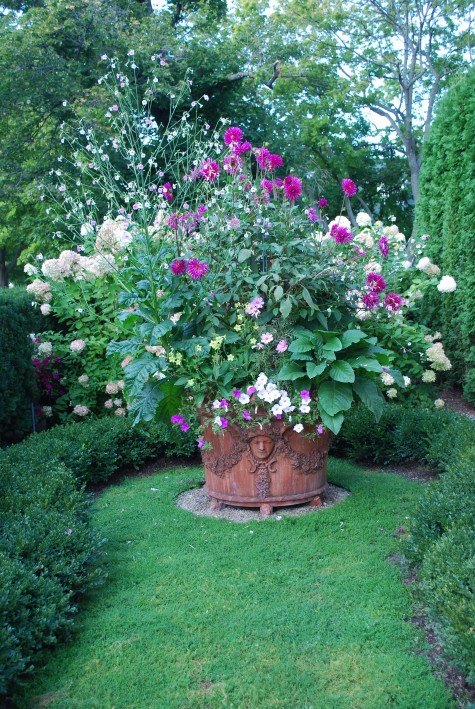
Planter with various kinds of Nicotiana (Tobacco plant) among others

Planter with various kinds of Nicotiana (Tobacco plant)

paulownia-500x500So many trees beginning with ‘P’- which to choose? My choice is a tree that poses a dilemma- to prune or not to prune? If you do, you will encourage massive foliage which is a fabulously exotic addition to any garden. Alternatively, don’t and you get some wonderful flowers…the choice is yours.

Common name: Foxglove Tree, Empress Tree, Princess Tree

Native areas: Pawlonia tomentosa (syn. P. imperialis) is native to Japan and central and western China, where it has become virtually extinct due to a pathogen. It has become very common in North America, where it is considered an exotic invasive species. It was introduced to the UK in 1834.

Historical notes: The tree was named after Anna Pavlovna, daughter of Tsar Paul I and wife of Prince Willem of the Netherlands. In China, the tree is planted at the birth of a girl. The fast-growing tree matures when she does. When she is eligible for marriage the tree is cut down and carved into wooden articles for her dowry. Carving the wood of Paulownia is an art form in Japan and China. In legend, it is said that the phoenix will only land on the Empress Tree and only when a good ruler is in power. Several Asian string instruments are made from P. tomentosa.

The soft, lightweight seeds were commonly used as a packing material by Chinese porcelain exporters in the 19th century, before the development of polystyrene packaging. Packing cases would often leak or burst open in transit and scatter the seeds along rail tracks and near to ports. The magnitude of the numbers of seeds used for packaging, together with seeds deliberately planted for ornament, has allowed the species to be viewed as an invasive species in areas where the climate is suitable for its growth, notably Japan and the eastern United States.

Features: Paulownia tomentosa is an extremely fast-growing tree; its growth rings have been measured at three every inch. However the UK’s climate slows this down, and any growth under a pencil thickness generally succumbs to winter frosts, and which in turn contribute to its overall broadness. It will ultimately grow to 10–25 m (33–82 ft) tall, with large heart-shaped to five-lobed leaves 15–40 cm (6–16 in) across, arranged in opposite pairs on the stem. On young growth, the leaves may be in whorls of three and be much bigger than the leaves on more mature growth. The leaves can be mistaken for those of the Catalpa.

The very fragrant flowers are formed in autumn and then open in spring before the leaves in early spring (May), on panicles 10–30 cm long, with a tubular purple corolla 4–6 cm long resembling a foxglove flower. However, if there is a prolonged period where winter temperatures fall below minus 5 degrees celsius, no flowers will develop the following spring.The fruit is a dry egg-shaped capsule 3–4 cm long, containing numerous tiny seeds. The seeds are winged and disperse by wind and water. Pollarded trees do not produce flowers, as these only form on mature wood. A mature tree in its native environment can produce up to 20 million seeds a year!

Uses: P. tomentosa is cultivated as an ornamental tree in parks and gardens. It has gained the RHS Award of garden Merit (AGM). The characteristic large size of the young growth is exploited by gardeners: by pollarding the tree and ensuring there is vigorous new growth every year, massive leaves are produced (up to 60 cm across). These are popular in the modern style of gardening which uses large-foliaged and “architectural” plants. Alternatively it can be grown for its attractive, fragrant flowers.

Growing conditions: a fast growing, medium to large tree, it does best in a sunny, reasonably sheltered site, preferably in moist, humus-rich, fertile soils. Protect young trees from frost. Can be pollarded. Very tolerant of atmospheric pollution.

Paulowni_imperialis_SZ10Further information:

Wikipedia

RHS- Pawlonia tomentosa

Barcham trees directory- Pawlonia tomentosa

Old School Gardener

Source: Forecast Changeable

leeky boat

WP_20151112_14_20_33_ProThe ‘dynamic duo’ of Peter and I continued with strimming the avenues and connecting paths in the outer gardens at Blickling this week.

I arrived to find the gardeners and Peter gathered around a large, new trailer which had just been delivered. I later looked this over and had an interesting discussion about its features and how useful an addition it was going to be to the gardeners’ armoury….

Hmm...big, shiny, but how useful?

Hmm…big, shiny….

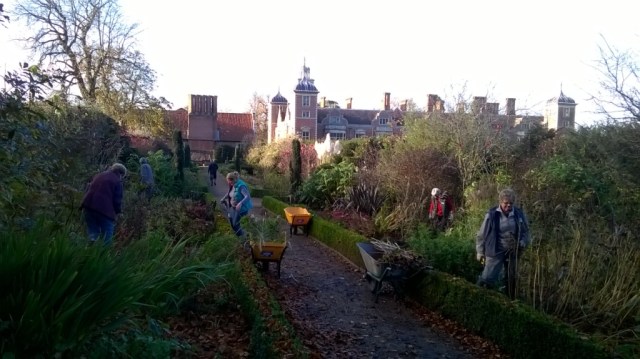
The ladies, meanwhile were finishing off cutting back and clearing the double borders, which only a few weeks ago had been resplendent in their late summer colours.

Cutting back the double borders on a beautiful autumn day

Cutting back the double borders on a beautiful autumn day

Having adjusted the belt on the strimmer I found I was really getting into my stride (or should I say ‘swing’?) with this useful machine- it was rather like old-time scything but without the muscle power needed for that. However, it was sweaty work clearing around trees and the edges of shrubs  where the mowers can’t reach.

After lunch I had an interesting chat with gardener Ed and Peter about the way the avenues of Beech, Oak and other trees have to be regularly cleared of fast-growing understorey trees and shrubs such as holly, yew and rhododendrons. The impact of letting these plants over grow the trees was evident in the bent over trunks of some examples (or ‘on the huh’ as we say in Norfolk!).

The maintenance plan involves every year or so stooling (or coppicing) these vigourous plants and so maintaining  space around the avenue trees. As Ed pointed out, there are some clear examples of where action is going to be required in the near future, so perhaps Peter and I will be moved on to chain saws soon!

Blickling has a new website, why not take a look at the link below?

A virtually deserted garden at a sun-scanned Blickling..

A virtually deserted garden at a sun-scanned Blickling..

Further Information:

Blickling Hall website

Blickling Hall Facebook page

A 360 degree tour of Blickling Hall

Old School Gardener


bird feeder

Old School Garden's Kitchen Garden cropping plan 2016

Old School Garden’s Kitchen Garden cropping plan 2016

It’s getting to that time of year when we ‘kitchen gardeners’ like to think about our plans for next year’s food crops. Here are a few thoughts on how to approach this with an eye on maximising what you get for your efforts and minimising costs and waste….


1. Grow only the crops you’ll eat (but also try out something new?)

2. Think ahead and work out how much time you can spend each week before deciding what to grow.
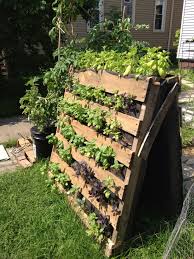
Maximise space by using vertical growing containers like this simple 'A' Frame made from pallets

Maximise space by using vertical growing containers like this simple ‘A’ Frame made from pallets

3. Draw up a cropping plan of what you will grow during which season and where in the plot, trying to avoid growing the same things in the same place as last year. And try to maximise the use of your plot by early sowings (e.g. Broad Bean, garlic and onion sets in the autumn) and late sowings (e.g. carrots, lettuce and other winter vegetables). Also, think about planting green manures to provide soil cover and which can be dug in as a soil feed before you sow your first crop of vegetables.


4. Choose pest and disease resistant varieties where available (but have an eye on quality too).


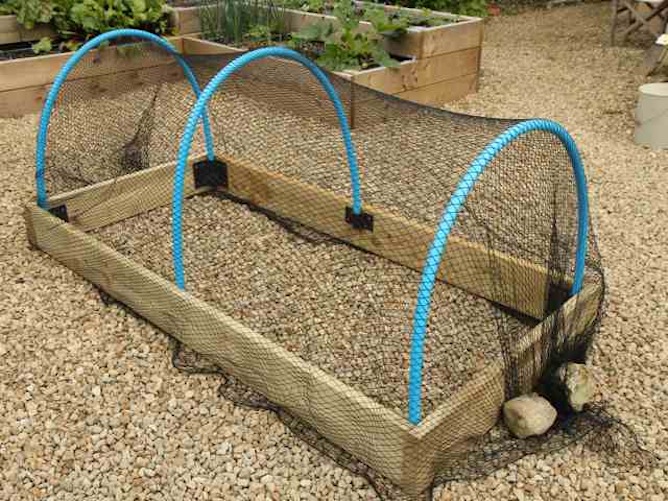
5. Invest in fruit cages and crop covers to protect your produce. Plastic plumbing pipe can provide a relatively cheap frame on which to fix various kinds of protection- including fleece and other material to help warm up your beds as well as keeping pests off.
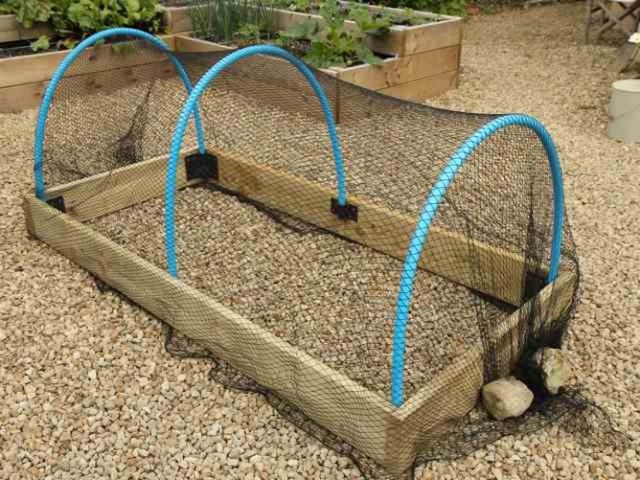
 

Plastic pipes can provide a good frame for protection

Plastic pipes can provide a good frame for protection

6. Concentrate on growing fewer crops well.

7. Avoid growing too much of one thing or you’ll have waste to throw away (or perhaps pass on to neighbours). Grow small quantities at different times to avoid a glut (‘succession planting’); think about dividing up your plot into smaller parcels (maybe usuing ‘square foot gardening’) and grow varieties that aren’t ‘F1’ hybrids as their plants tend to produce at the same time.

'Square Foot Gardening' can help to manage the range, timing and amounts of produce

‘Square Foot Gardening’ can help to manage the range, timing and amounts of produce

8. Avoid crops that aren’t worth the effort-  either because they’re difficult to grow, unreliable performers or where the cost and quality of what you can buy in the shops makes it sensible to buy rather than grow your own.

Source: ‘Short Cuts to Great Gardens’- Reader’s Digest 1999

Old School Gardener

lizard


Finding Nature

Nature Connectedness Research Blog by Prof. Miles Richardson

Norfolk Green Care Network

Connecting People with Nature

Discover WordPress

A daily selection of the best content published on WordPress, collected for you by humans who love to read.

Susan Rushton

Celebrating gardens, photography and a creative life

Unlocking Landscapes

Writing, photography and more by Daniel Greenwood

Alphabet Ravine

Lydia Rae Bush Poetry

TIME GENTS

Australian Pub Project, Established 2013

Vanha Talo Suomi

The Journey from Finnish Rintamamiestalo to Arboretum & Gardens

Marigolds and Gin

Because even in chaos, there’s always gin and a good story …

Bits & Tidbits

RANDOM BITS & MORE TIDBITS

Rambling in the Garden

.....and nurturing my soul

The Interpretation Game

Cultural Heritage and the Digital Economy

pbmGarden

Sense of place, purpose, rejuvenation and joy

SISSINGHURST GARDEN

Notes from the Gardeners...

Deep Green Permaculture

Connecting People to Nature, Empowering People to Live Sustainably

BloominBootiful

A girl and her garden :)