Archive for May, 2015


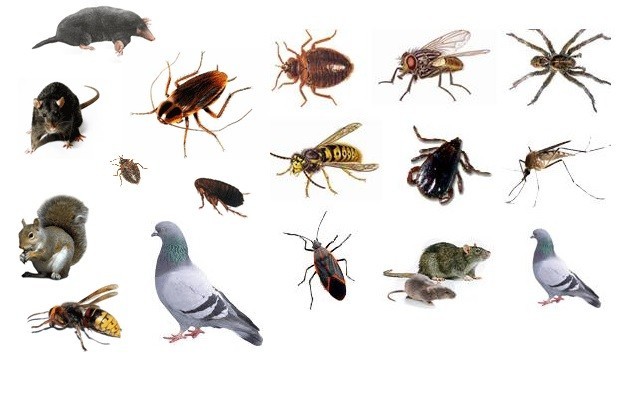
pest controlPests and diseases-

Buy varieties of plants that are restistant to pests and diseases. If you want to grow vegetables, choose modern varieties that are easier to grow and protect them with crop covers such as insect-proof mesh or garden fleece. Encourage natural predators to take up residence in your garden by growing nectar-rich flowers, providing nesting and overwintering sites, and by feeding birds in winter. Use bilogical controls in the greenhouse.

Further information:

Natural pest and disease control

Biological Pest control- RHS

Source: ‘Short Cuts to Great Gardens’ (Reader’s Digest 1999)

Old School Gardener
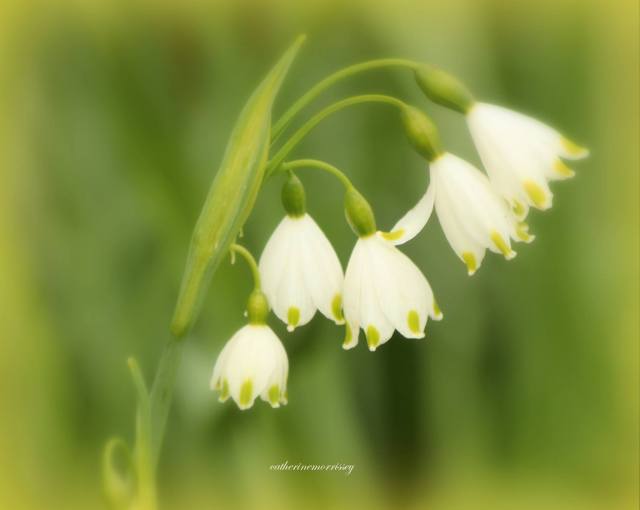
 

Snowflakes- picture by Catherine Morrisey

Snowflakes- picture by Catherine Morrisey

Orange Tree in Terracotta Pot by Jose Escofet

Orange Tree in Terracotta Pot by Jose Escofet

‘Bring forth of the Greene-house the Oranges, lemons and most tender Ever- greenes, trim and refresh them, placing them in shade a fortnight, by degrees accostuming them to the sunn: sow also cabbage-seedes, Lettuce, French-beanes, Harricos &c.’

John Evelyn 1686 (published 1932)

Old School Gardener

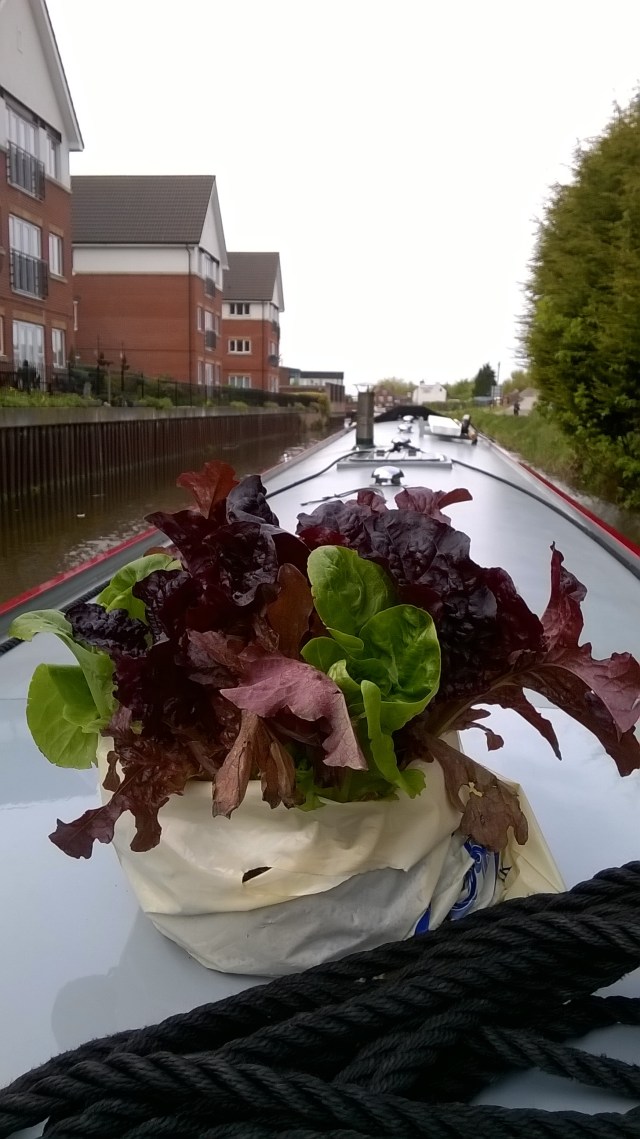
A picture of our friends’ narrow boat yesterday. Modest, but an effective way of supplying salad! They have ambitions to extend their roof top garden, maybe some artificial grass and a putting course too?!

Picture: National Trust, Charlecote Park

Picture: National Trust, Charlecote Park

front garden1A front garden is on view to all, so must look good all year and be functional. Here are a few ideas for making your own ‘entrance’:

Focal points-

  • A statue, pot or some other hard landscape feature can be used to provide a focal point; something to draw the eye and give a sense of unity to the front garden.

  • Alternatively, box topiary shapes or other bold ‘architectural’ plants can fulfil this role and can be relatively easy to maintain. Likewise, planting groups of the same plant can be used to create a series of ‘green’ focal points.

  • Another idea is to create a feature such as a rockery that will be seen from the roadside and combines both hard and soft landscaping elements.

Paths and drives-

  • A path to the front door is a central feature of most front gardens. By laying this diagonally across the plot an illusion of depth can be created. If your plot is relatively small and your path from garden entrance to front door has to be primarily fucntional, they should take the shortest route if they are going to be used by casual visitors. However, they can be made to look more attractive by introducing gentle curves or by by using a mixture of path surfacing materials such as brick and stone. But don’t use more than two or three different materials as this can cretae a fussy, disjointed look.

  • If your plot is larger and you can fit in a second path which has a mainly decorative role, this can be routed to meander through the garden and provide easy access to each part of the plot; it could be a continuous ‘snake’ of paving or stepping stones, or a combination of both.

  • Don’t underlay gravel with different coloured or shaped chippings, as over time these will rise to the surface and the result will look ugly.

  • Try to avoid using impermeable materials for vehicle hard standings (there are now regulations in place about this) and if you do have large hard surfaced areas use planting pockets to break these up- a car can easily pass over low growing plants.

Planting-

  • Drought- tolerant shrubs such as Hebe and Choisya help to squeeze out weeds, so helping to keep the front garden looking tidy.

  • Plant tough plants at the edges of drives such as ornamental grasses, heathers or creeping thymes, which will survive an occasional clipping by a car tyre.

  • Use creeping plants near to the edges of the garden to create a natural look.

Good neighbour-

  • Abide by the law if you are thinking about some more major changes to your front garden e.g. if you are putting up a wall or fence adjoining a public road that is higher than 90cms or hedges in such locations. You need to contact the local authority before putting in solid boundaries and may be asked to cut back hedges that interfere with sight lines.

  • Likewise you need to contact the local authority if you plan to put in a vehicle ‘crossover’ over a public footpath and if you want to cultivate any grass verge outside your house.

front garden2

Source: Short Cuts to Great Gardens- Reader’s Digest

Old School Gardener


Picture: Bev Evans

Picture: Bev Evans

Finding Nature

Nature Connectedness Research Blog by Prof. Miles Richardson

Norfolk Green Care Network

Connecting People with Nature

Discover WordPress

A daily selection of the best content published on WordPress, collected for you by humans who love to read.

Susan Rushton

Celebrating gardens, photography and a creative life

Unlocking Landscapes

Writing, photography and more by Daniel Greenwood

Alphabet Ravine

Lydia Rae Bush Poetry

TIME GENTS

Australian Pub Project, Established 2013

Vanha Talo Suomi

The Journey from Finnish Rintamamiestalo to Arboretum & Gardens

Marigolds and Gin

Because even in chaos, there’s always gin and a good story …

Bits & Tidbits

RANDOM BITS & MORE TIDBITS

Rambling in the Garden

.....and nurturing my soul

The Interpretation Game

Cultural Heritage and the Digital Economy

pbmGarden

Sense of place, purpose, rejuvenation and joy

SISSINGHURST GARDEN

Notes from the Gardeners...

Deep Green Permaculture

Connecting People to Nature, Empowering People to Live Sustainably

BloominBootiful

A girl and her garden :)