Archive for February, 2014


We had a weekend in Kent and Essex last week. Sunday was the sunniest day so far in this gloomy UK winter, and we spent the day in Canterbury and Whitstable. I loved Canterbury with its eclectic mix of old buildings including the famous Cathedral, of course. I was particularly struck by the interesting architectural detailing above and so this is the first of three photo sets capturing some of the world ‘over my head’ in this lovely city. First a few images from the High Street…

I’ll be covering ‘over my head’ in the Cathedral in  my next photo post on this lovely day trip.

Old School Gardener

What's Wrong with my Plant?- nutrient deficiencies at a glance

Here are a few whizz ideas for garden seating…most made from pallets and other recycled materials.

Old School Gardener

Tim Gill's avatarRethinking Childhood

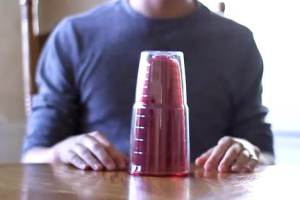
Just before Christmas, I was helping out at an after-school play session in a community centre in Tower Hamlets in East London. Eight-year-old Jane arrived, took a plastic mug from the kitchen, sat down at a table near me, and started clapping her hands and the table, and tapping and flipping the cup, in a repetitive, rhythmic routine.

Cup on a table in front of a boy

View original post 910 more words

North York Moors National Park's avatarThe official blog for the North York Moors National Park

Ami Walker – Land Management Adviser

Places like the North York Moors National Park may at first glance seem like areas of wild, natural beauty, but in reality they are largely managed landscapes. As a Conservation Land Management Adviser working on the Habitat Connectivity – Linking Landscapes Programme (“bigger, better, more connected”), I work with farmers and landowners to encourage and assist them in managing their land in a way that maintains and improve conditions for our native wildlife.

My week is usually a mix of sitting at a desk and being out and about in the North York Moors (no prizes for guessing which I prefer). By far the best bit of my job is the people I come into contact with. The North York Moors is a tough environment to farm in but we are blessed with some wonderful characters who have a deep sense of pride in what…

View original post 416 more words

Municipal Dreams's avatarMunicipal Dreams

Manchester has been described as the ‘shock city’ of the Industrial Revolution and if you lived in Ancoats it was, indeed, pretty shocking.  Ancoats was the world’s first industrial suburb – factories and workshops cheek by jowl with mean terraces of back-to-back working-class housing and courts.

Ancoats in the 1870s Ancoats in the 1870s

In 1889, a report by Dr John Thresh on 36 acres lying off Oldham Rd detailed 25 streets, many less than 17ft wide, and housing, mostly over 70 years old.  The area contained over 50 courts; one third of houses were back-to-back.   A death rate of over 80 per 1000 led to his dry statistical conclusion that ‘3000 to 4000 people [were] dying annually here in Manchester from remediable causes. (1)

The City Council declared it an ‘Unhealthy Area’ and determined to clear and rebuild.  A total of 1250 people were displaced and 239 dwellings demolished.

Manchester City Council had…

View original post 1,529 more words

chaffinch‘In sheltered spots the colours now return.

Brave crocuses and aconites of gold

Form brilliant carpets on the dreary floor

Of winter borders. In the woods unfold

The spikes of cuckoo pint, now showing more

And brighter green than hardy fronds of fern.

There’s colour, too, where tits and finches fly,

Attired already for the affairs of spring.

And, welcome even more, on oak branch high

As daylight fades a thrush begins to sing.

The hazel catkins shiver in the breeze,

In yellow clouds pale pollen drifts away.

A thousand starlings pass above the trees,

And silvered silk the willow wands display.’

John (Jack) Kett

from ‘A Late Lark Singing’ (Minerva Press1997)

I came across a few pictures of unusual, but stylish planters most of which involve recycling – hope you enjoy them!

Old School Gardener

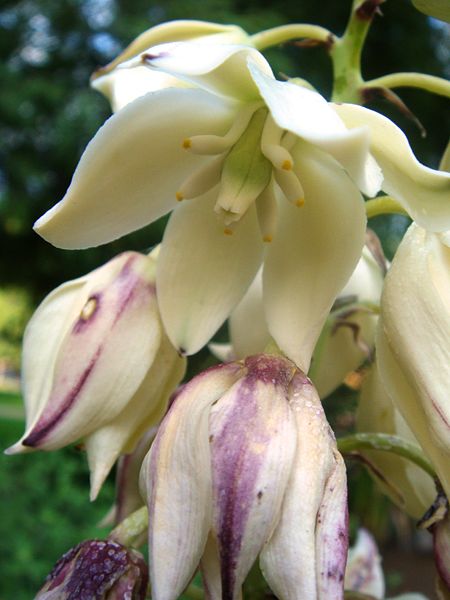
Yucca aloifolia flowers

Yucca aloifolia flowers

A genus of about 40 species of perennial evergreen shrubs or trees, Yucca is rosette-forming or woody- based and comes from hot, dry places such as deserts. sand dunes and plains in north and central America and the West Indies. It is also colloquially known in the Midwest United States as “ghosts in the graveyard”, as it is commonly found growing in rural graveyards and when in bloom the cluster of (usually pale) flowers on a thin stalk appear as floating apparitions. So striking are these flowers that early settlers of the south-western United States called them “Lamparas de Dios” or “Lanterns of God”. 

A member of the Agavae family, the yucca is closely related to the lily and has its origins in Mexico and Central America where it was prized by indigenous peoples for the medicinal and nutritional properties of the yucca flower.

North American natives, too, found the plant useful, using it to make clothing and soap (yucca roots are rich in saponins).

Cultivated for their bold, linear to lance shaped leaves and their erect (sometimes pendent) panicles of, usually white bell-shaped flowers. Many species also bear edible parts, including fruits, seeds,flowers, flowering stems and more rarely roots. References to yucca root as food often stem from confusion with the similarly pronounced, but botanically unrelated, yuca, also called cassava (Manihot esculenta).

They tolerate a range of conditions, but are best grown in full sun in subtropical or mild temperate areas. In gardening centres and horticultural catalogues they are usually grouped with other architectural plants such as Cordylines and Phormiums.

Joshua trees

(Yucca brevifolia) are protected by law in some American states. A permit is needed for wild collection. As a landscape plant, they can be killed by excessive water during their summer dormant phase, so are avoided by landscape contractors.

Several species of yucca can be grown outdoors in mild temperate climates where they are protected from frost. These include:-

Y. filamentosa

Y. flaccida

Y. gloriosa

y. recurvifolia

Yuccas are widely grown as architectural plants providing a dramatic accent to landscape design. They can be used as specimen plants in courtyards or borders and in frost prone areas can be grown in a cool or temperate greenhouse or conservatory. Pollination and proper yucca care are necessary for the formation of these flowers on indoor plants.

Be careful to site them away from paths or other places people could be scratched by their sharp leaves. Free-draining soil and sun is all yuccas require.They are fully frost hardy to frost tender and can be propagated by seed sown in spring. Rooted suckers can also be removed in spring and root cuttings can be taken in the autumn. They can be susceptible to leaf spot and aphid attack.

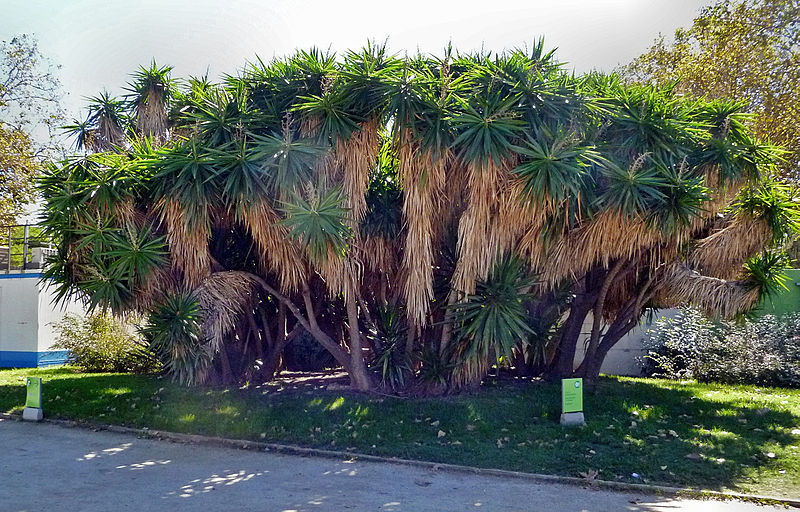
Yucca guatemalensis (syn Yucca elephantipes)

Yucca guatemalensis (syn Yucca elephantipes)

Further Information:

Wikipedia

Yucca filamentosa- RHS guide

How to Grow Yucca

Yucca Care

Yucca- Plant Encyclopedia

Old School Gardener

Finding Nature

Nature Connectedness Research Blog by Prof. Miles Richardson

Norfolk Green Care Network

Connecting People with Nature

Discover WordPress

A daily selection of the best content published on WordPress, collected for you by humans who love to read.

Susan Rushton

Celebrating gardens, photography and a creative life

Unlocking Landscapes

Writing, photography and more by Daniel Greenwood

Alphabet Ravine

Lydia Rae Bush Poetry

TIME GENTS

Australian Pub Project, Established 2013

Vanha Talo Suomi

The Journey from Finnish Rintamamiestalo to Arboretum & Gardens

Marigolds and Gin

Because even in chaos, there’s always gin and a good story …

Bits & Tidbits

RANDOM BITS & MORE TIDBITS

Rambling in the Garden

.....and nurturing my soul

The Interpretation Game

Cultural Heritage and the Digital Economy

pbmGarden

Sense of place, purpose, rejuvenation and joy

SISSINGHURST GARDEN

Notes from the Gardeners...

Deep Green Permaculture

Connecting People to Nature, Empowering People to Live Sustainably

BloominBootiful

A girl and her garden :)