
Archive for 2013


 This post looks at fires, the value of fire in children’s play and learning, and the sometimes problematic attitudes and actions of the fire authorities. It starts with a personal anecdote. (Its timing on Bonfire Night is kind of coincidental, but kind of not.)
View original post 945 more words
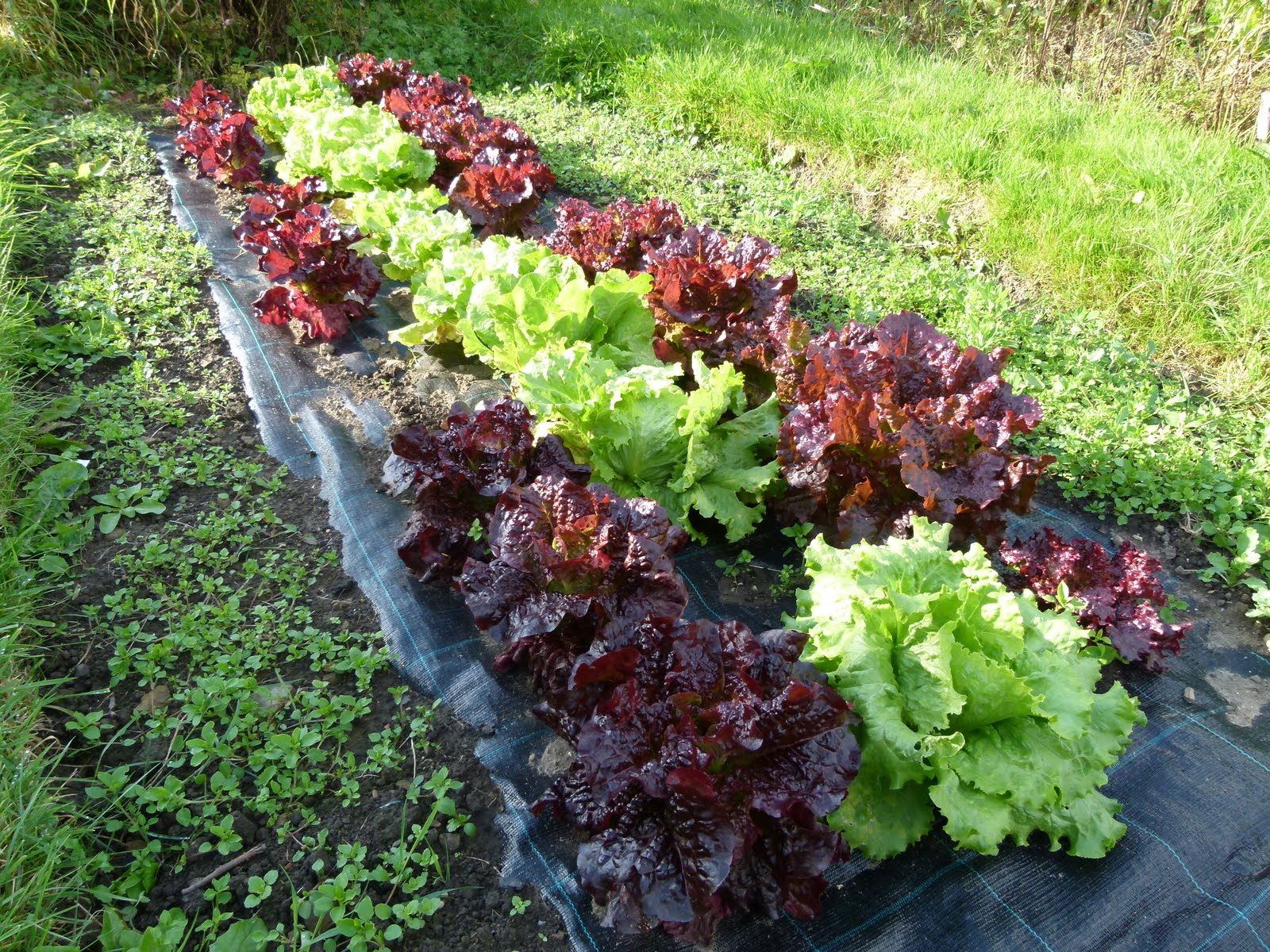
Weed – proof membranes can be an effective way of controlling weeds around vegetable crops
A weed might be a ‘plant in the wrong place’ but some ‘weeds’ have positive features. They can look good; some are edible; some provide food and shelter for birds, butterflies and beneficial insects and many can also be used in the compost heap (though if you don’t have a ‘hot’ compost system its probably unwise to put in the tap-rooted perennials).
But much of a gardener’s time is taken up with preventing, removing or controlling those plants that if left alone might quickly over run less vigourous species and rob them of precious moisture and nutrients. So what are the best ways of keeping these invaders under control?
-
Try to ‘design out’ weeds by close planting, crop rotation, weed-proof membranes under paths and effective barriers (possibly including some plunged into the soil to prevent spreading roots) to keep weeds from entering the garden from surrounding land.
-
Know your weeds – it will help to work out the best way of dealing with them.
-
Take time to clear perennial weeds effectively before any permanent planting- this might take more than one year and be realistic – don’t clear more than you can keep weed free. Cover the rest up with black plastic or other covers. And wait for the soil to be moist to aid removal.
-
Choose methods to suit the time and energy you have– using glyphosate- based herbicides might be the quickest and most effective for large, difficult areas
-
Never leave soil bare– plant it including with green manures. Use man made covers or nautural mulches which can both prevent and eradicate weeds- for little effort.
-
Create ‘stale seed beds’ by preparing the ground a few weeks before you need it – this will allow weed seeds to germinate and mean that you can clear the weeds before you sow, or cover the ground with black plastic for a couple of months. This will give your plants a better chance of survivial.
-
Use transplants rather than sowing directly into the ground where strong weed competition is likely.

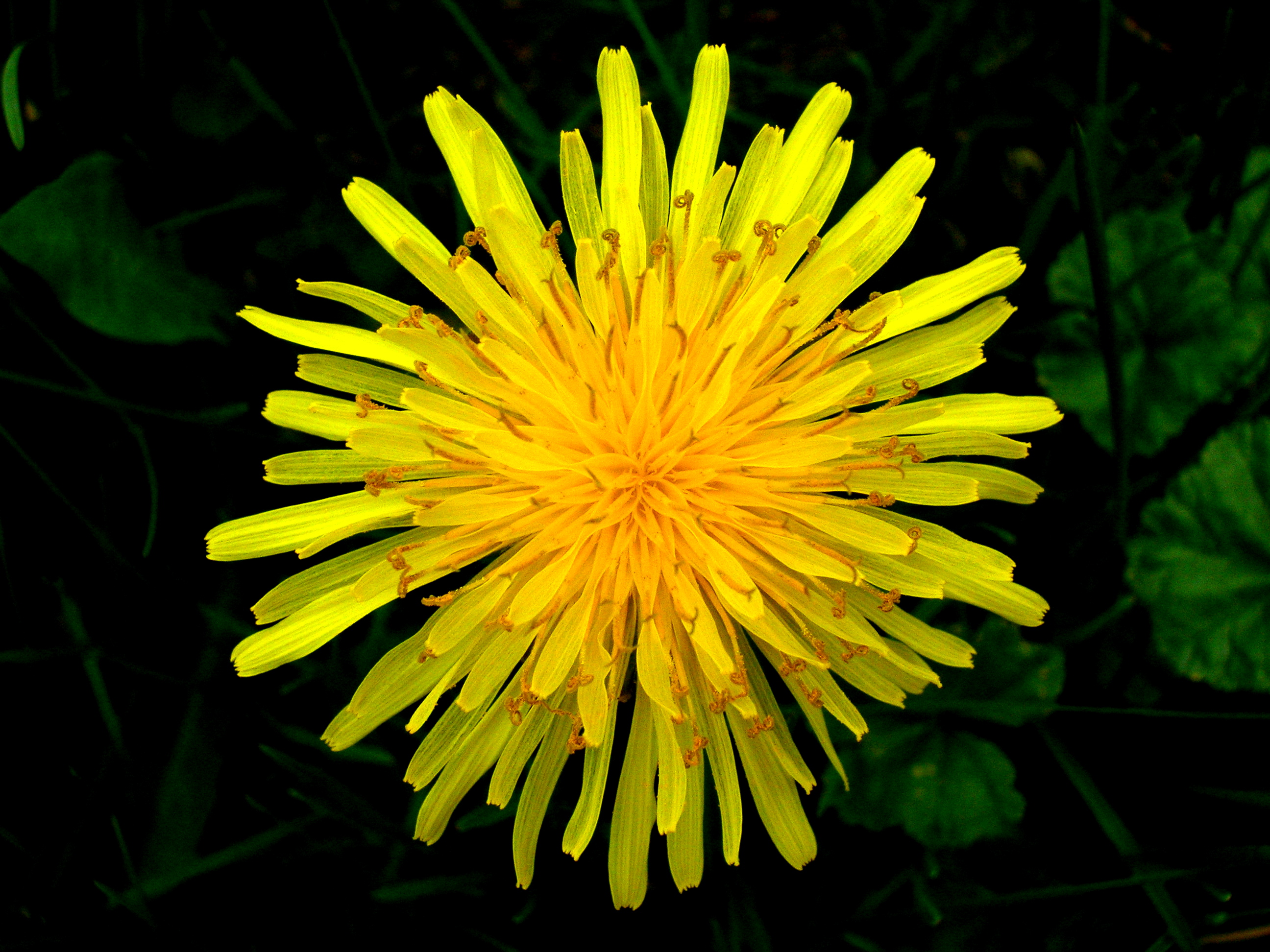
Weed or food source?
Old School Gardener
If you’ve enjoyed reading this post and others on this blog, why not comment and join others by signing up for automatic updates via email (see side bar, above right ) or through an RSS feed (see top of page)?
Florida, USA – The first European contact was made in 1513 by Spanish explorer Juan Ponce de León – who named it La Florida (“Flowery Land”) upon landing there during the Easter season, Pascua Florida. (Wikipedia)
Old School Gardener
10 things kids can (still) do without an iPad

‘I was really inspired by the Outdoor Nation blog and now it’s moved to the new Project WILD Thing site with a great new doco by David Bond.
David’s quest is to give the same level of marketing push to attract kids (and their parents) outside as Apple, Disney and Mattel have been able to wield into our (sub)consciousness to convince us to consume ’stuff’…..’
reblogged from Chas Spain

As an art and botany lover I am always happy discovering the many ways people use plants to decorate their homes. Like they did it at Albaicin, Granada- have a 
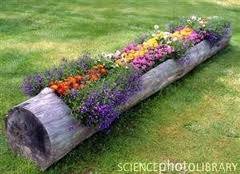
Here we go again…this time some garden ideas for using pallets and other recycled items to create planting spaces (plus a couple of potting benches and some very effective – looking fencing)…


Old School Gardener
If you’ve enjoyed reading this post and others on this blog, why not comment and join others by signing up for automatic updates via email (see side bar, above right ) or through an RSS feed (see top of page)?
Old School Gardener




 Old School Garden